Charcoal Grilled Vegetable Skewers Recipe
Vegetables can hold their own next to burgers on a charcoal grill — you just have to treat them like they matter. Done right, charcoal grilled vegetable skewers come off the grates tender in the middle, lightly charred on the edges, and carrying that smoky flavor you only get over real coals. Done wrong, they’re either raw and crunchy or burned to mush. The difference is mostly prep and heat, and neither one is complicated.
I’ve grilled a lot of these, and the mistakes I made early on were always the same: vegetables cut too small, coals too cool, and skewers crowded so tight nothing cooked evenly. Fix those three things and you’ve basically got it. Here’s how I build a batch.
As an Amazon Associate, Backyard Superstar earns from qualifying purchases at no extra cost to you.
Charcoal Grilled Vegetable Skewers Recipe
This is the version I come back to. It feeds about four people as a side, two or three as a main, and scales up fine if you’re feeding a crowd.
Ingredients
- 1 zucchini, sliced into 1-inch rounds
- 2 bell peppers (any colors), cut into 1-inch pieces
- 1 small eggplant, cut into 1-inch cubes
- 8 oz cremini mushrooms, wiped clean
- 1 red onion, cut into wedges
- 1 cup cherry tomatoes
- 3 tbsp olive oil
- 2 tbsp fresh lemon juice
- 3 garlic cloves, minced
- 1 tsp ground cumin and 1 tsp ground coriander
- Salt and pepper to taste
- Skewers (metal, or bamboo soaked 30 minutes so they don’t burn)
Steps
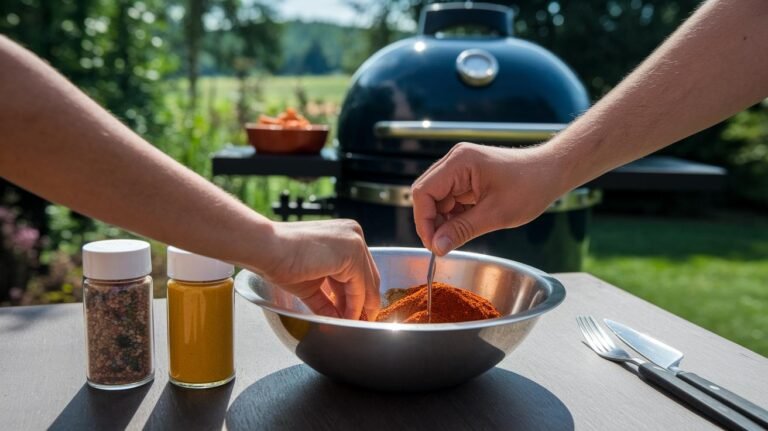
- In a large bowl, whisk the olive oil, lemon juice, garlic, cumin, coriander, salt, and pepper until it comes together. It should smell sharp and garlicky.
- Add the zucchini, peppers, eggplant, mushrooms, onion, and tomatoes. Toss until every piece is coated, then let it sit 30 minutes so the flavor soaks in.
- While the veggies marinate, light your charcoal and let it burn down to white-hot coals (more on that below).
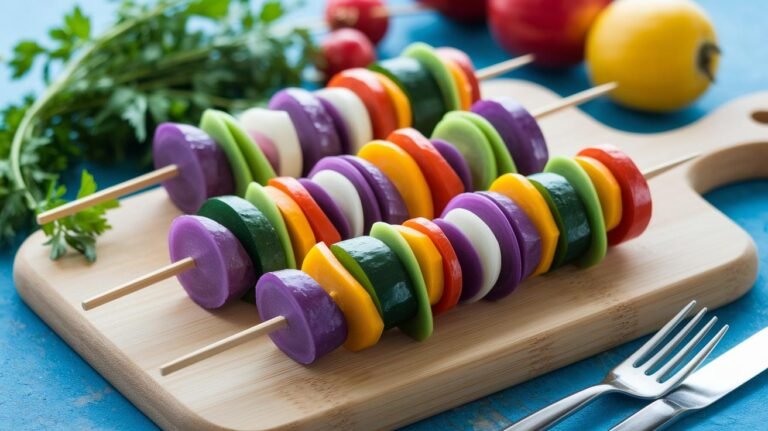
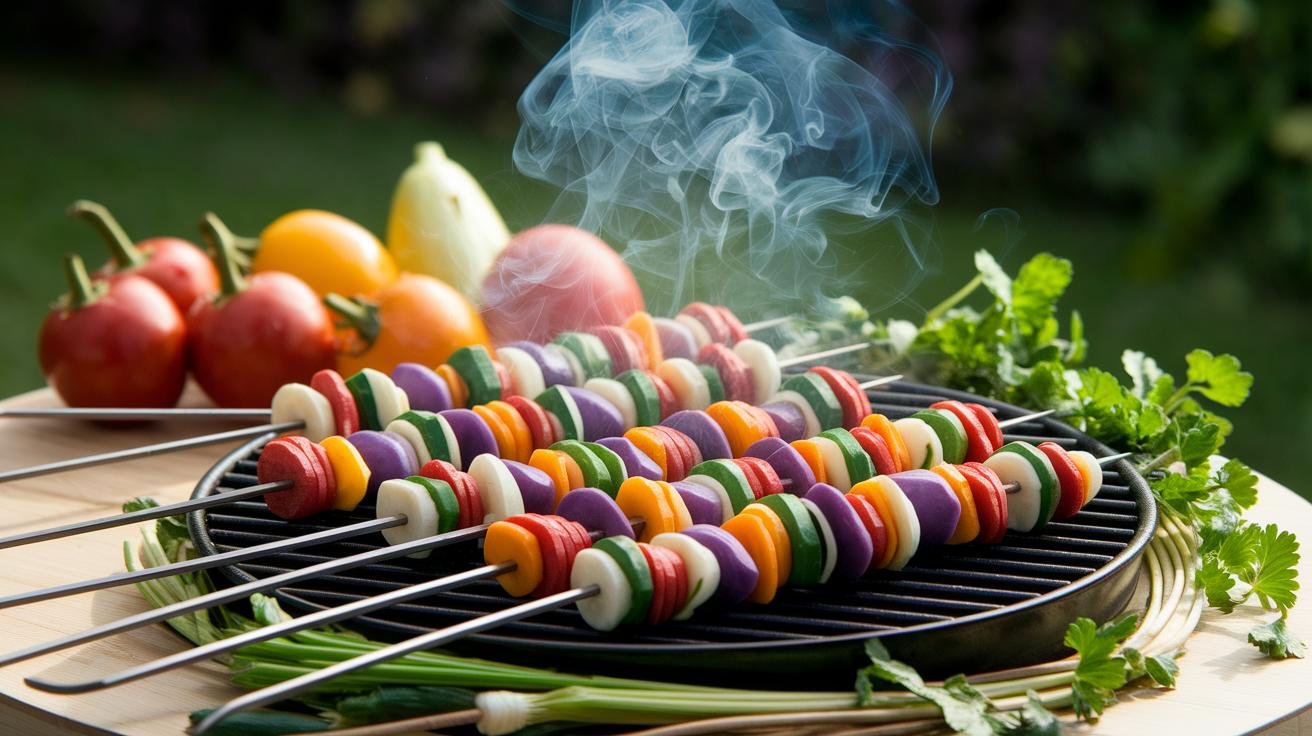
- Thread the vegetables onto the skewers, grouping like with like where you can so each skewer cooks evenly.
- Grill over direct medium-high heat for 10 to 12 minutes, turning every 2 to 3 minutes, until you see golden grill marks and the zucchini gives a little when you poke it.
- Pull them off, rest a minute, garnish, and serve.
That’s the whole job. The rest of this is the detail that keeps each step from going sideways.
Picking and Cutting Vegetables That Hold Up on the Grill
The single biggest factor in how skewers turn out is whether you picked vegetables that can take direct heat without collapsing. You want firm, dense veggies — zucchini, bell peppers, eggplant, mushrooms, red onion, and cherry tomatoes are my regulars. Soft or watery stuff falls apart and slides off the stick. If you’re not sure what makes the cut, I went deeper on which vegetables hold up best on skewers in a separate post.
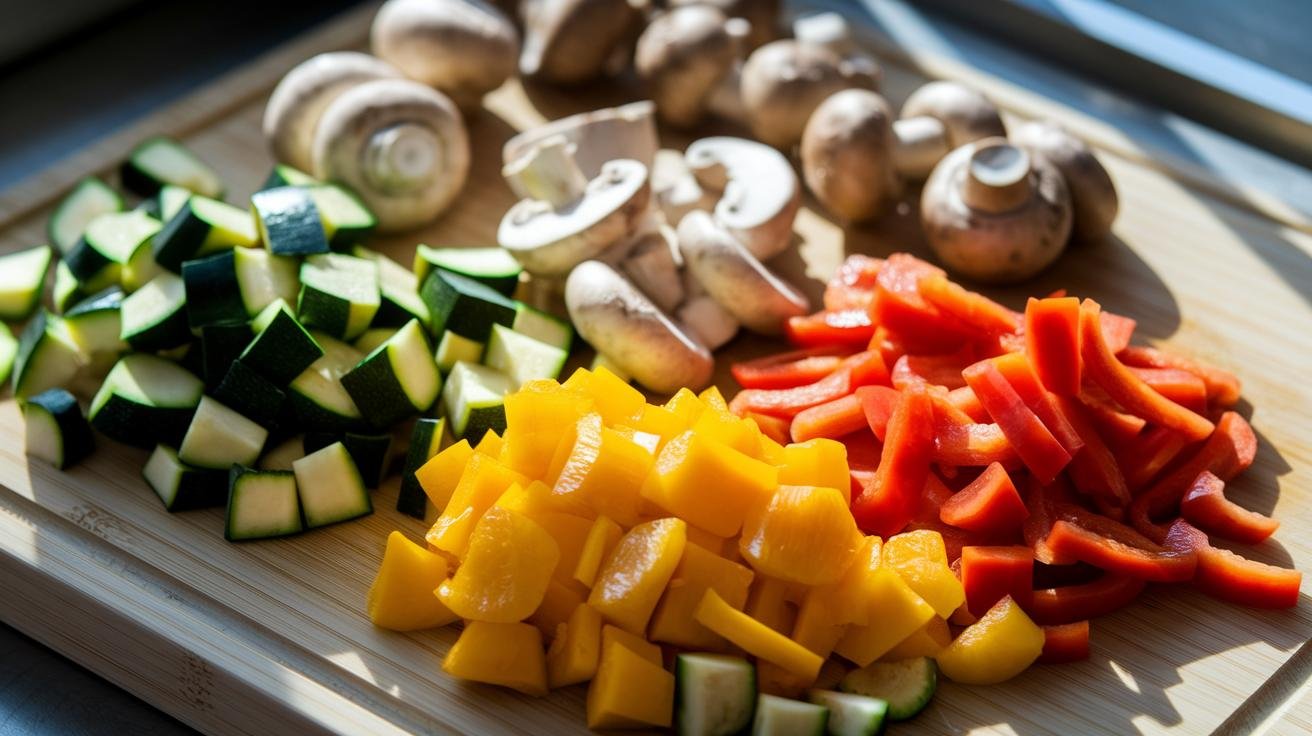
Cut everything to roughly the same size — about 1-inch pieces. This is the part people skip, and it’s why one skewer comes off perfect while the next one has scorched onion and raw eggplant. Uniform pieces cook at the same rate. Dense vegetables like onion can go slightly smaller so they soften in step with the rest.
Then there’s the skewer itself. Flat metal skewers are what I reach for now, because round ones let the vegetables spin when you try to flip them — you turn the stick and the food just stays put. A set like these FLAFSTER Kitchen stainless steel flat kabob skewers ($$) grips each piece so it actually turns with the skewer, and there’s no soaking and nothing to throw away. They’re my top pick for anyone who grills skewers more than once a summer.
If you’d rather not buy metal, bamboo works fine — it’s the budget route. A big bag of GoodCook 12-inch bamboo skewers ($) costs almost nothing, and you toss them when you’re done. The one rule: soak them in water for at least 30 minutes first, or the exposed ends char through and snap over the coals.
Three Marinades for Vegetable Skewers
A good marinade is what separates grilled vegetables from sad, plain grilled vegetables. The formula is easy to remember: three parts oil to one part acid, then whatever aromatics you like. Here are the three I rotate through. For more combinations, I keep a dedicated marinade guide going.
Garlic Herb Marinade
Combine ¾ cup olive oil with ¼ cup lemon juice. Stir in 3 minced garlic cloves and 2 tablespoons chopped parsley until it looks smooth. Toss the veggies in it and let them sit 30 minutes. This is my default — bright, garlicky, and it works on everything.
Soy Teriyaki Marinade
Whisk ½ cup soy sauce, 3 tablespoons sesame oil, 1 tablespoon grated ginger, and 2 teaspoons brown sugar until the sugar dissolves. Marinate 20 to 30 minutes. Right before the skewers come off the grill, hit them with toasted sesame seeds. The sugar does brown fast, so watch your heat with this one.
Mediterranean Herb Marinade
Olive oil, red wine vinegar, oregano, a little smoked paprika, and a pinch of salt. It leans savory and pairs especially well with eggplant and onion. A 30-minute soak is plenty.
However you mix it, you’ll want to brush a little extra marinade on partway through grilling. A silicone brush like the OXO Outdoor grilling basting brush ($) wipes clean and the bristles don’t melt the way cheap ones do near the coals. Don’t overdo it, though — too much oil dripping onto hot charcoal is exactly what causes flare-ups.
Setting Up Your Charcoal Grill for Skewers
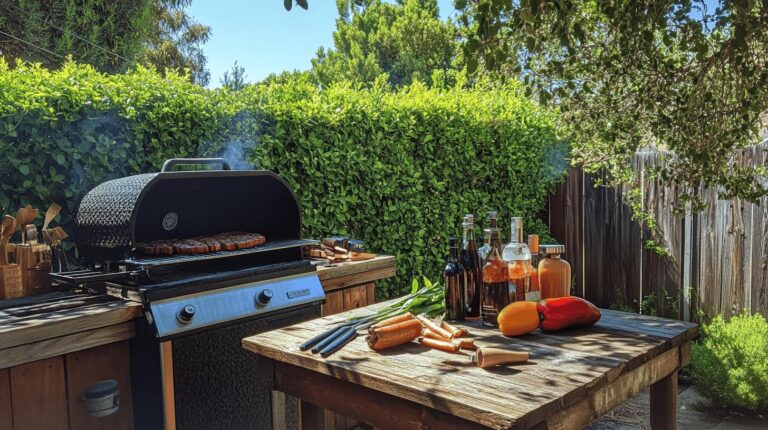
Most veggie-skewer problems trace back to the fire. You want steady, even heat — not big orange flames licking up between the grates. Flames char the outside before the inside cooks, and they’re unpredictable.
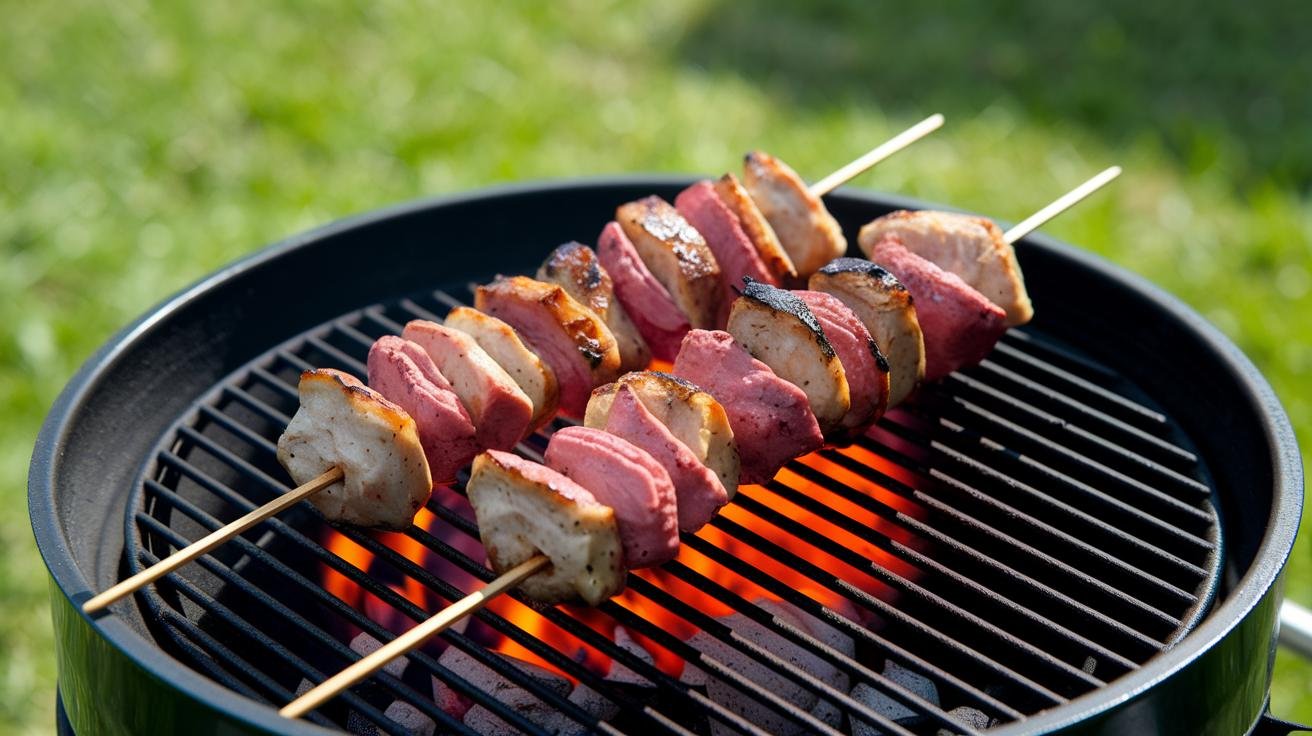
The easiest way to get there is a chimney starter. Fill it with briquettes, light a couple of newspaper sheets or a starter cube underneath, and in 15 minutes or so the coals on top glow gray-white and you’re ready — no lighter fluid, no chemical taste. I use a Weber Rapidfire chimney starter ($$) and it’s one of those tools you wonder how you grilled without.
Dump the hot coals and bank them so you have a hotter direct zone on one side and a cooler indirect zone on the other. That two-zone setup is your safety valve: skewers cook over the direct heat, and when something flares or a skewer’s getting ahead of the others, you slide it to the cool side. Clean and oil the grates before anything goes on, or your vegetables will stick and tear when you try to turn them.
Threading, Grilling, and Handling Flare-Ups
Thread the vegetables on with a little space between each piece — crowding them tight means the sides that touch never get heat, so they steam instead of char. Mixing colors looks great on the platter, but for even cooking it helps to keep the densest vegetables (onion, eggplant) grouped so you can pull the faster-cooking skewers first.
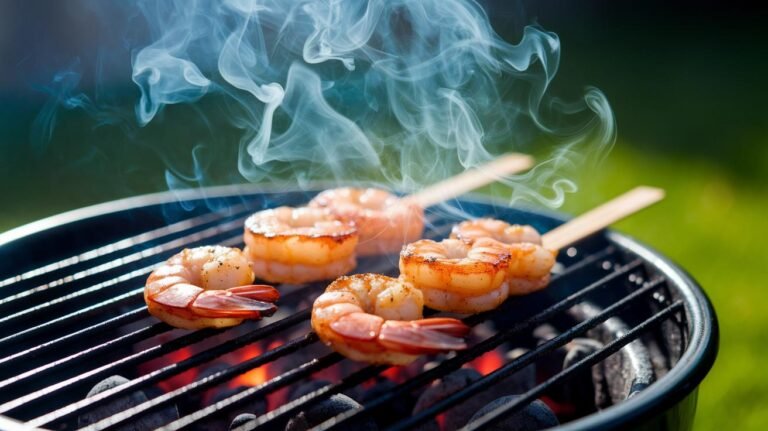
Lay the skewers over the direct zone and leave them alone for 3 to 4 minutes before the first turn. Resist the urge to fidget — they need contact time to build those grill marks. Total cook time runs about 10 to 12 minutes, turning every couple of minutes, and the zucchini is your doneness gauge: tender but still firm when you poke it. If you want the exact timing per vegetable, I broke down how long to grill vegetable skewers separately.
When fat or oil drips and the flames jump, don’t panic — just move those skewers to the indirect zone until the flare dies down. Keep a spray bottle of water nearby for stubborn flames; a quick mist tames them without dousing your coals.
Three mistakes account for most ruined skewers, and they’re all easy to avoid. The first is grilling over flames instead of coals — wait the extra ten minutes for the fire to burn down. The second is cutting pieces unevenly, so half the skewer is done while the other half is raw. The third is constant flipping; every time you lift a skewer too early you tear the surface and lose the char you’re trying to build. Set the fire right, cut to size, and turn on a schedule, and the rest mostly takes care of itself.
Small, loose vegetables — cherry tomatoes, sliced mushrooms, anything that wants to roll off — are a pain on a stick. That’s where a grill basket earns its keep. A Weber Deluxe grilling basket ($$) lets you toss the odds and ends straight over the coals and shake them around without losing half to the fire. If you want the same idea for less, the Kaluns stainless steel vegetable grill basket ($) does the job at a budget price.
Serving, Variations, and Storing Leftovers
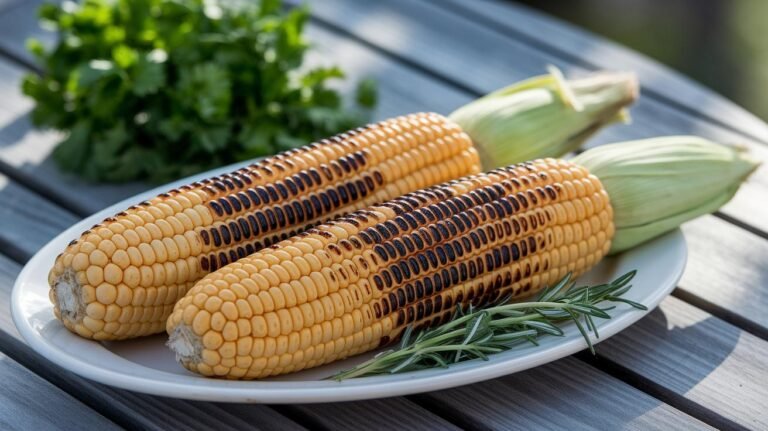
Pull the skewers onto a wide platter and finish them simply. Chopped parsley, cilantro, or basil adds color and freshness; a drizzle of balsamic glaze or a tahini-lemon dressing takes them somewhere a little more interesting. These go with almost anything off the grill — they’re a natural alongside charcoal-grilled corn on the cob for an all-from-the-grill spread.
Want to change it up? Swap in mushrooms and zucchini for a heartier mix, add pineapple or peach chunks for a sweet-savory edge, or sprinkle crumbled feta over the Mediterranean version right after they come off the heat. The base method doesn’t change — only what goes on the stick.
Leftovers keep well. Cool them, store in an airtight container in the fridge for up to three days, and reheat on a low grill or in a 325°F oven so they stay tender and lightly charred instead of going rubbery in the microwave. Grilled vegetables also make a great cold lunch the next day, tossed into a grain bowl or a salad.
Recommended gear for grilling vegetable skewers
As an Amazon Associate, Backyard Superstar earns from qualifying purchases at no extra cost to you.
- Top pick — FLAFSTER Kitchen stainless steel flat kabob skewers ($$). Flat shape stops food from spinning when you flip; reusable, no soaking.
- Budget skewers — GoodCook 12-inch bamboo skewers ($). Cheap and disposable — just soak 30 minutes first.
- Fire setup — Weber Rapidfire chimney starter ($$). Even, white-hot coals in ~15 minutes, no lighter fluid.
- For loose veggies — Weber Deluxe grilling basket ($$). Keeps tomatoes and mushrooms over the coals instead of in them. Budget option: Kaluns vegetable grill basket ($).
- Marinade brush — OXO Outdoor grilling basting brush ($). Silicone bristles won’t melt near the coals and wipe clean.
Charcoal Grilled Vegetable Skewer FAQs
What vegetables and cuts work best for charcoal grilled skewers?
Firm vegetables hold up best: zucchini, bell peppers, eggplant, mushrooms, red onion, and cherry tomatoes. Cut everything into uniform 1-inch pieces so they cook evenly and the skewers come off looking — and tasting — consistent.
How do I season the veggies with a simple marinade?
Use a 3:1 ratio of oil to acid (like olive oil to lemon juice), then add garlic, cumin, coriander, salt, and pepper. Toss the vegetables in it and let them soak at least 30 minutes for real flavor.
How do I set up my charcoal grill for veggie skewers?
Light a chimney of briquettes and let them burn 15 minutes until the coals glow white. Spread them for a hot direct zone (around 400–450°F) plus a cooler indirect zone, then clean and oil the grates before cooking.
How long and at what heat should I grill vegetable skewers?
Cook over direct medium-high heat for about 10 to 12 minutes, turning every 2 to 3 minutes. The zucchini should be tender but still firm when pierced.
How do I prevent flare-ups while grilling?
When fat drips and flames rise, move the skewers to the indirect zone until things settle. Keep a spray bottle of water handy to knock down sudden flames without dousing the coals.
How can I store and reheat leftover skewers?
Cool them and store in an airtight container in the fridge for up to three days. Reheat on a low grill or in a 325°F oven to keep the vegetables tender and lightly charred.