Best Heirloom Vegetables for Small Organic Gardens
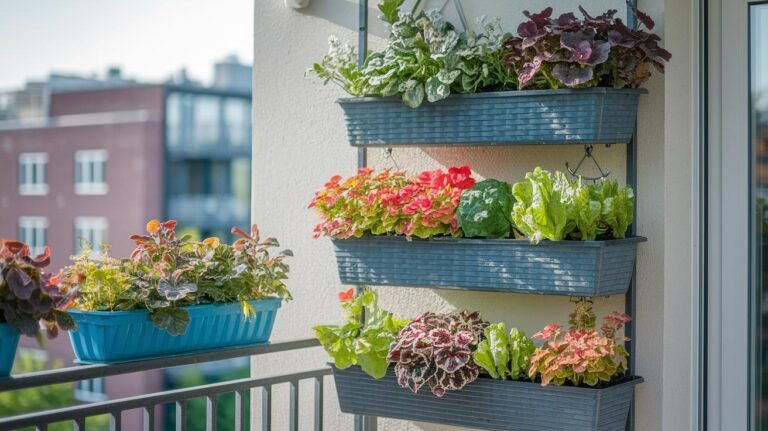
You do not need a big backyard to grow real food. I’ve pulled sweet cherry tomatoes off a plant in a three-gallon pot and cut buttercrunch lettuce from a window trough on a second-floor balcony, and the best heirloom vegetables for small organic gardens are exactly the ones bred to do that — compact plants that shrug off disease and still taste like something. Heirlooms are open-pollinated varieties that gardeners have saved and handed down for generations, which is why the flavor runs circles around most supermarket produce. This guide gives you eight varieties that earn their space, plus how to feed the soil, keep pests off without chemicals, and stretch a tiny plot into a season-long supply.
As an Amazon Associate, Backyard Superstar earns from qualifying purchases at no extra cost to you.
Eight Heirloom Vegetables Worth Growing in a Small Plot
The trick to a productive small garden is picking plants that stay compact and keep producing instead of sprawling and quitting. Every variety below tops out small enough for a pot or a short row, matures fast enough to fit a modest season, and carries the disease resistance that generations of seed-savers baked in. Here’s the shortlist I keep coming back to, with the numbers that actually matter when you’re deciding what fits.
| Variety | Days to maturity | Space & habit | Flavor |
|---|---|---|---|
| Tiny Tim tomato | 50–60 | 1–3 gallon pot, dwarf | Sweet little bursts, like a sun-warmed cherry |
| Provider bush bean | 50–60 | 12-inch row, bushy | Earthy and tender, close to spring peas |
| Buttercrunch lettuce | 30–45 | 6–8 inch spacing, loose head | Buttery leaves with a crisp snap |
| Scarlet Nantes carrot | 60–70 | 12-inch-deep bed or pot | Sweet crunch, almost no bitterness |
| Jimmy Nardello pepper | 70–80 | 5–7 gallon container | Fruity and sweet with a gentle heat |
| Lemon cucumber | 50–60 | Trellis or pot, vining | Juicy and bright, mild and round |
| Bush Slicer cucumber | 50–60 | 4–6 inch spacing, compact vine | Classic crisp crunch |
| Bloomsdale spinach | 40–50 | 4–6 inch spacing, shade-tolerant | Tender, earthy leaves |
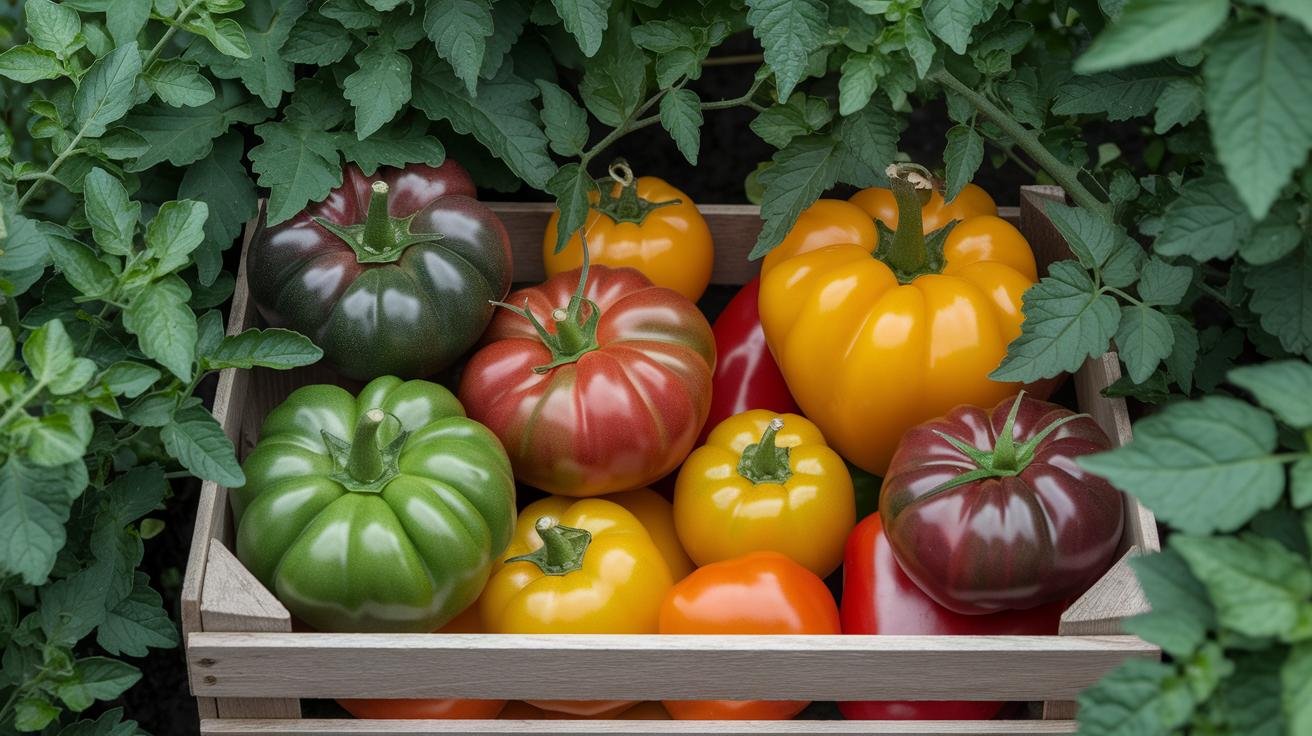
A few of these carry their weight better than the rest. Tiny Tim is the one I’d start any beginner on — it fruits in a pot on a sunny step and asks for almost nothing. Buttercrunch lettuce and Bloomsdale spinach are your fast wins, ready to cut in under six weeks and happy in the partial shade that stumps most vegetables. Jimmy Nardello is the sleeper: it looks like a hot pepper and eats like candy, and one plant in a five-gallon pot will hand you peppers into fall.
If you’d rather not chase down eight separate seed packets, a bundled kit is the easy on-ramp. The Sow Right Seeds Complete Garden Seed Collection packs 45 non-GMO heirloom varieties — Scarlet Nantes carrot and Buttercrunch lettuce among them — so you can test-drive a lot of this list from one box (premium range, $$–$$$). If you already know the two or three you want, buying individual Sow Right heirloom seed packs keeps it cheap and lets you save your own seed next year (budget range, $).
Preparing Rich, Well-Draining Soil for Raised Beds and Containers
Good soil is where a small garden is won or lost, because a pot or a short bed holds so little of it that every flaw shows up fast. Think of the mix like a sponge: it has to soak up water, drain the excess so roots don’t drown, and hold enough life to feed the plant between waterings. Start by checking pH — you’re aiming for 6.0 to 7.0, the window where heirloom vegetables can actually pull nutrients out of the soil. If a quick test reads low, work in a little garden lime; if it reads high, a dusting of elemental sulfur brings it down. It’s worth learning to test your soil pH at home before you plant rather than guessing after things stall.
Next comes the compost, and this is the step people skimp on. I mix in mature compost at roughly a quarter to a third of the total volume — about one wheelbarrow load for every three beds — and it transforms heavy soil into something light and crumbly that worms actually want to live in. For containers, skip garden dirt entirely; it compacts into a brick. A purpose-built container soil mix built on coir, compost, and perlite drains right and won’t suffocate roots in a pot.
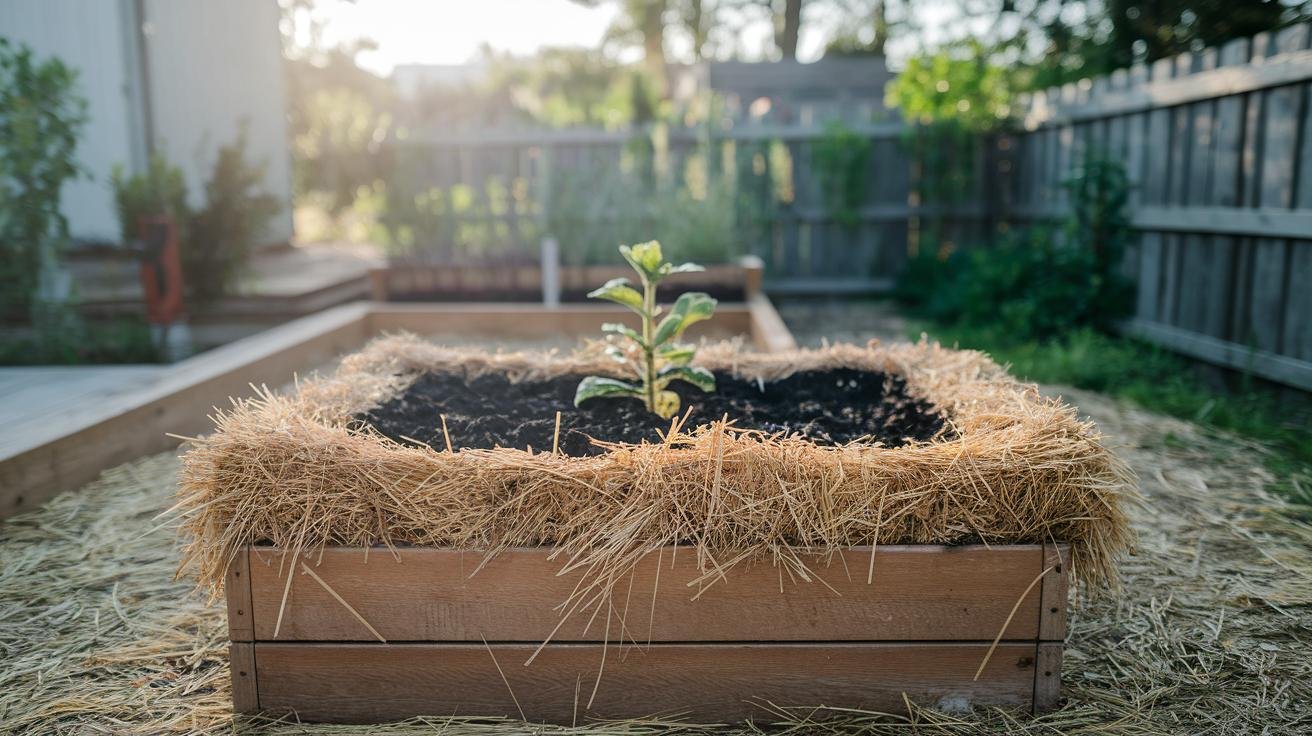
Finish by paying attention to depth. Carrots and spinach need at least a foot of loose soil to push down straight, sweet roots, so a shallow tray will hand you stubby, forked carrots no matter how good the mix is. Top the finished bed with two to three inches of straw or shredded-bark mulch to lock in moisture and shade out weed seeds, and your compact heirlooms will reward the prep with a harvest that outpaces the bed’s size.
Companion Planting That Cuts Down on Pests
In a small garden, every square foot has to multitask, and the right plant neighbors do real work — repelling pests, feeding the soil, and pulling in the insects that pollinate your crops. This isn’t garden folklore; it’s the closest thing to free labor you’ll find. A few pairings I lean on every season:
- Tomatoes with basil. Basil’s scent seems to throw off tomato hornworms, and the two happen to taste made for each other on the plate.
- Bush beans near corn or peppers. Beans fix nitrogen back into the soil, quietly feeding the heavy feeders growing beside them without a bag of fertilizer.
- Marigolds, nasturtiums, and borage around the edges. These flowers pull in ladybugs and hoverflies, the beneficial bugs that eat aphids for you.
- Dill, cilantro, or chives beside carrots and cabbage. Their strong scent confuses the caterpillars and root flies that would otherwise find your crop.
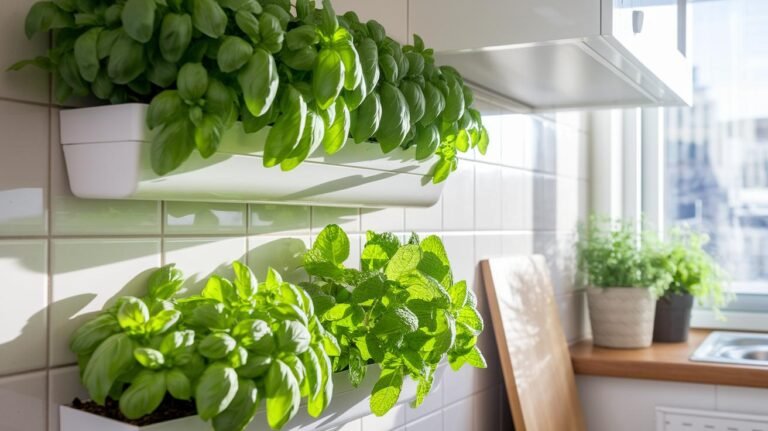
The herbs pull double duty here — companion plants in the bed and a harvest in their own right. A bundle like the Sow Right Seeds Large Herb Garden Collection covers basil, dill, chives, and more from one packet set, so you can ring your vegetables with pest-confusing scent and still fill the kitchen windowsill (budget range, $–$$). If bench space is tight, the same herbs grow beautifully in a vertical herb garden kit mounted on a sunny wall.
Organic Pest Control for a Compact Garden
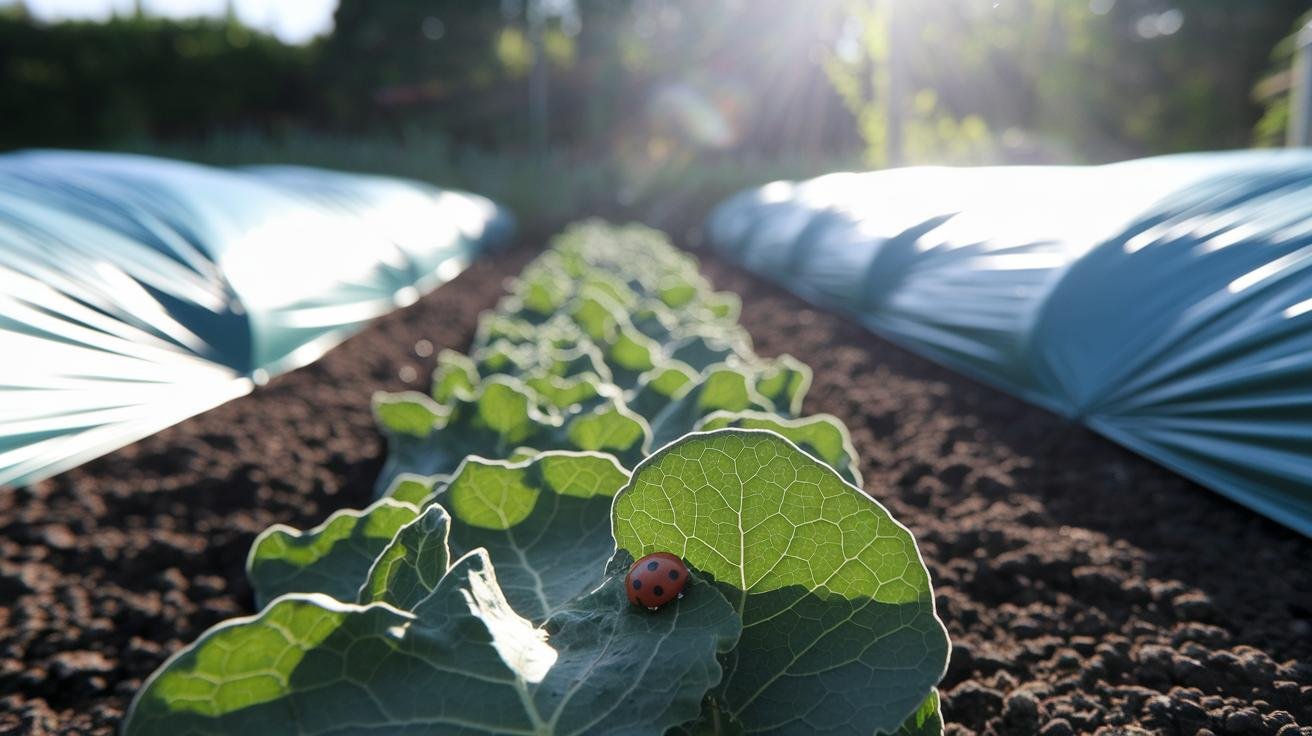
The upside of a small plot is that you can stay ahead of trouble by hand, catching a pest problem while it’s still five bugs instead of five hundred. The first line of defense is a physical barrier. Draping floating row cover or fine insect netting over young seedlings lets in sun, air, and rain while shutting out flea beetles and cabbage worms before they ever land (budget range, $). Pin the edges down tight and it does the job on its own.
When something does break through, I reach for a gentle spray before anything harsher. A weekly misting of organic neem oil or insecticidal soap coats soft-bodied pests like aphids and breaks their life cycle without poisoning the ladybugs you’re trying to keep (budget range, $). For a truly free option, a homemade garlic-and-chili spray — one smashed garlic bulb and a teaspoon of chili powder steeped overnight in a quart of water, then strained and misted on the leaves — sends most caterpillars packing.
Slugs are the exception that hand-picking handles best. Sink a shallow dish so its rim sits level with the soil, pour in an inch of cheap beer, and you’ll find the culprits drowned by morning. Flip a few leaves every couple of days while you’re out there; spotting eggs on the undersides early is what keeps a small garden from ever getting overrun.
Growing Vertical to Squeeze More Out of a Small Space
When you can’t spread out, grow up. Sending vining crops skyward is the single biggest yield trick in a small garden, and it keeps fruit off the damp ground where rot and slugs start. Lemon cucumbers and pole beans will happily climb an expandable garden trellis or a simple three-pole teepee, turning empty air into a wall you can snack from (mid range, $$).
Container choice matters just as much as what you plant in it. Heavy feeders like tomatoes, peppers, and eggplant want real root room — a pot in the 5-to-15-gallon range, not the little nursery pot they came in. Breathable fabric grow bags are my go-to for this: they air-prune the roots so plants never spiral and get pot-bound, and they fold flat for storage over winter (budget range, $). For the shallow-rooted crops, tuck lettuce and spinach around the base of taller peppers so nothing sits idle — the same logic behind choosing plants for patio containers that share a pot without fighting over it.
Harvesting and Succession Planting for a Nonstop Supply
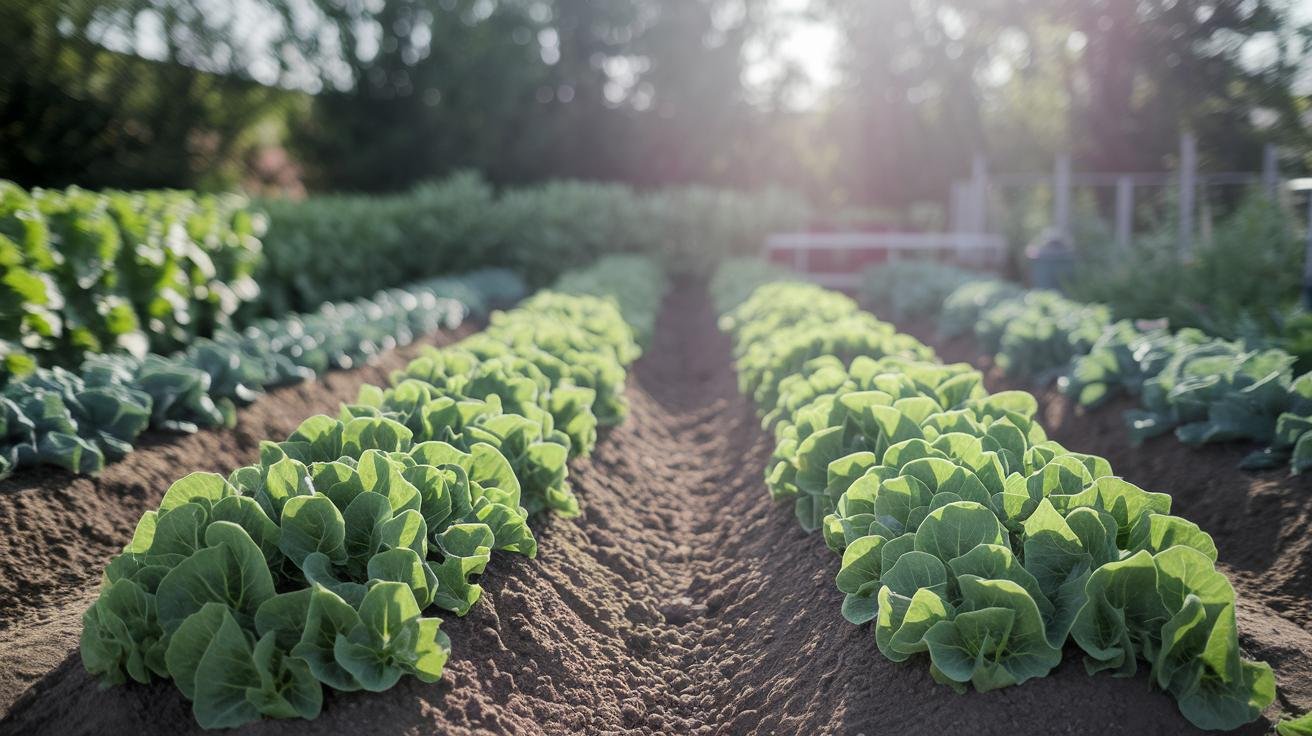
A small garden doesn’t have to mean one big harvest and then a bare bed for two months. The habit that changes everything is succession planting — sowing small batches on a schedule instead of everything at once — so a fresh wave is always coming up behind the crop you’re eating now. A few moves keep the supply rolling:
- Cut, don’t pull, your greens. Take the outer leaves of lettuce and spinach at four to six inches and leave the center; the plant keeps feeding you for weeks.
- Re-sow fast crops every two weeks. Staggered carrots, radishes, and lettuce give you steady handfuls instead of a glut you can’t eat.
- Plan a fall round. A late sowing of Bloomsdale spinach and Buttercrunch lettuce carries salads well into cool weather.
- Rotate what goes where. Move beans, then tomatoes, then greens through each bed across seasons to keep soil-borne disease from settling in.
Once you’ve got the rhythm down, it’s a short step to saving your own seed — the whole point of heirlooms is that they come back true year after year. If this list gets you hooked, the same open-pollinated approach scales up beautifully to bigger crops like growing heirloom squash once you’ve got more room to give.
Recommended Gear for a Small Heirloom Garden
As an Amazon Associate, Backyard Superstar earns from qualifying purchases at no extra cost to you.
- Heirloom seed collection (premium) — Sow Right Seeds Complete Garden Seed Collection ($$–$$$). 45 non-GMO heirloom varieties in one box — the fast way to test-drive this whole list.
- Heirloom seeds (budget) — Individual Sow Right heirloom packs ($). Buy just the two or three you want and save seed next season.
- Companion herbs — Sow Right Seeds Large Herb Garden Collection ($–$$). Basil, dill, and chives to ring your beds and repel pests.
- Container growing — Fabric grow bags (5–15 gallon) ($). Air-prune roots so tomatoes and peppers never get pot-bound.
- Vertical support — Expandable garden trellis ($$). Sends cucumbers and beans up instead of out.
- Pest barrier — Floating row cover / insect netting ($). Keeps flea beetles and cabbage worms off seedlings.
- Organic spray — Organic neem oil ($). Weekly misting breaks the aphid life cycle without harming beneficial bugs.
FAQ
What heirloom vegetables grow best in a small organic garden?
Compact, disease-tough varieties do best: Tiny Tim tomato, Provider bush bean, Buttercrunch lettuce, Scarlet Nantes carrot, Jimmy Nardello pepper, Lemon cucumber, Bush Slicer cucumber, and Bloomsdale spinach all yield well in pots or short rows.
How do I prepare soil for a small organic raised bed?
Aim for a soil pH of 6.0 to 7.0, mix in mature compost at about a quarter to a third of the volume, make the bed at least 12 inches deep for root crops, and top it with two to three inches of straw or bark mulch to hold moisture and block weeds.
Do heirloom vegetables need more care than hybrids?
Not really. Heirlooms can be a little less uniform than hybrids, but many carry strong natural disease resistance from generations of selection. Give them healthy soil, steady water, and good airflow and they perform reliably — with the bonus that you can save their seed.
Can I grow heirloom vegetables in containers on a balcony?
Yes. Choose compact varieties like Tiny Tim tomato or Buttercrunch lettuce, use 5-to-15-gallon fabric grow bags or deep pots for heavy feeders, and make sure the spot gets at least six hours of sun. Container plants dry out faster, so check moisture daily in summer.
How do I keep pests off an organic garden without chemicals?
Layer your defenses: cover seedlings with floating row cover, spray weekly with neem oil or insecticidal soap, invite ladybugs and lacewings, set beer traps for slugs, and check leaf undersides every few days to catch eggs early.
What is succession planting and why does it matter in a small garden?
Succession planting means sowing small batches of fast crops every couple of weeks instead of all at once, so a fresh wave is always maturing. In a small garden it turns limited space into a steady supply rather than one big harvest followed by an empty bed.