Plant Identification Scavenger Hunt Clues: Spectacular Fun
Imagine your next backyard walk turning into a leafy guessing game.
You might run your fingers along shiny, egg-shaped leaves (ovate leaves) that sparkle in sunlit patches. Or press your palm against rough ash bark (tree bark from an ash tree) and feel its gritty ridges up close.
And keep an eye out for pine needles that spin like little helicopters (winged seed pods twirling on the breeze). It’s almost magical when one drifts down and you watch it dance.
You’ll even spot bright yellow blooms bursting like tiny suns in the grass. Have you ever breathed in that morning-petal scent?
We’ve packed nine easy clues to guide your plant hunt. Each clue is hands-on and super fun. Even your kids will beg to join in!
Ready-To-Go Plant Identification Scavenger Hunt Clues
-
Spot a glossy green leaf shaped like an egg (ovate leaf – leaf shaped like an egg with smooth edges). It’s wider at the base than the tip. You’ll often find these in sunlit meadows or grassy fields. Have you ever felt the warm breeze brushing over one?
-
Look for a pinnate leaf (leaf with smaller leaflets on each side of a central stem). It kind of looks like a feather. This clue usually leads to an ash or walnut tree. By the way, ash bark feels rough under your fingertips.
-
Search for a bundle of five needle-like leaves (five needles on one stem). You’ll see these on pine branches up on windy hillsides. The bark is flaky and gray. Pine scent in the air is the best!
-
Find a tree with smooth, silvery bark that peels off in thin strips. Its stems shine too. They love shady garden borders or a damp woodland floor. My cat naps by one every afternoon, by the way.
-
Keep your eyes peeled for a bright yellow flower that looks just like a daisy on a sturdy green stalk. That sunny pop of color really jumps out. I swear it can brighten your day just by looking at it! This clue is a classic for any scavenger hunt.
-
Discover a deep purple bloom with petals shaped like little trumpets. Its woody stem is a bee magnet. You’ll often spot these in pollinator-friendly borders or a cozy cottage garden. Bees humming around feel like nature’s little orchestra.
-
Find those cool winged seeds called samaras (helicopter seeds) hanging in pairs from slim branches. The bark is brown and furrowed. These trees line roadsides and parkways. Let one spin in your hand like a mini rotor!
-
Spot thorny stems holding clusters of bright red berries. The leaves have sawtooth edges (serrated margin) and that sweet berry smell fills the air. You might see these making hedges along sunny paths. They look like little gems in the sun.
-
Identify a leaf made of five smaller leaflets all fanning out from one point (compound leaf). It’s a good hint you’ve found a horse chestnut tree. Those leaflets feel smooth under your touch. This one’s a showstopper in any backyard.
-
Search under a fence vine for fuzzy, heart-shaped leaves. You’ll spot tiny oval berries hinting at fruit soon. The vine climbs walls or trellises. I once found one and ended up making jam, surprise harvest!
-
Look for a simple leaf (one whole leaf, no leaflets) with smooth edges and just above it a little white flower with four petals. In spring, they nod gently across the forest floor. You’ll find them in damp, shaded woods. It’s like a soft carpet of blooms under tall trees.
-
Seek out a low groundcover with thin, needle-like leaves hugging the soil and tiny purple flowers popping up everywhere. Perfect for sunlit rock gardens or pathways. I walked on these once, so soft underfoot!
Printable Clue Card Templates for Plant Hunts
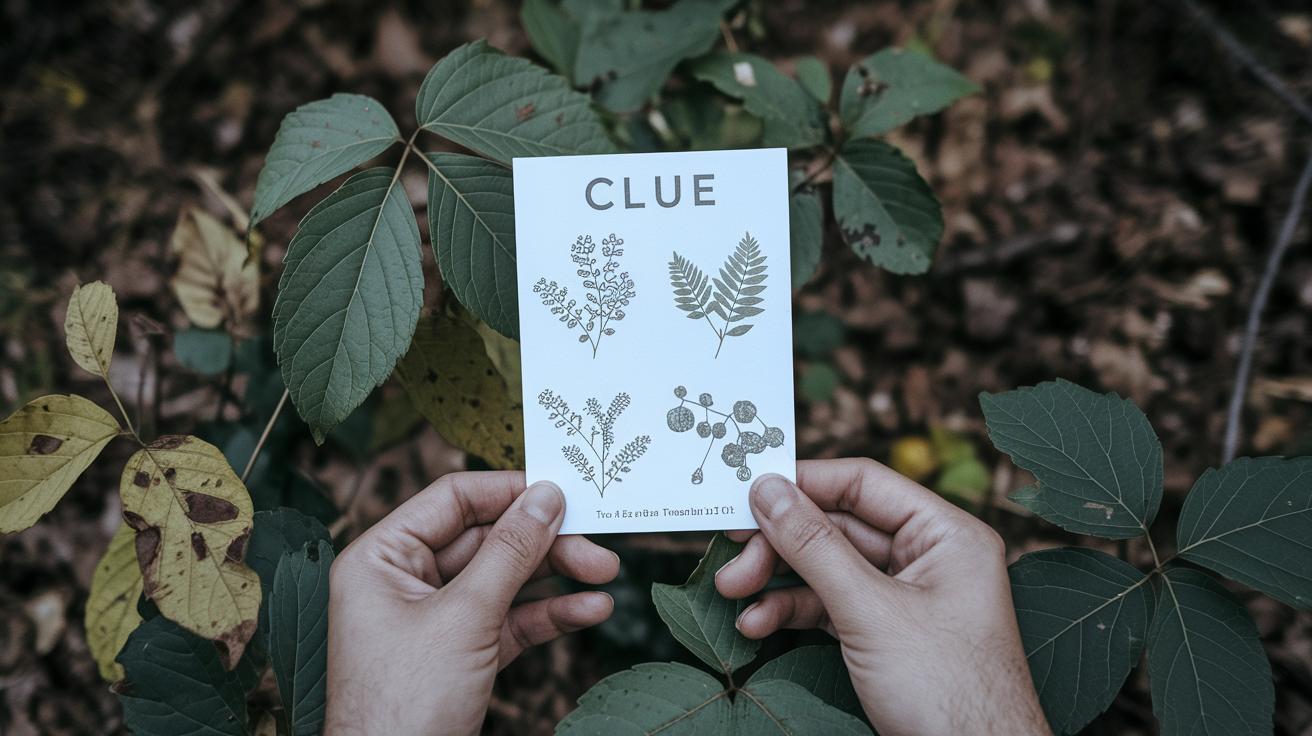
Grab your scissors and a stack of 3-by-5-inch cardstock (that’s sturdy, thick paper). These printable nature hunt cards feel fresh as morning dew. You’ll skip extra setup time and keep everyone’s hands busy. Ready to dive in?
-
Illustrated Icon Cards
A colorful PDF (digital file) packed with tiny pictures of ovate leaves (egg-shaped), pinnate leaves (leaflets along both sides), and needle-like leaves plus little habitat icons like sun, shade, or damp soil. Each card even has a blank line for your own note, ever tried sketching a leaf freehand? It makes plant spotting feel like a real treasure map. -
Fill-in-the-Blank Worksheet Cards
These cards nudge explorers to jot down common names or sketch leaf shapes. You’ll find prompts like “_____ leaf with sawtooth edges” and space to scribble flower color notes. Kids will love the chance to write or draw as they wander. And the pages stay neat, so you won’t end up with paper chaos. -
Answer-Overlay Design Cards
Print two sets, one for clues and one for answers hidden under a little fold. Flip back the flap to reveal “oak” or “maple” in simple type. It’s like opening a secret door each time you peek. Then slam it shut and race to the next clue!
All templates leave room for quick botanical sketches, a sniff test on that minty aroma, or a note about bark texture. Mix and match styles so every hunter, from first-timers to backyard pros, gets just the right challenge. Happy hunting!
Adjusting Clue Difficulty for All Ages
Want everyone to join a plant hunt? Sticky notes are a fun way to guide families or school groups as they grow more sure of their plant‐spotting skills. Use this three‐level plan and watch little eyes light up and teen explorers stay curious. You can swap in your own hints or local blooms to keep it fresh every time.
Beginner tier keeps it simple. You’ll point with a clear picture and a name everyone knows.
- Look for an ovate leaf (egg‐shaped) with smooth edges on a basswood or magnolia.
- Spot a bright yellow flower that looks like a daisy on a sturdy stem.
Intermediate tier adds some garden lingo and genus clues.
- Find a leaf with a serrated margin (sawtooth edge) hinting at a birch or elm.
- Seek a rosy bloom in the Rosaceae family (genus Rosa) with five petals and a sweet scent.
Advanced tier turns clues into little riddles with seasonal hints like phenology (seasonal life cycles) and Latin names.
- “I wake when spring suns grow warm, my petals shaped like little trumpets. My name in fancy terms is Narcissus tazetta.”
- “My stalk shoots up in damp soil by stream banks. Botanists call me Phyllostachys aurea.”
By the way, families can mix tiers, too. Hand picture clues to younger kids and wordy puzzles to older ones in the same hunt. That team effort sparks smiles and keeps every age group digging in together.
Organizing and Managing Your Plant Scavenger Hunt

So you’re ready to kick off a plant scavenger hunt. It’s like mapping a mini adventure in your backyard or neighborhood park. A little prep helps everyone stay on track, and keeps the excitement blooming.
- Choose wide, well-worn paths. They let kids and grown-ups move easily without tripping over roots or brushing against prickly leaves. Skip any steep slopes or spots where ticks like to hide.
- Set a clear time frame. A 30 to 45 minute window keeps energy high and still gets you back before naptime. Use flags or colorful cones to mark your hunt zone.
- Divide teams by age or skill. Pair younger sprouters (ages 5 to 8) with older garden buddies so no one feels stuck. Small crews of four or five work best.
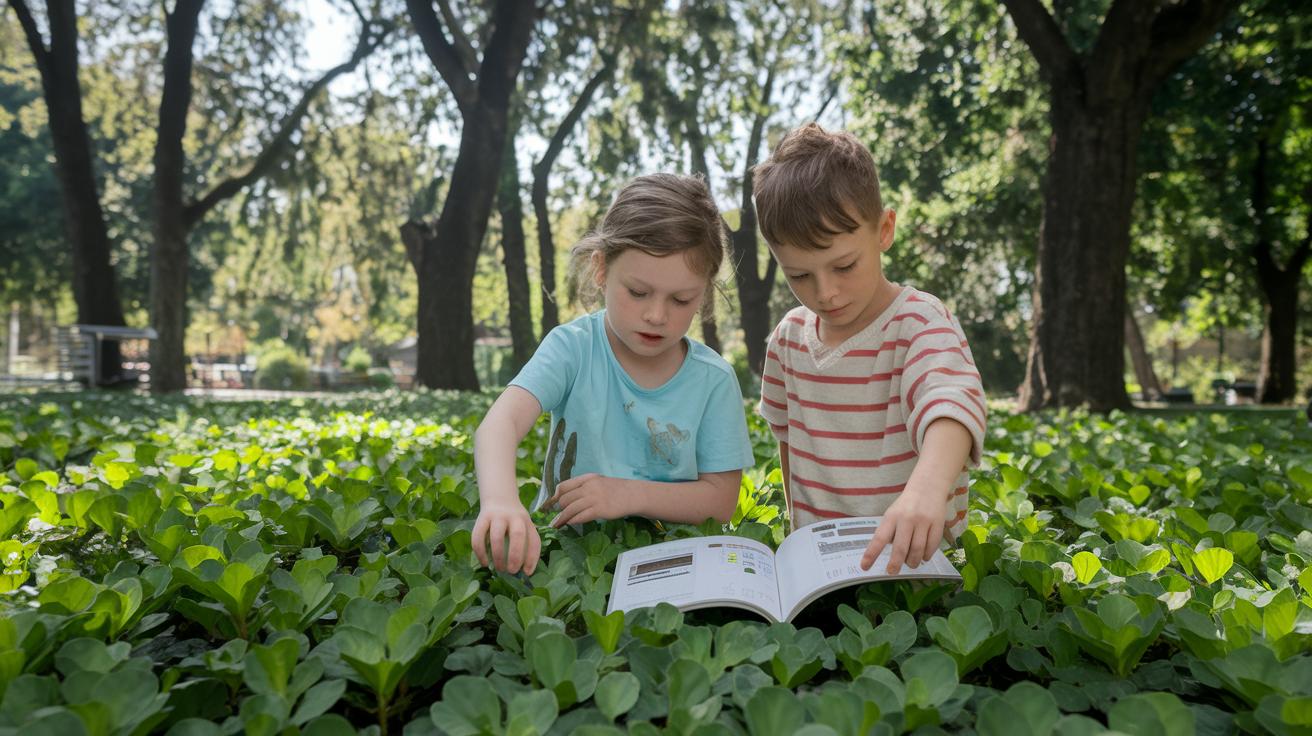
- Make simple field guides or flashcards. Draw leaf shapes, flower colors, or bark textures on cards. It turns each discovery into a high-five moment and gives curious minds a low-tech cheat sheet.
- Pack a tiny first-aid kit and safety gear. Include bandages, antiseptic wipes, sun hats, and insect spray. And don’t forget a magnifying glass, kids love peering at minute details when their feet need a break.
Before you hand out clue cards, circle up for a quick rules pep talk. Share a kid-friendly tip from garden scavenger hunt ideas for kids to remind everyone to stay on the trail and respect wildlife.
That short pep talk sets a friendly vibe and makes sure everyone plays by the same rules.
Enhancing Hunts with Digital and Photo-Based Clues
Ever wanted to turn your plant hunt into a leafy tech adventure by printing colorful cards with QR codes (those black-and-white squares you scan with your phone)? Scan them to land on pages full of plant photos, easy ID tips, and little habitat hints. Then dash off under the warm sun, hearing the soft crunch of leaves under your boots, to find your next green prize. It feels like playing detective in your own backyard.
Photo-based clue challenges
- Capture leaf venation (leaf vein patterns). Compare it to a sample image.
- Snap bark textures like peeling, furrowed, or smooth. Pair the photo with its clue card.
- Take a quick photo of the habitat – woodland floor or open meadow – to score bonus points.
GPS-guided checkpoints
- Use a free mobile app to tag spots on your route.
- Drop a pin at each clue so your map moves with you as you explore.
Here are two free apps I love
- iNaturalist helps you photograph, identify (ID), and log your finds.
- Seek by iNaturalist gives real-time species suggestions through your phone camera.
Setup tips
- Test your QR code scans in the shade and bright sun before the hunt.
- Download any map tiles or app data ahead of time so a weak signal won’t slow you down.
- Pack a portable charger – nothing kills plant-spotting mojo faster than a dead battery.
Seasonal and Habitat-Specific Plant Clues
-
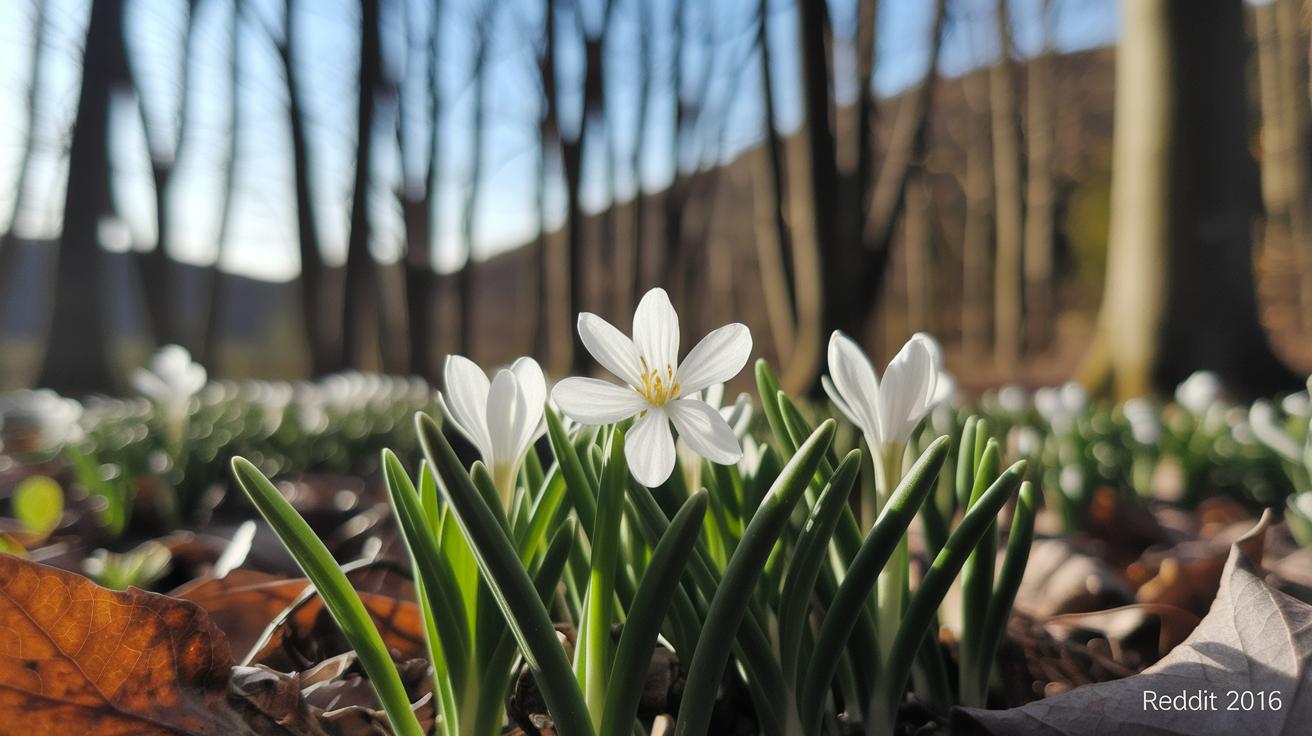
Early spring: You’ll spot nodding trillium (a woodland wildflower) under hardwood trees, its silky white petals brushing damp leaves. Tiny snowdrops (bell-shaped flowers) droop in shaded hedgerows fresh as morning dew. Have you ever noticed how they lean like sleepy bells?
-
Late spring: Wild pink violets carpet mossy banks. Their heart-shaped leaves hug the soil and petals open wide to the warm sun.
-
Summer: Bright pink coneflowers rise in sunny pollinator beds. Their brown cone centers buzz with butterflies sipping sweet nectar. Wow.
-
Fall: Tiny oak and maple seedlings pop up in open meadows, their small leaves soaking up golden sunlight. Red maple leaves glow as they drift along winding woodland trails.
Answer Keys and Educational Extensions
Hey garden friends, here’s a quick cheat sheet for our plant scavenger hunt. You can print it or share it on your phone. It shows each clue, the plant’s common and scientific name, what to look for, and where you’ll find it. Let’s get growing.
| Clue | Common & Scientific Name | Key ID Features | Habitat Notes |
|---|---|---|---|
| Winged samaras spinning like little helicopters | Silver Maple (Acer saccharinum) | Paired seed wings, toothed leaf edges | Moist riverbanks or floodplains |
| Clusters of bright red berry fruits | Hawthorn (Crataegus monogyna) | Glossy leaves with shallow lobes, thorny branches | Sunny hedgerows and old fields |
| Flaky, patchy bark peeling in papery strips | Paper Birch (Betula papyrifera) | Smooth white bark beneath flakes | Cool, shaded woodlands |
| Smooth, grayish bark shining in dappled light | Beech (Fagus grandifolia) | Silky bark, simple leaves with wavy margins | Rich forest understories |
| Elongated pods snapping open to release silky seeds | Milkweed (Asclepias syriaca) | Opposite leaves, large seed pods with floss | Open meadows and roadside ditches |
Once your hunt wraps up, try these hands-on extras:
- Leaf-rubbing art (place paper over a leaf and gently shade with a crayon to reveal veins, the tiny tubes that carry water)
- Seed collection fun (sort seeds by shape and size, then label jars so you can study them later)
- Nature journaling (sketch your finds and jot down colors, textures, even the earthy scent under your nose)
- Pressed flower herbarium (sandwich petals in paper, press under heavy books, then mount them in a journal)
These little projects help you remember discoveries, lock in fancy plant names, and keep green thumbs busy long after the hunt. Have fun exploring!
Final Words
We jumped into 12 plant identification scavenger hunt clues that point out leaf shapes, bark textures, flower hues, seed forms, and habitat hints. Each clue helps you spot plants in a playful way.
We shared three printable clue card templates and tips to tune difficulty for kids and grown-ups. Next, we covered how to set up your hunt, add photo or app tasks, and swap clues by season.
We finished with answer keys plus fun extras like leaf rubbings. Now grab your cards, gather the family, and hit the backyard with your plant identification scavenger hunt clues. Happy hunting!
FAQ
What are effective plant identification scavenger hunt clues?
Effective plant identification scavenger hunt clues describe leaf shapes (ovate, pinnate), bark textures (smooth, flaky), flower colors, seed types, and habitat hints to guide participants directly to each species.
How can I use printable clue card templates for plant hunts?
Printable clue card templates for plant hunts offer 3×5 inch PDF cards with icons for leaf shapes and habitats, fill-in-the-blank worksheets, and answer-overlay designs ready for notes and botanical sketches.
What tips help adjust clue difficulty for families and kids?
Adjust difficulty across three levels: beginner clues use visual cues and common names; intermediate clues introduce botanical terms like serrated margin and genus hints; advanced clues present riddles with Latin names and phenology details.
How do I organize and manage a plant scavenger hunt?
Choose a safe, accessible route and set time limits. Group participants by age, brief them on rules, provide field guides, and pack first-aid supplies for a smooth outdoor experience.
What digital tools or clues can enhance plant hunts?
Use QR codes linking to species profiles, photo-capture tasks for leaf veins or bark, GPS-guided checkpoints via free apps, and mobile-friendly scavenger hunt platforms.
Which seasonal and habitat-specific plant clues work best?
Tailor clues by season and habitat: spring white woodland blooms, summer broad-lobed leaves, autumn red maple leaves, winter bark furrows, plus pollinator favorites like lavender and coneflower.
How can I prepare answer keys and post-hunt activities?
Create a table listing each clue’s common and scientific names, key ID features, and habitats. Extend learning with leaf-rubbing art, seed collections, journaling, and pressed flower projects.