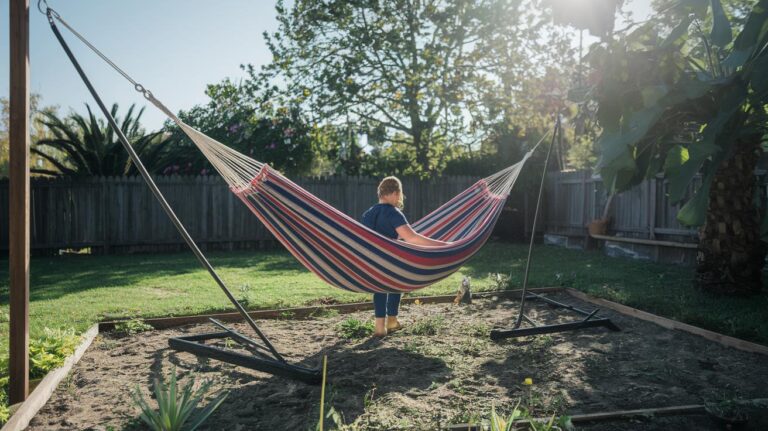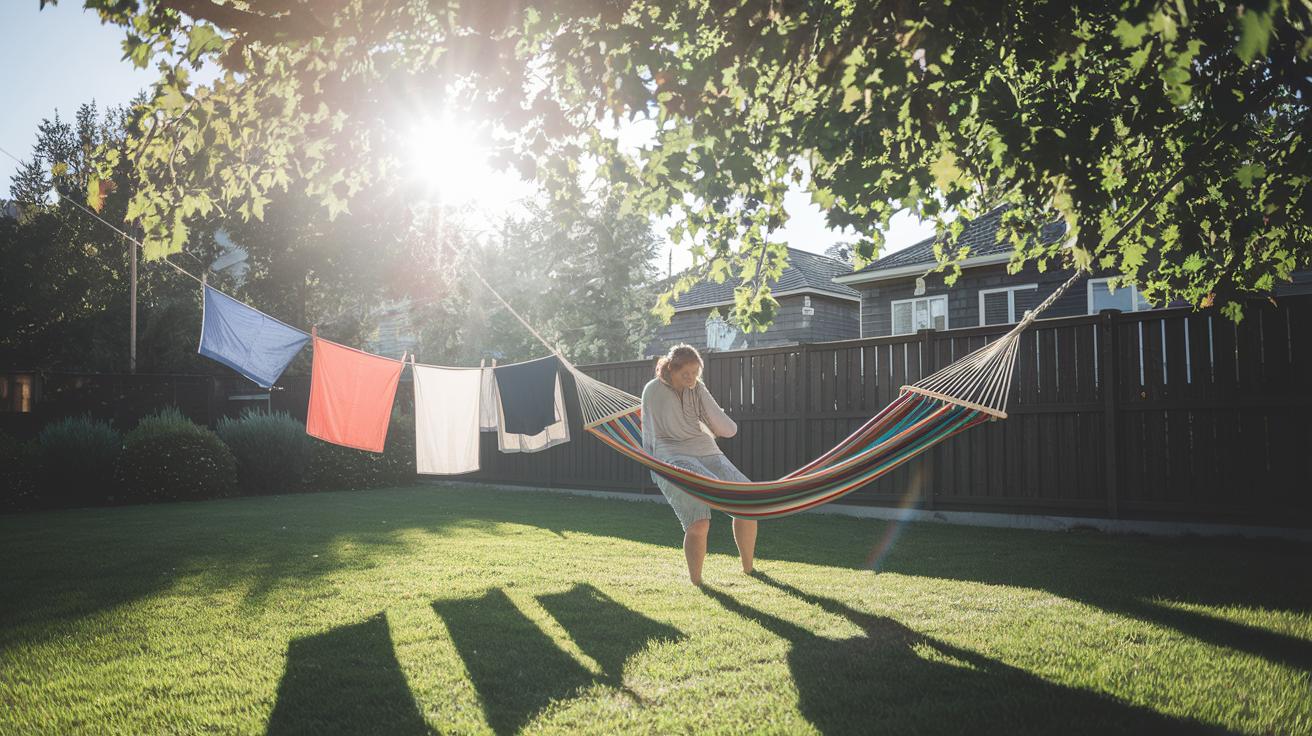
How To Clean And Maintain A Backyard Hammock Effortlessly
You ever flop into your hammock only to find it coated in dirt? I feel you. My cotton sling once looked like it hosted a mud party.
But here’s the trick. Grab mild soap and warm water. Spot-scrub those grimy patches (that’s cleaning just the dirty spots).
Um, next rinse off the suds with a gentle stream or a damp cloth. No soap suds hiding in the fibers, right?
Then hang your hammock in a shady breeze to air-dry. You’ll know it’s done when the fabric feels soft again.
These steps work on cotton, canvas (thick outdoor fabric), nylon (durable synthetic fiber), or rope (twisted strands that hold you).
Follow this simple routine, and your backyard retreat will be ready for every sunset swing.
Complete Guide to Cleaning and Maintaining Your Backyard Hammock
First, figure out what your hammock is made of. Is it cotton (soft, plant-based fiber), canvas (a strong cotton cloth), nylon (lightweight synthetic fiber) or rope (twisted strands)? Each material needs a bit of its own TLC.
- Spot-clean
Mix mild detergent with warm water until it’s soapy. Dip a soft brush or cloth in and gently scrub spots on cotton and canvas. Avoid bleach so the fibers stay sturdy. Oops, I once dripped cleaner on the patio, no harm done, though. - Full wash
If your cotton, canvas or nylon hammock is machine-safe, take off the spreader bars (wood rods that keep the hammock open) before tossing it in. Run a gentle cycle with mild soap and cool water to keep everything in shape. - Dry fully
Hang your hammock in a shady, breezy spot. Let each strand air-dry completely, usually in 6 to 12 hours, so you don’t trap mildew. Direct sun can fade colors and weaken the fabric. - Inspect and store
Check every hook, chain link and rope for rust or frays. Brush off any rust flakes, rub a drop of lubricant on metal parts, then fold or roll the hammock into a cool, dry pouch. I once found a tiny tear, fixed it before it got worse.
Try these steps every 3 to 6 months, depending on how often you swing. Stick to a simple routine and your hammock will stay clean, strong and ready for your next lazy afternoon.
Selecting Effective Cleaning Methods for Each Backyard Hammock Material
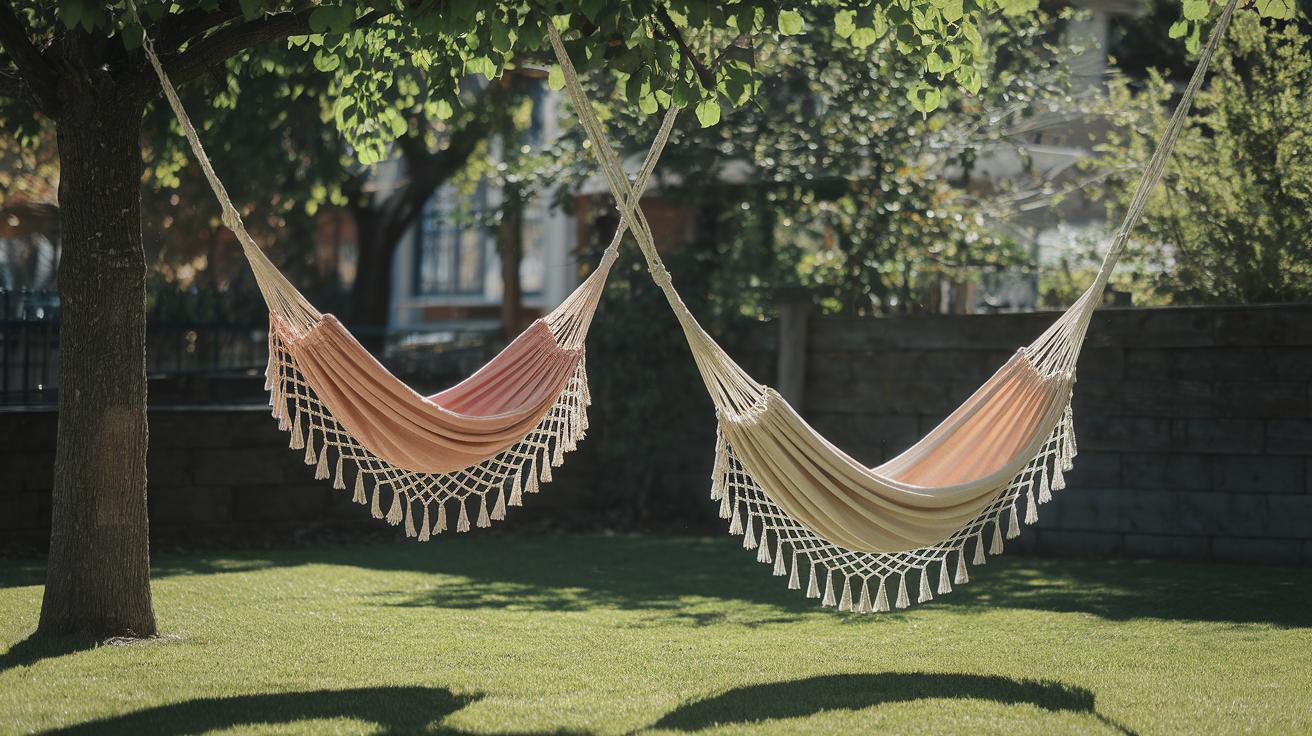
Cotton and Canvas
Cotton and canvas (heavy cotton fabric) cradle you like a soft hug on a sunny afternoon. For little spots, mix a squirt of mild soap into warm water until it foams, then use a soft brush or cloth to gently lift away dirt. Have machine-safe on the tag? Pull off the wooden spreader bars, toss the hammock into a cool, gentle cycle, and let it swirl with care. Skip bleach or brighteners, those can rough up the threads and steal that cozy feel.
Nylon
Nylon (strong synthetic fabric) loves a gentle spin in the washer. Tuck it into a mesh laundry bag or pillowcase to keep the fibers happy, add a hypoallergenic detergent, and choose a cool rinse with a soft cycle. When it’s done, lay it flat to air-dry, no tumbling. That way your hammock stays stretchy and smooth for your next backyard nap.
Rope
Rope hammocks deserve a little spa day. Fill a big tub with warm water and a bit of mild soap, then swirl each strand like you’re massaging out the day’s dirt. Rinse under clear water until all the suds are gone. Press out extra moisture by hand, no wringing or twisting, or you’ll end up with tangled or stretched ropes.
Material-Specific Tips
- Rope hammocks: soak in a tub, swirl gently, rinse until water runs clear
- Nylon hammocks: tuck into a mesh bag, use hypoallergenic detergent, cool gentle spin
- Top soap picks: Castile soap, eco-friendly soap bar, phosphate-free dish soap, baby shampoo
Removing Mold, Mildew, Odors, and Stains from Your Backyard Hammock
Mold and mildew love to snuggle into the soft yarn of your hammock, leaving dark spots and a musty scent. If you let them hang around, they’ll turn your cozy retreat into a no-go zone. But don’t worry, it’s easier than you think to freshen things up.
-
Mix one part white vinegar (natural cleaning liquid) with four parts water. Pour it into a spray bottle, mist the problem areas, and let it sit for 15 to 20 minutes. Then grab a soft brush, scrub in gentle circles, and rinse until the water runs clear.
-
While the fabric is still damp, sprinkle a thin layer of baking soda (a gentle deodorizer) over the smelly spots. Let it soak up odors for a few hours, maybe while you sip iced tea nearby. Shake or brush off the powder before you move on.
-
Got stubborn stains that refuse to budge? Fill a tub with cool water and add oxygen bleach (follow the label directions). Submerge your hammock for the recommended time, then rinse thoroughly until there’s no trace of suds or bleach left.
-
For tiny trouble spots, mix baking soda and water into a paste or drop in a bit of mild soap. Gently rub the paste in circles using a soft cloth. Rinse away the residue, and marvel at that stain disappearing before your eyes.
Once you’ve tackled spots and smells, toss the hammock into a gentle machine wash cycle if the care tag says it’s safe. Always rinse well so no vinegar, soda, or bleach hide in the fibers. Then find a shady, breezy spot to air-dry it fully, warm sun and wind will whisk away any lingering dampness and keep mildew at bay. Aim to repeat this freshening routine every three to six months, or sooner if you spot new spots or catch a musty whiff. Your hammock should feel like a clean, comfy cloud ready for your next lazy afternoon.
Best Practices for Drying, Weatherproofing, and Storing Your Backyard Hammock
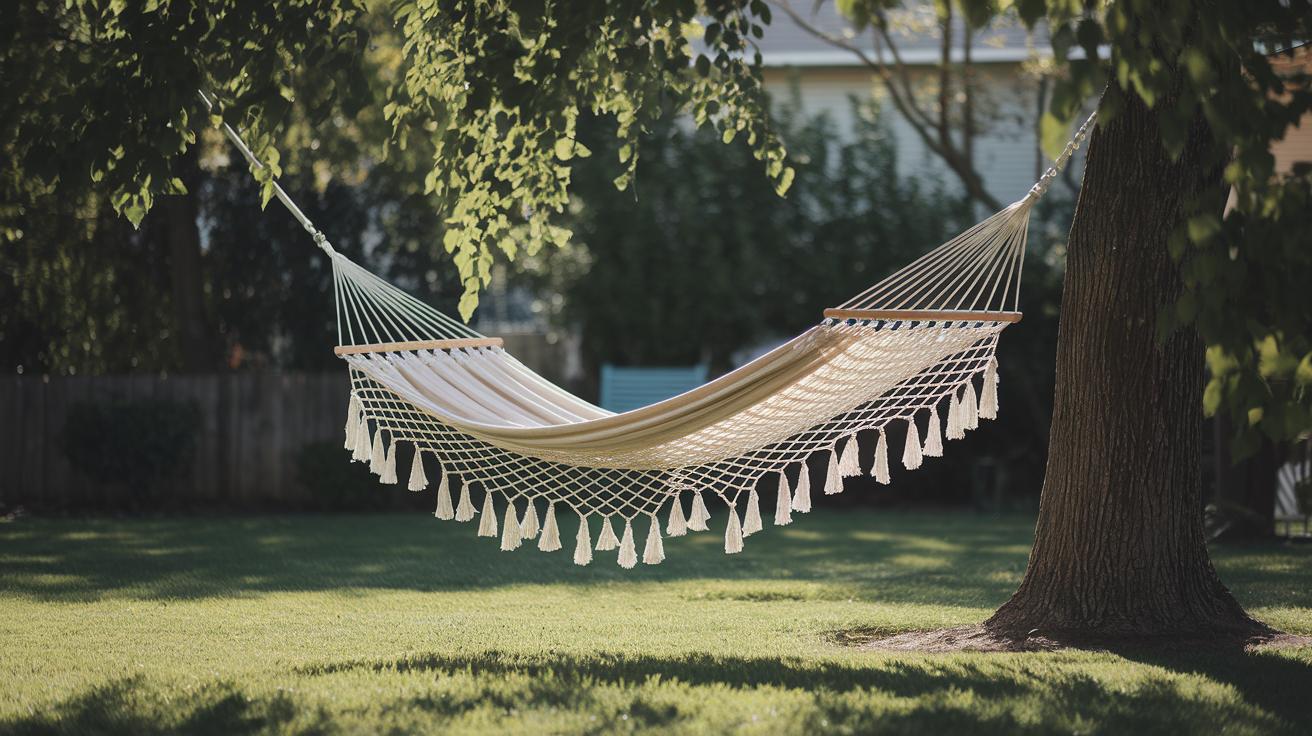
First, inspect your hammock. Make sure it’s clean and bone dry before you tuck it away. I usually hang mine on a warm, breezy afternoon and wait until I can’t feel a single damp spot. Moisture invites mildew, yuck.
And when it’s dry, give it a quick refresh with an outdoor-fabric weatherproofing spray (a spray that adds a protective seal against rain and stains). Hold the can about 8 inches away and mist lightly. Let it dry fully; that cure time helps the spray stick.
I do this every spring and again in fall so it stays happy. By the way, my neighbor’s cat once used my hammock bag as a napping spot, fuzzy paws and all. But finally, when you’re ready to pack it away for the season, fold or roll it up gently.
Slide it into a breathable sack (a bag that lets air pass through) so it doesn’t sweat. Tuck it into a cool, dry spot in your garage or closet. No damp basements, trust me on this.
Do’s
- Mist with weatherproofing spray every 3-6 months
Don’ts
- Don’t fold or store until the spray is completely dry
Inspecting and Maintaining Backyard Hammock Hardware and Accessories
Grab all your rust-fighting gear: metal hooks, eye bolts (metal loops for hanging), chains, a wire brush (stiff bristles), an old rag, and light machine oil (thin oil that keeps metal parts moving smoothly). I spread mine out on the deck where the sun can warm them up.
Run your fingers over each hook and bolt. Feel for rough spots or those tiny red flakes that shout, “Hey, rust is here!” It’s like a little treasure hunt, only you don’t want what you find.
Now take that wire brush and gently scrub each link’s curve. Aim to knock off any flaky bits without digging into the metal. Go slow. Patient strokes win the day.
Wipe everything down with your damp rag. Then drop a bit of machine oil at each joint, just enough to see a thin shimmer. Ah, smooth as silk.
Next, lay your hammock flat on the lawn. Grab each support rope (thick cord) and strap (flat belt-like band) and give them a gentle tug. Watch for frayed threads, tiny cuts, or dark mold spots that want to settle in.
Mix a little mild soap with water in a bucket. Scrub moldy patches on the ropes with a soft brush, rinse until the water runs clear, then squeeze out extra moisture and let them air-dry. It’s like giving your hammock a bubble bath.
Once the ropes are dry, spray on a fabric-safe mold inhibitor (it’s like sunscreen for your cords). Swap any threads that look too thin or worn, you don’t want a surprise mid-swing.
Finally, pack all your hardware and ropes into a ventilated bin or a breathable bag. Keep it out of damp basements or humid sheds so rust and mold don’t sneak back.
Tackle this routine every spring and fall, or right after a big rainstorm. A little care now means no squeaky hooks and no mid-swing mishaps.
Creating a Seasonal Maintenance Checklist for Your Backyard Hammock
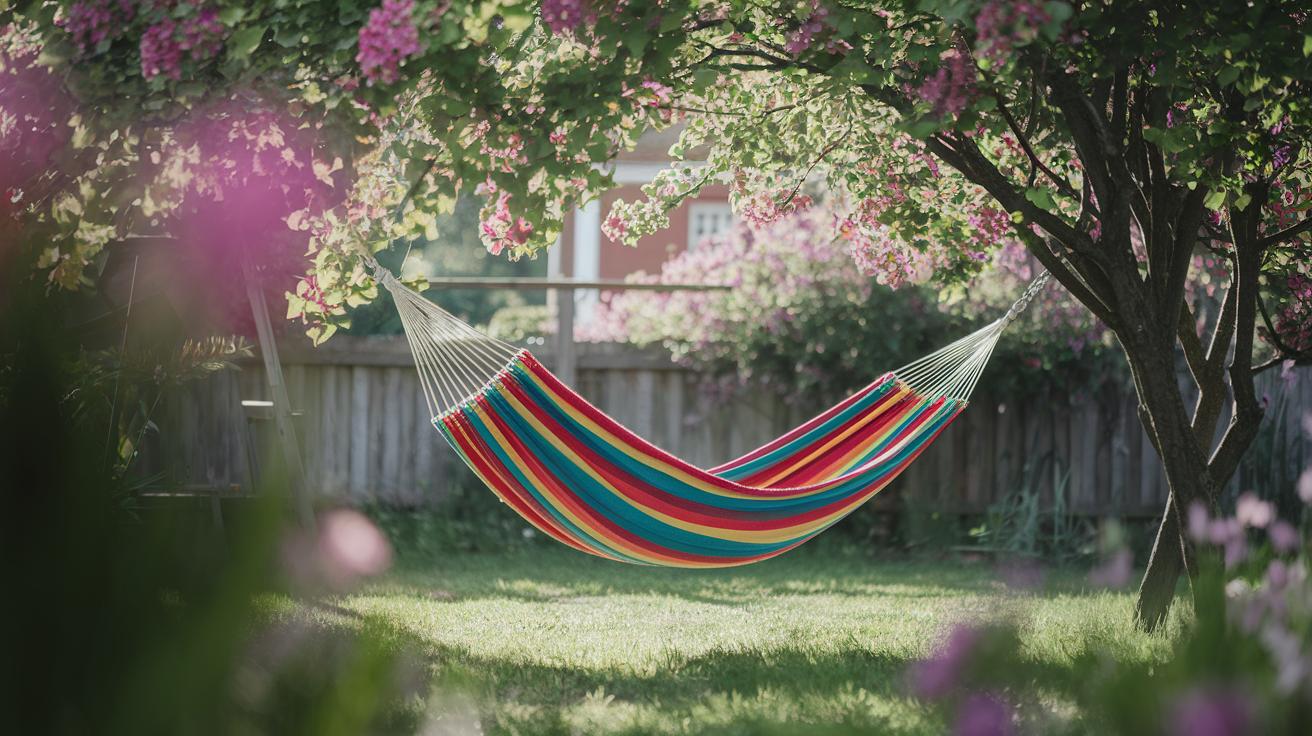
Seasonal care at a glance – scroll down for step-by-step tips.
| Season | Task | How Often |
|---|---|---|
| Spring | Deep-clean fibers, reapply UV-resistant spray (spray that blocks sun damage) | Once |
| Summer | Spot-clean spills, inspect hardware (metal hooks and chains), refresh weatherproofing (rain shield) | Every 3 months |
| Fall | Wash off leaves and dirt, check for rust, add protective spray (anti-rust cover) | Once |
| Winter | Store indoors in sealed bag or bin (sturdy box) | Season long |
Spring calls for a good scrub. Mix warm water and mild soap, give the fabric a gentle rub, then rinse it clean. Next, spray on a UV-resistant spray (spray that keeps sun rays from fading fabric). It only takes one session, but it keeps your hammock feeling bright and new. By the way, have you ever sniffed a hammock fabric dried by a spring breeze?
Summer’s all about quick fixes every few months. Spot-clean any spills with a damp cloth, then peek at the hardware (metal hooks and chains) for rust or wear. A little rust remover and a fresh coat of weatherproofing (rain shield) spray are all you need. I do this while sipping lemonade in the shade, works like a charm.
When fall days turn crisp, brush off leaves and dirt first. Inspect every metal bit for rust, then spritz on a protective spray (anti-rust cover). This simple step means no surprises when winter chills hit. Trust me, it’s worth it.
Winter storage is easy. Fold up your hammock, tuck it into a sealed bag or bin (sturdy box), and store it indoors. My garage gets the job done. That way, when spring rolls around, your hammock is ready for action.
Final Words
In the action of caring for your backyard hammock, you’ve learned how to pick the right cleaning method and treat spots and stains.
You also know to air-dry in shade, weatherproof and store it, inspect hooks and ropes, and follow a seasonal checklist.
Keep those steps on your calendar every three to six months so mildew, fading, and rust stay away.
With this roadmap, you’re set to enjoy cozy swings all year, and you’ve mastered how to clean and maintain a backyard hammock for stress-free lounging every time.
FAQ
How often should I clean and maintain my backyard hammock?
Backyard hammocks should be cleaned and inspected every three to six months to prevent mildew buildup, fabric thinning and rust, so you enjoy fresh, safe lounging all season.
What are the basic steps for cleaning a backyard hammock?
Cleaning a backyard hammock involves spot-scrubbing with mild detergent, washing according to fabric type, air-drying in shade, and inspecting hardware before storage for a thorough refresh.
How do I choose cleaning methods based on hammock material?
Selecting cleaning methods based on hammock material means spot-washing cotton and canvas with mild soap, machine-washing nylon gently, and hand-washing rope hammocks in a tub to avoid tangling.
How can I remove mold, mildew, or odors from my hammock?
Removing mold, mildew or odors from a hammock uses a vinegar solution soak, gentle scrubbing, a baking soda odor treatment, or an oxygen bleach soak, followed by a thorough rinse to clear residues.
What is the best way to dry, weatherproof, and store a backyard hammock?
Drying, weatherproofing and storing a backyard hammock means air-drying in shaded airflow, spraying with an outdoor-fabric protector every three to six months, then tucking it into a breathable sack in a cool, dry spot.
How do I inspect and maintain hammock hardware and supports?
Inspecting and maintaining hammock hardware and supports involves checking hooks, chains and ropes for rust or frays, brushing off corrosion, applying light oil to metal, replacing worn ropes, and using a mild mold inhibitor.
What seasonal maintenance does my backyard hammock need?
Seasonal maintenance for a backyard hammock includes quarterly cleaning and inspections, winter storage indoors or sealed to block moisture and freeze, plus spring deep-cleaning and UV-protector reapplications for year-round durability.