How To Save Heirloom Tomato Seeds For Next Season Easily
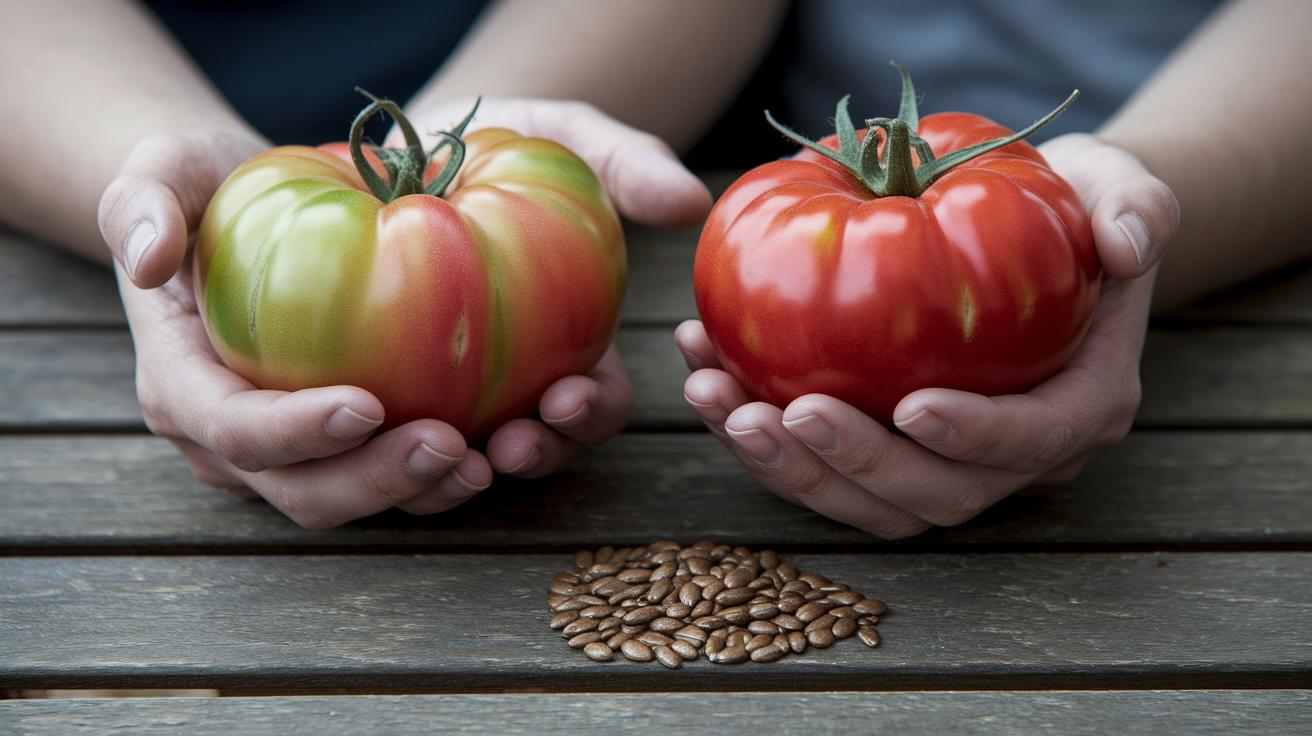
Have you ever bitten into a warm, juicy heirloom tomato and wished you could plant that same flavor next year? It sounds dreamy, right?
Most people toss out those ripe seeds. They figure saving seeds is a big science project only pros can handle.
I used to toss mine too. Then I learned that a little fermentation (when natural juices break down in a jar) and simple air-drying (letting seeds sit out in open air) turns those slippery seeds into garden gold.
In this short guide, I’ll walk you through each step. From picking the plumpest fruit to testing if seeds will sprout, you’ll enjoy your favorite tomato traits season after season with zero fuss.
Quick-Start Overview: Saving Heirloom Tomato Seeds
Have you ever savored a sun-warmed tomato at the peak of ripeness? Saving heirloom seeds preserves that juicy flavor and those one-of-a-kind plant traits for next season. It’s a simple kitchen-to-garden experiment that keeps your favorite tomato memories alive.
Here’s the short-and-sweet seed-saving dance:
- Choose fully ripe heirloom tomatoes that look plump and smell sweet (no bruises).
- Scoop out seeds with their slippery gel coat into a clear jar.
- Let the mix ferment (you’ll see tiny bubbles) for 2–4 days at room temp to break down that coating.
- Rinse seeds under cool water, then spread them on a paper towel in a shady, airy spot until bone-dry, about 7–10 days.
- Tuck dry seeds in an airtight container with a little desiccant at 40–50°F. After a week or two, test a handful by sprouting them on a damp paper towel for 7–14 days to see how many wake up.
Now you’re set to save tomato seeds year after year! Happy seed saving, and here’s to many juicy summers ahead.
Explore more seed saving steps in Choosing the Best Heirloom Tomatoes for Seed Saving; Extracting and Fermenting Tomato Seeds; Cleaning and Drying Your Heirloom Tomato Seeds; Storing Heirloom Tomato Seeds for Longevity; Testing Germination and Avoiding Common Mistakes with Heirloom Tomato Seeds.
Choosing the Best Heirloom Tomatoes for Seed Saving

First, wander through your patch and find the ripest fruits. Look for fruit that glows with deep color – scarlet on reds or sunshine yellow on golds. Give each tomato a gentle squeeze. You want it firm but springy, since under- or over-ripe tomatoes can give weak seeds that may not sprout (germination rate, chance seeds will sprout).
Oops, I once grabbed a squishy one by mistake.
Here’s a tip for seeds that taste just like the originals: choose open-pollinated heirlooms (plants that breed true). These tomatoes pass on their parent traits to the next batch. Hybrids look great on your salad but they won’t breed true, so your next batch might surprise you in weird ways.
Before you slice into a tomato, inspect it for blemishes, spots, or mold. Bad fruit can carry fungus or rot into your saved seeds. Toss anything with sunken areas or weird patches, no one wants tomato slime in their garden, right?
But wait, to keep your seed lines pure, you’ll need to block cross-pollination. Space different types at least 10 feet apart or cover their flowers with fine mesh bags. This stops bees from sneaking pollen between varieties.
Pure seeds grow true to type.
Extracting and Fermenting Tomato Seeds
Extracting Seeds
Grab a ripe tomato and slice it crosswise so you get neat round circles. You’ll smell that fresh tomato scent, yum. Scoop the seeds and slippery pulp (the juicy inside of fruit around seeds) into a clean jar. Getting that pulp in there is key because fermentation (the process where natural yeasts break down the slimy seed coat) needs some juice to get going.
This trick keeps your counter clean and gathers everything in one spot. Now you’re all set for the next step.
Fermentation Process
Cover the jar loosely with a lid or coffee filter and tuck it in a spot that stays around 65–75°F (18–24°C). Let it sit for 2 to 4 days. You’ll see tiny bubbles and a thin mold film on top. That tells you the gel coat (the slimy layer that slows sprouting) is breaking down. Stir gently once a day with a spoon or chopstick to pop up any floating bits.
When that film forms, fill the jar with water, swirl gently, and pour off the floating pulp and bits. Keep rinsing until only clean seeds settle at the bottom like little cream-colored beads, this step also helps zap seed-borne nasties. Let the seeds settle again, drain off the extra water, and you’re all set to dry them for storage. Oops, once I left mine too long and it got super stinky, ha!
Cleaning and Drying Your Heirloom Tomato Seeds

Rinsing Seeds
After fermentation (when natural yeasts break down tomato pulp), have you ever watched seeds swirl in clear water? You’ll need a fine-mesh sieve (a strainer with tiny holes) and a gentle stream of cool water. Pour your seed-and-pulp mix into the sieve and softly stir with your fingertips or a spoon. You’re scrubbing off the slippery gel. Keep rinsing until the water runs clear and only little, creamy seeds tumble around.
Setting Up Drying Area
By the way, pick a nonstick surface like a coffee filter, paper towel, or silicone tray. Spread seeds in a single layer so air can float around each one. Crowding locks in moisture and invites mold. Find a shady, breezy corner away from direct sun and high heat. Aim for about 60 to 80°F and low humidity (dry air). Every day, give your seeds a quick flip to help with dehydration (the drying-out process). In 7 to 10 days you’ll hear them rattle like tiny pebbles, proof they’re bone dry. And just like that, you’ve got crisp, mold-free seeds ready to sprout next season. Oops, if the air feels too still, set a small fan on low to keep things moving.
Storing Heirloom Tomato Seeds for Longevity
When your seeds feel dry and crisp and you can hear them rattle, it’s time to tuck them away. Use a clean jar or a paper envelope made just for seeds.
Airtight spots keep damp air from sneaking in and turning your hard work into a moldy mess. Try one of these easy options:
- A glass jar with a screw-top lid.
- A sealed paper envelope inside a small plastic bag.
- A vacuum-sealed pouch that pulls out extra air.
Toss in a small packet of silica gel (drying beads) or a pinch of dry rice. They soak up stray moisture so you won’t find fuzzy mold or surprise sprouts later.
Label every jar or envelope with the tomato variety and the date you saved the seeds. I like a waterproof pen on masking tape or right on the glass so it stays clear in cool, damp spots. By the way, my cat once nudged a jar off the table. Thankfully it was empty.
Find a cool spot between 40 and 50°F, like a fridge drawer or a dark shelf in your root cellar. Low light and steady chill help seeds rest happily for 4–6 years.
Yes. They wake up slower if you wait too long.
Want to plan your next planting run? Check the seasonal organic vegetable planting calendar for dates that match your region’s sweet spot.
Testing Germination and Avoiding Common Mistakes with Heirloom Tomato Seeds
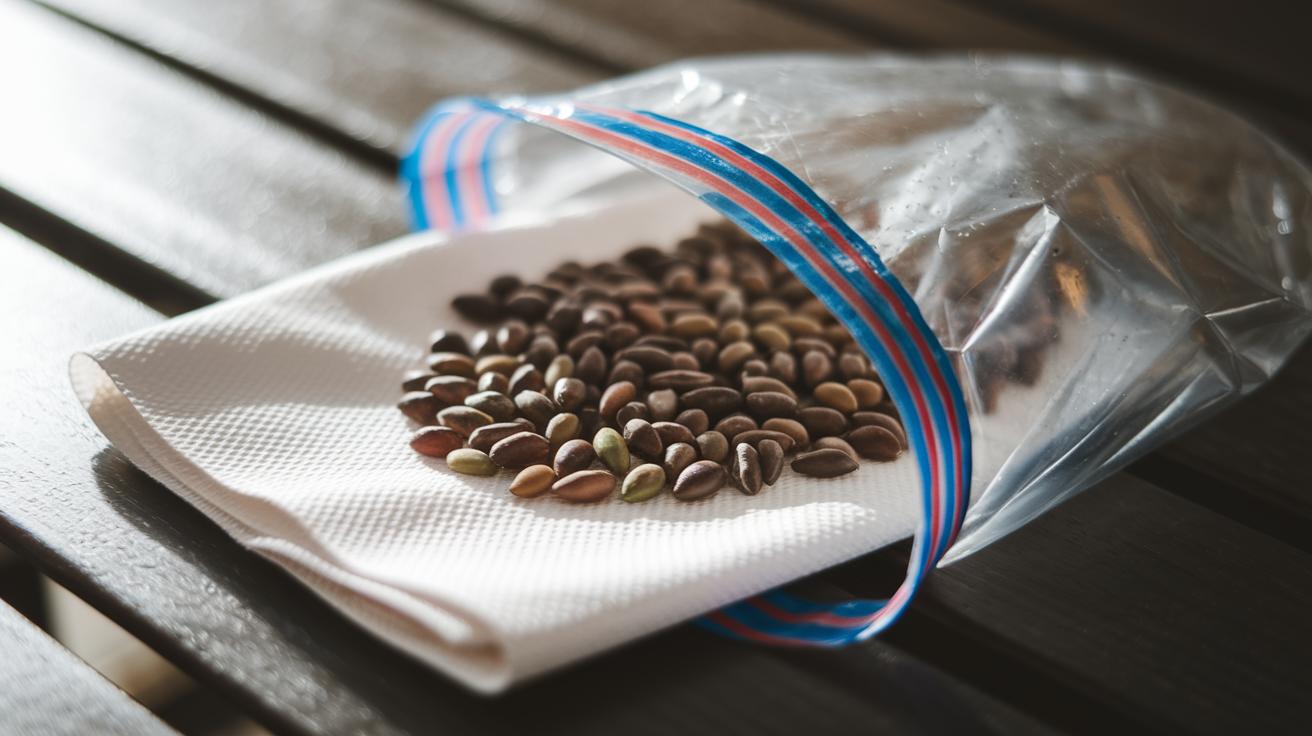
Let’s set up a simple germination test. Lay ten heirloom tomato seeds on a damp paper towel (moist but not dripping). Fold it over and slide it into a resealable plastic bag. Tuck the bag somewhere cozy that stays around 70-80°F, like a warm shelf.
In about a week or two, gently open the bag. You should spot tiny white roots on the seeds. Count how many sprouted. Divide that number by ten, then multiply by 100. That gives you the germination rate (the percent of seeds ready to grow).
This little test shows if your seeds are lively enough for planting. And it flags any sleepy seeds before you waste dirt on them.
Keeping the towel just right is key. Too wet invites rot. Too dry keeps them snoozing. A quick day-seven check helps you catch moisture troubles early.
Watch for these common slip-ups:
- Skipping the fermentation step (soaking seeds to remove pulp and boost sprouting).
- Drying seeds in direct sunlight or in damp, muggy spots.
- Storing seeds above 60°F or in bright light.
- Saving seeds from hybrid plants that won’t breed true.
- Forgetting to label the variety and date.
By the way, I once mixed up my Brandywine and Cherokee Purple seeds, and ended up with a surprise harvest! Avoid these mistakes and your heirloom tomatoes will reward you with happy, healthy sprouts.
Now you’re ready to plant and look forward to a summer bounty.
Final Words
In the action of gathering fully ripe tomatoes, fermenting seeds, rinsing and drying them just right, and tucking them away in cool, dark jars, you’ve covered all the steps. You’ve learned how to pick healthy fruit, carry out fermentation, set up a gentle drying spot, store seeds with a desiccant, and test germination.
You’re ready to keep flavor and family fun alive. Here’s to simple, successful seed saving. Happy gardening as you master how to save heirloom tomato seeds for next season.
FAQ
How do I start saving heirloom tomato seeds?
Saving heirloom tomato seeds starts by choosing ripe, healthy fruits, fermenting pulp to strip gel, rinsing, air-drying seeds, then storing them airtight with a desiccant in cool darkness.
What makes a tomato ideal for saving seeds?
A tomato ideal for saving seeds is fully ripe with peak color, free of disease, and from an open-pollinated variety. Healthy parent plants yield the best viable seeds.
How do I ferment tomato seeds properly?
Proper tomato seed fermentation means scooping pulp into a container, covering loosely, keeping at 65–75°F, stirring daily for 2–4 days until a moldy film forms, then rinsing until clean seeds remain.
What’s the best way to dry my heirloom tomato seeds?
The best way to dry heirloom tomato seeds is to spread them in a single layer on nonstick paper or trays in a shaded, airy spot at 60–80°F and turn them daily until they rattle when shaken.
How should I store heirloom tomato seeds long-term?
Heirloom tomato seeds store best in airtight glass jars or sealed envelopes with a desiccant pack. Label each container with variety and date, then keep them in a cool (40–50°F), dark spot like a fridge drawer.
How can I test tomato seed germination and skip common mistakes?
You test tomato seed germination by placing 10 seeds between damp paper towels inside a sealed bag at 70–80°F. Check after 7–14 days, then calculate sprout percentage. Avoid skipping fermentation and incomplete drying.