Open-Pollinated vs Heirloom Tomato Seeds
Have you ever wondered whether the tomatoes in your backyard could connect you to gardening traditions that go back generations — or are you just after a reliable, juicy harvest you can count on? Either answer is a good one, and the seed packet you reach for is where it starts.
Choosing between open-pollinated and heirloom tomato seeds feels trickier than it should. Both grow true to type, both can be saved year after year, and the labels overlap in ways the seed rack never explains. So let’s clear it up. By the end, you’ll know exactly which type fits your garden goals and why.
As an Amazon Associate, Backyard Superstar earns from qualifying purchases at no extra cost to you.
What Open-Pollinated and Heirloom Tomato Seeds Actually Are
Open-pollinated seeds are the garden’s classic breeds. The flowers get their pollen the old-fashioned way — wind moving it around, or bees and other insects doing the work — with no human cross-breeding involved. That means every seed grows into a near-twin of its parent plant. Save seed from your best fruit and you’ll get the same tomato next year: same color, same flavor, same size. Keep different tomato varieties about ten feet apart and you’ll avoid accidental crosses.
When you plant open-pollinated seeds, you’re really building your own backyard seed bank. And here’s the quiet bonus: save and replant the same line over a few seasons and those tomatoes slowly adapt to your soil and your summers. I once tucked a few saved seeds in my pocket at the end of a brutal August, and within a couple of years that line shrugged off our hot afternoons like it was born to them — because, by then, it basically was.
Heirloom seeds are a special club inside the open-pollinated world. Every heirloom is open-pollinated, but not every open-pollinated seed is an heirloom. To earn the name, a variety usually has to be at least fifty years old and carry some family or regional history — the pink beefsteak passed around a family farm, the striped cherry someone’s grandmother grew in Italy. Heirlooms weren’t bred for tough skins or modern disease resistance. What they give you instead is an edible time capsule: a slice of history in every bite.
So neither type is “better” in the abstract. One hands you dependable, uniform fruit. The other hands you flavor and a story, with a little more fuss. The trick is matching the seed to what you actually want out of the season.
The Real Differences: Flavor, Yield, and Disease Resistance
Three things really separate these seeds in practice: how they taste, how much they produce, and how well they fight off trouble. A tomato’s sweetness, acidity, and texture decide whether it stars raw on a sandwich or melts into a slow-simmered sauce. Yield decides whether you’ve got enough to can. And disease resistance decides how many summer evenings you spend fussing versus enjoying.
Here’s how the two types generally compare:
| Seed type | Flavor | Harvest per plant | Disease resistance | Color & look |
|---|---|---|---|---|
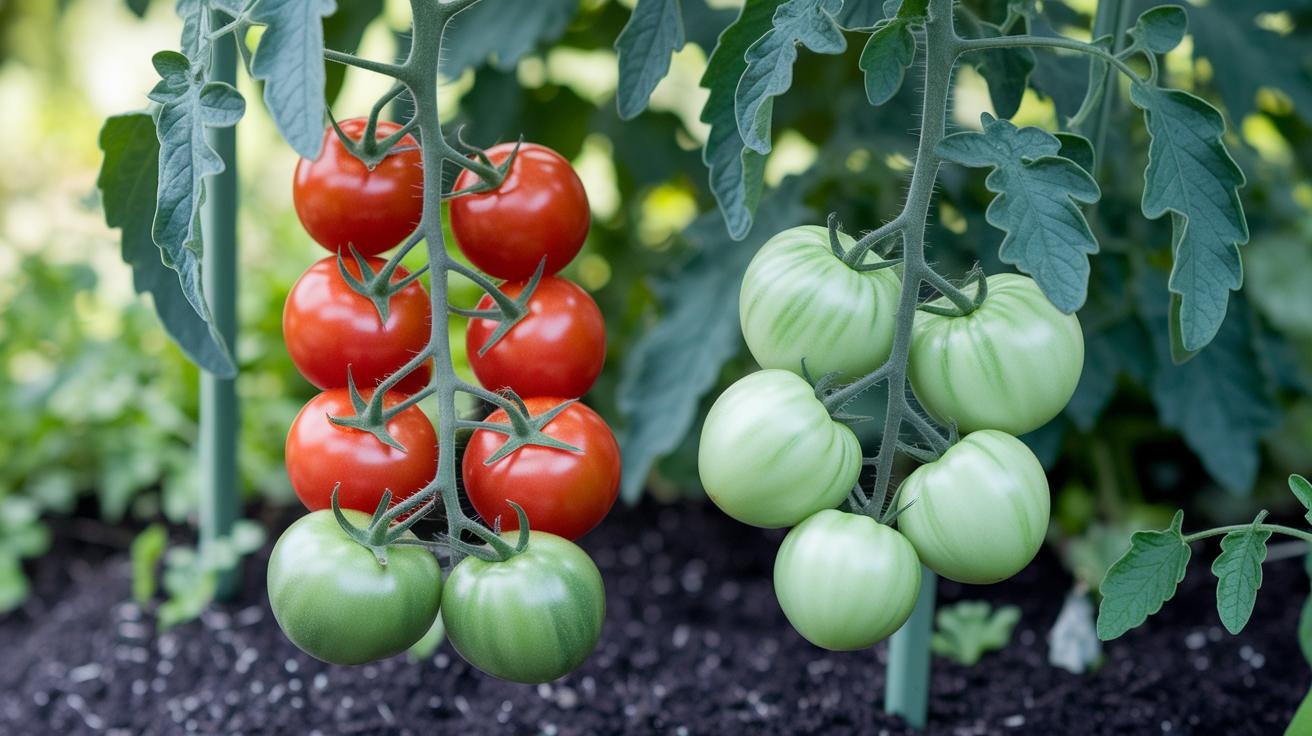
| Open-pollinated | Steady, balanced, reliably sweet | ~10–15 lbs | Generally stronger against blight and wilt | Mostly classic red or yellow |
| Heirloom | Rich, complex, variety-by-variety surprises | ~5–8 lbs | Lower — usually needs more attention | Purple, striped, multicolor, odd shapes |
Open-pollinated tomatoes are the dependable friend who shows up every week. You get plenty of evenly sweet fruit in tidy, predictable shapes that pack neatly into jars, and their sturdier resistance helps them shrug off leaf spot and wilt when summer storms roll through.
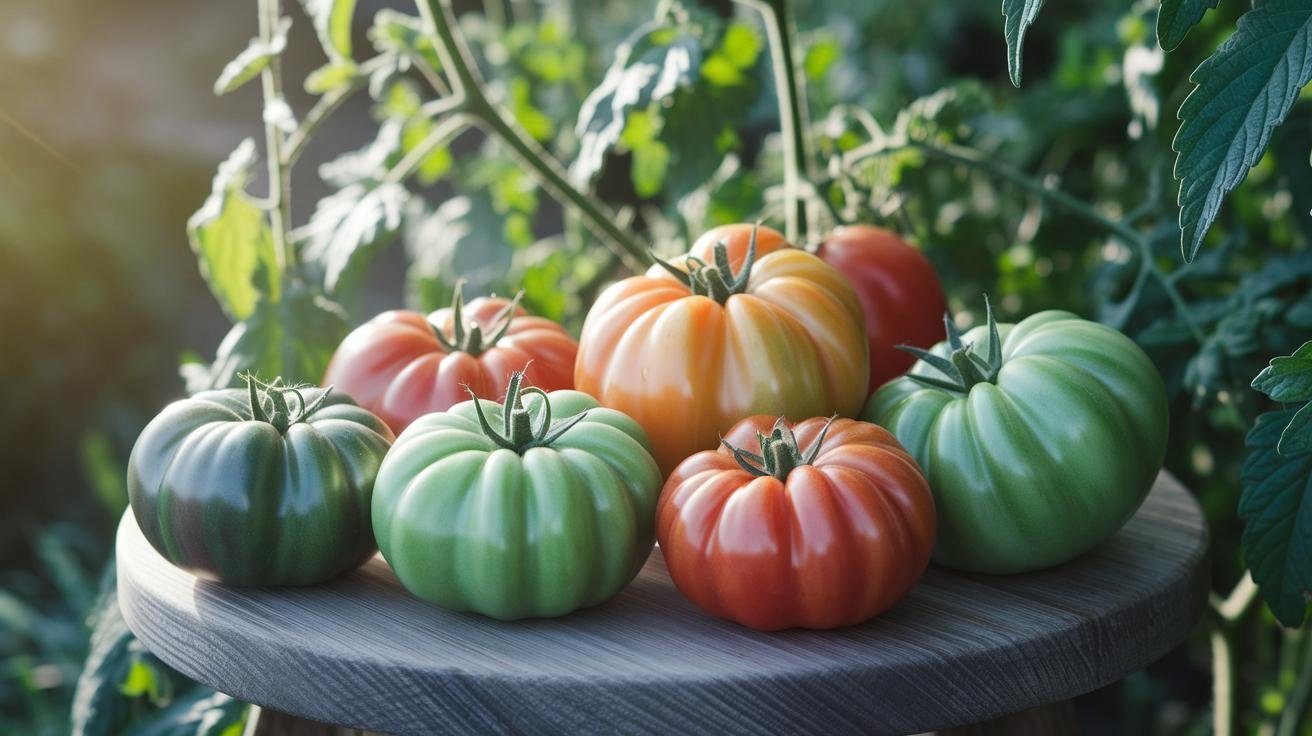
Heirlooms are pure gold for flavor chasers. Bite into a dark purple slicer with that smoky-sweet depth, or an orange-striped one that practically zings, and you’ll forgive the smaller harvest in a heartbeat. They do ask for closer watching against disease — but their jewel colors and surprise flavors turn every picking into a small event.
My honest advice? Grow both. Run a row of sturdy open-pollinated plants along the fence for your sauce-and-canning workhorses, and tuck a small patch of heirloom beauties somewhere central for the show-stoppers. If you’re tight on room, my notes on the best heirloom vegetables for small organic gardens will help you pick the highest-impact varieties for the space you’ve got.
Starting Your Tomato Seeds for a Strong Season
Whichever type you choose, the strongest harvests start indoors six to eight weeks before your last frost. If you’re brand new to this, a curated variety pack takes the guesswork out of picking. The Sow Right Seeds Tomato Collection ($$) is my go-to starting point — ten non-GMO heirloom varieties in cherry, beefsteak, paste, and slicer shapes, with clear growing instructions on every packet. It’s enough range to learn what your garden and your family actually like.
Want more varieties for less? A 16-variety heirloom tomato seed pack ($) stretches a small budget across determinate and indeterminate types — handy when you want to trial a lot of tomatoes before committing your beds. And if you’re the type who wants enough seed to share, swap, and save for years, a 10-variety heirloom assortment with 900-plus seeds ($$) gives you a real working library of classics like Cherokee Purple, Brandywine, and Mortgage Lifter.
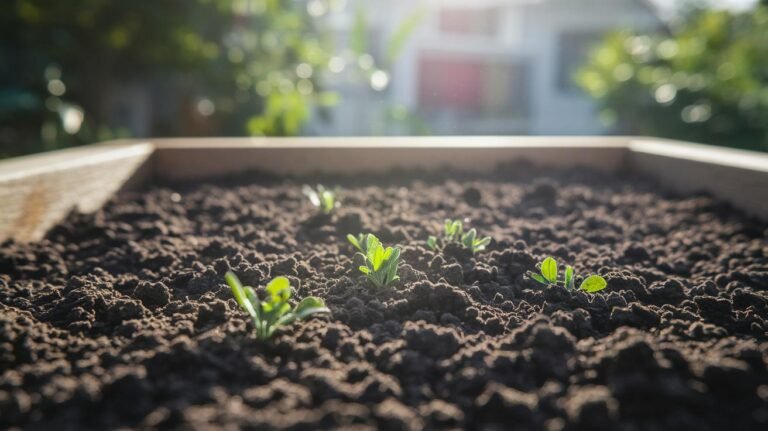
Tomato seeds germinate fastest in warm soil — roughly 75–85°F — so a little bottom heat and steady light make a real difference. A VIVOSUN seed-starting tray with a built-in grow light and heat mat ($$) bundles the three things seedlings care about most into one kit, which keeps stubborn varieties from sulking on a cold windowsill. Once your seedlings are up, time their move outdoors with my seasonal vegetable planting calendar so they hit the garden right after your frost risk passes.
How to Save Open-Pollinated and Heirloom Tomato Seeds
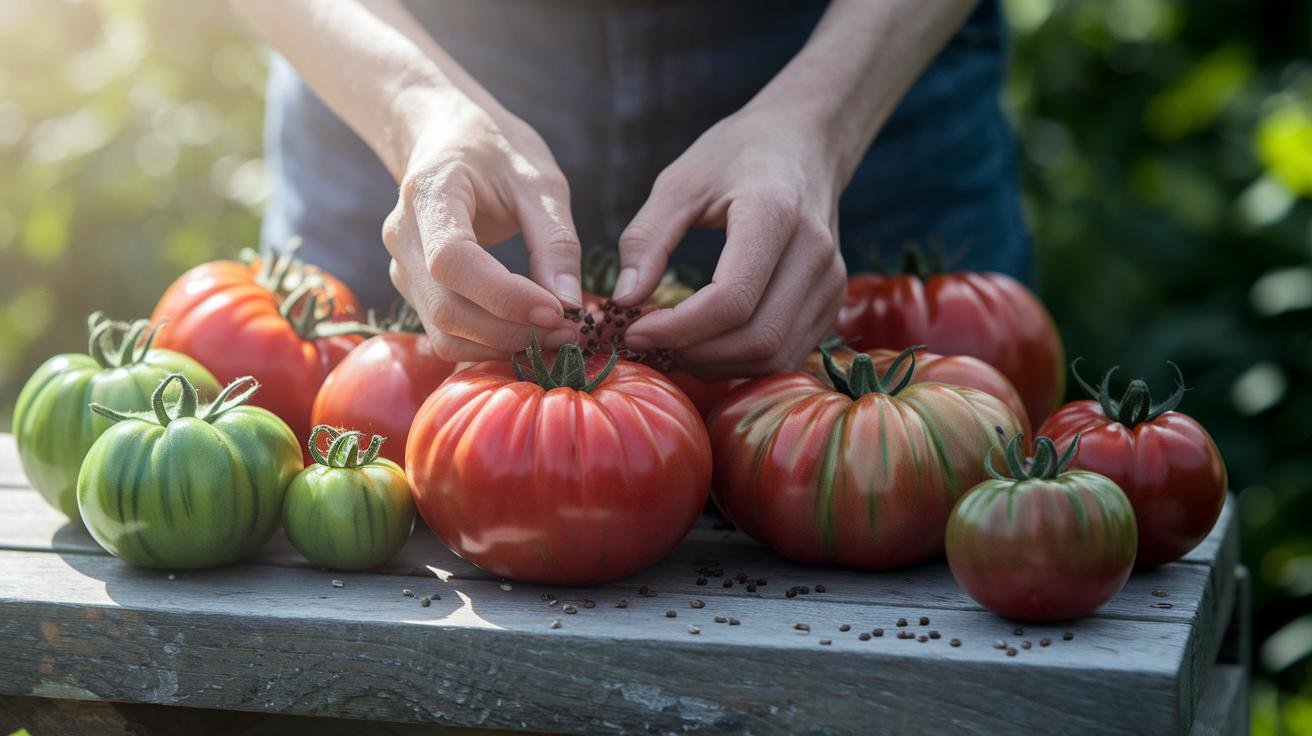
Because both types grow true to type, saving your own seed means next year’s plants will match this year’s — no surprises. You’re building a little seed library that knows your backyard, and there’s real pride in watching a sprout come up from seed you saved yourself.
Start by scooping the seeds and their gel into a jar with a splash of water. Cover it loosely and leave it somewhere warm for two to four days, stirring once a day. You’ll see it bubble as natural fermentation breaks down the slippery coating around each seed — that step also knocks back seed-borne disease and improves germination.
Once the bubbling slows, rinse the seeds under cool water and spread them somewhere with good airflow — a screened tray or a sunny windowsill works. Let them dry until they’re truly crisp and snap rather than bend. Then store them in paper envelopes or small glass jars, label each batch with the variety and date, and tuck a few grains of rice in to absorb stray moisture. Kept cool (around 50°F), dark, and dry, tomato seed holds a germination rate above 80% for up to five years.
A few seed-saving habits worth keeping
- Bag a few blooms the day before they open, using fine mesh, if you’re growing several varieties close together.
- Rinse and gently rub the seeds clean — think washing tiny pebbles — before drying.
- Dry on paper for about a week, turning daily so every side gets air.
- Label as you go. Future-you will not remember which jar is the Brandywine.
In the Kitchen: How Each Type Earns Its Place
The differences don’t stop at the garden gate — they show up on the cutting board, too. Heirlooms come in a real rainbow, from deep purple to golden yellow, with soft, thin skins and juicy, meaty flesh. That makes them the ones to slice thick for a summer salad or a tasting board: a drizzle of good olive oil, a pinch of sea salt, and you’re done. They bruise easily and don’t keep long, so enjoy them within a day or two of picking.
Open-pollinated tomatoes lean toward classic reds and bright yellows with firmer skins, so they travel and store better and hold a steady, familiar flavor over several days. That durability is exactly what you want for cooking projects — simmer them low and slow for a smooth pasta sauce, break them down for chunky salsa, or run a big batch through the canner so your pantry stays stocked with bright tomato flavor into winter.
This is the real argument for growing both: heirlooms for the fresh-eating wow, open-pollinated for the reliable kitchen workhorses that fill your jars.
How to Choose the Right Seeds for Your Garden
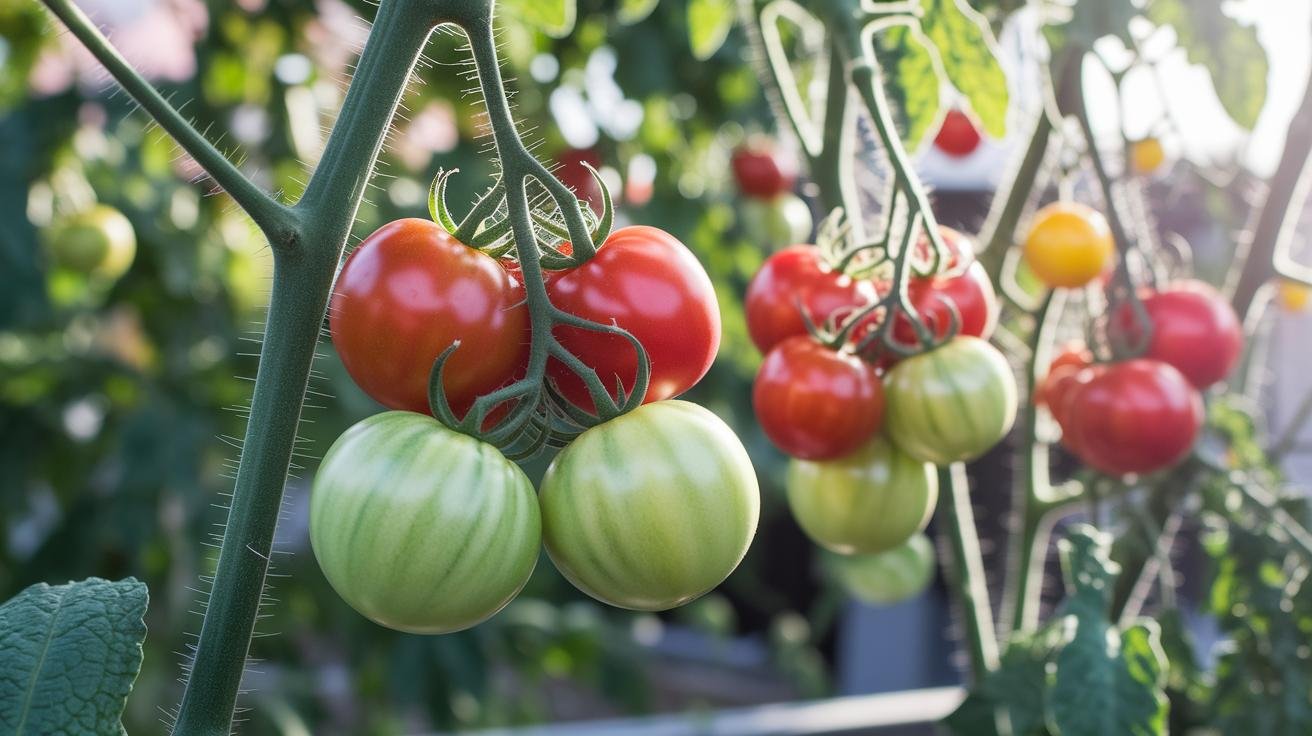
If flavor and a connection to garden history are what you’re after, lean heirloom — just plan for smaller yields and a little more disease watching, especially in humid summers. If you want a bigger, more dependable harvest and tougher plants, open-pollinated is the smart pick, and it usually costs less per seed with more seeds in the packet.
Cost is worth a quick word. Heirloom packs tend to run higher because they’re produced in smaller batches with a heritage story attached; open-pollinated packets generally give you more seed for your money. Either way, organic, non-GMO seed is a win if you care about soil health and chemical-free growing.
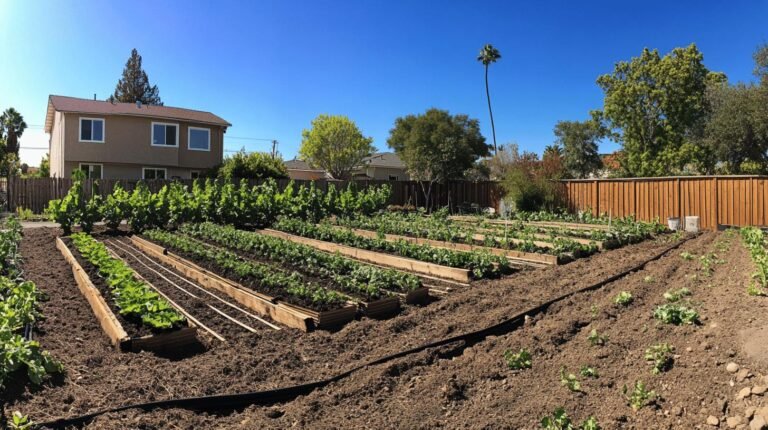
Whichever you choose, save extra seed each season to build a stash that adapts to your sunniest spots — and swap packets with neighbors or at a local seed exchange to spread the good varieties around. If you’re planting into fresh beds this year, my guide to planning a raised vegetable garden covers sun, spacing, and soil so your tomatoes start strong. And because heirlooms run a little softer on defense, it’s worth knowing how to control common garden pests with kid- and pet-safe methods before trouble shows up.
If you’d rather not refill flimsy plastic trays every spring, heavy-duty reusable cells are worth the upgrade. The Bootstrap Farmer 72-cell seed-starting kit ($$$) uses thick, warp-resistant trays that hold up season after season — the kind of buy-it-once gear that pays for itself if you start seeds every year.
Recommended seeds and gear for growing tomatoes
As an Amazon Associate, Backyard Superstar earns from qualifying purchases at no extra cost to you.
- Top pick (seeds) — Sow Right Seeds Tomato Collection ($$). Ten non-GMO heirloom varieties with growing instructions — the easiest way to start.
- Budget pick (seeds) — 16-Variety Heirloom Tomato Seed Pack ($). Most varieties for the money when you want to trial a lot of tomatoes.
- Seed saver’s pick — 10-Variety Heirloom Assortment (900+ seeds) ($$). Enough classic seed to grow, save, and share for years.
- Seed-starting kit — VIVOSUN Tray with Grow Light + Heat Mat ($$). Warmth and light in one kit for faster, stronger germination.
- Premium pick (trays) — Bootstrap Farmer 72-Cell Seed Starter Kit ($$$). Thick, reusable trays that last year after year.
Frequently Asked Questions
What is the main difference between open-pollinated and heirloom tomato seeds?
Both grow true to type from natural pollination, so the difference is heritage. Heirlooms are a subset of open-pollinated varieties that are typically at least fifty years old and carry cultural or family history. All heirlooms are open-pollinated, but many open-pollinated varieties are newer and aren’t heirlooms.
Can I save seeds from both types and get the same tomato next year?
Yes. Because both are open-pollinated, saved seed grows true to type as long as you prevent cross-pollination between different varieties. Keep varieties about ten feet apart, or bag individual blooms with fine mesh before they open, to keep each line pure.
Which type gives a bigger harvest?
Open-pollinated tomatoes generally out-produce heirlooms, often around 10–15 pounds per plant versus roughly 5–8 for many heirlooms, and they tend to have stronger disease resistance. Heirlooms trade some of that productivity for richer, more varied flavor and unusual colors.
How should I store saved tomato seeds?
Dry the seeds completely, then store them in paper envelopes or sealed jars in a cool (around 50°F), dark, low-humidity spot. A few grains of rice help absorb moisture. Stored well, tomato seed stays above an 80% germination rate for up to five years.
Are heirloom tomatoes worth the extra effort?
If you garden mostly for flavor and variety, yes — heirlooms deliver complex tastes, jewel-toned colors, and unusual shapes you won’t find at the supermarket. If you want maximum, dependable yield with less disease watching, open-pollinated varieties are the easier choice. Growing some of each gives you the best of both.