How to Get Rid of Crabgrass in Your Lawn
Crabgrass is a summer annual that wakes up in spring, spreads flat against the soil, and dies off in late fall — leaving behind thousands of seeds that come back the next year. The fastest way to get rid of it is a two-step approach: drop a pre-emergent treatment when soil hits 55°F to stop seeds from sprouting in the first place, then spot-treat anything that breaks through with a targeted post-emergent. The lasting fix is a thick, well-mowed, well-watered lawn that crowds out the seedbank over time. Here’s the full plan, broken into the steps that actually move the needle.
As an Amazon Associate, Backyard Superstar earns from qualifying purchases at no extra cost to you.
The Quick Plan: 5 Steps to Beat Crabgrass
If you only do five things this season, do these:
- Pre-emergent in early spring. When soil temperatures hit 55°F for three to five days in a row (mid-March to mid-April in most of the country), apply a pre-emergent herbicide to the whole lawn. This stops the bulk of the crabgrass seedbank before it sprouts.
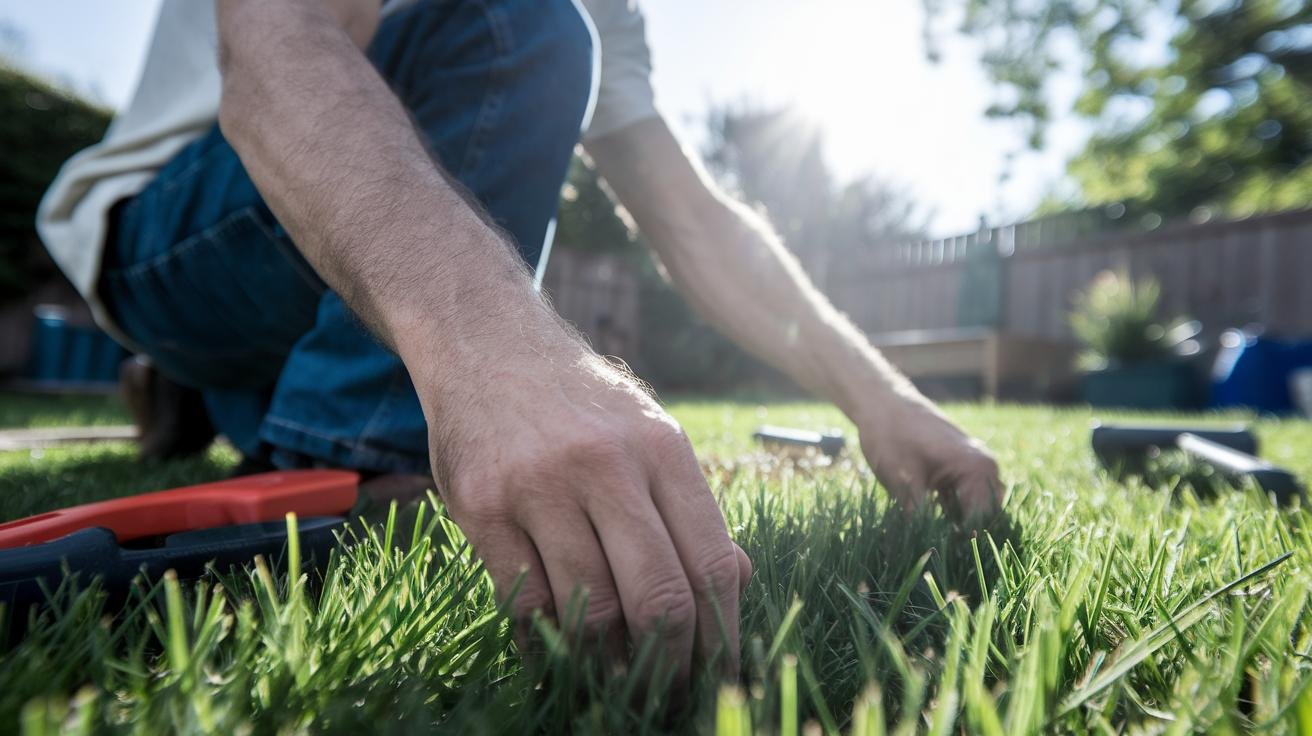
- Pull small patches by hand. Wait until the soil is damp, then grip the crabgrass at its base and pull straight up — roots and all. Easiest in spring before plants get big.
- Spot-treat anything that escapes. Crabgrass that breaks through the pre-emergent gets a post-emergent herbicide containing quinclorac or fenoxaprop. Both target young crabgrass without killing the turf grass around it.
- Mow at 3 inches. Taller turf shades the soil, which prevents new crabgrass seeds from germinating. The single highest-impact mowing change you can make.
- Water deeply, once or twice a week. One inch of water per session, soaked in deeply, builds strong roots that outcompete shallow-rooted weeds.
That’s the whole plan. Costs run $10–$30 for a pre-emergent application, $15–$40 for post-emergent, and under $20 for organic and manual methods. The detail behind each step is below.
How to Spot Crabgrass in Your Lawn
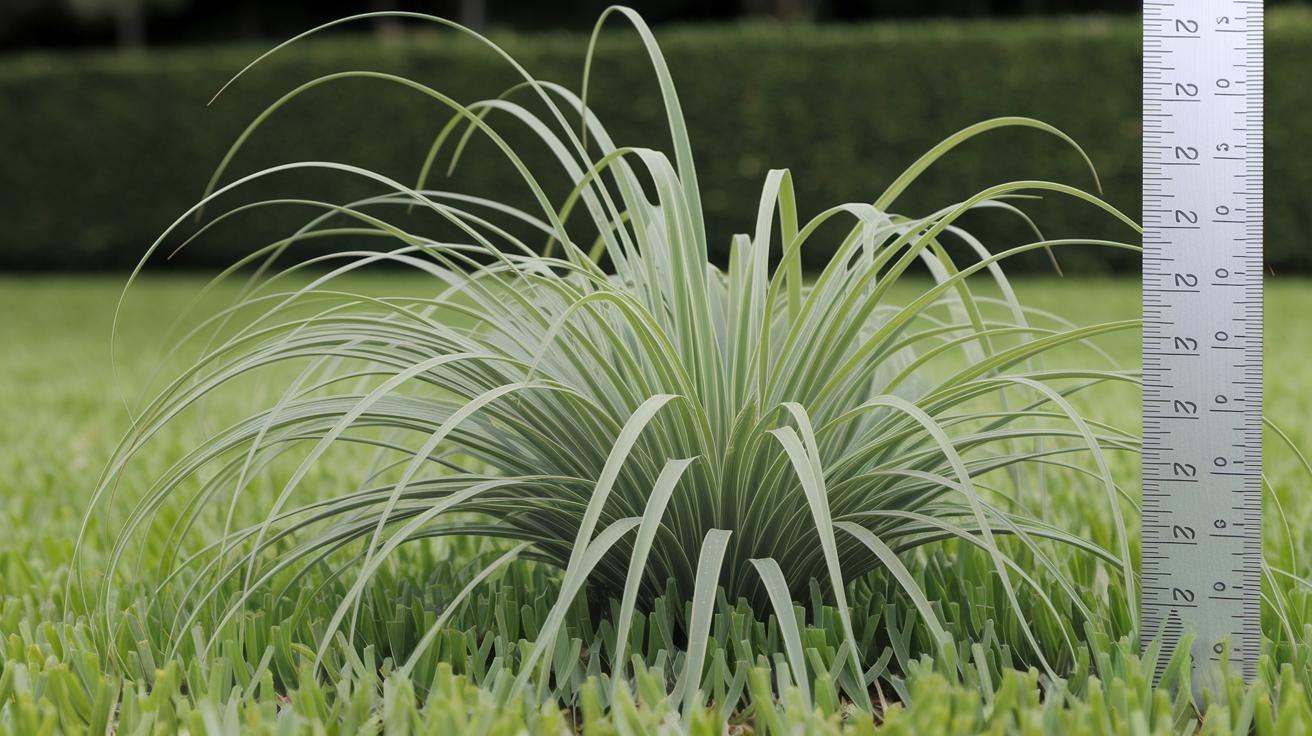
Crabgrass is easy to spot once you know what you’re looking at: a clump of light-green, flat-growing blades that fan out from a central point like a star. The blades are wider and coarser than typical turf grass, and the whole plant lies flatter against the ground rather than standing upright.
It tends to show up first in thin spots — along sidewalks where the soil bakes, near driveways, under thin tree canopies, or anywhere the regular turf is struggling. If you’re seeing a patch of grass that doesn’t quite look like the rest of your lawn, kneel down and check the leaf shape and width. For help telling crabgrass apart from other common lawn invaders (dallisgrass, goosegrass, foxtail), see our guide to identifying common lawn weeds.
Crabgrass germinates when soil temperatures hit roughly 55°F for several consecutive days. In most of the country, that’s mid-March in the South and mid-April through early May in the North. An inexpensive dial soil thermometer like the Luster Leaf Rapitest Soil Thermometer ($), pushed two inches into the ground, tells you exactly when to act — much more reliable than guessing from air temperatures or the calendar.
Stopping Crabgrass Before It Sprouts (Pre-Emergent)
Pre-emergent herbicides are the single most effective crabgrass tool you have. They form a chemical barrier in the top layer of soil that stops germinating crabgrass seeds from breaking through. The catch is timing — apply too early and the barrier breaks down before the seeds wake up; apply too late and the seeds have already sprouted (at which point pre-emergent does nothing).
Time it to soil temperature, not the calendar. When the soil at 2 inches deep holds at 55°F for three to five days running, apply within the next week. A common rule of thumb is “when forsythia blooms drop” — close enough for most regions, but a soil thermometer is more reliable.
Application basics:
- Pick the right form. Granular pre-emergent spreads with a walk-behind broadcast spreader and is forgiving for first-timers. A compact spreader like the Scotts Turf Builder EdgeGuard Mini Broadcast Spreader ($) handles a typical residential lawn and has an edge guard that keeps product off the driveway and flower beds. Liquid pre-emergent applies with a hose-end sprayer and gives more even coverage but is less forgiving of operator error.
- Calibrate the spreader on a small test patch before you start on the lawn. Measure how much product spreads over a known area, then adjust the spreader setting until you’re within 10% of the label rate.
- Water it in. Most granular pre-emergents need a quarter to half inch of water within 24–48 hours to activate. Time the application before a light rain or run sprinklers afterward.
- Plan a second application 6–8 weeks later if crabgrass pressure is heavy in your area. A single pre-emergent dose lasts roughly 3–4 months; a split application covers the full germination window.
For an easy, widely available starting point, a granular pre-emergent like Scotts Halts Crabgrass & Grassy Weed Preventer ($$, pendimethalin) goes down dry, waters in easily, and gives you a single-bag barrier across the whole lawn. For specific product picks at different price points, our roundup of the best pre-emergent herbicide for crabgrass compares active ingredients, application rates, and how each holds up across different soil types.
One important note: pre-emergent also prevents grass seed from germinating. Don’t apply it within 6 weeks of overseeding or you’ll waste both the seed and the herbicide.
Spot-Treating Crabgrass That’s Already Growing
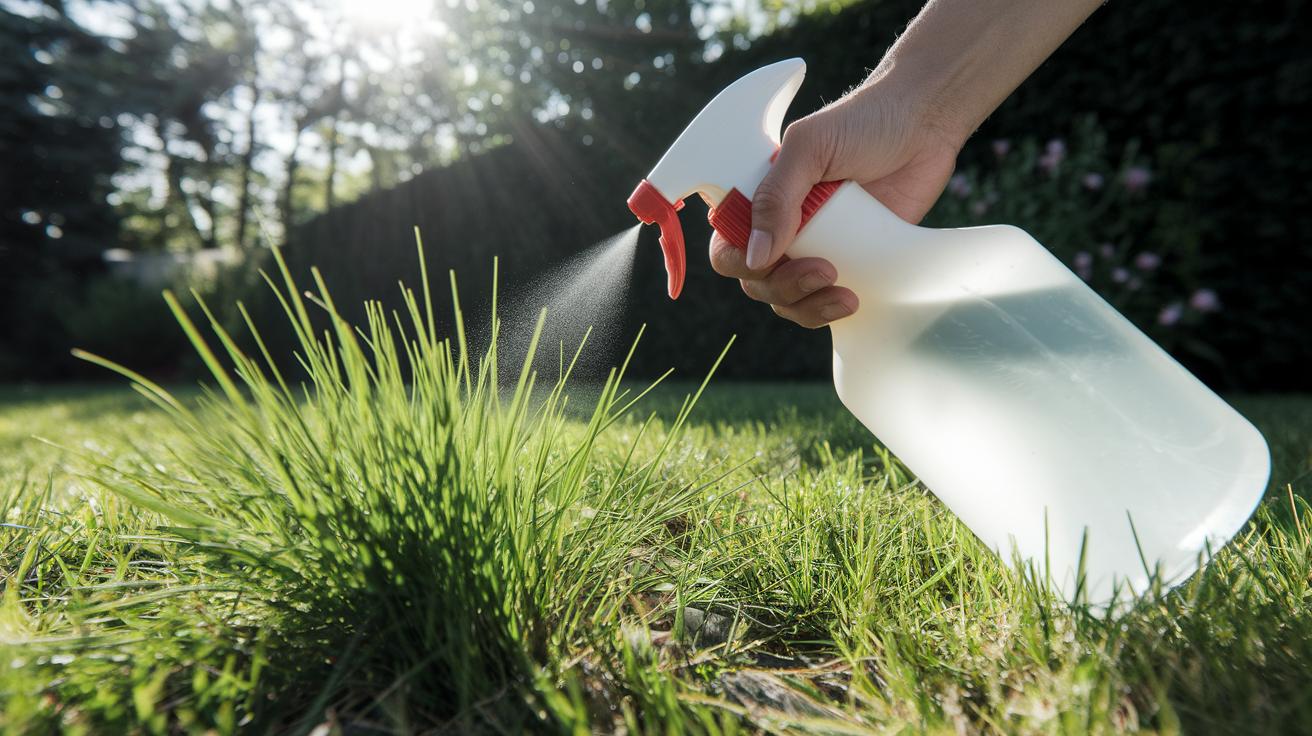
If crabgrass made it past the pre-emergent (or you didn’t get a pre-emergent down in time), post-emergent herbicide is the next move. Two active ingredients do most of the work: quinclorac, which kills crabgrass at a wide range of growth stages and is safe on most cool-season turf, and fenoxaprop, which is gentler on tall fescue and bluegrass but works best on young crabgrass before it tillers out. A quinclorac concentrate like Ortho Weed B Gon Plus Crabgrass Control Concentrate ($$) is the more economical route if you don’t mind mixing — one bottle treats a lot of square footage. If you’d rather skip the measuring, a ready-to-spray fenoxaprop product like BioAdvanced Crabgrass Killer for Lawns ($) hooks straight to the garden hose and meters itself.
Spot-treating, step by step:
- Mix to label rate. Most products run 1–2 ounces per gallon of water. Don’t eyeball it — too little wastes the treatment, too much can damage turf.
- Pick a calm, dry day with temperatures between 60°F and 85°F. Below 60° and the chemicals work slowly; above 85° and they can stress the surrounding turf. No rain in the forecast for 24 hours.
- Use a low-drift fan nozzle on a handheld sprayer. Hold the wand about 12 inches from the leaf tips and sweep in a steady, slow motion until you see a light mist coating each clump.
- Wait 24 hours before mowing or watering. The herbicide needs time to absorb through the leaves and translocate to the root system.
- Re-treat after 10–14 days on stubborn patches. Mature crabgrass that has already tillered may need two doses to kill completely.
Costs run $15–$40 per ready-to-use bottle, enough to spot-treat a typical residential lawn through a season. A “foaming” post-emergent (the same active ingredient in a foam carrier) sticks better to flat-growing crabgrass than plain liquid, and is worth the small upcharge if you have lots of patches.
If you accidentally hit the surrounding turf grass, don’t panic — most cool-season grasses tolerate light contact with quinclorac and fenoxaprop and will recover. Repeated heavy applications can stress turf, so aim for the crabgrass crowns and accept some overspray rather than drenching everything.
Organic and Chemical-Free Crabgrass Control
If you’d rather skip the synthetic herbicides — pets, kids, edible gardens nearby, or just preference — three methods work well, with the caveat that none is as fast as a pre-emergent and post-emergent combo.
- Hand pulling. Most effective on small patches before the plants set seed. Wait until the soil is damp, grip the crabgrass at the base, and pull straight up. Get every plant before mid-summer or you’re just spreading the seedbank.
- Solarization. Cover the affected area with clear plastic sheeting (not black — clear traps more heat), tucked tight around the edges, for 4–6 weeks in midsummer. The soil under the plastic heats to 120°F+, which kills crabgrass and most weed seeds in the top inch or two. Best for badly infested patches you’re going to reseed anyway, since it also kills the existing turf grass underneath.
- Corn gluten meal. A natural pre-emergent that suppresses crabgrass germination by 60–80% when applied at the right time and rate. A corn-gluten product like Espoma Organic Weed Preventer ($$) doubles as a light nitrogen feeding, so it greens the lawn while it works. Less effective than synthetic pre-emergent, but safe around pets and pollinators. Apply 20 pounds per 1,000 square feet in early spring; expect partial results, especially in year one.
Whatever organic route you take, the long game is turf density. A lawn with no bare soil to land in is a lawn crabgrass struggles to establish in. Our full guide to how to kill weeds naturally in your lawn without chemicals covers more options for general weed control.
Lawn Habits That Crowd Out Crabgrass
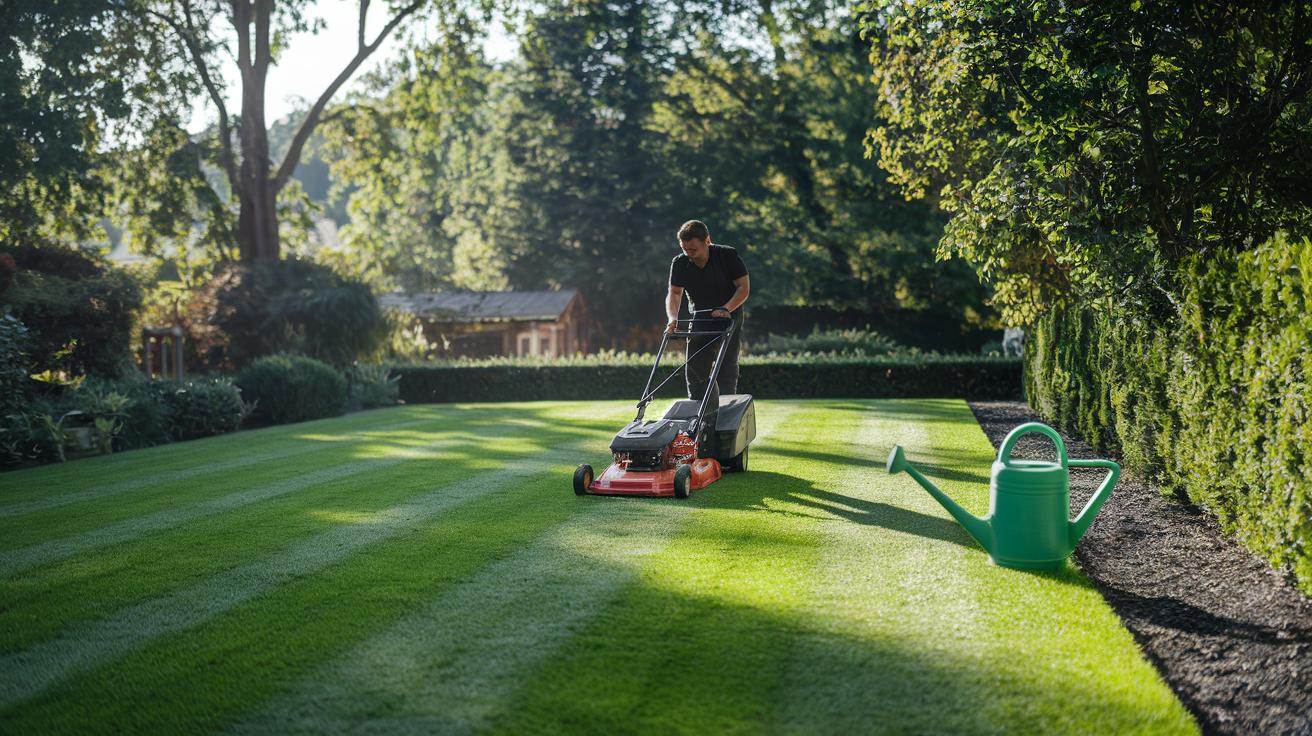
Treatments knock out crabgrass that’s already there. Lawn habits stop the next round from establishing. Five practices matter more than the rest:
- Mow at 3 inches, not 2. Taller turf shades the soil and crabgrass seeds need light to germinate. This single change is more impactful than any pre-emergent.
- Water deeply, once or twice a week. One inch per session, soaked in. Frequent shallow watering encourages shallow roots — which is exactly the growth pattern crabgrass thrives in.
- Fertilize in fall, not spring. A slow-release nitrogen application in October feeds the turf’s root system over winter and produces a thick canopy the following spring. Spring fertilizing tends to feed crabgrass at the same time as the turf.
- Aerate compacted soil. Heavy clay or compacted lawns favor crabgrass over turf. Core aeration once a year in fall (or spring for warm-season grasses) lets water, air, and nutrients reach the root zone.
- Overseed thin spots. Bare patches are crabgrass real estate. Overseed in early fall with a turf-type tall fescue or bluegrass blend matched to your region. See overseeding techniques after lawn aeration for the timing and seed-rate details.
Year-Round Crabgrass Schedule
The treatments above slot into a seasonal rhythm. Where you are in the country shifts the dates by a few weeks; soil temperature is more reliable than the calendar.
| Season | Soil temperature | Main task |
|---|---|---|
| Early spring (Mar–Apr) | 55°F at 2″ depth | Apply pre-emergent herbicide. Pull any visible crabgrass from last year. |
| Late spring (May) | 60–70°F | Second pre-emergent application if crabgrass pressure is heavy. Mow at 3 inches. |
| Summer (Jun–Aug) | 70°F+ | Spot-treat any crabgrass that breaks through with post-emergent. Water deeply, not often. |
| Early fall (Sep–Oct) | 60–70°F | Core aerate, overseed bare spots, apply slow-release fertilizer. |
| Late fall / winter (Nov–Feb) | Below 50°F | Clean and store equipment. Plan next spring’s first pre-emergent window. |
Keeping a Crabgrass-Free Lawn Long-Term
Year one of a crabgrass program is the work-heavy year. You’re knocking back an established seedbank, often using both pre-emergent and post-emergent treatments and probably some hand pulling on top of that. By year two, with the pre-emergent dropped on time and a thicker turf canopy from fall fertilizing and overseeding, the pressure drops noticeably. By year three, most lawns need only a single pre-emergent application and minor spot treatments to stay clean.
Two pieces of safety gear are worth owning regardless of which route you take: a pair of chemical-resistant nitrile gloves for handling herbicides and pulling weeds, and a pair of safety glasses for any spraying. Both are inexpensive. Check wind speed before applying anything — under 10 mph is safe; gusty conditions blow herbicide where you don’t want it. And always read the label rates: doubling the dose doesn’t double the kill, it just damages turf and wastes product.
The single best long-term investment is a thick, deep-rooted lawn. Every treatment in this article works better on a healthy lawn than on a struggling one, and a healthy lawn eventually makes most treatments unnecessary.
Recommended gear for beating crabgrass
As an Amazon Associate, Backyard Superstar earns from qualifying purchases at no extra cost to you.
- Top pick (prevention) — Scotts Halts Crabgrass & Grassy Weed Preventer ($$). Easy granular pre-emergent that stops most of the seedbank before it sprouts.
- Budget pick (spot kill) — BioAdvanced Crabgrass Killer for Lawns ($). No-mix, hose-end fenoxaprop for treating patches that break through.
- Best value post-emergent — Ortho Weed B Gon Plus Crabgrass Control Concentrate ($$). Quinclorac concentrate that covers a lot of square footage per bottle.
- Organic option — Espoma Organic Weed Preventer ($$). Corn-gluten pre-emergent that suppresses germination and lightly feeds the lawn.
- Application gear — Scotts Turf Builder EdgeGuard Mini Broadcast Spreader ($). Even granular coverage with an edge guard that keeps product off beds and pavement.
- Timing tool — Luster Leaf Rapitest Soil Thermometer ($). Tells you the moment soil hits 55°F so your pre-emergent lands on time.
Common Questions About Crabgrass Control
How do I get rid of existing crabgrass in my lawn?
Pull small patches by hand when the soil is moist, then spot-treat anything that’s left with a post-emergent herbicide containing quinclorac or fenoxaprop. Mow at 3 inches to keep new seeds from germinating while the treatments take effect.
When should I apply pre-emergent herbicide to prevent crabgrass?
Apply pre-emergent when soil temperature at 2 inches deep reaches 55°F for three to five consecutive days. That’s mid-March in the South and mid-April through early May in northern regions. A soil thermometer is more reliable than the calendar.
What post-emergent herbicide is best for treating crabgrass patches?
The two most effective active ingredients are quinclorac and fenoxaprop. Both target crabgrass without damaging most cool-season turf when applied at label rates in temperatures between 60°F and 85°F.
Can I get rid of crabgrass without chemicals?
Yes. Hand pulling small patches before they set seed, solarizing badly infested areas under clear plastic for 4–6 weeks, and applying corn gluten meal as a natural pre-emergent all work. None is as fast as synthetic herbicides, but they’re safe around pets and edible gardens.
How should I mow and water to discourage crabgrass?
Mow at 3 inches to shade the soil and prevent seed germination. Water deeply (one inch per session) once or twice a week to build deep roots, rather than watering shallowly every day, which encourages weed-friendly shallow root systems.
When should I fertilize and aerate to prevent crabgrass?
Fertilize in early fall with slow-release nitrogen to feed the turf’s root system over winter. Core aerate annually in fall for cool-season grasses or spring for warm-season grasses, then overseed thin spots immediately afterward to thicken the lawn.
What safety gear do I need to apply herbicide?
Chemical-resistant nitrile gloves ($10), safety glasses ($10), and a long-sleeved shirt. Check wind speed before spraying (under 10 mph is safe), follow the label application rates, and avoid spraying near edible gardens or open water.
How much does it cost to control crabgrass?
Pre-emergent treatments run $10–$30 per application for a typical residential lawn, post-emergent spot-treatment products run $15–$40 per bottle, and organic methods like hand pulling or corn gluten meal stay under $20. Most lawns need one pre-emergent application a year plus minor spot-treating once the program is established.
How long does it take to get rid of crabgrass for good?
Year one knocks back the existing seedbank with pre-emergent and post-emergent treatments. Year two requires less work as the turf thickens. By year three, most lawns need only a single annual pre-emergent application and minor spot-treatments to stay essentially crabgrass-free.