15 Native Wildflowers That Spread for Pollinators
Native wildflowers do three things at once: they fill a garden bed for less money than nursery perennials, they feed local pollinators that evolved alongside them, and they spread on their own to fill in gaps year after year. The right 15 species, planted once and tolerated as they naturalize, can transform a 200-square-foot patch from bare soil to full-coverage meadow in 2-3 seasons.
This guide covers 15 native North American wildflowers grouped by bloom season and habitat type, plus the planting, care, and seed-sourcing guidance to establish them responsibly. For the broader pollinator garden design framework see how to design a pollinator garden; for sun-loving perennials beyond native species see 19 sun-loving perennials.
Early-Season Wildflowers
Plants that bloom in spring through early summer get pollinators through the lean weeks when not much else is flowering.
Wild Columbine (Aquilegia canadensis). Red-and-yellow drooping flowers attract hummingbirds and long-tongued bees. Native across eastern North America. Self-sows freely in part shade. Tolerates rocky, lean soils that defeat most other perennials.
Virginia Bluebells (Mertensia virginica). Sky-blue trumpet flowers in mid-spring, then the plant goes completely dormant by midsummer. Native to eastern hardwood forests. Pair with later-emerging perennials that fill the gap. Spreads by self-seeding into expanding colonies.
Foamflower (Tiarella cordifolia). White spike flowers in spring above heart-shaped leaves. Native to eastern woodlands. Forms slowly spreading ground cover in part to full shade. Evergreen in mild winters.
Mid-Summer Bloomers
The peak-season backbone. Bloom from late spring through midsummer when most pollinators are at full activity.
Purple Coneflower (Echinacea purpurea). Native to eastern prairie regions, now naturalized widely. Drooping mauve petals around an orange-brown cone. Self-sows from dropped seed; seedheads feed finches through winter. The most widely planted native wildflower for good reason.
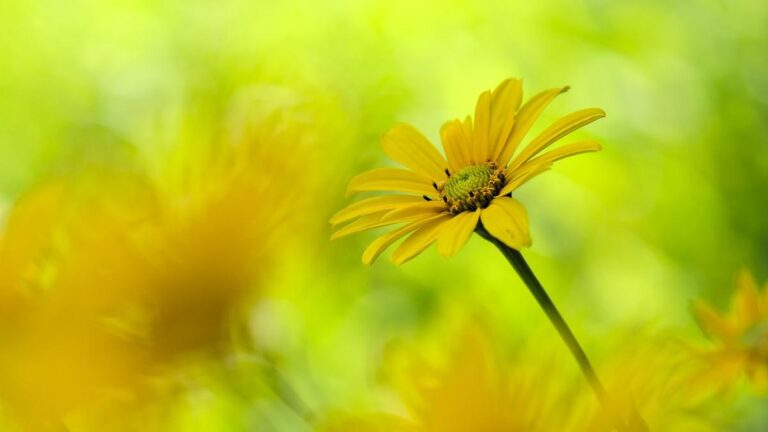
Black-Eyed Susan (Rudbeckia hirta and R. fulgida). Yellow petals around a dark center. Annual (R. hirta) or short-lived perennial (R. fulgida); both reseed prolifically. Native to most of North America. Tolerates poor soils, drought, and partial shade.
Common Milkweed (Asclepias syriaca). Fragrant pink umbel flowers in midsummer. The essential larval host plant for monarch butterflies. Spreads aggressively via rhizomes and self-seeding — give it room. Native to eastern and central North America.
Butterfly Milkweed (Asclepias tuberosa). Flat-topped fiery-orange flowers. Better-behaved cousin of common milkweed — doesn’t spread by rhizomes. Native to most of North America east of the Rockies. Drought-tolerant once established.
Bee Balm (Monarda fistulosa or M. didyma). Tubular pink, lavender, or red flowers. Native to most of North America. Spreads by rhizomes in moist soils. Hummingbird favorite. Some varieties susceptible to powdery mildew in humid weather; M. fistulosa is more resistant than M. didyma.
Late-Season Wildflowers
The crucial late-season nectar that feeds migrating monarchs and the queens of native bee species building up reserves for winter.
Goldenrod (Solidago, multiple species). Yellow plume flowers from late summer into fall. Often mistakenly blamed for hay fever (ragweed, which blooms at the same time, is the actual culprit). Critical late-season food for migrating monarchs. S. speciosa and S. rugosa ‘Fireworks’ are well-behaved garden cultivars; common goldenrod can spread aggressively.
New England Aster (Symphyotrichum novae-angliae). Purple daisy-style flowers in late September and October. Often the last nectar source available before frost. Native to eastern North America. Reaches 4-6 feet; pinch back in early summer for a shorter, bushier form.
Joe-Pye Weed (Eutrochium purpureum). Mauve flower clusters atop 5-7 foot stems. Native to eastern North America. Spectacular pollinator magnet in late summer. Tolerates moist soils where many other natives sulk; ideal for low spots and rain garden edges.
Ironweed (Vernonia, multiple species). Deep violet-purple flowers in late summer. Native to most of eastern and central North America. Reaches 5-7 feet. Tolerates wet conditions. Self-sows but isn’t aggressive.
Specialty and Habitat-Specific Natives
These four require specific conditions — but in the right spot, they’re worth the niche placement.
Cardinal Flower (Lobelia cardinalis). Vivid red tubular flowers irresistible to hummingbirds. Native across much of North America. Requires moist to wet soil — bog edge, rain garden, or consistent watering in regular beds.
Wild Geranium (Geranium maculatum). Pink-purple five-petaled flowers in spring. Native to eastern woodlands. Forms slow-spreading clumps in part shade. Self-seeds gently.
Blazing Star (Liatris spicata). Spikes of purple bottle-brush flowers in midsummer. Native to eastern North America. Tolerates lean dry soils that defeat other natives. Open them from the top down — unlike most flowers.
Yarrow (Achillea millefolium). Flat-topped white flower clusters. Native to most of North America. Aggressive spreader in lean soils — both a feature and a caution. Attracts bees, beneficial wasps, and predatory insects.
Planting and Care Guidance for Native Wildflowers
Native plants generally need less care than ornamental perennials once established. Two seasons of attention sets up a colony that mostly maintains itself.
Sourcing native seed responsibly. Don’t dig up plants from wild populations — that’s both illegal in most contexts and harmful to existing native colonies. Buy seed from regional native plant societies, native plant nurseries (Prairie Moon Nursery, Prairie Nursery, Ernst Seeds for the eastern US; Larner Seeds for the West), or your state’s native plant society. Regional seed is hardier than seed from distant nurseries because it’s adapted to your local climate.
Sowing native seed. Most native seeds need cold stratification (a period of moist cold) to break dormancy. Two options:
- Fall direct seeding: rake bare soil, scatter seed, press in by walking on it. Winter provides natural stratification; seeds germinate in spring.
- Cold-moist stratification indoors: mix seed with moist sand or vermiculite, refrigerate in a sealed bag for 30-90 days (varies by species), then sow in spring.
Some natives germinate without stratification — yarrow, black-eyed Susan, blanket flower. The seed packet or supplier description will tell you what each species needs.
Soil prep. Native wildflowers thrive in lean, well-drained soil — they evolved on prairies and open meadows, not rich garden beds. Skip the compost and fertilizer; both produce floppy weak-stemmed growth with reduced bloom. If your soil is heavy clay, work in coarse sand to improve drainage. If your soil is rich vegetable-garden quality, native wildflowers may grow taller but flop and resemble weeds more than the tidy meadow look.
Patience the first year. Native perennials follow the “sleep, creep, leap” pattern — year one they establish roots underground (often with little visible above-ground growth), year two they expand modestly, year three onward they reach mature size and start blooming heavily. Resist the urge to dig up “failed” plants in year one; many are working below ground.
Maintenance over years. Cut back in late fall or leave seedheads standing for winter wildlife (the better option for pollinator value). Divide aggressive spreaders (common milkweed, bee balm, goldenrod) every 3-4 years to manage their footprint. Pull seedlings from unwanted locations — most natives self-sow generously.
Naturalizing Strategy and Regional Notes
Native wildflowers spread on their own through three mechanisms: rhizomes (underground stems that send up new plants nearby), self-seeding (dropped seeds germinate into new plants), and stoloning (above-ground runners). Different species use different mechanisms, which affects how and how fast they fill in.
Fast spreaders (form colonies in 1-2 seasons): common milkweed, goldenrod, yarrow, bee balm. Plant where their spread is welcome.
Moderate spreaders (fill in over 3-5 seasons): coneflower, black-eyed Susan, asters, ironweed, Joe-Pye weed. These self-seed but don’t spread aggressively via roots.
Slow spreaders (stay clumped): butterfly milkweed, blazing star, Virginia bluebells, foamflower, wild geranium. These naturalize gradually without crowding neighbors.
Regional considerations:
- Eastern US (zones 4-9): all 15 species in this list grow well.
- Central US prairie regions: coneflower, milkweed, goldenrod, asters, blazing star are native here and thrive. Add native prairie grasses (little bluestem, switchgrass) as companions.
- Western US: consult local native plant societies for region-specific alternatives. California, Pacific Northwest, and Southwest each have distinct native flora best researched locally.
- Southern US: some species in the list (Virginia bluebells, columbine) don’t tolerate Deep South heat well. Substitute regional natives like swamp sunflower and rudbeckia laciniata.
For each region, your state’s native plant society and county cooperative extension service publish lists of recommended native wildflowers — far more accurate than national generalizations. Search “[your state] native plant society” for the local guidance.
Common Native Wildflower Mistakes
Three errors trip up most first-time native wildflower gardens:
Treating natives like ornamentals. Fertilizing, watering on a schedule, and amending the soil with compost produces weak, floppy growth on most natives. They evolved in lean conditions and produce their best bloom there. Skip the inputs and let them be themselves.
Giving up in year one. Native perennials look terrible the first year because they’re growing roots, not foliage. Don’t dig them up. Mark them with a stake or label, water lightly during establishment, and wait.
Planting one of each species. Native wildflowers look best and support more pollinators when planted in clusters of 3, 5, or 7 of the same species. Single specimens look scraggly and don’t broadcast to pollinators effectively. Buy or sow enough seed for clusters, not specimens.
A native wildflower garden hits its stride in year three and continues improving for decades. The original plantings spread, fill in gaps, and over time start crowding out non-native weeds that previously dominated the spot. Five years in, the garden largely runs itself. Pair this approach with the broader pest-and-pollinator strategy in our butterfly garden plants for shade guide for a complete pollinator-supporting yard. For organic soil care that keeps native wildflowers thriving without synthetic inputs, the technique in our natural lawn fertilizer guide covers compost-based feeding that extends from native beds into the broader lawn.
Native Wildflower FAQ
What’s the fastest-spreading native wildflower?
Common milkweed (Asclepias syriaca), goldenrod, and bee balm spread fastest — all three send out underground rhizomes that send up new plants 1-3 feet from the original within a single season. Plant these where you welcome aggressive coverage. For controlled spread, choose butterfly milkweed (clumping), coneflower (self-seeding but not rhizomatous), or asters.
Where can I source native wildflower seed?
Buy from regional specialists: Prairie Moon Nursery and Prairie Nursery for the eastern and central US; Ernst Seeds for restoration projects; Larner Seeds for California natives. State native plant societies often sell seed at member events. Avoid generic “wildflower mixes” from big-box stores — many include non-native or invasive species. Regional native seed is hardier than seed from distant suppliers because it’s adapted to your local climate.
How long does it take native wildflowers to establish?
Most native perennials follow the “sleep, creep, leap” pattern: year 1 they establish roots underground with minimal visible growth, year 2 they expand modestly, year 3 onward they reach mature size and bloom heavily. The first year often looks like nothing is happening; it’s not. Annual natives (black-eyed Susan, blanket flower) reach full size in year one and reseed for the next season.
Do I need to fertilize native wildflowers?
No — native wildflowers evolved in lean soils and produce better blooms in low-fertility conditions. Adding compost or fertilizer typically produces tall floppy growth with reduced flower count and shorter lifespan. Skip the amendments. If your soil is extremely poor (pure sand), a thin top-dress of leaf litter mimics natural meadow conditions.
Are native wildflowers truly low-maintenance?
Once established (year 3 onward), yes. The first 2 years require establishment watering during droughts, weeding to suppress competitors, and patience while plants develop. After establishment, native wildflower gardens need only occasional dividing of aggressive spreaders and removal of unwanted seedlings. They don’t need irrigation, fertilization, or pest treatment in normal conditions.
Will native wildflowers crowd out my other garden plants?
Aggressive spreaders (common milkweed, goldenrod, yarrow, bee balm) will encroach on neighboring plantings within 2-3 years if not divided or root-barriered. Plant these in dedicated areas or contain with edging. Moderate and slow spreaders coexist with ornamental perennials without taking over. Cluster aggressive natives together in a dedicated “native bed” to control their expansion.
Which native wildflowers attract monarch butterflies specifically?
Common milkweed and butterfly milkweed are essential — both provide the larval host food monarchs need and adult nectar. Add late-season natives (goldenrod, New England aster, Joe-Pye weed) to feed migrating adults through fall. A monarch-friendly garden combines 3-5 milkweed plants with diverse nectar sources blooming from early summer through frost.