Soil pH: How to Test It and Adjust It
Soil pH is one of those things that quietly decides whether your garden thrives or struggles, and most people never check it. Get it right and your plants can actually use the nutrients you give them; get it wrong and you can fertilize all season while the grass and vegetables stay hungry. The good news is that testing your pH takes minutes, and fixing it is straightforward once you know the numbers. Here’s the whole picture — what to aim for, how to test, and how to adjust.
As an Amazon Associate, Backyard Superstar earns from qualifying purchases at no extra cost to you.
Why Soil pH Matters So Much
pH measures how acidic or alkaline your soil is on a scale of 0 to 14, where 7 is neutral. Here’s why it matters: nutrients are only available to roots within a certain pH window. When soil drifts too far in either direction, nutrients like phosphorus, iron, and nitrogen get chemically “locked up” — they’re physically present in the soil, but the plant can’t absorb them. That’s why a lawn or garden can look starved even after you’ve fed it. Correcting the pH is often the single most effective thing you can do, and it costs almost nothing.
The Ideal pH Range
For the vast majority of vegetables, lawns, and garden plants, the sweet spot is slightly acidic to neutral — about 6.0 to 7.0. Land in that band and you’ve covered most of what you’ll ever grow. There are a few notable exceptions worth knowing: acid-lovers like blueberries, azaleas, and rhododendrons want it considerably lower, down around 4.5 to 5.5, while a handful of plants such as asparagus and lavender tolerate slightly alkaline soil above 7. When in doubt, aim for 6.5 — it keeps almost everyone happy.
Four Ways to Test Your Soil pH
Before anything else, take a good sample: dig a few small holes about four to six inches deep in different spots around the area, mix that soil together in a clean container, and test from that blend. One reading from one hole can be misleading. Then pick your method.
The quickest is the DIY pantry test. Split your soil sample in two. Add vinegar to one half — if it fizzes, your soil is alkaline. Add water and baking soda to the other — if that fizzes, it’s acidic. No fizz either way means you’re roughly neutral. It won’t give you a number, but it’ll tell you which direction you’re dealing with in two minutes with stuff you already own.
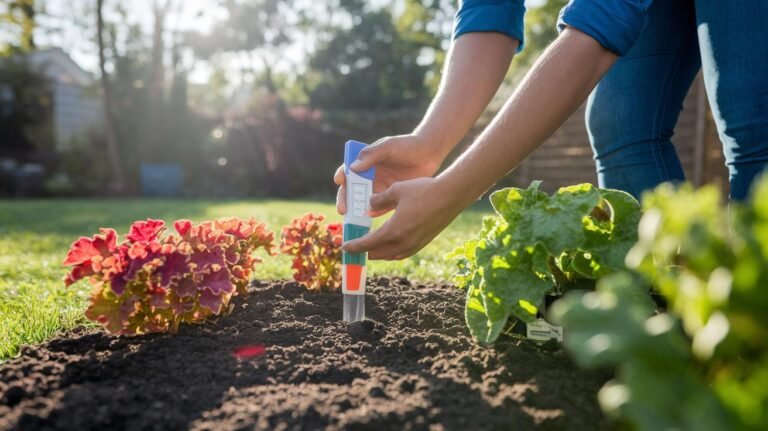
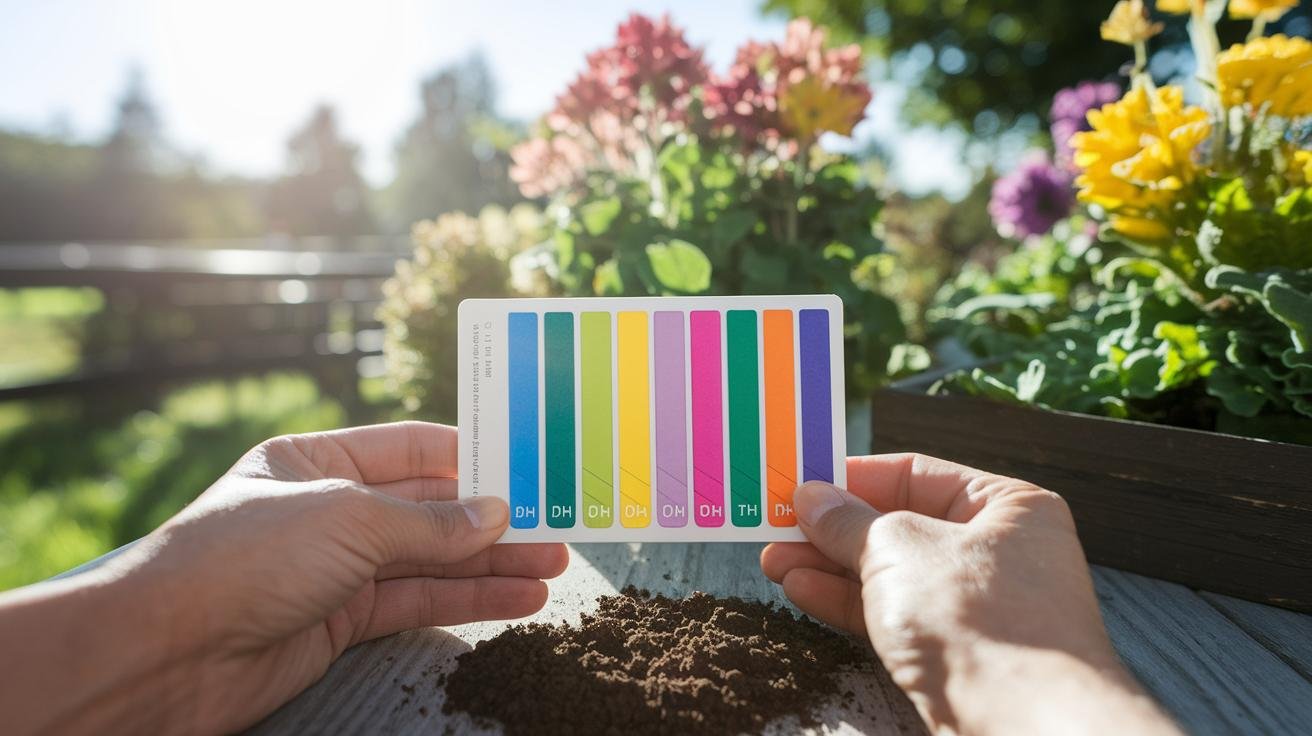
For an actual number, paper test strips are cheap and easy: mix soil with distilled water, dip the strip, and match the color. A step up in convenience is a digital pH meter — you push the probe into moist soil and read the display, no mixing required. A basic digital soil pH meter costs very little and is reusable for years. And for the most accurate at-home reading, a chemical test kit with capsules and a color chart is hard to beat — I compare the best ones in my guide to the best soil pH test kits.
Reading Your Results and Knowing What to Do
Once you have a number, the plan is simple. If you’re already in the 6.0–7.0 range, leave it alone and just retest every year or two. If you’re below about 6.0, your soil is too acidic and you’ll want to raise the pH. If you’re above 7.0 and growing things that prefer neutral, you’ll want to lower it. The further you are from your target, the more amendment you’ll need — and the more important it is to make the change gradually.
How to Raise pH (Soil Too Acidic)
To bring acidic soil up, the standard fix is garden lime. Spread it evenly and work it into the top few inches of soil, ideally in fall so it has the whole winter to act — lime works slowly, over months, not days. How much you need depends on your starting pH and soil type (clay needs more than sandy soil to budge), so follow the rate on the package for your gap, and resist the urge to overdo it. A bag of garden lime goes a long way. I walk through the details specifically for lawns in my guide to using lime to fix acidic soil.
How to Lower pH (Soil Too Alkaline)
To bring alkaline soil down, elemental sulfur is the go-to. Soil microbes slowly convert it to acid, so like lime it’s a patient process — work it in and give it time. Soil sulfur is the most reliable option; adding plenty of organic matter like compost and peat moss also nudges pH down gently over time and improves the soil while it’s at it. For acid-loving plants like blueberries, a dedicated acidifier makes hitting that low target easier.
Keeping Your pH Where You Want It
pH doesn’t stay put forever — rain, hard water, and the fertilizers you use all push it around over time, usually back toward acidic in most regions. So treat it as maintenance, not a one-time fix: retest every year or two, top up amendments as needed, and keep adding organic matter, which buffers the soil and helps it resist swings. Make small corrections regularly and you’ll never have to make a big dramatic one.
Frequently Asked Questions
What pH do most vegetables want?
Slightly acidic to neutral — 6.0 to 7.0, with 6.5 a safe all-purpose target.
How do I test soil pH without a kit?
The vinegar-and-baking-soda pantry test tells you the direction (acidic or alkaline) in minutes, though not an exact number.
How long does it take to change soil pH?
Lime and sulfur both work slowly over months, which is why fall application is ideal — apply, then retest the following season.
Can I lower pH with vinegar or coffee grounds?
Only marginally and briefly — for a lasting change, use elemental sulfur or plenty of organic matter rather than household quick-fixes.
Test your soil, aim for that 6.0–7.0 sweet spot, and adjust patiently with lime or sulfur — do that and everything you plant will make better use of every drop of water and scoop of fertilizer you give it.