How To Plan A Backyard Scavenger Hunt Easily
Ever feel like planning a backyard scavenger hunt is as tricky as launching a rocket?
It doesn’t have to be that way.
Think of your yard as a living treasure map. You can tuck clues by a sun-warmed rock or under a leafy bush. By the way, my dog always tries to grab the first hint.
Maybe you’re celebrating a birthday, brightening a family weekend, or chasing away an afternoon yawn. No matter the reason, this hunt brings giggles and surprises.
Keep reading for a simple, step-by-step guide that gets your little explorers racing under the sunny sky. You’ll learn to draw clues, hide them in easy spots, and watch smiles bloom across the grass. Soon you’ll see how simple it is to turn your green space into a thrill-packed adventure zone.
Step-by-Step Backyard Scavenger Hunt Planning
Turning your backyard into a fun quest zone is easier than you think. Whether you’re hosting a kids’ birthday, a family get-together, or just chasing away boring afternoons, a scavenger hunt brings out big smiles. This guide breaks down each part into simple, friendly steps so you can focus on the joy.
- Choose a theme that fits your crew. Bug safari (find ladybugs and ants), pirate treasure (draw a map on crinkled paper), or a holiday twist like an Easter egg or Halloween candy quest. Themes get everyone excited.
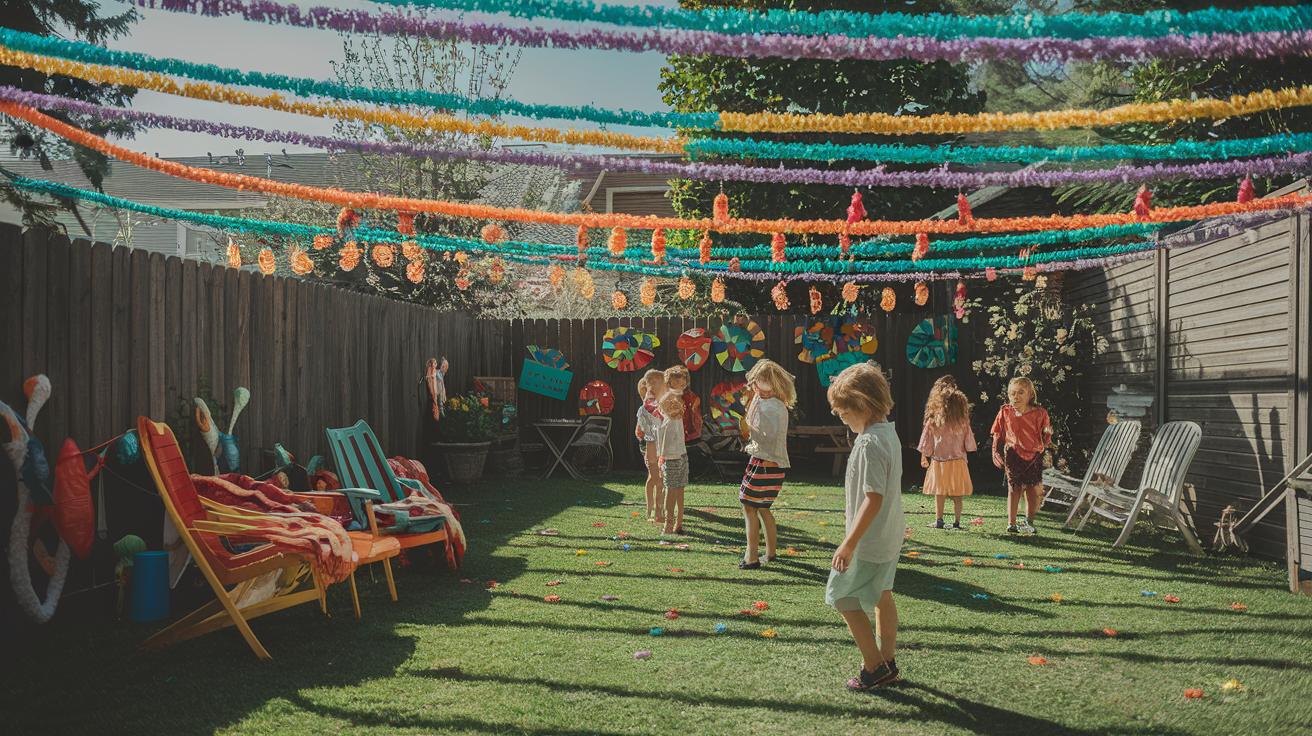
- Gather your supplies. You’ll need clue cards or small envelopes, bags or baskets, and pencils or markers. Add tiny prizes, stickers, penny toys, colorful bracelets. Balloons or banners can set a festive vibe.
- Block off an hour or two for setup. Walk the yard as the sun warms the grass, tucking clues under smooth rocks, behind leafy bushes, or taped to trees. Hang a sign here or there. Then do a quick trial run to catch any oops moments.
- Write age-friendly clues. Little ones love picture prompts or short rhymes (“Look where the yellow flowers grow”). Older kids enjoy mini riddles, coded messages, or puzzle snippets. Tailor each clue so everyone keeps moving.
- Plan small rewards at each stop, snacks, tiny toys, or silly notes. Save a grand prize (maybe a decorated treasure chest?) for the last find to keep energy high. That big reveal is pure magic.
- Double-check safety. Clear tools, hoses, or loose stones that could trip someone. Fence off off-limits spots. Mark clear play zones. And pair each team with an adult for watchful eyes.
Go step by step and you’ll avoid last-minute scrambles. A clear theme guides your supplies and clue style. A quick trial run spots hiccups early. Age-matched clues keep smiles bright, and tiny prizes deliver fun wins all along the way. With safety in place, sit back and enjoy hearing those triumphant cheers as treasure gets found.
Choosing a Backyard Scavenger Hunt Theme
Pick a theme that fits your group’s age and interests. That will guide the clues, decorations, and prizes.
Theme Ideas
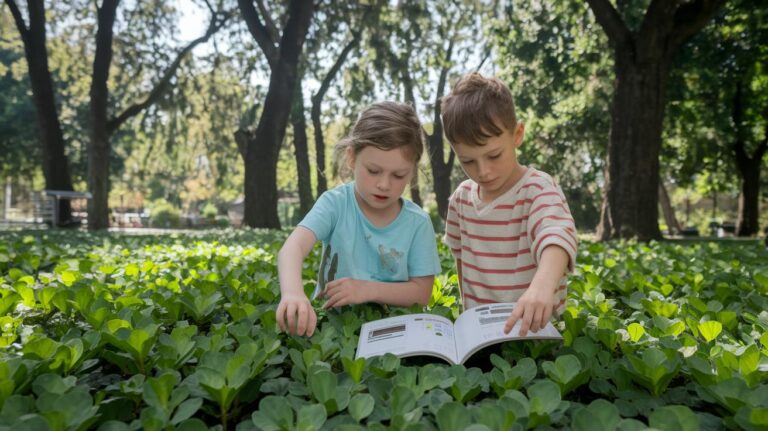
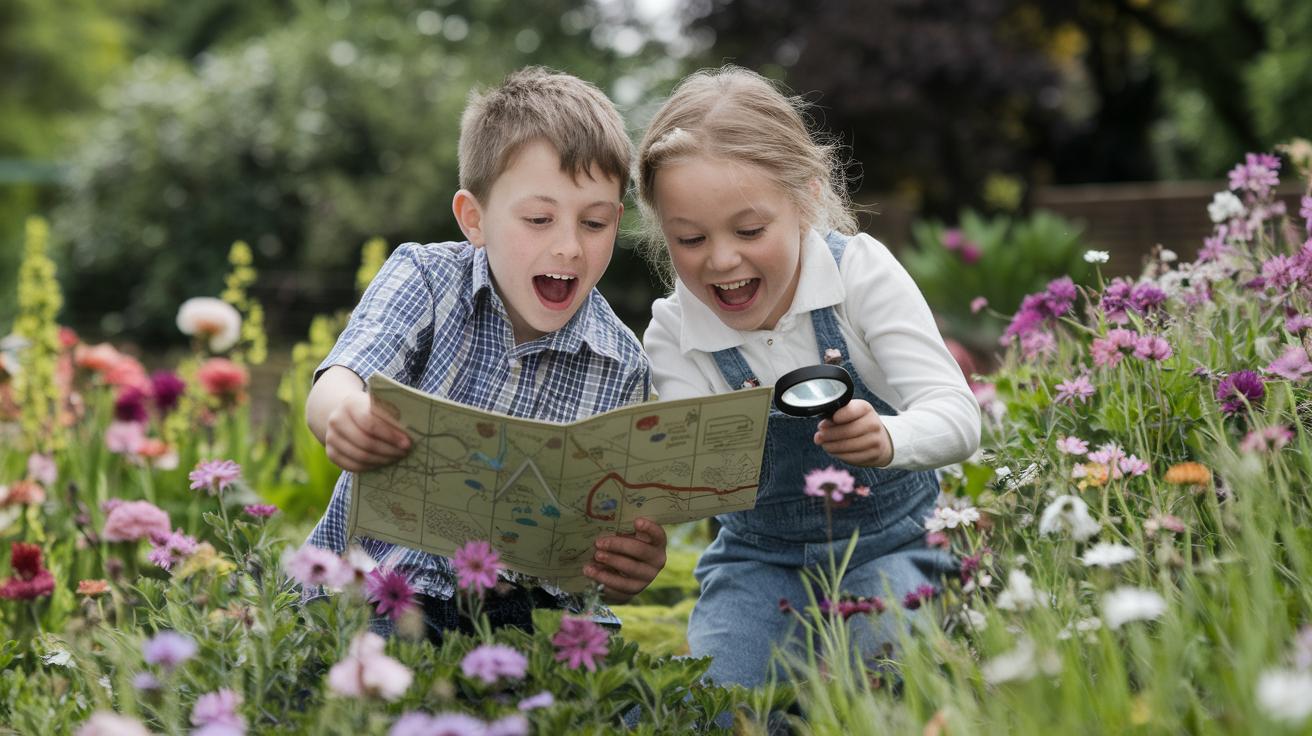
- Nature Explorer: Grab a little journal (a small notebook to sketch or jot notes). Wander under dappled sunlight and spot bright flowers and busy bugs using picture cards for your clues.
- Pirate Adventure: Hoist your eye patch and follow a hand-drawn map to hidden gold coins. X marks the spot beneath the old oak stump, arrr!
- Easter Egg Hunt: Hunt for pastel eggs tucked into planters and behind birdhouses. Feel the soft grass underfoot as you discover each colorful surprise.
- Summer Splash: Dash through the cool mist of a sprinkler and chase water balloons. Turn every shady nook and sunlit patch into your next clue.
- Winter Quest: Bundle up and track down paper snowflakes, shiny pinecones, and twinkling ornaments around the yard. Crunch through frosty leaves as you search.
For more theme inspiration, see 17 Backyard Scavenger Hunt Themes.
Crafting Age-Appropriate Backyard Scavenger Hunt Clues
Ready for a backyard adventure! Hey, if you give everyone the same clue, some folks will get bored. Toddlers have tiny attention spans. Long sentences or big words leave them drifting off.
Instead, use simple picture cards (picture prompt, a visual cue showing a bright red leaf or a soft flower) and tuck them by the real thing. They’ll light up finding the match.
By the time kids hit elementary school, they’re hungry for short rhymes or teeny puzzles that flex their reading skills. A rhyming riddle (tiny poem hinting at a hidden spot) can make them grin.
And teens? Give them a coded message (letter-number code where 1 equals A and 2 equals B) or a multi-step clue, a mini treasure map. They’ll feel like secret agents.
| Age Group | Clue Type | Sample Clue |
|---|---|---|
| Toddler | Picture Prompt (visual cue) | Spot the picture of a red leaf by the big rock |
| Child | Rhyming Riddle (short poem) | Find where the daisies sway, beneath the sun’s bright ray |
| Teen | Coded Message (letter-number code) | 3-18-25-16-20 at the fence panel holds your next hint |
When you mix and match, mind the pace. Toddlers zip through pictures in seconds, so um ask them to bring back a pebble before the next hint. Elementary kids bloom with rhymes but might stall if a riddle’s too long, read it out loud to test it. For teens, hide mini puzzles in jars or under pots to stretch the hunt. This blend of quick wins and bigger challenges keeps hearts racing and makes everyone the backyard superstar.
Assembling Your Backyard Scavenger Hunt Supply Kit
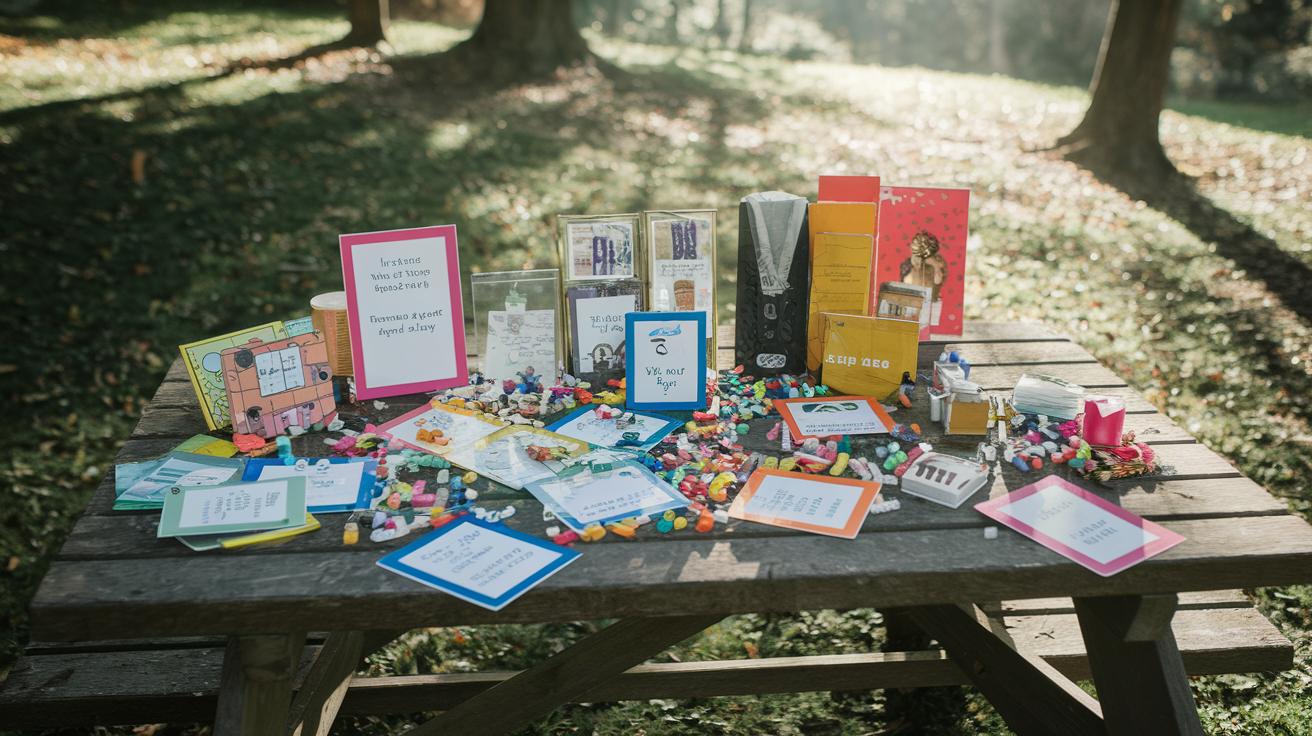
Let’s see what you already have around the house.
If you’re low on craft supplies, grab old gift bags.
They make perfect clue holders.
Cut bright paper scraps into little pennant flags.
They’ll wave in the breeze and add a pop of color.
Next, raid the kitchen cabinets.
Empty jars or plastic cups work great for each find.
The glass feels cool and weighty in your hand.
No extra trip to the store.
Now for some playful decor you probably own.
Hang a cheerful banner.
Float a handful of balloons and watch them bob in the wind.
Lay out your favorite paper plates and napkins.
You can tuck extra clues or treats right onto them.
It’s like a mini carnival in your own backyard.
Oops, my cat once bopped a balloon across the lawn – talk about a surprise clue!
Efficient Backyard Scavenger Hunt Setup and Timeline
Walk your yard from gate to fence, feeling the warm earth under your boots as you scout for any off-limit spots. Jot a quick sketch (just a simple map) so you know where clues will land.
Setup & Safety
- Mark a clear path. Use simple stakes (wooden sticks) or ribbons to show each clue spot and keep teams from bumping into each other.
- Pick varied hiding spots so hunters stay on their toes. Hide clue cards under a flat stone, slip one inside the mailbox, tie one to a low tree branch, or slip one under deck boards.
- Add fun markers. Tie colorful ribbons or set little arrows at each turn to guide hunters along the playful trail.
- Take a full walk-through (just like your friends will). Test each clue spot in order. Make sure nothing has moved or could block the way.
| Task | Estimated Time |
|---|---|
| Sketch route & place stakes | About 30 min |
| Hide clues | 30-45 min |
| Set up markers & decorations | 15-30 min |
| Walk-through check | 10-15 min |
Give yourself some wiggle room. After your first run, you’ll know how long each step really takes.
Backyard Scavenger Hunt Prize Ideas and Rewards
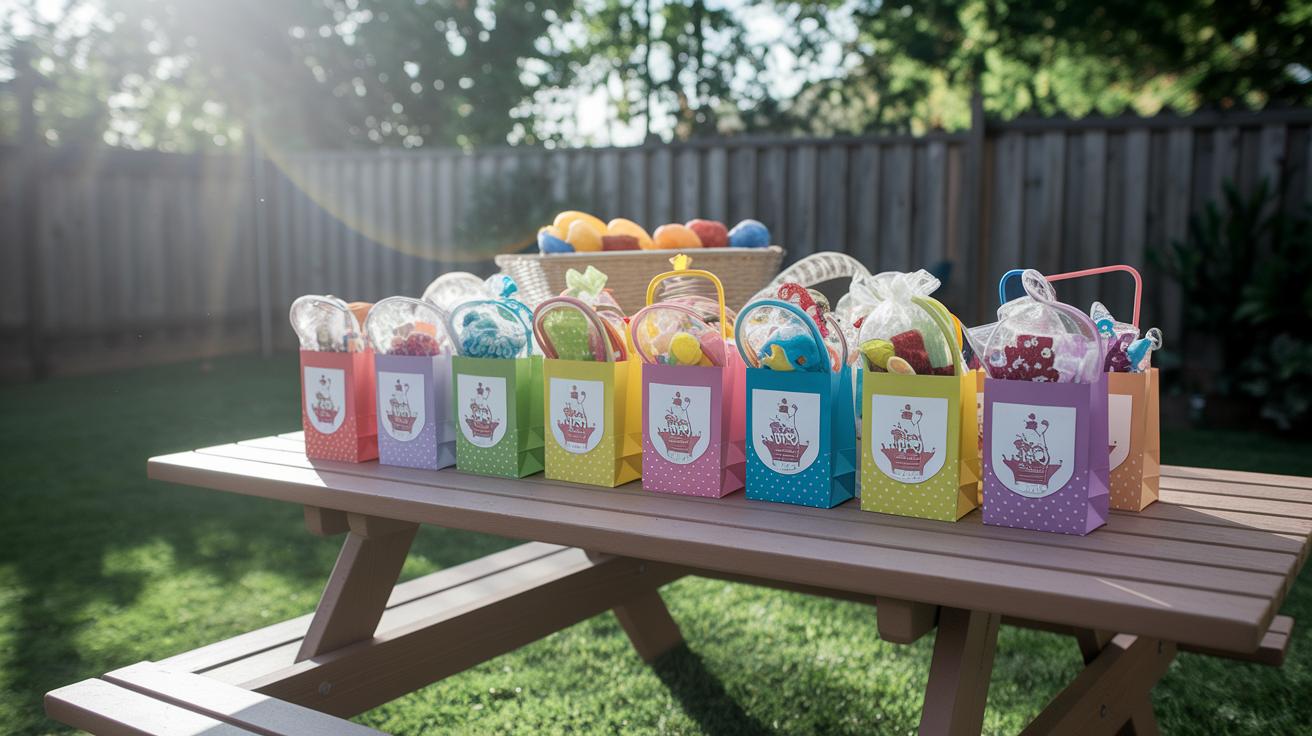
Think of each clue like a mini celebration. Have you ever seen a child’s eyes light up when they spot a tiny dinosaur sticker? Those little finds, stickers, toy animals, or colorful bracelets, feel like real treasures. Fruit snacks or small candy packs add a sweet pick-me-up when energy dips.
Wow.
Keep it fair by giving one point for each find. Or after each clue, pull a name from a hat so every hunter feels lucky. And for top finishers, hand out custom medals or certificates that shout out their detective spirit. That shiny ribbon or paper award becomes a keepsake long after the hunt ends.
Mix in themed goodie bags to tie back to your adventure. For a pirate quest, fill small burlap sacks that rustle in little hands. Add gold-foil chocolate coins that clink, toy compasses, and a rolled mini map.
Nature explorers will love seed packets (tiny paper packs of seeds), magnifying glasses, and leaf-shaped stickers tucked into flower-patterned bags. Toss in a few extra trinkets so everyone leaves with a treasure, not just the fastest runner.
By the way, even shy hunters beam when they find a tiny badge or get a certificate of participation. A combo of shared swag and winner medals keeps the excitement alive and makes your backyard party one to remember.
Safety and Contingency Plans for Backyard Scavenger Hunts
Before anyone dashes off, let’s go over a few safety tips for your backyard hunt.
I like to crawl the path on hands and knees.
That way you notice stray sticks, stones, or a coiled garden hose before someone trips.
Have you ever raced ahead and nearly face-planted?
Tie bright ribbon (colorful plastic tape) around tricky spots like the pool or flower beds.
Place small cones there too so kids steer clear.
Set clear edges with flagging tape (thin plastic tape used to mark areas).
Read the rules out loud so every helper knows where explorers can go and where they can’t.
Ribbon flutters in the breeze.
You’ll need a well-stocked first-aid kit with antiseptic wipes, Band-Aids (adhesive bandages), tweezers, and instant cold packs.
Keep the kit at a safety station in your backyard so it’s always easy to grab.
Assign one adult per team as a safety buddy to watch for splinters or bee stings.
A quick Band-Aid and a calm word get everyone back in the game!
Always check the weather before you start.
If rain clouds gather, move clues indoors and hide tokens under couch cushions or on bookshelves.
On hot days, give extra water breaks and set rest stops in the shade.
Stash chilled towels in the freezer for a cool surprise between clues!
Printable Templates and Visual Aids for Backyard Scavenger Hunts
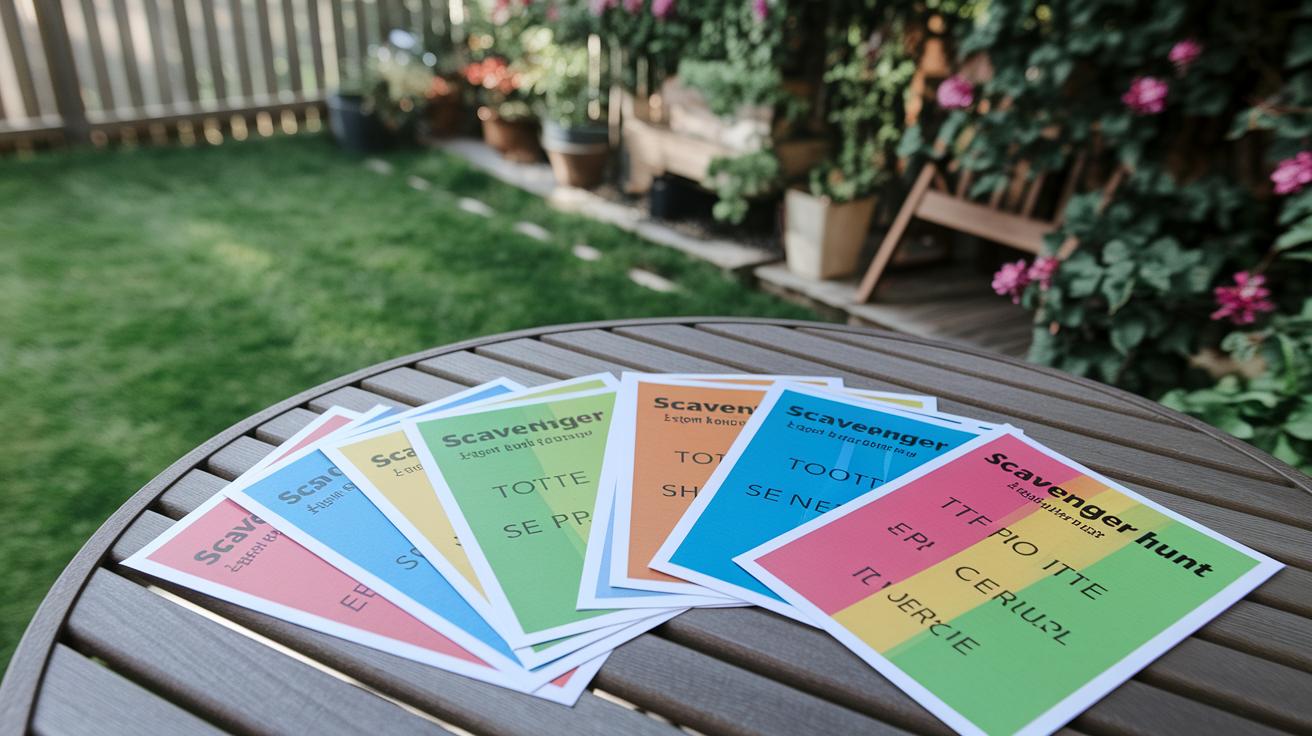
Got a busy week? I’ve put together ready-to-print PDFs of clue cards and envelope templates to make your hunt a breeze! Just download the file, feel the crisp paper under your fingers, cut along the dotted lines, and fold each card. The seasonal borders and fun icons really stand out.
The kids always ask for the mushroom design. Print a sheet of envelope templates and glue them onto small paper pockets. Then stick one at each station – oops, I once glued one upside down but it still worked. Watch their eyes light up.
Grab a big sheet of poster paper and sketch your yard. Mark hiding spots, winding paths, and a cozy rest spot under the maple tree (your favorite shady corner). Simple drawings of a birdhouse or a pinecone point the way for visual learners. It’s like a treasure map you create yourself.
I also made a printable checklist so each hunter can tick off a find as they go. It’s so satisfying to hear that pencil scratch through each item.
Want to kick it up a notch? Ask teams to snap a photo of a yellow flower or a sneaky garden gnome. You could even list shapes or textures to hunt, leaf veins (the tiny lines on a leaf), smooth stones, or bright ribbons fluttering in the breeze. It feels like a mini photo safari.
And for older kids or screen lovers, try a free or low-cost scavenger hunt app. They tap each clue on their phone, upload photos, and earn points as they go. The simple dashboard lets you cheer on every find without shuffling papers.
FAQs on Backyard Scavenger Hunt Challenges
What if Teams Tie?
Imagine two teams cross the finish line at the exact same moment. Don’t sweat it. Hand out a bonus clue, like a fun riddle or a quick word puzzle, and see who solves it first. Or challenge everyone to a mini race, weave around cones or balance a beanbag on your head. It’s a playful way to settle the score.
What to Do When Clues Go Missing
Clues have a habit of vanishing, wind whirls them away or curious critters carry them off. I once found one stuck to my dog’s fur. I always stash a backup set in a dry bucket or tuck an extra wild card clue at the final station.
If someone can’t find a clue, hand them that wild card. It points them straight to the prize and keeps the hunt rolling.
How to Adapt for Bad Weather
When rain taps on the roof or the sun blazes overhead, bring the fun indoors. Swap backyard finds for household treasures, a red cushion, a coffee mug, or a teddy bear. Hide clues under couch pillows or inside kitchen cupboards (psst, my cat thinks the cushion is her new bed). Split teams by room or floor and give each group its own clue list. You’ll be amazed at the same excitement, just with a cozy twist.
Final Words
In the action, you picked a theme that sparks curiosity and wrote clues that fit every age. You gathered supplies, hid clues with care, set up signs, planned prizes and safety measures, then topped it off with templates and quick fixes for hiccups.
Each step builds on the last so your scavenger hunt flows smoothly and keeps everyone smiling.
Now you’ve got everything you need to turn your yard into an adventure playground. Ready to bring it all together with how to plan a backyard scavenger hunt? Let’s get digging!
FAQ
How do I pick a theme for a backyard scavenger hunt?
Picking a theme for a backyard scavenger hunt means matching interests like pirate adventures or flower spotting to players’ ages. A fun theme sparks smiles and focus before the hunt starts.
What supplies do I need for a DIY backyard scavenger hunt?
You need clue cards or envelopes, collection bags or baskets, pens or pencils, plus small prizes like stickers or treats. You can add banners or balloons for fun décor when time and budget allow.
How can I craft scavenger hunt clues that suit different ages?
Crafting clues that suit ages means using simple picture prompts or rhymes like “Find something round and green” for little ones. Older kids can handle coded messages or mini puzzles for more guessing fun.
Where should I hide clues to keep the hunt exciting?
Hiding clues under rocks, inside mailboxes, taped to tree branches, or under deck boards keeps the hunt lively. Test each spot before guests arrive to make sure clues are safe and easy enough to find.
How do I set up a timeline for my backyard scavenger hunt?
Setting up a timeline means blocking 1 to 2 hours before guests arrive for hiding clues, placing signs, and decorating. Do a quick trial run to confirm clue order and mark any safety hazards.
What prizes should I offer in a backyard scavenger hunt?
Offering prizes like stickers, small toys, or edible treats keeps kids excited at each find. For top finishers, hand out custom medals or certificates, or fill themed goodie bags to celebrate every player.
How can I keep kids safe during an outdoor scavenger hunt?
Keeping kids safe means clearing trip risks, setting clear play boundaries, and supervising teams. Keep a first-aid kit handy, and check the weather so you can shift clues indoors if rain or heat hits.