How To Keep Garden Dog Safe Absolutely Protected
You might think your backyard is puppy-proof, right? But even a tiny gap under a fence can send Rover slipping into adventure. Have you ever watched your pup nose around and then disappear behind a shrub? It happens before you know it.
A loose board that creaks under your foot or a low leaf that tastes bitter can quickly turn playtime into trouble. Oops, I once left the shed door open and my pup made off with a bag of seed mix. I chased him all over the yard. Lesson learned.
In this guide you’ll learn how to spot those sneaky hazards. We’ll tuck away hoses and garden tools so paws don’t get tangled. We’ll carve out cool, shady spots when the sun’s blazing and set up easy-to-reach water stations so Fido stays refreshed.
By the end you’ll have a simple pup-proof plan in place. No more worrying about scraped paws or upset tummies. Ready to turn your yard into a safe doggy paradise? Let’s get started!
Immediate Garden Safety Checklist
Before your pup dashes into the yard, let’s make sure every corner is dog-proof. Tuck this list in your pocket and let’s get started.
- Inspect the fence. Walk around, press on boards or posts, and peek for gaps. Is it at least four feet high? Patch any loose spots so your escape artist can’t wiggle through.
- Remove anything that could harm your dog. Pull up plants that can make them sick (like foxglove or oleander) and stow garden chemicals (fertilizers, pesticides) in a locked shed.
- Create cool shade spots and hydration stations (fresh water bowls). Place them near sunny areas so your pup can nap in the shade and drink whenever it’s thirsty.
- Protect your flower beds. Lay digging deterrents (things that stop dogs from digging), like chicken wire or decorative rocks, around the edges.
- Check for critters and pests every week. Look for holes, nibbled leaves, or droppings, wildlife can sneak in and startle your buddy.
- Pack an emergency kit with basic first-aid supplies. Include gauze pads, antiseptic wipes, your vet’s phone number, and a towel.
Only after you’ve ticked off every box should your dog roam free. Happy gardening, and safe tail wags!
Selecting Pet-Safe Plants and Landscaping Materials
Hey there, ready to make your garden a safe haven for your pup? First, pull out anything that could upset their tummy or worse. Common troublemakers are tomato leaves, stems, and unripe fruit. Also watch out for green or sprouted potatoes, all onion family plants (onion, garlic, chives, leeks), rhubarb leaves, raw fava beans, and corn cobs that can get stuck in a throat. Spinach and cooked green beans are usually fine in tiny bites.
Swap those risk-takers for pet-friendly veggies and blooms. Try sweet potatoes (cooked) instead of regular spuds. Use Swiss chard instead of rhubarb leaves. Give cherry tomatoes, ripe and in little tastes, so they’re less likely to cause trouble. Raised beds or containers keep plants up high and away from curious noses.
And mulch matters here, too. Skip cocoa mulch. It smells sweet but’s toxic if chewed. Plant creeping thyme or clover as living groundcover (plants that spread to cover soil). Bark-free wood chips or smooth gravel work great under shady trees or along walkways. Top it all off with organic compost (decayed organic matter that enriches soil). It helps everything grow without harsh chemicals.
For a full list of pet-safe landscaping picks, check out our pet safe plants.
| Plant | Toxic Part | Safe Alternative |
|---|---|---|
| Tomato | Leaves, stems, unripe fruit | Cherry tomatoes (ripe, small amounts) |
| Potato | Green/sprouted tubers, leaves | Sweet potato (cooked) |
| Onion (Allium) | All parts | Parsley instead of chives |
| Rhubarb | Leaves | Swiss chard |
| Corn cob | Hard cob (choking risk) | Corn kernels (cooked, small bites) |
Planting pet-safe patches means peace of mind, and a garden your dog can happily explore.
Designing Secure Boundaries with Dog-Proof Fencing
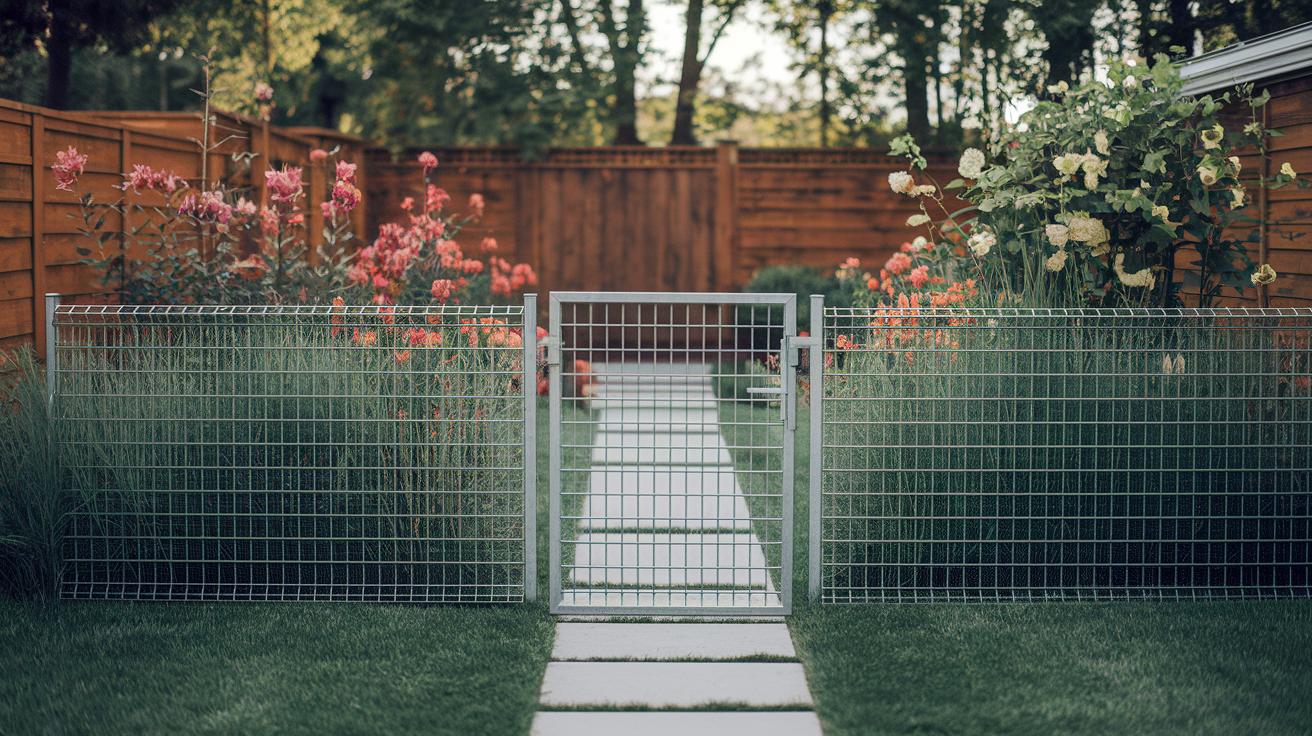
So you want to keep your pup away from your blooms, right? Let’s pick fencing that holds up to sniffing, pawing, and the occasional nudge.
For a simple fix, try poultry netting (thin metal mesh often called chicken wire) or wire-mesh rabbit-guard fencing (fine wire grid to keep small critters out). They slide right onto wood or metal posts and feel sturdy under your hand. If you like a little flair, framed lattice panels let air and light dance through. And for raised beds, prefab no-dig kits like CritterGuard (prebuilt pieces you lock around your bed without digging) keep curious noses out of your seedlings.
Gates need extra love. Install self-closing hinges (they swing shut all by themselves) so your pup can’t push open the gate after a stroll. Mount latches at least four feet off the ground, jumping breeds won’t reach them. If you’ve got a real escape artist on your hands, a simple padlock or barrel bolt adds an extra layer of “nope, not today.”
Burrowing dogs call for anti-dig fences. Bury the fence edge six to eight inches deep or fasten strips of hardware cloth (crimped wire mesh) under soil and mulch. Overlap each seam by a few inches so there’s no wiggle room for sneaky noses. And look for weld-joined mesh (where the wires are fused together) because it lasts longer than bent wire with jagged edges.
Got rocky or compacted ground? Dig your post holes and pack in medium crushed gravel (small stone bits) for rock-solid support. Place posts every four feet and let them peek six to eight inches above the fence top, you’ll need that extra height to hammer on caps or finials later. But skip any decorative spikes or sharp trim, they’ll snag collars or slice paws.
With these tips and the right materials, your yard turns into a snug, dog-proof zone. No more surprise escapes or secret tunnels, just peace of mind and happy pups on their side of the fence.
Shade, Hydration, and Temperature Control for Garden Dogs
Shade saves paws!
A good shade design for your pup starts with an open-air shelter or shade cloth (light fabric that blocks sun rays) stretched over patios and runs. You can string a retractable awning or hang UV-blocking fabric and cut the sun by up to 90 percent. Check our shade ideas for backyard guide for layouts that look great and stay sturdy.
Staying hydrated is key on hot days!
Set up a self-serve water station with a lick-activated waterer (bowl that refills when licked) or an outdoor pet fountain so fresh water’s always bubbling. Keep it in a shady corner and top off the bowl each morning and evening. Oops, I once forgot, and my pup gave me the saddest look.
When midday heat spikes, create cool zones for your pup. Cluster deciduous trees (trees that lose leaves each fall) or pitch a pop-up shade tent so they can wander safely. Lay cooling pads (gel mats that feel cold) on stone or tile for a chilly paw rest.
For extra peace of mind, equip your dog with a reflective collar or a temperature sensing tag (device that tracks heat). And yes, supervised pool play is a game-changer. Just cover or fence off any unused water to prevent slips or falls.
Preventing Digging and Chewing Behaviors in Garden Dogs
Plant a clear path 12 to 18 inches wide (about as long as a ruler and a half) along your fence or garden edge. Move your flowers and mulch (decayed leaves or bark that covers soil) just outside that lane. That way your pup can patrol without trampling blooms. And low hedges or a short border fence around flowerbeds steer curious noses away, too.
For delicate blooms, try raised planter boxes (garden beds lifted above ground). They keep flowers out of reach and looking pretty. If your dog still wants to chew, sprinkle bitter herbs like rosemary or lavender along the edges. They smell great to us, but most pups avoid that tangy taste. Toss in some rough toys, rubber bones or thick knotted ropes, to keep chewing directed to the right place.
Keep your mulch layer under two inches so the earth stays soft beneath your dog’s paws but doesn’t look like a digging invitation. The ground should feel comfy, not tunnel-ready.
Installing Subsurface Barriers
Dig a shallow trench four to six inches deep (about the height of three stacked baseball cards). Lay hardware cloth (a flat wire mesh) in the trench, overlapping seams by a few inches so no gaps show. Fold the top edges up to meet the soil line, then cover with two inches of soil or mulch. It feels firm, like stepping on a rock, so digging goes from fun to forget-it.
Creating a Designated Sandbox
Pick a shady corner and build a 4×4-foot box out of smooth wood or low bricks. Fill it with play sand (soft, quick-drying sand that rinses clean). Rake it smooth every few days and toss in a couple of chew toys. My terrier digs a bit, then flops down in the cool sand for a nap. Suddenly, the rest of the yard is all hers, and your flowerbeds stay intact!
Managing Seasonal and Wildlife Hazards for Garden Dog Safety
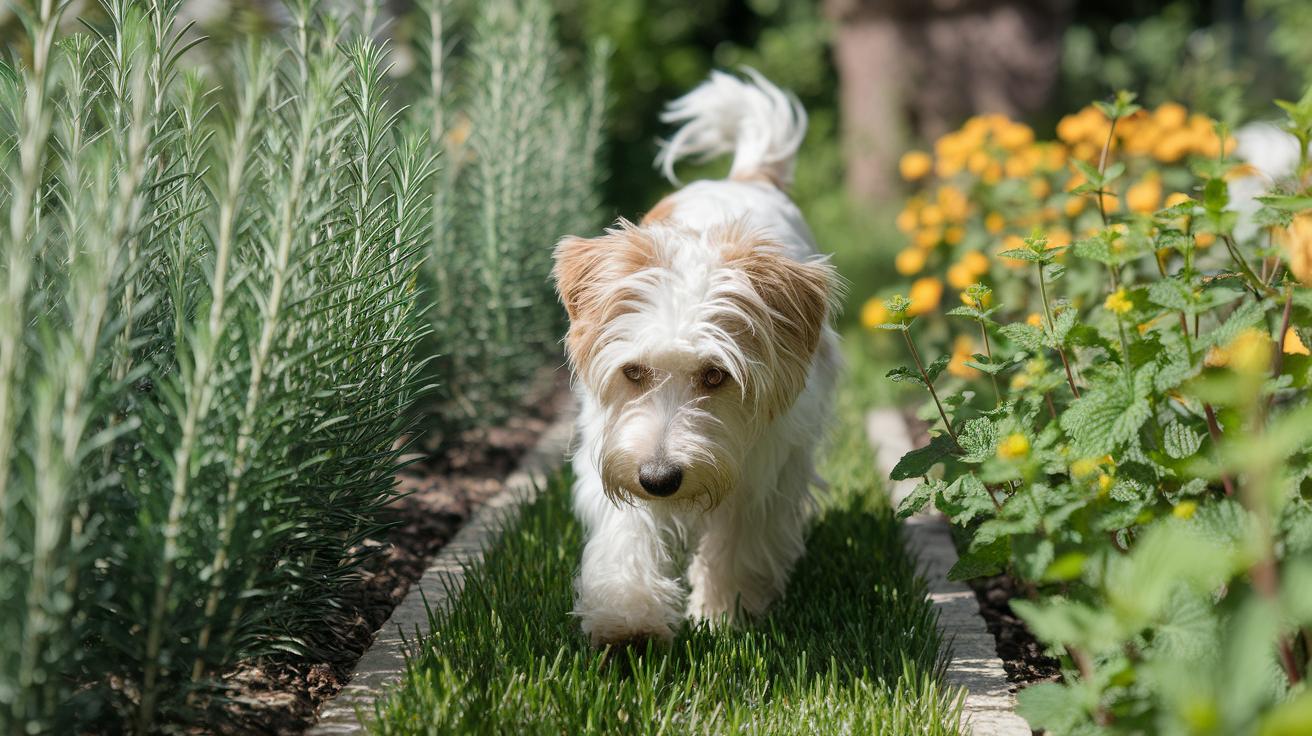
And at dusk, stroll your yard with a flashlight and shine it under shrubs and low limbs. You might spot skunks or mice in hidden hollows. I once found a raccoon den behind my rose bush! Next, seal tunnels with hardware cloth (sturdy wire mesh) so critters can’t burrow near your pup’s favorite hangout.
You can also float bird and squirrel feeders well away from your dog’s sniffing zone. Bonus: it cuts down surprise wildlife visits and keeps Fido safe.
Keep your grass clipped short and clear damp leaf piles every week. Those soggy leaves turn into tick hotels fast. Ticks and fleas love cool, shady spots. Oops, I forgot to clear mine last week and found three ticks on my boots! By the way, planting rosemary (fragrant herb), mint (cool scent), or chrysanthemums near play areas gives pests the cold shoulder.
Colorful blooms can brighten your garden but some flowers sicken dogs. Skip foxglove, lilies, and azaleas since they can make your pup sick if sniffed or nibbled. Instead, plant sturdy marigolds or sunflowers that stand up to curious noses and naturally repel pests. For a safe snack, tuck a small raised planter of raspberries into the corner of the yard since they’re crunchy and pup-friendly.
When ice or heavy snow arrive, clear a path so paws don’t slip on slick spots. Sprinkle pet-safe deicer or coarse sand (fine gravel works too) to add traction. After playtime, wipe muddy or icy paws and trust me, you’ll thank me later. Then tuck a weatherproof doghouse or a cozy blanket nest by the porch so your buddy can curl up warm when the wind really bites.
How To Keep Garden Dog Safe Absolutely Protected
First, build an outdoor first-aid kit for your pup. Grab a waterproof box and pack gauze (soft cloth for wounds), antiseptic wipes, a muzzle if your dog ever gets nervous, and tick-removal tools (tiny pliers for pulling out ticks). Slip in a card with your emergency vet’s number and the poison control hotline. Tape it by the outdoor faucet so it stays in place, oops, learned that the hard way once!
Run a weekly garden check. Peek around for sharp tools lying in the mulch or broken fence boards. Watch for spills of fertilizer (plant food) or pesticide (bug killer). If you spot a leak, pop on gloves, rinse the soil with water, and shoo your pup away until the ground’s dry. Then lock away any chemicals and your shovel in a cabinet, tool storage safety keeps curious noses out.
Take a look at the fence next. Tighten any loose panels or wiggly posts right away. Then set a reminder on your phone for six months from now to check again. While you’re at it, cover your compost heap (decayed organic matter that enriches soil) so she can’t paw around for snackable scraps.
Keep the yard neat. Scoop droppings every day to stop bacteria from throwing a party in the grass and to avoid any slimy surprises. Your nose, and your dog’s paws, will thank you!
Final Words
You’ve armed yourself with a rapid-fire safety checklist to seal gaps, clear toxins, and set up shade and hydration. You’ve picked pet-friendly plants and swapped risky veggies for safe blooms.
Secure fences, cool retreats, and digging zones keep curious noses and paws happy. Seasonal scans and an emergency kit mean surprises won’t catch you off guard.
Now you’re ready for outdoor play with confidence, mastering how to keep garden dog safe.
FAQ
How can I dog-proof my garden on a budget?
Dog-proof your garden on a budget by securing low-cost fencing (wire-mesh or poultry netting), burying the bottom edges to stop digging, and adding temporary panels near flower beds.
What fencing options work best to keep dogs out of my garden?
Fencing with poultry netting, wire-mesh panels, prefab no-dig kits, and self-closing gate latches creates a sturdy pet barrier that blocks digging and escapes.
How do I stop my dog from escaping the garden?
You stop garden escapes by checking fence height and integrity, adding underground barrier mesh (hardware cloth under soil), and installing latches out of paw’s reach.
How can I prevent my dog from destroying plants and digging?
Prevent plant damage by offering a shaded sandbox, covering beds with hardware cloth, and planting tough, distracting shrubs or herbs like rosemary.
How do I create a pet-friendly garden that’s safe and fun?
You create a pet-friendly garden by picking non-toxic plants, adding shaded rest spots, setting up water stations, and providing chew toys away from beds.
Which low-maintenance outdoor plants are safe for dogs?
Low-maintenance dog-safe plants include false goat’s beard, coral bells, bee balms (flower clusters that attract bees), coneflower, catnip, and phlox.