Organic Lawn Weed Control Methods
You can have a thick, green lawn without reaching for a single harsh chemical — it just takes a different game plan. Instead of spraying weeds and hoping, organic lawn weed control works on three fronts at once: you catch weeds early, you remove the ones that show up without synthetic herbicides, and you grow grass dense enough that new weeds never get a foothold. I’ve leaned on this routine for years, and the payoff is a yard that feels good to walk barefoot across and gets a little easier to care for every season. Here’s exactly how I do it.
As an Amazon Associate, Backyard Superstar earns from qualifying purchases at no extra cost to you.
How Organic Weed Control Actually Works
The whole approach comes down to three habits that build on each other. Skip any one of them and weeds find the gap.
First, you spot weeds early. A slow walk on a cool, dewy morning — when the grass is soft underfoot and young weeds are easy to see — lets you catch dandelions and chickweed before they flower and scatter seed. A few minutes now saves hours later.
Second, you remove what you find, gently and without synthetics. For most weeds that means pulling them by the root or hitting them with a homemade spray. Both are simple once you know the trick to each.
Third — and this is the part people skip — you strengthen the grass so it crowds weeds out on its own. Overseeding bare spots, top-dressing with compost, and aerating compacted soil all build turf so thick that weed seeds never reach the light they need to sprout.
The bonus is what’s happening below the surface. Fast-acting chemical herbicides scorch leaves and can wash into storm drains and streams. This routine does the opposite — it feeds earthworms and the soil microbes that keep your lawn healthy, so every pass leaves your yard a little stronger than the last.
Identifying Common Lawn Weeds and What to Tackle First
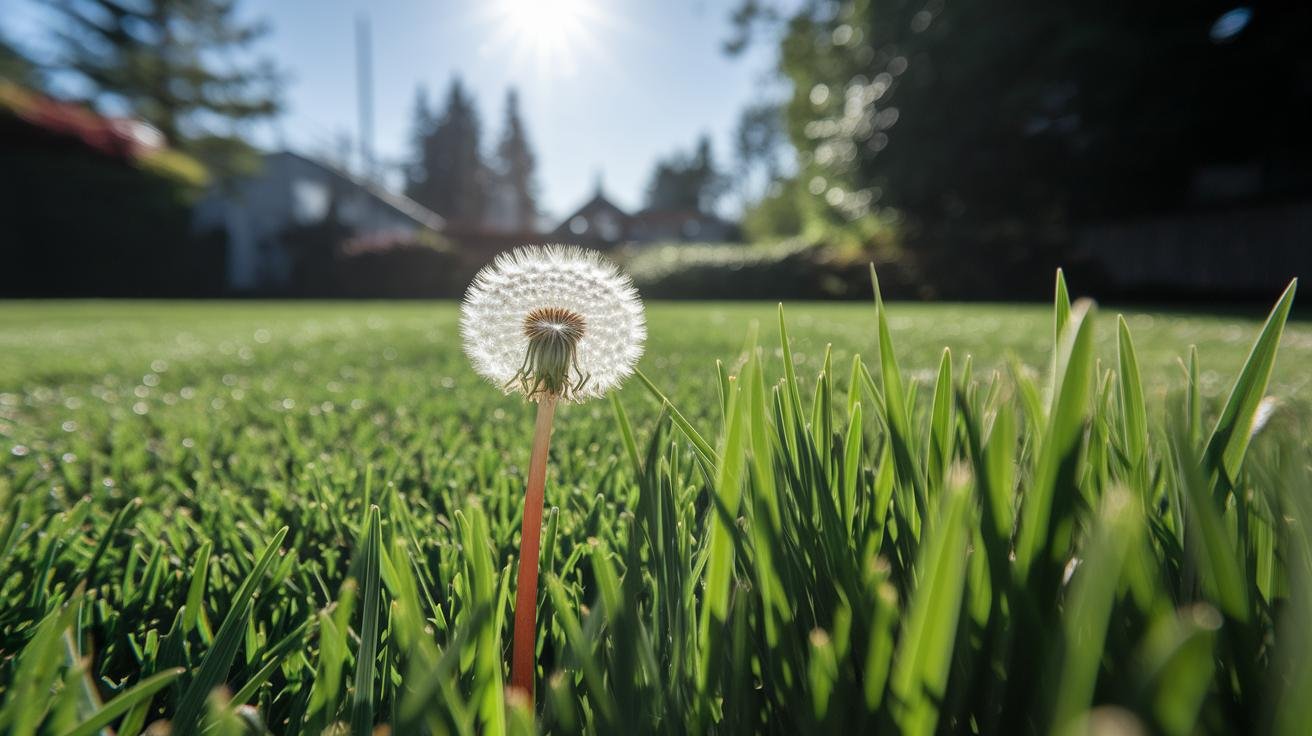
Knowing what you’re looking at changes everything, because different weeds call for different timing and tactics. Once you can recognize the usual suspects by leaf shape and growth habit, early removal becomes second nature. Here are five you’ll meet most often and how to spot them fast.
| Weed | Type | Key feature |
|---|---|---|
| Dandelion | Broadleaf | Tooth-edged leaves and a bright yellow flower over a deep taproot |
| Plantain | Broadleaf | Oval leaves with prominent parallel veins |
| Chickweed | Broadleaf | Low mat of small leaves with tiny white star-shaped blooms |
| Crabgrass | Grassy | Low, spreading clumps of wide blades in bare, sunny spots |
| Nutsedge | Sedge | Glossy, stiff blades and a triangular stem in soggy areas |
Broadleaf weeds like dandelion and plantain hide deep taproots that snap if you pull too fast, so wait until the soil is damp, grip low at the base, and lift slowly. Grassy weeds like crabgrass love warm ground and bare patches — the fix is to fill those gaps with seed and mulch before crabgrass claims them. Nutsedge is the sneaky one: it spreads by underground tubers, so pull it the moment you see it, before it multiplies below ground.
Early spring is prime scouting time. As the soil warms, walk the lawn looking for new shoots instead of waiting for big, seed-heavy weeds to announce themselves. If you’d like a closer field guide with photos, our walkthrough on how to identify common lawn weeds covers the rest of the regulars.
Pulling Weeds by Hand the Right Way
Hand-pulling gets a bad reputation it doesn’t deserve. Done at the right moment, with the right grip, it’s quick, satisfying, and permanent — no regrowth from a root left behind.
The timing matters most. Wait until the soil feels soft and damp, like a sponge a day after rain. Kneel on a foam pad so you can get low and comfortable, grip each weed right where the stem meets the ground, then twist gently and pull straight up. When the whole taproot slides free with a soft pop, you’ve got it. Always pull before a weed flowers so it can’t drop seed on the way out.
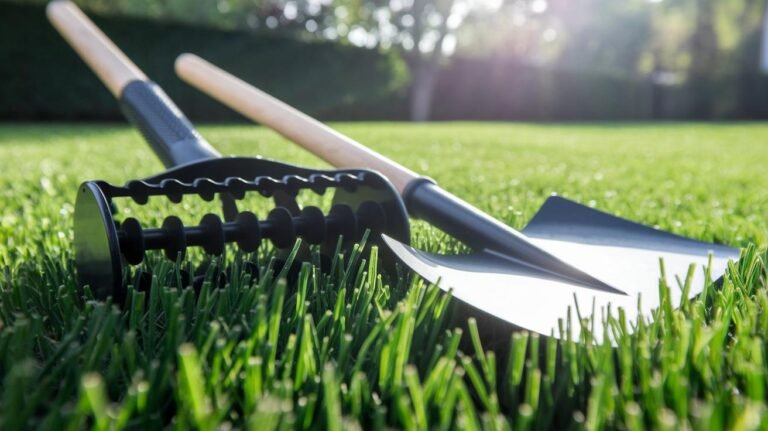
For a lawn’s worth of weeds, a stand-up tool saves your back and your knees. The classic is Grampa’s Weeder, the original stand-up weed puller (premium range, $$): you set its four-claw head over a dandelion, step on the foot bar, tip the handle, and the whole taproot levers out while you’re still standing. It’s a beautifully simple bamboo-and-steel tool that lasts for years. If you’d rather spend less, the Fiskars 4-claw stand-up weeder does the same job with a steel shaft and an easy-eject slide that pops the weed off without bending over (budget range, $). Either one turns a chore into a few minutes’ work.
| Tool | What it does | Quick tip |
|---|---|---|
| Stand-up weed puller | Levers out deep taproots while you stay upright | Center it over the crown and rock toward the foot bar |
| Dandelion digger (hand fork) | Reaches the taproot of flat broadleaf weeds | Poke beside the root, then lever it out gently |
| Stirrup hoe | Slices surface roots of tiny seedlings | Use a light push-and-pull motion just under the soil |
| Pulling gloves | Grip slippery stems and protect your hands | Rinse the mud off before it bakes on |
Organic Sprays and DIY Weed Killers That Work

When pulling isn’t practical — a wide patch of young weeds, or stubborn growth in path cracks — a few organic sprays and treatments do the heavy lifting. None of them are selective, so aim carefully and keep them off the grass you want to keep.
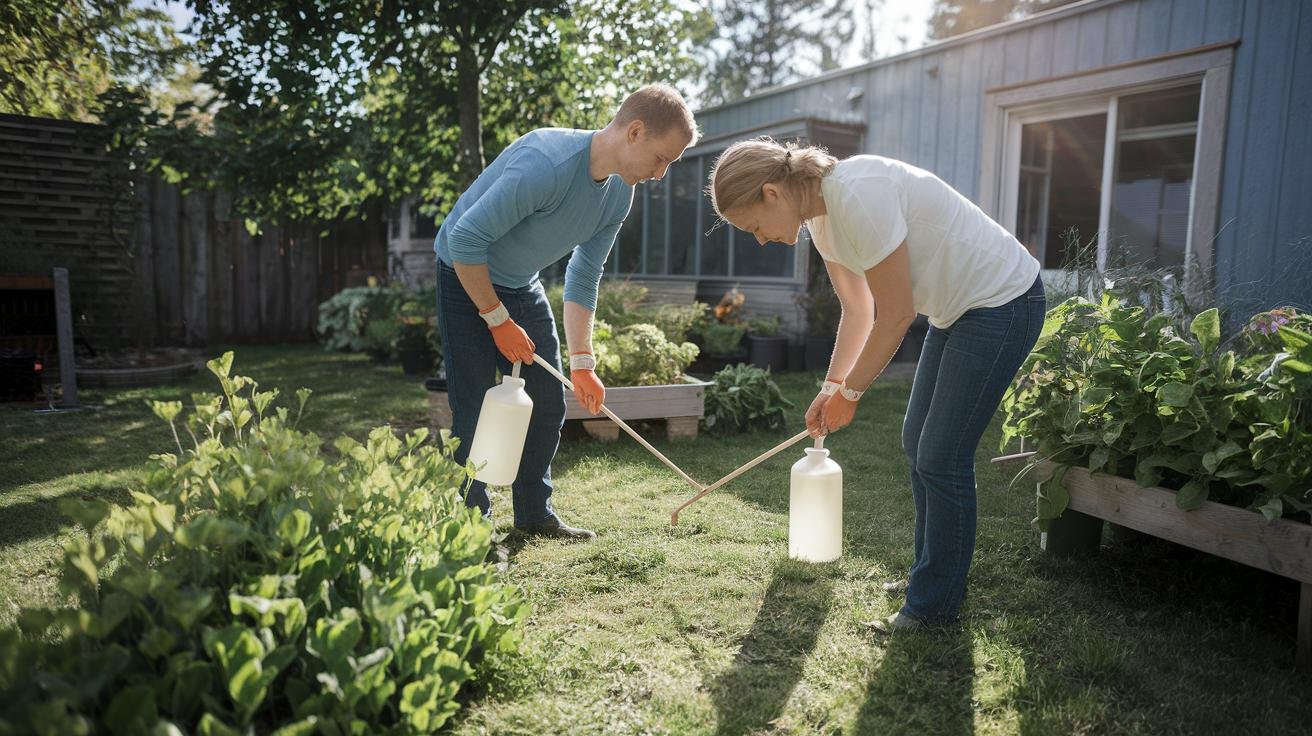
Horticultural vinegar. Ordinary kitchen vinegar is too weak; the weed-killing strength comes from concentrated acetic acid in the 10–20% range. You can mix your own with a squirt of dish soap so it clings, or skip the measuring and use a ready-made bottle like Green Gobbler 20% vinegar weed and grass killer (mid range, $$). Spray it on a warm, sunny midday and the leaves brown within hours. It burns the top growth fast but won’t always kill a deep taproot, so tough weeds may need a second pass. For mixing ratios and timing, our vinegar herbicide recipe walks through it step by step.
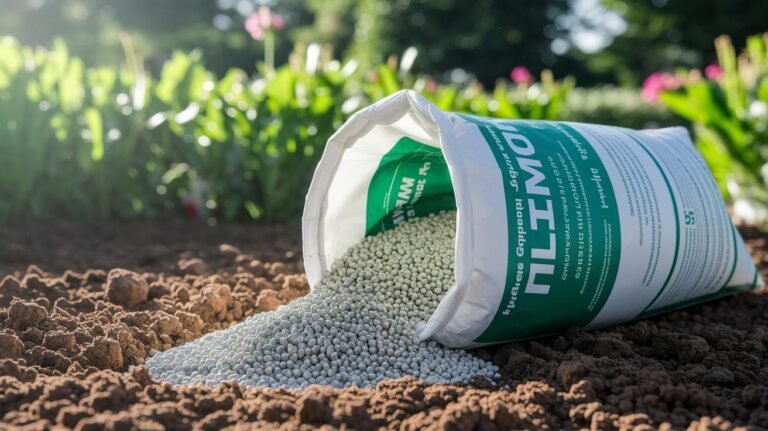
Corn gluten meal. This is the organic gardener’s pre-emergent — it stops new weed seeds from establishing rather than killing what’s already growing. Spread a product like Espoma Organic Weed Preventer corn gluten meal at about 20 pounds per 1,000 square feet, one to two weeks before weed seeds would normally sprout, then water it in lightly (mid range, $$). It blocks germination and adds a gentle dose of nitrogen, so your grass greens up while weeds stall. The catch: timing is everything, and it won’t touch weeds that are already up. There’s more on getting the window right in our guide to using corn gluten meal to prevent garden weeds.
Boiling water. For weeds in driveway cracks and along stone paths, a careful pour of boiling water right at the base kills roots instantly and leaves no residue. Keep it away from grass and plants you want to keep — it scalds anything it touches.
Spot treatments to skip. I leave salt out of the mix entirely; it kills weeds but lingers in the soil and can stop anything from growing there for a long time. Stick with vinegar, corn gluten, and boiling water and you keep your soil alive.
Building Soil and Turf That Crowds Weeds Out
Here’s the truth that makes everything above easier: a thick, healthy lawn is the best weed control there is. Weeds are opportunists that move into thin, stressed, compacted turf. Fix the growing conditions and most weeds simply never get a chance.
Start with the soil. Aim for a pH between 6.2 and 7.0, where grass takes up nutrients best. If a simple test reads low, work in a little garden lime; if it reads high, a dusting of elemental sulfur brings it down. Once a year, in spring or fall, core-aerate to relieve compaction — pulling small plugs from the lawn lets air, water, and nutrients reach the roots. A Yard Butler manual lawn coring aerator handles a typical yard without a rental machine — you just step it into damp soil and it lifts out the plugs (mid range, $$). If you’re new to it, our primer on manual lawn aeration covers the how and when.
After aerating, top-dress with about an eighth-inch of compost to feed the soil life, then scatter grass seed over any thin spots and rake it in gently. The rest is good lawn habits that quietly starve weeds:
- Mow high. Set the blade to 3–4 inches and keep it sharp. Taller grass shades the soil and keeps weed seeds in the dark where they can’t sprout.
- Water deeply, not often. About one inch a week in a single soak sends roots deep, where shallow-rooted weeds can’t compete. Morning is best so the blades dry before evening.
- Feed gently. A slow-release organic fertilizer keeps grass growing steadily and thick, so it stays dense enough to out-compete weeds all season.
Mulch, Barriers, and a Season-by-Season Weed Plan
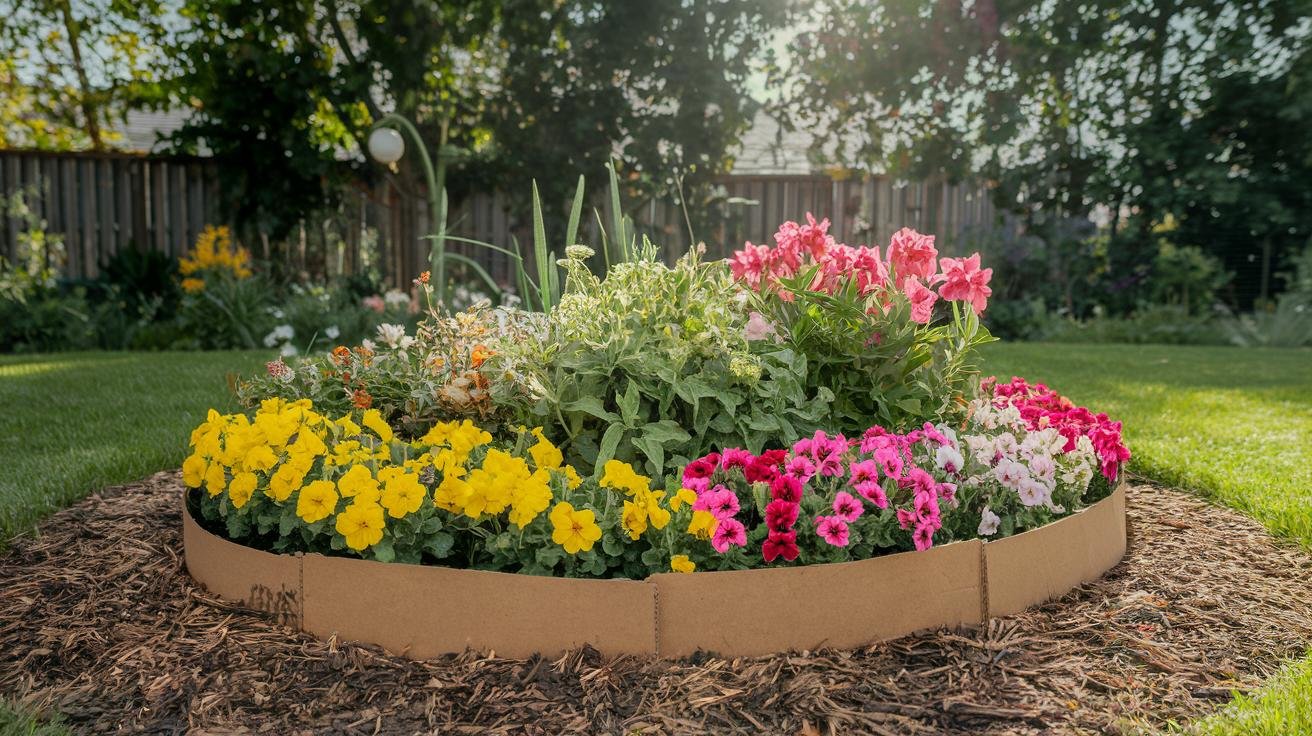
Weeds love to creep in along bed edges and path borders, and that’s where a barrier earns its keep. A 2–3 inch layer of shredded bark, straw, or cocoa hulls along borders blocks light and smothers seeds before they sprout. For busy walkways, landscape fabric or a few layers of jute or paper matting lets water and air through while keeping weeds down — no plastic required.
Got a bare patch in the lawn itself? Lay down wet cardboard or several sheets of newspaper, top it with a thin layer of compost, then sow grass seed over it. The paper smothers what’s below while your new grass gets a cozy, even start.
The easiest way to stay ahead of weeds is to let the seasons set your schedule:
- Spring: Spread corn gluten meal over thin areas before seeds sprout, then overseed where the lawn needs filling in.
- Summer: On dry, calm days, hand-pull broadleaf weeds or give them a quick vinegar spot-treatment.
- Fall: Dethatch matted areas, core-aerate, then top-dress with compost and seed while the soil is still warm.
- Winter: Rake away fallen leaves and plan a soil test so you’re ready to amend first thing in spring.
Stick to that mulch, barrier, and seasonal rhythm and you’ll spend far less time weeding and far more time enjoying the lawn.
Choosing Weed-Resistant Grass and Renovating a Patchy Lawn
If you’re constantly fighting weeds in the same thin, struggling areas, the grass itself may be the weak link. Some varieties simply out-compete weeds better, and choosing the right blend for your conditions does a lot of the work for you.
For most cool-season lawns, a blend built around tall fescue is hard to beat — its deep roots help it shrug off shade and dry spells, and a little perennial ryegrass mixed in sprouts fast to fill bare patches before weeds can. A ready-made blend like Jonathan Green Black Beauty Ultra grass seed combines tall fescue with bluegrass and ryegrass for exactly that mix of toughness and quick cover (mid range, $$–$$$). In warm climates, a heat-loving option like buffalo grass stays green once it’s established.
When a lawn is more weeds than grass, it’s renovation time. Clear or smother the worst areas, amend the soil with compost, then seed at about 5 pounds per 1,000 square feet and rake so the seed makes good contact. Keep the topsoil lightly damp until you see sprouts in 7 to 14 days, then water every other day so the new roots dig deep. Within a season you’ll have turf dense enough to keep weeds out on its own. For a full step-by-step, see our lawn renovation tips for eliminating weeds.
Recommended gear for organic lawn weed control
As an Amazon Associate, Backyard Superstar earns from qualifying purchases at no extra cost to you.
- Stand-up weeder (premium) — Grampa’s Weeder, Original Stand-Up Weed Puller ($$). Levers out deep taproots without bending; bamboo-and-steel, built to last.
- Stand-up weeder (budget) — Fiskars 4-Claw Stand-Up Weeder ($). Same upright pulling action with an easy-eject slide, for less.
- Organic spray — Green Gobbler 20% Vinegar Weed & Grass Killer ($$). Concentrated acetic acid that browns weeds within hours; glyphosate-free.
- Organic pre-emergent — Espoma Organic Weed Preventer (Corn Gluten Meal) ($$). Blocks weed-seed germination and gently feeds the lawn.
- Aeration tool — Yard Butler Manual Lawn Coring Aerator ($$). Pulls soil plugs to relieve compaction so roots — not weeds — thrive.
- Weed-resistant seed — Jonathan Green Black Beauty Ultra Grass Seed ($$–$$$). Deep-rooted tall-fescue blend that grows thick enough to crowd weeds out.
FAQ
What are the main methods of organic lawn weed control?
Organic weed control rests on three habits: spot weeds early, remove them by hand-pulling or with natural treatments like vinegar and corn gluten, and grow thick, healthy turf that crowds new weeds out. Used together, they keep weeds down without synthetic herbicides.
How do I identify the weeds in my lawn?
Look at leaf shape, growth pattern, and bloom time. Broadleaf weeds like dandelion and plantain have flat, wide leaves; grassy weeds like crabgrass grow in low clumps; nutsedge has stiff, triangular stems. Scout in early spring when young weeds are easiest to catch.
When is the best time to hand-pull weeds?
Pull weeds when the soil is soft and damp, such as a day after rain or watering, so the whole taproot lifts out cleanly. Always pull before the weed flowers and sets seed, which stops it from spreading across the lawn.
Does vinegar really kill lawn weeds?
Concentrated horticultural vinegar (10–20% acetic acid) browns and kills the top growth of young weeds within hours, especially sprayed on a warm, sunny day. It isn’t selective, so keep it off your grass, and note that tough deep-rooted weeds may need a second application.
How does corn gluten meal control weeds?
Corn gluten meal is an organic pre-emergent: spread at about 20 pounds per 1,000 square feet one to two weeks before weed seeds sprout, it blocks germination while adding a little nitrogen. It prevents new weeds but won’t kill weeds that are already growing.
What lawn care practices prevent weeds long term?
Keep soil pH between 6.2 and 7.0, aerate yearly to relieve compaction, mow at 3–4 inches, water about an inch deeply once a week, and overseed thin spots. Thick, well-fed grass shades the soil and leaves weeds no room to establish.
Which grass types resist weeds best?
Deep-rooted tall fescue resists weeds well in cool-season lawns, especially blended with quick-sprouting perennial ryegrass to fill bare spots; buffalo grass suits hot climates. A dense, competitive turf is the most reliable long-term weed barrier.