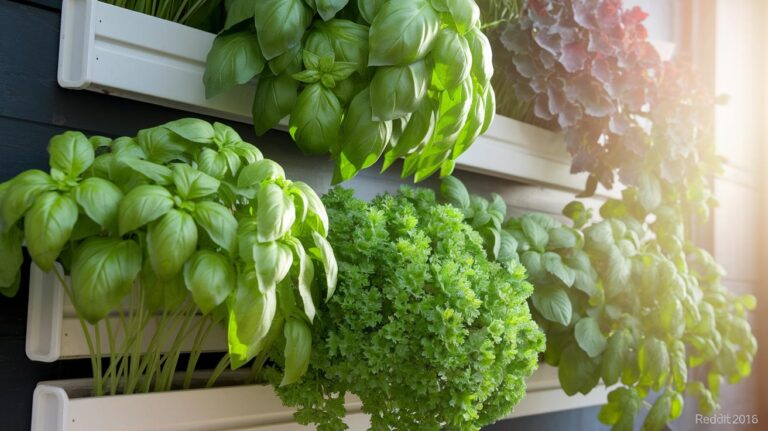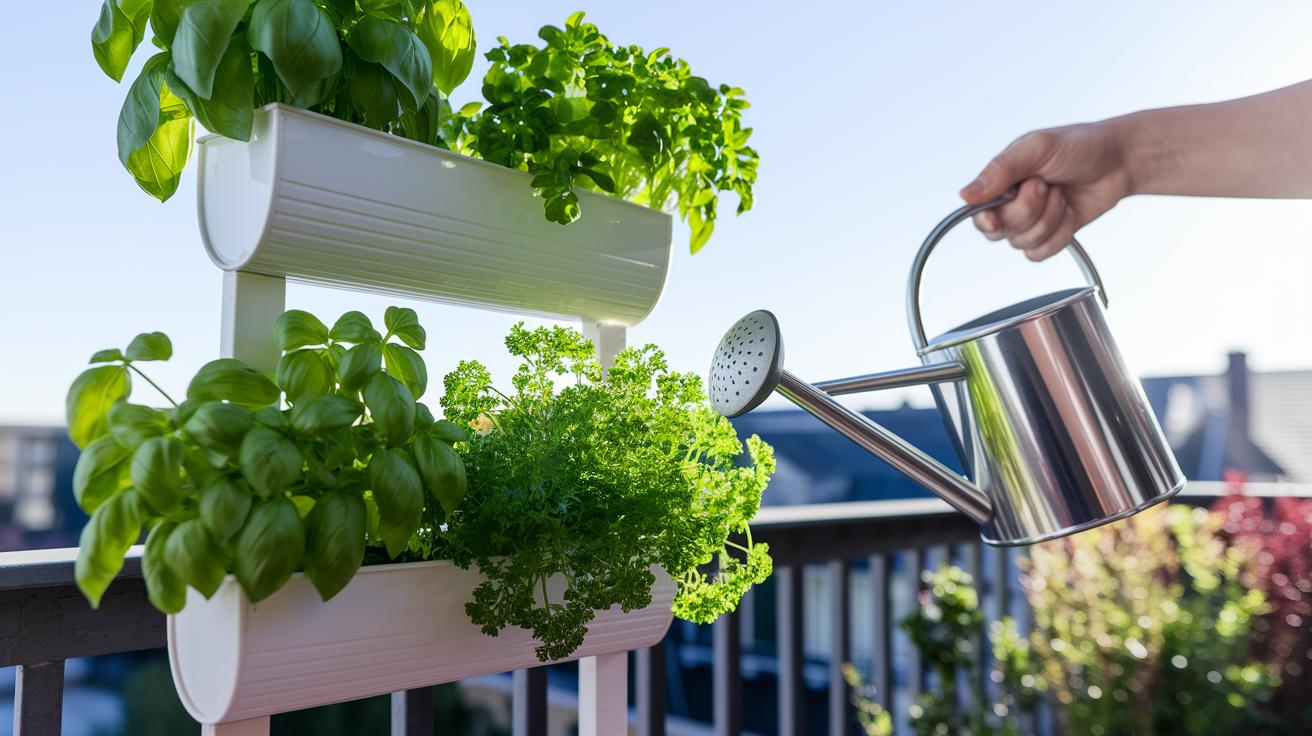
Fertilization Schedule For Vertical Herb Gardens: Effective
Ever peered up at your vertical herb garden and noticed limp leaves drooping at the top? It’s like asking a marathon runner to sprint on an empty tank. Your plants need regular snacks (nutrients that help them grow).
We’re laying out a season-by-season feeding plan (a schedule for when and how to nourish your herbs). Picture it as a snack calendar for your kitchen wall. By the way, I once forgot to feed mine for two weeks. Oops, and hello sad parsley.
Stick to this timetable and you’ll harvest crisp, cool mint in the bottom rows. Next comes warm, woodsy thyme. Then zesty basil all the way up top, with no leaf left hungry. How’s that for fresh flavor?
Vertical Herb Garden Fertilization Timetable by Season and Frequency
Hey friend, want your vertical herb garden to stay green and tasty all year? Feeding your herbs at the right time keeps them happy and full of flavor. Think of it as a snack plan for your kitchen plants.
In spring, your herbs wake up hungry. A fish emulsion spring boost (fish emulsion is a nutrient-rich liquid feed) gives them a strong start. Then in summer, switch to a gentle balanced feed every other week. That way your herbs can keep thriving, you know, under the hot sun.
When autumn rolls in, ease off a bit. A monthly dose of a 3-1-2 N-P-K water-soluble mix (N-P-K shows nitrogen, phosphorus and potassium) helps them move into cooler weather without shock. And in winter, your vertical garden goes into a quiet rest phase. Just give it a light monthly treat of half-strength 5-5-5 N-P-K so roots stay cozy.
By the way, keeping the soil pH between 6.0 and 7.0 makes every feeding count. That sweet soil feel matters too. It’s not too sour or too sweet. Have you ever tasted parsley that was too bitter? Yikes.
| Season | Frequency | Fertilizer Type | Dosage | Application Method |
|---|---|---|---|---|
| Spring | Weekly + transplant month | 3-1-2 N-P-K water-soluble feed Slow-release pellets |
Liquid: 1 tbsp per gallon Pellets: 0.5 oz per pocket |
Drench with liquid feed Mix pellets into fresh soil |
| Summer | Every two weeks | Balanced liquid feed | 1 tbsp per gallon | Water in around the roots |
| Autumn | Monthly | 3-1-2 N-P-K water-soluble feed | 1 tbsp per gallon | Light drench per pocket |
| Winter | Monthly | 5-5-5 N-P-K at half strength | 0.5 tbsp per gallon | Gentle soak to avoid salt buildup |
Think of each pocket as a tiny garden bed. When the table says weekly, that means every seven days. If your pocket is bigger than four inches across, nudge the dose up by 10 percent so roots find every drop. Smaller pockets get a little less. Too much salt can stress the plants, right?
Oh, and if a rainstorm soaks your wall garden, give it a day before feeding. That stops waterlogged roots and prevents root burn. Keep an eye, feel the soil, and you’ll grow herbs that smell like summer in your fingers.
Organic vs. Synthetic Fertilizer Options for Vertical Herb Gardens
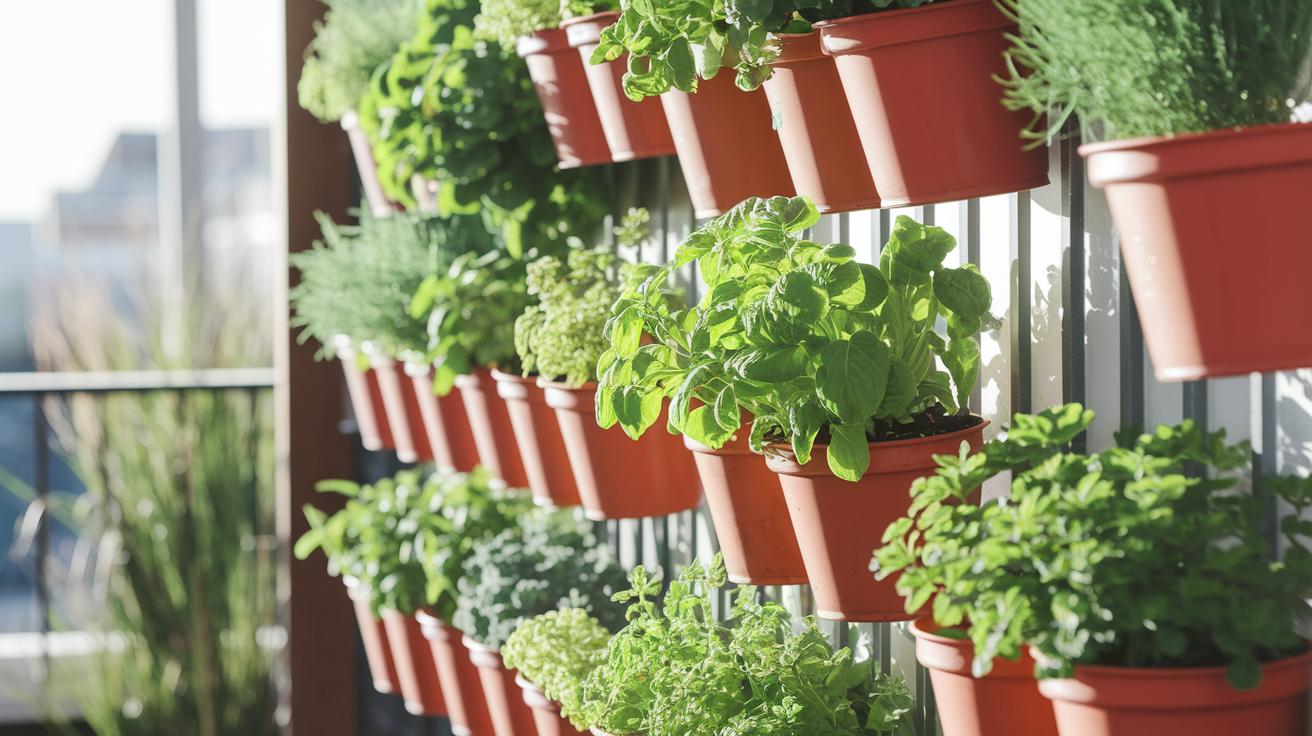
Ever noticed how organic fertilizer (natural stuff that feeds soil life) feels like a warm hug for your plants? It can smell earthy and even lure a few curious bugs. Synthetic pellets (man-made nutrient balls) stick to a set feeding schedule and cut down on sniff tests. Just watch out, overdoing pellets can leave salty pockets in your soil. And hey, refer to the seasonal table above for fish emulsion and pellet dosages.
Here are my go-to fertilizers:
- Fish emulsion (liquid boost from fermented fish)
- Compost tea infusion (steeping compost in water)
- Vermicompost topdressing (worm castings)
- Chelated micronutrient mix (tiny nutrients wrapped so plants can grab them easily)
- Slow-release pellet formulas (nutrient balls that feed over weeks)
Spring:
Start a compost tea infusion when you see fresh leaves, like giving herbs a cool mineral drink. Sprinkle a handful of vermicompost at planting time to wake up all those helpful microbes. If your leaves look pale by midseason, stir in some chelated micronutrients.
Summer:
Brew another tea every four to six weeks. Lightly topdress with vermicompost so pockets stay lively under the heat. When your herbs stretch and bloom, add a dash of chelated trace support.
Fall:
Offer one last tea treat and a final vermicompost layer before cool weather sets in. Let the chelated mix rest as plant growth winds down.
Winter:
Give your herbs a breather. Skip the tea and pellets unless you spot yellowing leaves indoors, then a small dose of chelated micronutrients can help.
Fertilization Schedule Application Methods in Vertical Herb Gardens
Picking the right way to feed your herbs makes all the difference. I use a simple seasonal calendar with light weekly top-ups and a deeper monthly boost. Leafy herbs love a 3-1-2 mix (that’s 3 parts nitrogen for green growth, 1 part phosphorus for strong roots, 2 parts potassium for overall health). Flowering herbs do best with a 5-10-5 stock (5 nitrogen, 10 phosphorus, 5 potassium). It’s my go-to plan for vibrant harvests all year.
Have you ever seen leaves go dull? Try a foliar spray (spraying nutrients right onto the leaves so they soak up vitamins fast). Mix your feed to about 100 ppm (parts per million) and add a little buffer (to keep pH at 6.0–6.5). Then mist your vertical pockets twice a month. Just do it in the cool morning or late afternoon so the sun won’t scorch wet leaves.
Drip irrigation (a slow drip system) is a game changer for busy gardeners. Hook your liquid feed to a timer for 30-minute runs twice a week. Those tiny drops give roots a steady drink without flooding the whole garden. It’s tidy, cuts waste, and keeps each pocket evenly moist. Oh, and remember to flush and clean your tubes every month so nothing clogs up.
Or you might like a self-watering system that uses wicks (little ropes that draw up water). The wicks pull your nutrient mix into each pocket so roots never dry out. I swap out the old solution for fresh feed once a week to stop salt buildup. Then I just peek at the wicks now and then for clogs, and enjoy a low-fuss green wall.
By mixing these methods, foliar spray, drip lines, and self-watering, you keep your vertical herb garden happy and thriving. And you’ll have fresh basil, mint, or thyme right at your fingertips. Isn’t that the best kind of kitchen magic?
Fertilization Needs by Growing Medium in Vertical Herb Gardens

Have you ever noticed how each growing medium seems to have its own appetite? In a vertical herb garden, hydroponic towers, soil-less pockets, coconut coir (coconut husk fibers that hold water like a sponge) and rockwool blocks each soak up water and plant food in their own way. So your feeding plan has to suit the fast-draining rockwool and the thirsty coir.
Hydroponic towers need a steady 200–250 ppm N (parts per million of nitrogen) in their reservoir to feed leafy greens. I swap the solution every two weeks, giving roots fresh nutrients and stopping salt from building up. Then I rinse the lines and feel the root mat for any squishy spots before they turn into trouble.
For soil-less pockets I add a granular amendment once a month. I sprinkle slow-release granules into each little pouch like tucking in a bedtime snack. Oops, I mean just a small handful at the top inch of mix. Then I stir it gently so roots can find every crumb.
Coconut coir care calls for a calcium-magnesium boost at 3 grams per gallon every three weeks. I whisk the powder into water, then drench the coir until it feels like a cool, damp sponge. My herbs grow stronger cell walls and stay green longer.
Rockwool blocks are even simpler. I dissolve 1 teaspoon of water-soluble powder in a gallon of water and pour it over each cube once a week. A soft soak keeps them moist without drowning roots or washing away the good stuff.
Troubleshooting Nutrient Issues in Vertical Herb Garden Fertilization
Notice little yellow halos along the edges of your herb leaves? That usually means you need more magnesium (the mineral that helps plants make their green color). And when fresh shoots look pale? That’s iron chlorosis (an iron shortage that turns leaves yellow). Try a foliar spray (a leaf mist) of chelated magnesium or iron. You’ll soon see your herbs pop back to a rich, lively green.
If leaf tips are turning brown or curling in on themselves, you might be overdoing the plant food. Too many fertilizer salts can burn roots, making leaves look sad. I give each planter pocket a good rinse with plain water once a month, just let water run through until it drips clear. This simple flush sends excess salts packing and lets roots breathe again.
Ever notice a soggy mix (potting mix is the loose soil substitute) that smells earthy and wet? That invites root rot (when roots rot in soggy soil). If your herbs wilt or you feel slimy roots, lift the pocket so water drains out. Then mix in some coarse sand or perlite (tiny white bits that help water flow) to keep the mix light and airy. Your roots will thank you.
Got sticky spots or fuzzy patches on your plants? That’s mold or mildew taking over in a still, humid corner. Try gently pulling pockets apart to open up space for air. I even tuck a small fan at the base of my wall, just a gentle breeze helps leaves dry before night. By morning, it’s as fresh as a spring breeze.
Do you see a thin green scum floating in your tray water? Hello, algae. Since algae feasts on light and standing water, I wipe my trays clean once a week with a soft cloth. Another trick is a thin layer of sand on top of the water to block light, algae can’t grow in the dark.
Maintenance and Monitoring of Vertical Herb Garden Fertilization Schedule
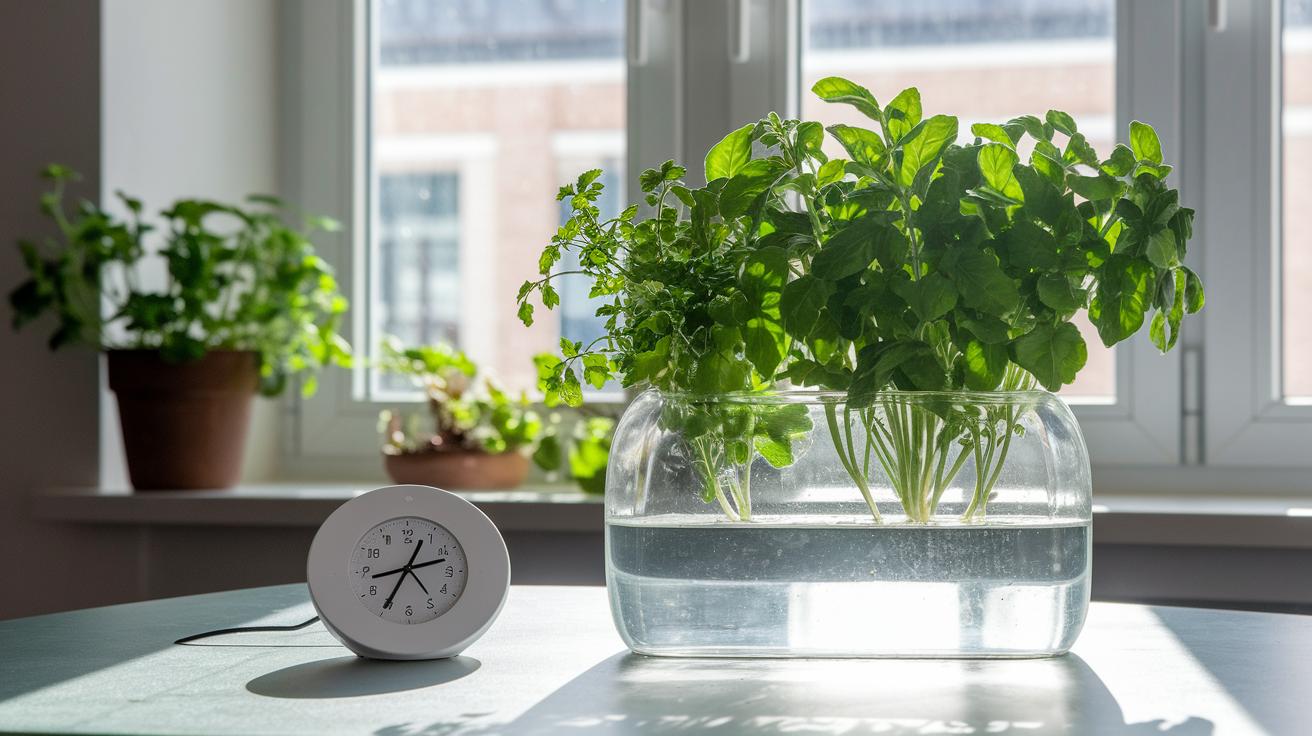
Want your herbs to shine in that vertical tower? First things first: keep your reservoir (water-holding tank) squeaky clean and check the EC (electrical conductivity, which tells you how nutrient-rich the water is).
I give my tank a good scrub every four weeks, rinsing out grit and green algae. Then I test EC once a week with my trusty meter (nutrient-strength device) and aim for 1.2 to 1.8 mS/cm. That sweet spot means your plants get enough food without going overboard.
Set your irrigation timer (the little clock that starts your drip system) for two 10-minute feed times each day. A morning drip jumpstarts root snacking, and an early evening run keeps those little herb pockets cozy and moist all night. And if your timer lets you program several cycles, label each one with day and time so you don’t mix them up.
Every feed is a chance to learn. Grab a notebook or open a garden-tracking app and jot down the date, EC reading, and any dose tweaks (how much fertilizer you added). Note the weather, too, hot afternoons make herbs gulp water; chilly nights slow them down. Watch patterns emerge and you’ll soon tweak feed rates like a pro.
Want a heads up if things drift? Try pH/EC probes (tiny sensors) with alert features. They’ll ping your phone if pH drifts outside 6.0 to 7.0 or if your nutrient strength slips past that 1.2 to 1.8 range. Then you catch problems fast, before even your thirstiest basil sends you a wilt-y postcard.
Final Words
In the action, we mapped out a clear feeding timetable by season plus a simple monthly nutrient cycle. Then we weighed organic vs synthetic choices, from fish emulsion to slow-release pellets.
We also showed four application methods, foliar sprays, drip feeds, self-watering wicks, and pH checks. Next, we matched nutrient plans to each growing medium from coir to hydroponic towers. Plus, we flagged yellow leaves, salt build-up, and mold issues with easy fixes.
Stick with this fertilization schedule for vertical herb gardens and enjoy a thriving, low-fuss harvest.
FAQ
- How often and what should I feed my vertical herb garden each season?
- The feeding frequency for a vertical herb garden varies by season: weekly spring leaf feeds with water-soluble 3-1-2 fertilizer, biweekly summer liquid feeds, monthly autumn slow-release, and a half-strength winter treatment.
- What organic and synthetic fertilizer choices work best for vertical herb gardens?
- Organic options like weekly fish emulsion, monthly compost tea, and pocket vermicompost offer gentle nutrient release. Synthetic slow-release pellets apply every 4–6 weeks for steady N-P-K support.
- How do I apply fertilizer with foliar sprays, drip irrigation, and self-watering systems?
- Foliar spray herbs at 100 ppm twice a month, run drip-fed liquid fertilizer for 30 minutes twice weekly, and refresh self-watering wick solutions every week with a fresh nutrient mix.
- Do different growing media need unique fertilization plans in vertical herb gardens?
- Growing media affect feeding: hydroponic towers need 200–250 ppm nitrogen and biweekly reservoir swaps; soil-less mixes get monthly granules; coir receives calcium-magnesium every three weeks; rockwool needs weekly water-soluble feed.
- What are common nutrient deficiency signs and fixes in vertical herb gardens?
- Yellow leaf edges point to magnesium shortage, pale new shoots hint at iron stress. Add a balanced magnesium or iron chelate at label rates to restore healthy green growth.
- How can I avoid overfertilization and flush built-up salts?
- To clear salt build-up, give a monthly plain-water flush for each pocket until runoff runs clear. Cut back liquid feeds if you spot leaf-tip burn.
- How should I maintain and monitor my vertical herb garden feeding schedule?
- Keep tanks clean monthly, check electrical conductivity around 1.2–1.8 mS/cm weekly, program two 10-minute feeds daily on your timer, and log each feeding in a simple app or spreadsheet.
- How do I adjust pH for optimal nutrient uptake in vertical herb gardens?
- Aim for a pH of 6.0–6.5 in all media. Use a mild pH adjuster to shift levels up or down. Test weekly to keep roots happy and feeding balanced.