How to Maintain Wicker Patio Lounge Chairs
A wicker lounge chair that’s left to fend for itself outdoors won’t fail all at once. It fades a little, then a strand works loose, then a gray haze of mildew settles into the weave — and one spring you sit down and realize the chair you paid good money for looks ten years older than it is. The good news: keeping wicker patio lounge chairs in shape is mostly a few small habits, not a big annual project. I’ve babied a couple of resin sets through Midwest summers and one genuinely brutal winter, so here’s the routine that actually works.
As an Amazon Associate, Backyard Superstar earns from qualifying purchases at no extra cost to you.
Natural Wicker vs. Resin Wicker: Care Isn’t the Same
Before you grab a brush, figure out what your chair is actually made of, because it changes everything you do next.
Natural wicker is woven from plant fibers — rattan, cane, willow. It looks fantastic, but it drinks up water, so it belongs on a covered porch or indoors, not out in the open where rain and sun can get at it all day. Treat it gently and keep it dry.
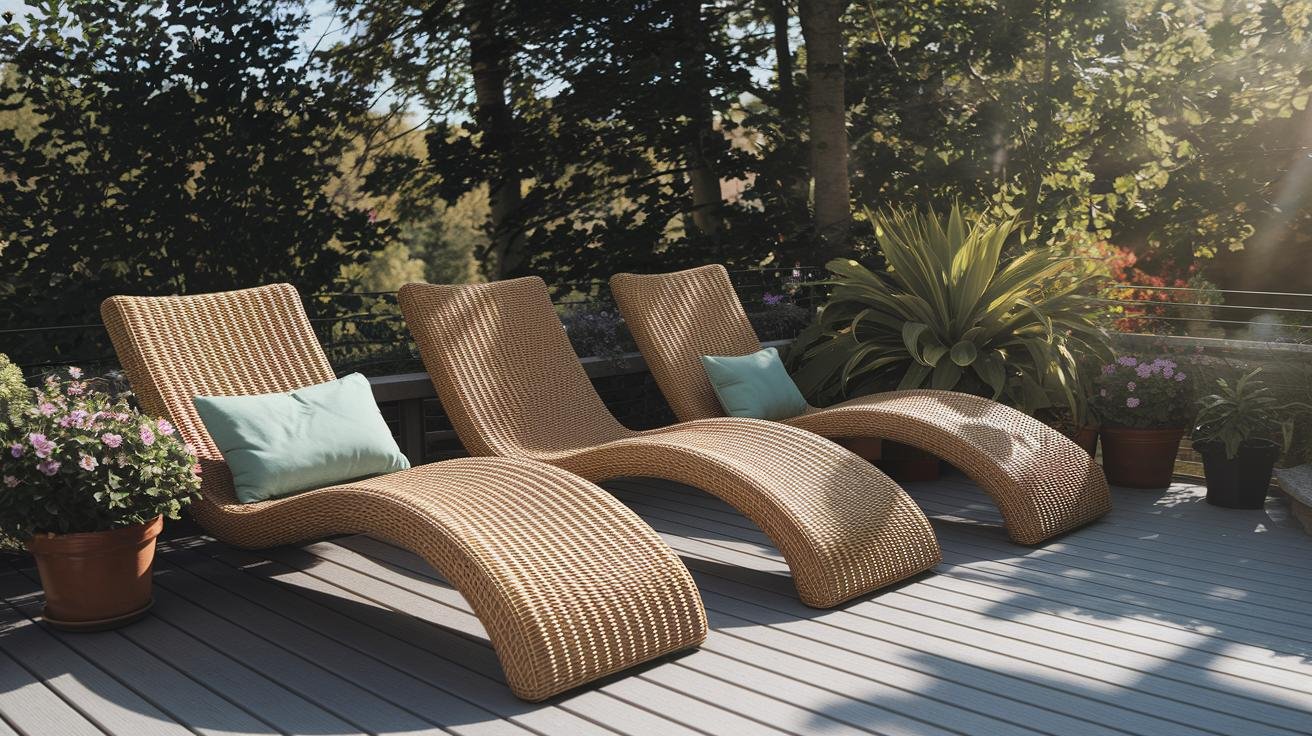
Resin wicker (also called all-weather or synthetic wicker) is woven from PVC or HDPE strands over an aluminum or steel frame. It’s built to live outside. You can scrub it harder, hose it down, and leave it out in weather that would wreck the natural stuff. Most patio lounge sets sold today are resin, even when the salesperson calls it “wicker” — if you’re still shopping, my roundup of the best wicker patio lounge chairs breaks down which is which.
The quick test: press a strand with your fingernail. Natural fiber feels dry and slightly fibrous and may have tiny hairs; resin feels smooth, plasticky, and uniform. Once you know which you’ve got, the rest of this guide is easy.
Two things wreck wicker faster than anything else, and both apply no matter which type you own: standing moisture and direct sun. Moisture seeps into the weave and the frame, where it feeds mildew and rots natural fiber from the inside out. UV light, meanwhile, slowly bleaches the color and makes the strands brittle until they crack when you sit down. Almost everything in this guide is aimed at those two problems — keep the chair dry and shield it from constant sun, and you’ve won most of the battle before it starts.
The Routine Cleaning That Keeps Wicker Looking New
Ninety percent of wicker maintenance is just keeping grit out of the weave. Dust, pollen, and dirt settle into those little gaps, hold moisture, and slowly grind at the fibers. A quick clean every few weeks in season prevents almost every problem further down this page.
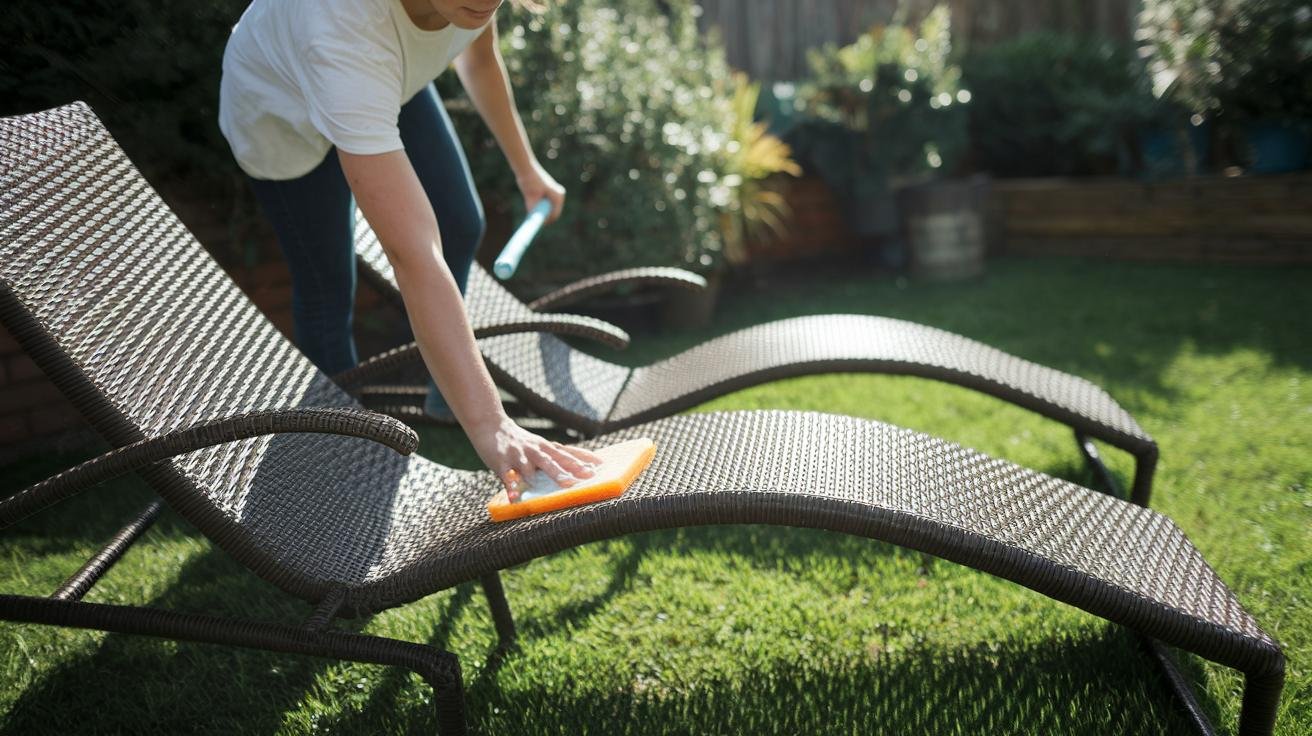
Here’s the routine I run:
- Dry-brush first. Sweep loose dirt out of the weave with a soft-bristle brush before any water touches it. A soft-bristle upholstery brush gets into the tight crevices without scratching the finish — skip stiff wire brushes, which can score both resin and natural fiber.
- Vacuum the crevices. A brush attachment pulls out what dry-brushing loosens. This step alone makes the chair look noticeably better.
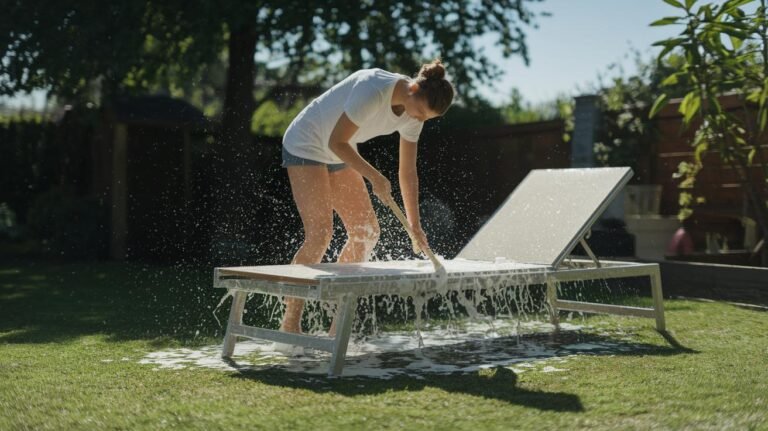
- Wash with mild soapy water. A few drops of dish soap in warm water, a soft sponge or microfiber cloth, and a light pass over each strand. Don’t soak it — damp, not dripping.
- Rinse gently. A low-pressure garden hose is fine for resin wicker. Never a pressure washer — it’ll blow the weave apart and force water deep into a natural frame. For natural wicker, a damp rinse cloth is safer than a hose.
- Dry completely in the shade. Towel off the standing water, then let the chair air-dry fully before cushions go back on. Wet wicker under a cushion is how mildew gets started.
For spills and spot stains between full washes, deal with them while they’re fresh. A quick mist from a spray bottle loosens dried-on dirt before you wipe, so you lift it out instead of grinding it deeper into the weave. Blot — don’t rub — sticky messes like spilled drinks, then wipe the spot with your soapy cloth and rinse. Sunscreen and bug spray are the sneaky ones; they leave an oily film that attracts dust, so catch those early. A microfiber cloth is worth keeping in a nearby bin for exactly this.
The same gentle, no-pressure-washer approach applies to cleaning any patio lounge chair, and if you’ve got other woven pieces out there, the method for caring for a woven backyard hammock follows the same logic — keep grit out, keep it dry.
Sealing and Protecting the Fibers Once a Year
Cleaning keeps wicker presentable. Sealing keeps it from drying out, fading, and going brittle in the sun. Once a year is plenty for most chairs — I do mine in early spring before the heat sets in.
Make sure the chair is clean and bone-dry first. I sealed a damp chair once in a hurry and the finish clouded and peeled within weeks; that’s a redo, not a shortcut. Smooth any rough or fuzzy spots with fine sandpaper so the finish glides on evenly.
For natural wicker, a penetrating oil feeds the fibers and adds UV resistance. Watco Teak Oil Finish ($$) is the one I reach for — brush or wipe a thin coat over every strand, work it into the tight weaves and ends, let it penetrate 15–30 minutes, then wipe off the excess. Boiled linseed oil and tung oil do a similar job if that’s what you have on hand. For a harder shell, a clear outdoor-rated spar varnish made for furniture works too, though it needs to fully cure (often 24–48 hours) in a dust-free, shaded spot.
The cushions need protecting just as much as the frame. After they’re clean and dry, a coat of 303 Fabric Guard ($$$) restores water and stain repellency — it’s the spray Sunbrella itself recommends for outdoor fabric. Spray until evenly damp in a crisscross pattern, then let it cure. Bead-up beats soak-in every time a thunderstorm rolls through. If your set lives somewhere with relentless sun or weather, it’s worth knowing how to choose weather-resistant patio lounge chairs the next time you buy.
Quick DIY Repairs for Loose or Broken Strands
Catch a loose strand early and the fix takes five minutes. Ignore it and the weave unravels around it until you’re looking at a real repair. Walk the chair over with your hand every so often and deal with snags as you find them.
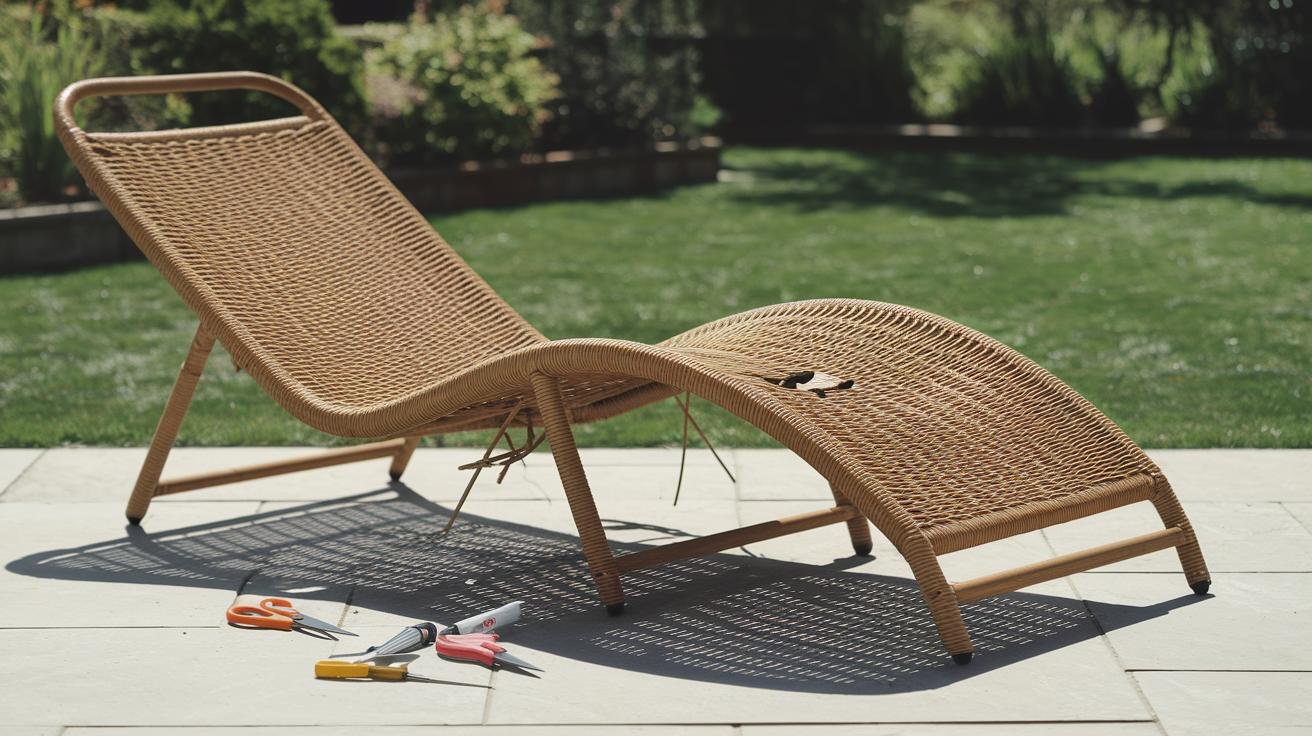
For a broken strand: tuck a fresh length of matching wicker into the existing pattern, following the over-under weave. Put a small drop of waterproof wood glue or two-part epoxy where the old and new fibers overlap, press the end under a neighboring strand, and hold it for about a minute until it grabs. Once it’s cured, snip any extra flush.
For loose, baggy weaving: gently work the slack strands back into line, run a thin bead of glue under the next row to lock them, and let it set before anyone sits down.
One habit that’s saved me more than once: test any glue or cleaner on a hidden spot first — the underside of a leg — so you know it won’t discolor the finish. Natural wicker and resin can react differently to the same product.
Treating Mold and Mildew Before It Spreads
Mildew is the most common thing that ruins outdoor wicker, and it loves exactly the spots that are hardest to reach — the shaded undersides and the tight crevices where moisture lingers. The earlier you hit it, the easier it comes off.
For light surface mildew, an even mix of white vinegar and water sprayed on, left a few minutes, then wiped clean handles most of it. A baking-soda paste scrubbed in with a soft brush lifts ground-in stains.
For anything stubborn or widespread, a dedicated remover saves a lot of scrubbing. Star Brite Mold & Mildew Stain Remover ($) is buffered so it lifts stains on contact without chewing up fabric stitching or vinyl — spray it on, let it work, rinse thoroughly with fresh water, and repeat on tough spots. Always rinse well and let the chair dry completely afterward, because residual damp just invites the mildew back. And never zip a cover over a chair that’s still damp — that traps exactly the moisture you just got rid of.
Off-Season Storage and Covers That Prevent Damage
How you store wicker through the off-season matters more than almost anything else you do all year. Cold, damp, and freeze-thaw cycles are what crack natural fiber and split a finish.
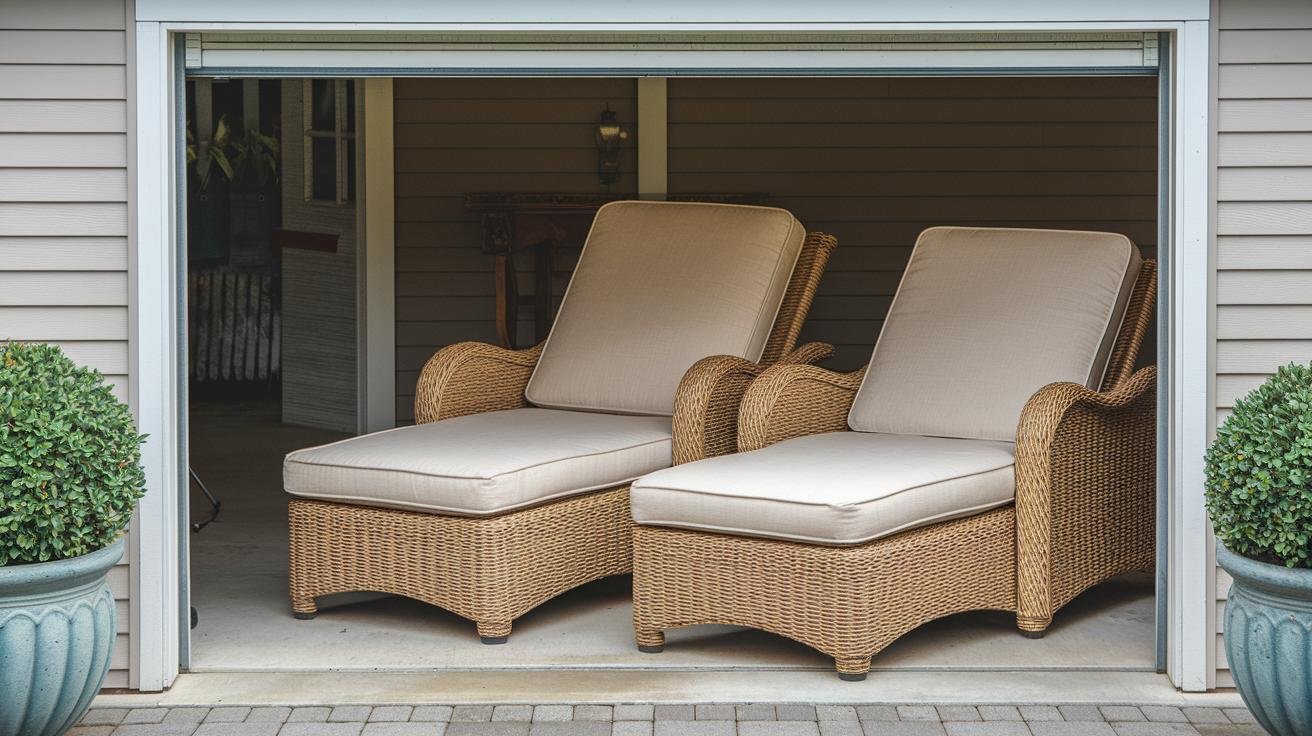
If you’ve got the room, the best move is simple: clean the chairs, dry them fully, and move them into a garage or spare room for the winter. Natural wicker especially should come inside — it isn’t built to ride out months of wet cold.
No indoor space? Use a breathable, fitted cover rather than a plastic tarp. A Classic Accessories Veranda chaise lounge cover ($$) has a water-resistant coating plus air vents, so it sheds rain while letting trapped humidity escape — that airflow is the difference between a dry chair in spring and a moldy one. Click-close straps keep it from sailing off in a windstorm.
A few more things that genuinely help:
- Get the chairs off the cold ground. Set them on pallets or wood slats so air moves underneath and meltwater can’t pool around the legs.
- Store cushions separately, indoors. Pull them off and keep them in a dry bin — cushions left out hold moisture against the frame all winter.
- Break the set down if it stacks. Removable legs and armrests stack neatly in a corner and save a surprising amount of space.
- Always cover dry, never damp. I’ll say it twice because it’s the mistake everyone makes: covering damp wicker traps moisture and breeds the exact mildew and musty smell you’re trying to avoid.
Do this, and a decent wicker set will give you a lot of comfortable summers. The materials matter too — if you’re weighing a replacement someday, here’s a look at which patio chair materials last longest.
Recommended gear for wicker care
As an Amazon Associate, Backyard Superstar earns from qualifying purchases at no extra cost to you.
- Cleaning — Soft-bristle upholstery brush ($). Reaches into the weave to lift grit without scratching the finish.
- Mildew — Star Brite Mold & Mildew Stain Remover ($). Lifts stains on contact and is gentle on fabric and vinyl.
- Sealing — Watco Teak Oil Finish ($$). Penetrating oil that feeds natural fibers and adds UV resistance.
- Storage — Classic Accessories Veranda chaise cover ($$). Water-resistant with air vents so it sheds rain but won’t trap humidity.
- Cushion protection — 303 Fabric Guard ($$$). Restores water and stain repellency on outdoor cushion fabric.
FAQ
How often should I clean and maintain wicker patio lounge chairs?
Dust or dry-brush them every couple of weeks in season, do a full soapy wash every one to three months, seal the fibers once a year, and check for loose strands and mildew at the start and end of each season.
What’s the best way to clean outdoor wicker without damaging it?
Dry-brush and vacuum the weave first, then wash gently with mild soapy water and a soft sponge. Rinse with a low-pressure hose (never a pressure washer) and let the chair dry completely in the shade before adding cushions.
How do I protect wicker chairs from sun and rain?
Seal natural fibers once a year with a penetrating oil or an outdoor-rated clear finish, treat cushions with a fabric water-repellent, and keep the chair on a covered porch or under a breathable cover when it’s not in use.
How do I fix a loose or broken wicker strand?
Tuck a matching strand back into the weave, dab waterproof wood glue or epoxy where the fibers overlap, press it under a neighboring strand until it sets, then trim the excess. Test any glue on a hidden spot first.
How should I store wicker lounge chairs over winter?
Clean and dry them, then move them indoors if you can. Otherwise raise them off the ground on pallets, store cushions separately inside, and use a breathable, water-resistant cover — never seal a damp chair under a cover.
Can I leave natural wicker furniture outside year-round?
It’s not a good idea. Natural wicker absorbs water and breaks down in sustained sun and freeze-thaw cycles, so it’s best kept covered or indoors. Resin (all-weather) wicker is far better suited to staying outdoors.