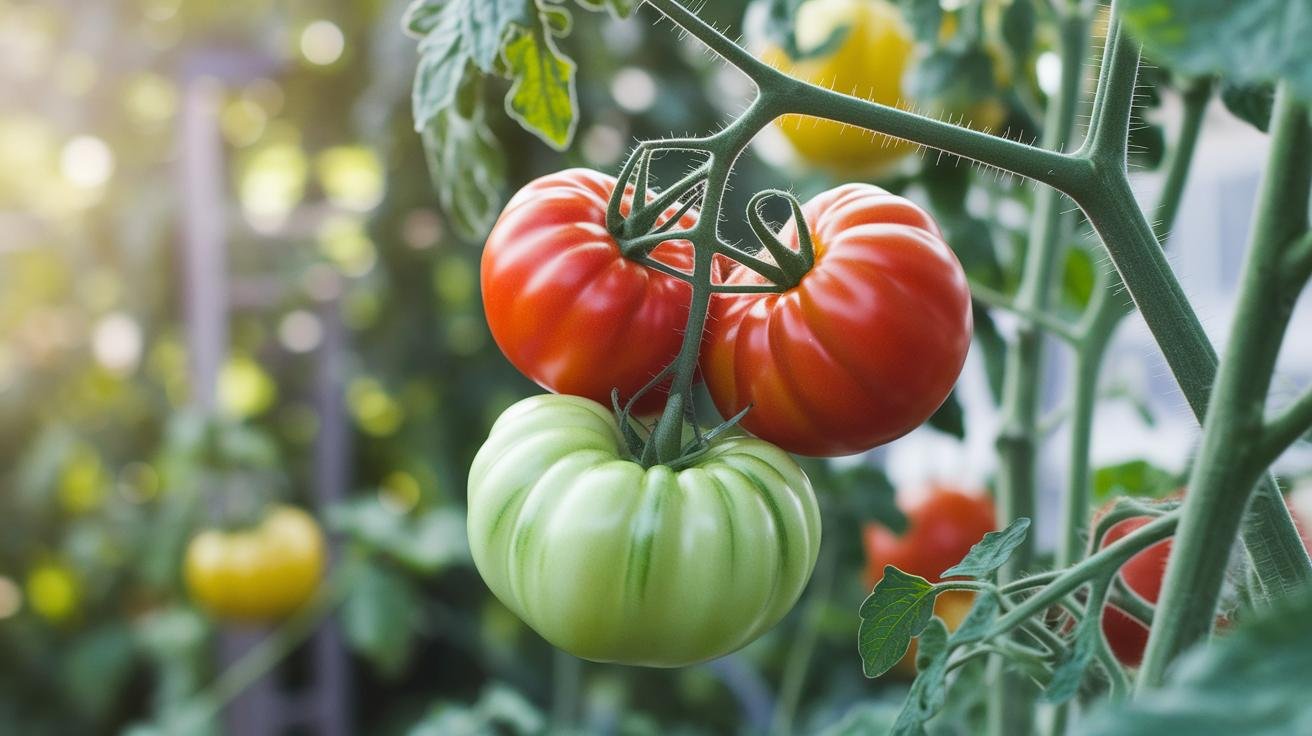
Top Disease-Resistant Heirloom Tomato Varieties
There’s nothing worse than babying a tomato plant all summer, finally spotting a ripe one, and slicing it open to find mush under spotted, curling leaves. I’ve lost whole plants to blight and wilt before I learned to start with varieties that fight back. That’s the trick most folks miss: disease resistance is something you buy at the seed packet, not something you spray on in August.
The good news is that some of the best-tasting tomatoes out there are also some of the toughest. Heirlooms are open-pollinated, meaning bugs and wind do the pollinating and the seeds come back true year after year, so you can save your own. Below are six disease-resistant heirloom tomato varieties I keep coming back to, plus the soil, watering, and staking habits that keep them healthy once they’re in the ground.
As an Amazon Associate, Backyard Superstar earns from qualifying purchases at no extra cost to you.
Six Heirloom Tomatoes That Shrug Off Disease
None of these are bulletproof — no tomato is — but each one holds up against the problems that wipe out weaker plants. If you want a head start, a mixed pack like the Sow Right Seeds Classic Tomato Collection bundles several of the heirlooms below, including Cherokee Purple and Beefsteak types, so you can trial a few in one season before committing your whole bed.
Brandywine
Big, rosy, old-fashioned fruit with that deep sweet-acid flavor heirloom fans chase. Brandywine resists a fair range of blights and wilts but rewards a little pruning. Pinch the side shoots and stake it early — it’s indeterminate, so the vines keep growing all season and will sprawl if you let them.
Mortgage Lifter
Meaty, mild red globes on vigorous vines, and it shrugs off both fusarium and verticillium wilt. This one wants a sturdy cage and full sun. Give it both and you’ll be handing tomatoes to the neighbors by August.
Cherokee Purple
Dusky purple-shouldered fruit with a rich, almost smoky sweetness. It holds up well against common leaf spots, so it’s forgiving if your summer turns wet. Water evenly and tie the vines to a tall stake as they climb.
Black Krim
Dark maroon fruit with a bold, slightly salty finish. Black Krim takes the heat better than most and carries resistance to fusarium and root-knot nematodes. Plant it in a sunny spot and run it up a simple trellis to keep the fruit off the dirt.
Amish Paste
Pinkish-plum, dense-fleshed, and made for sauce and canning. The vines are vigorous and love a strong cage; strip the lowest leaves to open up airflow. It resists fusarium wilt, so it’ll keep cranking out paste tomatoes while you’re busy putting up jars.
Green Zebra
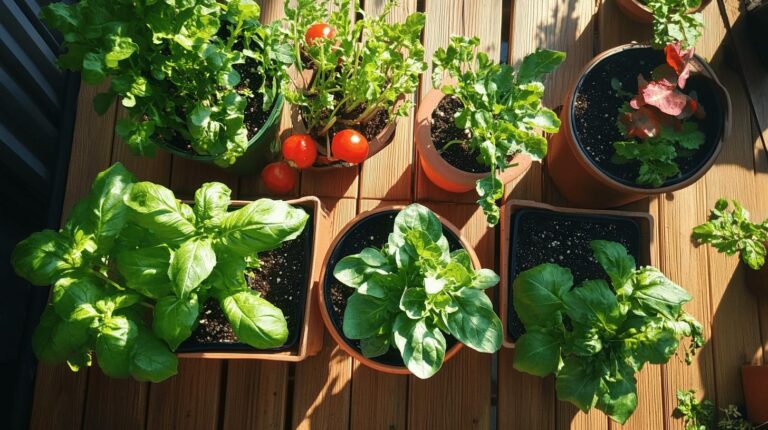
Bright green stripes and a tangy, citrusy bite that wakes up a salad. It has moderate verticillium resistance and does fine in containers if your space is tight. If you’re leaning that way, my guide to planting tomatoes in raised beds covers the spacing and soil depth that keep compact plants productive.
What the V, F, and N Markers Actually Mean
Ever notice the little string of letters after a tomato name on a seed packet or plant tag? Those are resistance codes, and they’re the fastest way to pick a plant that won’t quit on you. Here’s the shorthand:
- V — resists verticillium wilt, a soil fungus that chokes off the plant’s water supply and yellows the leaves.
- F — resists fusarium wilt, another soil fungus that clogs the roots and makes whole branches droop and die.
- N — resists root-knot nematodes, microscopic worms that knot up the roots so the plant can’t feed itself.
The move is to match the codes to your problems. If wilt has burned you before, Mortgage Lifter carries F and V and stands strong against both. If your soil has a nematode history, Black Krim pairs F and N. You’ll still see the odd “VFN” hybrid out there, but plenty of heirlooms carry real resistance too — the difference is just that heirlooms come back true from saved seed. If you’re fuzzy on how heirlooms compare to open-pollinated and hybrid types, I broke it down in open-pollinated vs. heirloom tomato seeds.
Soil Prep and Spacing That Keep Plants Healthy
Resistance in the seed only gets you so far. The other half of the job is giving the plant conditions where disease struggles to take hold — and that starts underground.
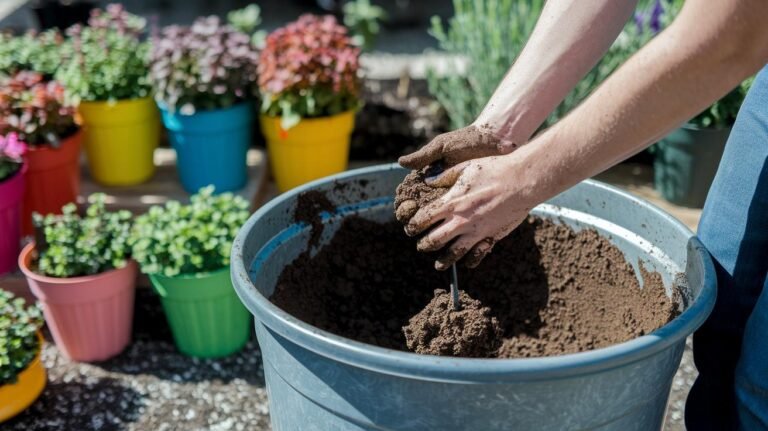
First, check your soil. Tomatoes want a pH somewhere around 6.2 to 6.8, the sweet spot where roots can actually grab nutrients. I keep a Luster Leaf Rapitest soil test kit ($) in the shed and run it every spring before I plant — it takes five minutes and saves a lot of guessing. If your number’s off, my walkthrough on the ideal soil pH range for a vegetable garden covers how to nudge it in either direction.
Next, work in a few inches of compost and a balanced organic feed at planting so the young plants get a clean start. I use Espoma Organic Tomato-tone ($$) — it’s a slow-release 3-4-6 that won’t burn roots and includes calcium, which helps head off blossom-end rot later in the season.
Then give each plant room to breathe. Set transplants 18 to 24 inches apart so air can move between the vines and dry the leaves after rain or morning dew. Crowded plants stay damp, and damp leaves are where fungus moves in. Good spacing is the cheapest disease control there is.
Watering and Staking Without Spreading Disease
How you water matters as much as how much. Overhead watering splashes soil — and the fungal spores living in it — straight up onto the lower leaves, which is exactly how blight gets started. Water at the base instead.
A Raindrip vegetable-garden drip kit ($$) makes this easy — it runs water right to the root zone on a timer and keeps the foliage dry, which is half the battle against leaf disease. Water early in the morning so anything that does land on the leaves burns off fast.
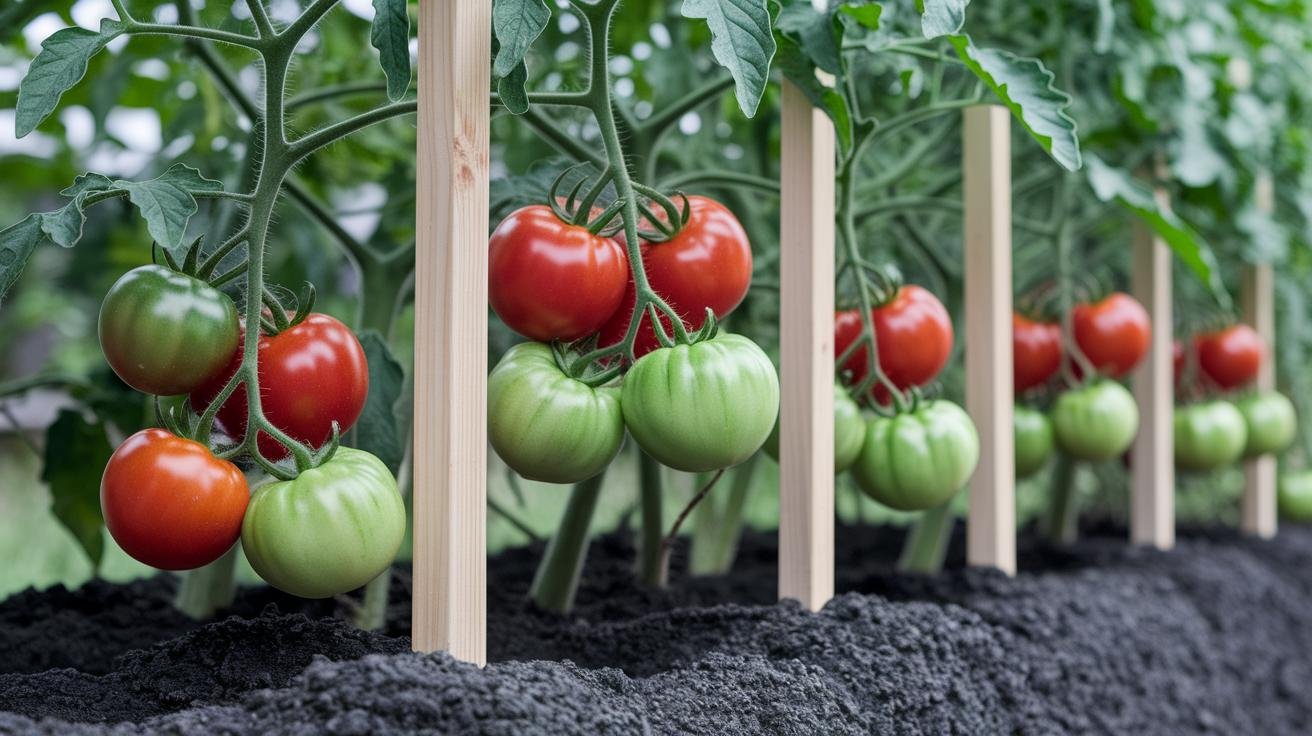
Then get the plants up off the ground. Indeterminate heirlooms like Brandywine and Cherokee Purple will run six feet or more, and fruit lying in the dirt is fruit that rots. A set of tall, heavy-duty supports like these ZeeDix 65-inch tomato cages ($$) keeps vines climbing and fruit clean, and the open structure means you can still get in there to prune. Top the bed with 2 to 3 inches of straw or shredded-leaf mulch to lock in moisture and stop splash-back from the soil.
One more habit: prune the suckers, those little shoots that pop out where a branch meets the main stem. Pinching them sends the plant’s energy into fruit instead of extra foliage, and it opens up airflow inside the plant. I’ve pinched the wrong shoot more than once, so go slow until you’ve got the eye for it.
How to Source and Save Quality Heirloom Seeds
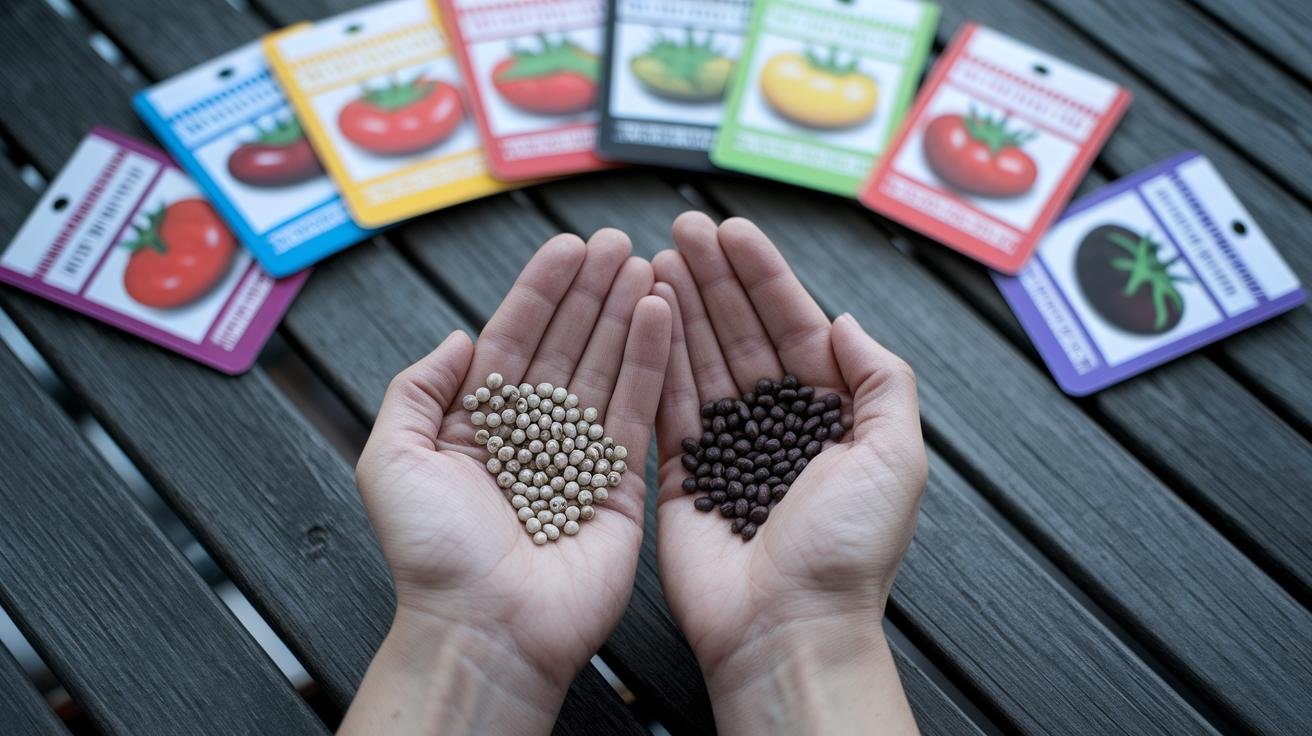
Good seed is where a healthy crop begins. Start with open-pollinated varieties — the ones that grow true from saved seed — and look for the V, F, or N codes printed right on the packet. Certified non-GMO seed from an organic grower that publishes its germination rates is worth a little extra; you’re paying for plants that come up strong and true to type.
A few habits that have served me well when buying:
- Compare two or three seed catalogs and check that resistance codes are listed next to each variety, not buried in fine print.
- Read the full descriptions and skim grower reviews for real-world notes on how the variety actually performed.
- Buy a collection like the Sow Right Seeds Classic Tomato Collection ($) when you want to trial several heirlooms in one season without buying five separate packets.
Once you’ve grown a variety you love, save its seed. Squeeze the gel and seeds from a ripe fruit into a jar, let it ferment two or three days until it smells tangy and bubbles, then rinse and spread the seeds on a paper plate to dry. Label each envelope with the variety, the year, and its resistance codes so next spring isn’t a guessing game. I walk through the whole process in how to save heirloom tomato seeds.
Organic Disease and Pest Control That Works
Even resistant plants ask for help now and then. The goal is to stay ahead of trouble instead of reacting to it, and you can do most of that without reaching for harsh chemicals.
Rotate your tomato bed every year — follow tomatoes with beans or leafy greens, which aren’t in the nightshade family, so soil-borne diseases don’t get a foothold. Tuck basil and marigolds between the plants; they confuse pests and earn their keep. And walk the rows every few days, snipping off any yellowing or spotted leaves and tossing them in the trash, not the compost.
At the first sign of fungal spotting or a pest flare-up, an organic spray like Bonide Captain Jack’s Neem Oil ($) does triple duty on insects, mites, and common fungal diseases. Spray in the evening when the bees have clocked out, and hit the undersides of the leaves where trouble usually starts. For a fuller rundown of what’s worked in my beds, see my notes on organic pest control for vegetable gardens.
Harvesting and Storing for Peak Flavor
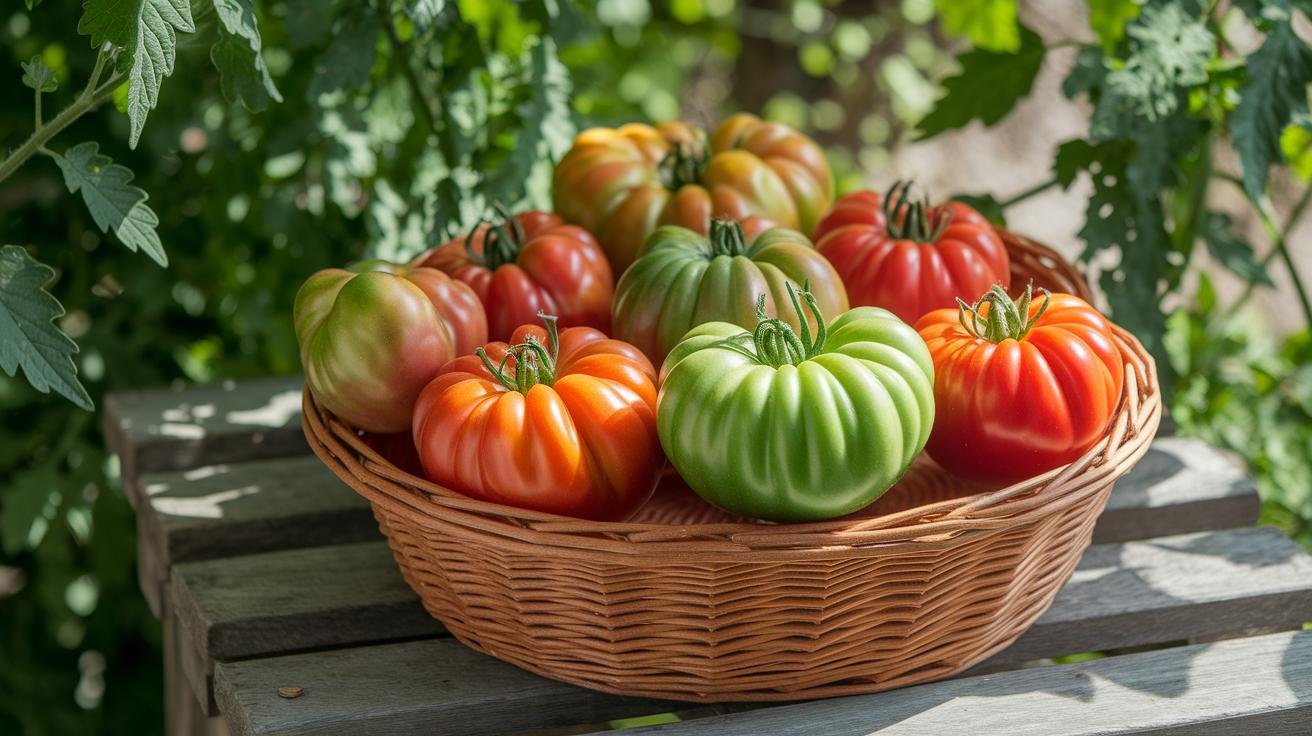
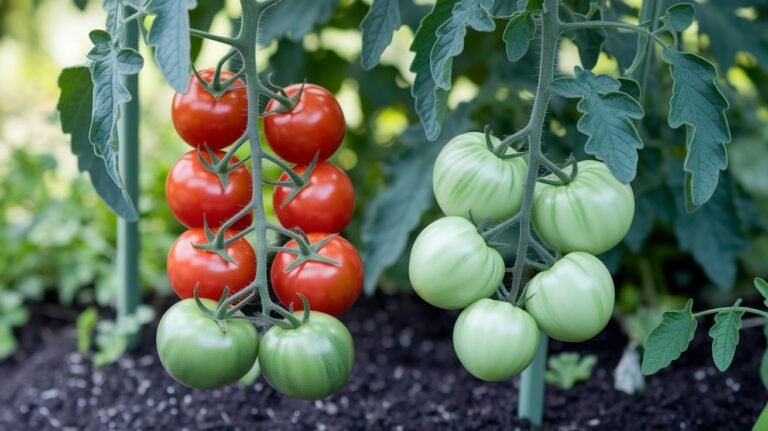
After a season of fighting disease, don’t blow it at the finish line by picking too early or fridging the wrong fruit. Wait until a tomato shows its full color — deep red, dusky purple, or those green-gold stripes, depending on the variety — and check the plants daily before the birds and squirrels beat you to the best ones.
To pick, cup the fruit, twist gently, and lift it off so the little stem stays attached. Lay your harvest in a single layer on the counter at around 65 to 70°F to finish ripening. Keep almost-ripe fruit on the counter and only move fully ripe tomatoes to the fridge to slow softening — cold dulls the flavor, so use it as a brake, not a storage default. If you’re putting up sauce or canning, wash, quarter, and process within a few days while the fruit is at its peak.
Do this right and every slice tastes like the middle of summer, long after the vines have called it a season.
Recommended gear for growing healthy heirloom tomatoes
As an Amazon Associate, Backyard Superstar earns from qualifying purchases at no extra cost to you.
- Start here — Sow Right Seeds Classic Tomato Collection ($). Trial several disease-tough heirlooms in one season.
- Test first — Luster Leaf Rapitest Soil Test Kit ($). Check pH before you plant so roots can feed.
- Feed — Espoma Organic Tomato-tone ($$). Slow-release 3-4-6 with calcium to fight blossom-end rot.
- Water smart — Raindrip Vegetable-Garden Drip Kit ($$). Keeps foliage dry, which starves leaf disease.
- Support — ZeeDix 65-inch Heavy-Duty Tomato Cages ($$). Tall enough for sprawling indeterminate heirlooms.
- Protect — Bonide Captain Jack’s Neem Oil ($). Organic triple-duty on pests, mites, and fungus.
FAQ
What makes a tomato an heirloom instead of a hybrid?
Heirlooms are open-pollinated varieties passed down over generations, so their seeds grow true to the parent plant. Hybrids are deliberate crosses bred for traits like uniform size or built-in resistance, but their saved seed won’t reliably reproduce the same fruit.
What do the V, F, and N letters on a tomato variety mean?
They flag resistance: V for verticillium wilt, F for fusarium wilt, and N for root-knot nematodes — the three most common soil-borne threats. Matching those codes to the problems your garden has had is the quickest way to pick a plant that holds up.
How far apart should I space disease-resistant tomatoes?
Give each plant 18 to 24 inches so air moves freely between the vines and the leaves dry quickly after rain. Good airflow is one of the simplest ways to keep fungal disease from taking hold.
Can I grow disease-resistant heirloom tomatoes in containers?
Yes. More compact varieties like Green Zebra do well in large pots with quality potting mix, a support, and consistent watering. The same rules apply — full sun, dry foliage, and room for air to circulate.
What’s the best organic way to handle tomato diseases and pests?
Rotate beds yearly, space and stake for airflow, water at the base, and remove spotted leaves promptly. At the first sign of trouble, an organic neem oil spray applied in the evening handles most common pests and fungal issues without harsh chemicals.
When should I pick heirloom tomatoes for the best flavor?
Harvest when the fruit reaches its full ripe color and gives slightly to a gentle squeeze. Twist it off with the stem attached, finish ripening on the counter at 65–70°F, and only refrigerate fully ripe fruit to slow softening.