Pruning Techniques for Herbs in Vertical Gardens Simplified
Ever notice how your wall-hung basil stays sparse while mint just takes over every nook? It’s like basil’s shy and mint can’t wait to show off. But don’t worry, you can get both growing strong.
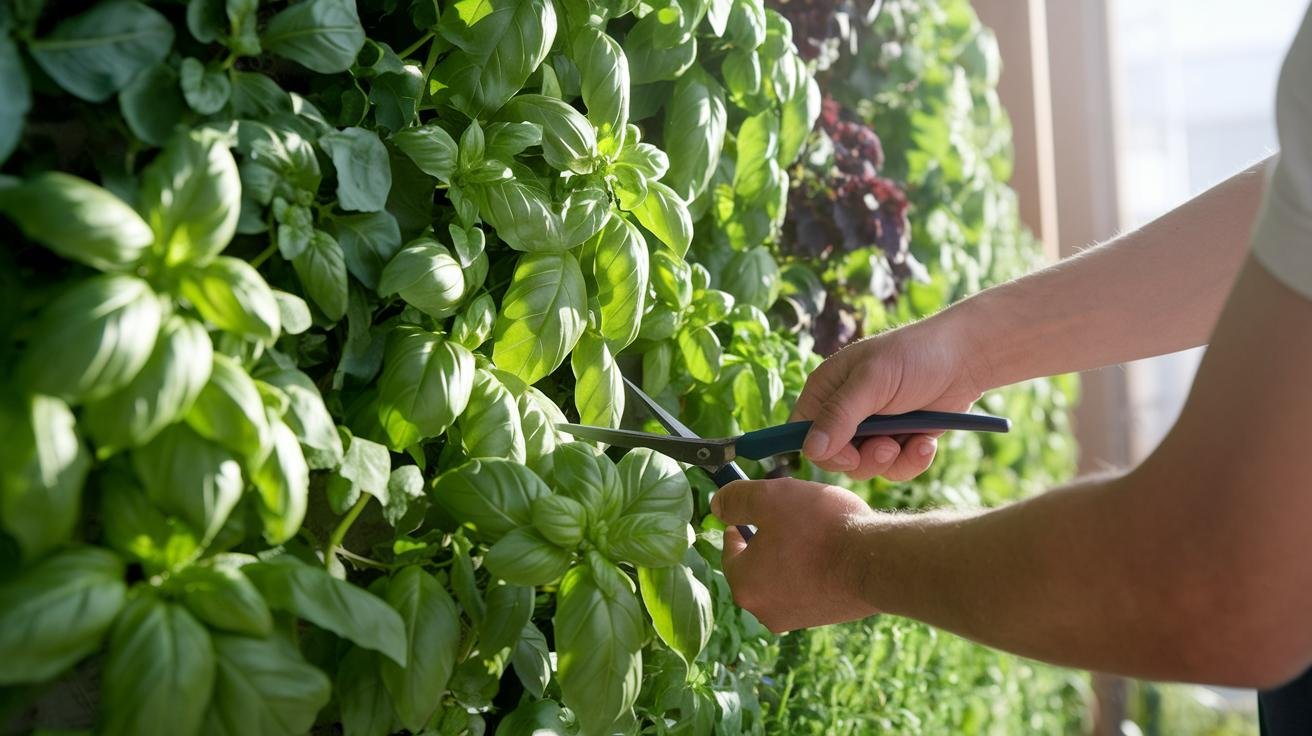
In a vertical herb garden (plants trained up a wall to save space), each snip is a mini haircut for your greens. Cut away crowded stems and let fresh shoots soak up the sun. You’ll love the crisp snap when you free up those leaves.
Grab sharp pruning shears (handheld tool for trimming stems) and pick a dry morning when leaves aren’t wet. Snip just above the leaf node (where leaf meets stem) to spark new branches. And clear out old, woody bits, they just weigh your herbs down.
I’ll walk you through these simple steps, from that perfect first snip to cleaning up stiff stems. Before you know it, every pocket will burst with bushy, flavor-packed basil and mint.
Core Pruning Techniques to Maximize Herb Yield in Vertical Gardens
In those snug wall pockets, pruning (careful trimming of plant parts) keeps your herbs healthy and bursting with flavor. Think of it like giving each plant a fresh haircut, snip away crowded bits so new leaves get plenty of light and air. I love hearing that soft snip as a stem gives way.
First, pick the right tools. Sharp shears (clean, sanitized scissors for plants) or slim micro-pruners (tiny scissors that slip between leaves) work best. Dull blades tear stems and invite pests.
Basil
- Once stems reach about 6 inches tall, snip just above a leaf node (where leaf meets stem) at a 45-degree angle.
- Do this every week or two to spark new side branches and a bushier plant.
Have you ever smelled fresh basil after a trim? It’s amazing.
Mint
- Every 2–3 weeks, trim back about one-third of the longest stems.
- This keeps mint from taking over and encourages fresh, tender shoots.
Rosemary and Thyme
- After they bloom, or on a 4–6 week schedule, cut away the old, woody stems close to fresh green tips.
- Removing hard, older wood helps the soft new shoots pop up.
Parsley
- Harvest by cutting outer leaves at the base every 2–3 weeks.
- Let the inner stems grow so the plant stays full and productive.
Working in wall-mounted planters calls for slender-tip micro-pruners to reach deep into each pocket. Trim flush with the planter edge so you keep a neat canopy and avoid shading lower tiers.
Shape herbs to fit narrow modules:
- Snip any outer shoots crowding their neighbors.
- Remove stems that overlap and block light.
- Clip dangling bits so every row gets enough sun and air.
Remember, clean cuts matter. Wipe your blades with a bit of rubbing alcohol (70% isopropyl) between passes to stop germs.
With these simple steps, proper pruning, careful shaping, and spot-on tool choices, you’ll see lush, bushy herbs from the top pockets all the way down.
Timing and Frequency Guidelines for Pruning Key Vertical Herbs
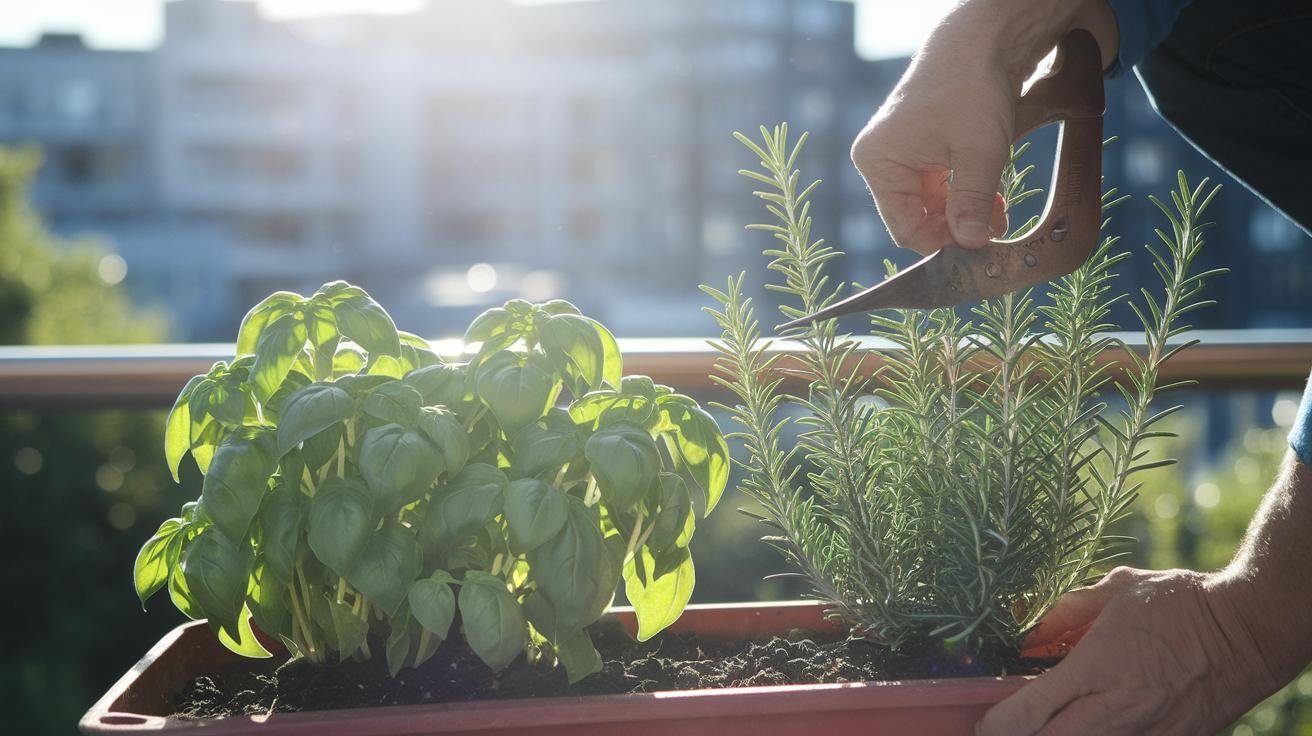
Ever noticed how herbs seem to wake up after a morning trim? It really makes a difference. Prune in the cool morning hours when stems still wear dew. They hold their shape better and won’t bruise as easily.
Hold your snips at about a 45 degree angle just above a leaf node (the spot where a new branch can sprout). That slanted cut helps water roll off and keeps plants healthy.
You can use this trick on basil, mint, rosemary, and thyme. They’ll all grow nice and bushy when you prune this way.
| New Tips | |
|---|---|
| Cilantro timing | Trim once flower stalks show up, about every three or four weeks. A snip in the morning after the dew lifts keeps leaves tender. |
| Seasonal cutting plan | Spring: give herbs a hard haircut to spark fresh shoots Summer: light trims to keep harvests rolling Fall: gentle pruning as days cool Winter: quick tidy up and let them rest |
| Track your trims | Keep a little journal by your pots. Jot the date of each cut. Soon you’ll spot patterns in how fast your herbs bounce back. |
Essential Pruning Tools and Safety Practices for Vertical Garden Herbs
Have you ever felt the crisp snap of fresh oregano under your fingers? When you’re snipping herbs in your vertical garden, pick tools made for little stems. Sharp bypass shears (hand clippers that slice clean) work wonders on tiny leaves, and micro pruners (small clipping tools) are perfect for tall, stacked planters. Their slim tips slip into tight spots and slice without yanking stems.
Before each cut, sanitize your tools. Wipe the blades with 70 percent isopropyl alcohol (rubbing alcohol). That little spa moment stops germs from hitching a ride on your shears.
Sharpen your blades every month. Dull scissors bruise stems and invite diseases into your herb patch. A razor edge makes each snip feel smooth and quick (like slicing soft cheese).
Watch how you hold your tools. Keep your wrist straight and grip the handles firmly when you reach up. This way your hand won’t cramp and your cuts stay steady.
And don’t forget the top tiers. Stand on a sturdy step-stool or ladder with a wide base so there’s no wobble. That lets you focus on the mint and basil, not the drop.
Preventing Leggy Growth and Promoting Bushier Herbs in Vertical Gardens
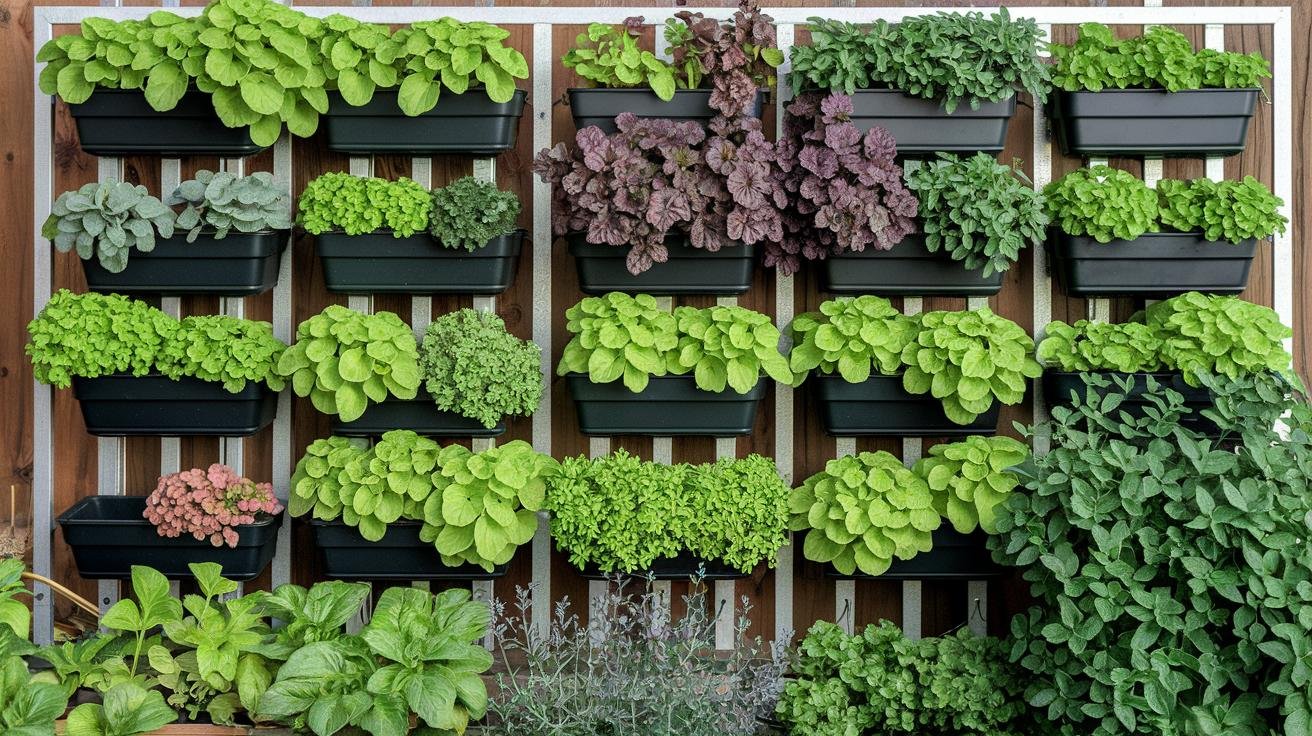
Ever notice oregano stems stretching toward the light like tiny spaghetti noodles? I did, and it made me think about how vertical planters need room and a little support to keep herbs happy. Try spacing young plants about 8 to 10 inches apart in each pocket. That way every leaf soaks up sun and feels the breeze. Good gaps also stop damp corners where mold (fungus that likes dark, wet spots) can sneak in. (Curious how light moves through each layer? Peek at vertical herb garden lighting requirements.)
Try these pocket-specific steps:
- Give each herb 8 to 10 inches of space. That keeps leaves from crowding and lets lower pockets catch light.
- Slip in a sturdy trellis or stake for climbing or heavy-smelling herbs like rosemary. Prune any tips that spill past their pocket.
- Trim shoots that arch over the planter’s rim. That keeps the top layer level and stops shading plants below.
- Thin inner leaves by snipping two or three stems in the center. This opens a little window for air and cuts extra humidity in tight spots.
- Check hooks and straps every month. Tighten any loose bits so the planter won’t sag under a leafy load.
By weaving these steps into your routine, you’ll keep herbs bushy from top to bottom.
Bushy herbs are so much happier.
Now when you reach for a sprig of thyme, it’ll be plump and juicy, not leggy and lanky.
Troubleshooting Pruning Challenges and Managing Plant Health
Have you ever found a yellow leaf hiding in your mint patch? It might be powdery mildew (a white, dusty fungus) or downy blight (a fuzzy spore cluster you can almost feel). Snip off any yellow, spotty, or wilted leaves as soon as you see them.
- Sanitize your shears between each cut. Just wipe them with rubbing alcohol to keep disease germs from hitching a ride.
- Thin out crowded shoots by snipping inner branches. This little opening lets fresh air dry damp spots so fungus can’t settle in.
- Trim on a regular schedule to mess up pest lifecycles. Fewer hiding spots for aphids and mites means fewer bugs. Check out organic pest control for vertical herb gardens for more tips.
Once the sick bits are gone, gather your scraps and toss them in the compost bin (decayed organic matter that feeds soil). Then spread a one-inch layer of organic mulch (decayed plant bits that cover soil) around each herb pocket. That soft blanket helps hold moisture and keeps tender roots cozy.
And when your herbs need a bigger haircut after a rough season, treat them to a balanced organic fertilizer (plant food) like a 5-5-5 NPK mix. NPK stands for nitrogen, phosphorus, and potassium, three key nutrients that give new growth a gentle nudge.
Keep your blades clean, chop off the sick bits, then top up with mulch and nutrients. You’ll see healthier, stronger herbs all season long. No more sad, limp leaves – just lush little green powerhouses ready for your next meal.
Pruning Techniques for Herbs in Vertical Gardens Simplified
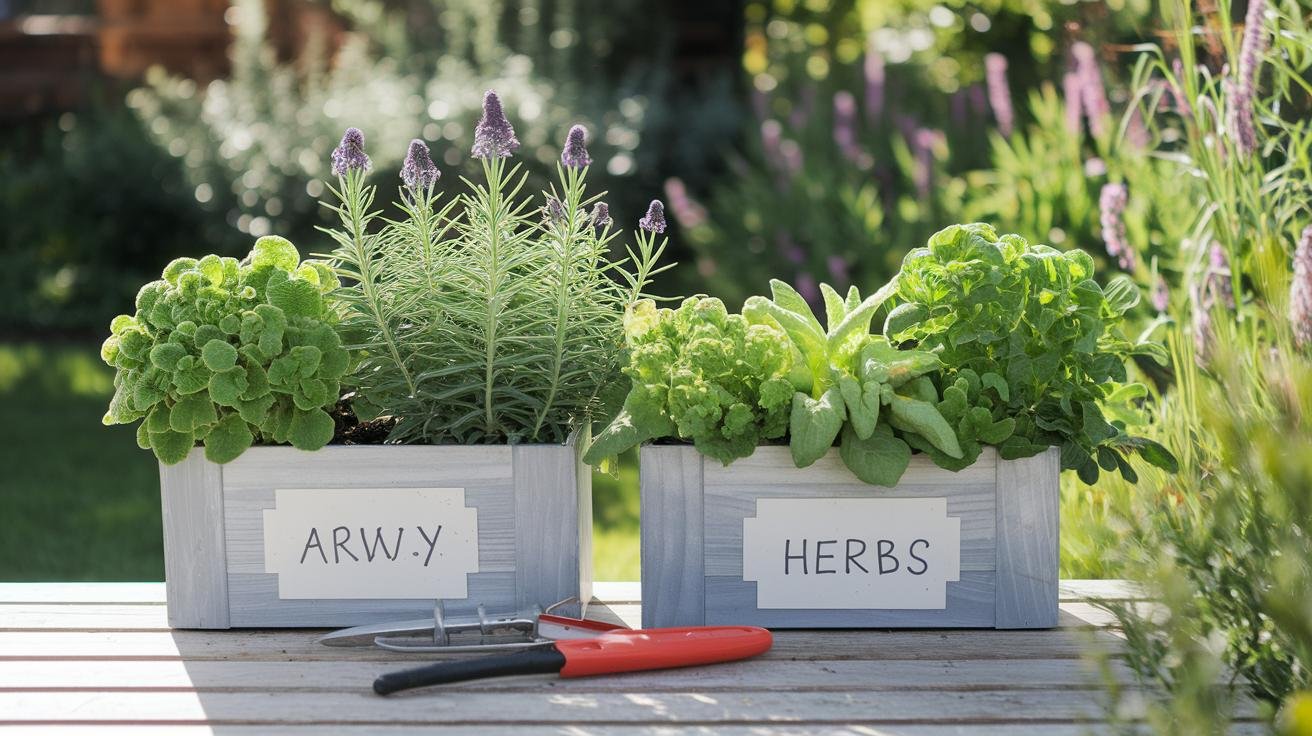
Have you ever stared at your vertical garden and lost track of your herbs? I use little waterproof labels on each pocket, basil, thyme, cilantro, to see which ones bounce back fastest. It feels like everyone’s getting name tags at a garden party. And when I spot a superstar herb springing up, I know my pruning is paying off.
Rotate your herb modules each season to let the soil rest. Think of your soil like a sponge (it soaks up nutrients, or plant food). I once skipped this step and my soil felt worn out, like a sponge squeezed dry. Now I swap those herb pockets every few months and my garden thanks me with steady growth.
When it comes to basil, parsley, or cilantro, snip young shoots again and again. This cut-and-come-again (harvesting young shoots while leaving the main stem alive) trick keeps fresh leaves popping up all season. You’ll love that bright basil aroma every time you reach for a sprig.
But wait. Snip just above a leaf node and the plant will branch out like crazy. You’ll be amazed where new sprouts pop up next. Enjoy the crisp snap of a parsley stem and get ready for more green goodness tomorrow.
Final Words
Right in the thick of your herb wall, you’ve seen how simple cuts at the right spot can spark fuller growth. From slicing basil above a node at 45° to clipping mint and pruning rosemary after bloom, each step blends clean cuts with the right tools and timing.
Stick with slender micro-pruners for tight pockets, sanitizing shears, and a steady schedule. Tracking trims in a small journal helps you tweak your plan.
Here’s to mastering pruning techniques for herbs in vertical gardens, and enjoying a lush, easy-care harvest.
FAQ
How often should I prune basil in a vertical garden?
Pruning basil every 1–2 weeks once it reaches about 6 inches tall helps trigger side branches. Cut just above a leaf node at a 45° angle for bushier growth.
What tools should I use for trimming herbs in wall planters?
Using sharp, sanitized bypass shears or slender-tip micro-pruners lets you reach inner stems and make clean cuts. Clean blades cut stem damage and lower disease risk.
How do I prevent leggy growth in vertical herb gardens?
Prevent leggy growth by spacing herbs 8–10 inches apart and trimming arching shoots flush with pocket edges. This keeps a uniform canopy and lets light reach lower tiers.
When is the best time to trim cilantro to reduce bolting?
Trim cilantro every 3–4 weeks when you spot early flower heads, ideally mid-morning. This slows bolting and encourages fresh growth without stunting your plants.
How can I safely prune rosemary and thyme in vertical systems?
Safely prune rosemary and thyme after flowering or every 4–6 weeks during cool morning hours by removing woody growth. This helps new shoots develop and avoids overcutting.
What’s the best way to remove diseased foliage during pruning?
Remove diseased leaves by cutting back to healthy tissue and sanitizing shears between cuts with 70% isopropyl alcohol. This stops fungal spread and keeps your vertical herbs healthy.
How do I create a year-round pruning schedule for vertical herbs?
Create a year-round pruning schedule with hard cutbacks in spring, light summer upkeep, minimal fall pruning, and winter rest. Track dates and growth speeds in a garden journal to maintain steady harvests.