Core vs Spike Lawn Aeration Pros and Cons
Spike vs Core Aeration: Which Works Best for Your Yard?
Have you ever jabbed your lawn with a spike tool hoping to fix stubborn brown patches? I tried it once, and the ground barely budged.
Those solid spikes punch holes into your turf. It’s a quick, tidy touch, but it only loosens the soil around each poke.
But core aeration works differently. It uses hollow tines (metal rods that pull out tiny soil plugs) to lift little cylinders of earth right out. Once those plugs are up, air, water, and nutrients sink deep and feed your grass roots.
You can almost feel the warm earth crumbling between your fingers as those holes open up.
Both methods promise greener, healthier grass. But they each have their own perks and limits, depending on your yard’s needs.
In the next section, we’ll walk through the upsides and downsides of spike and core aeration. Then you can choose the best fit for your lawn!
Core vs Spike Lawn Aeration: Quick Comparison for Turf Health
Ever feel like your lawn’s a bit stiff? Core aeration uses hollow tines (like metal rods with a hollow center) to pull out 2 to 4 inch plugs of soil. It’s like poking holes in a sponge before you soak it with water. You can relieve up to 30 percent of soil compaction (when soil gets packed so tight it chokes grass roots). And your grass drinks up more air, water, and nutrients right where it needs them.
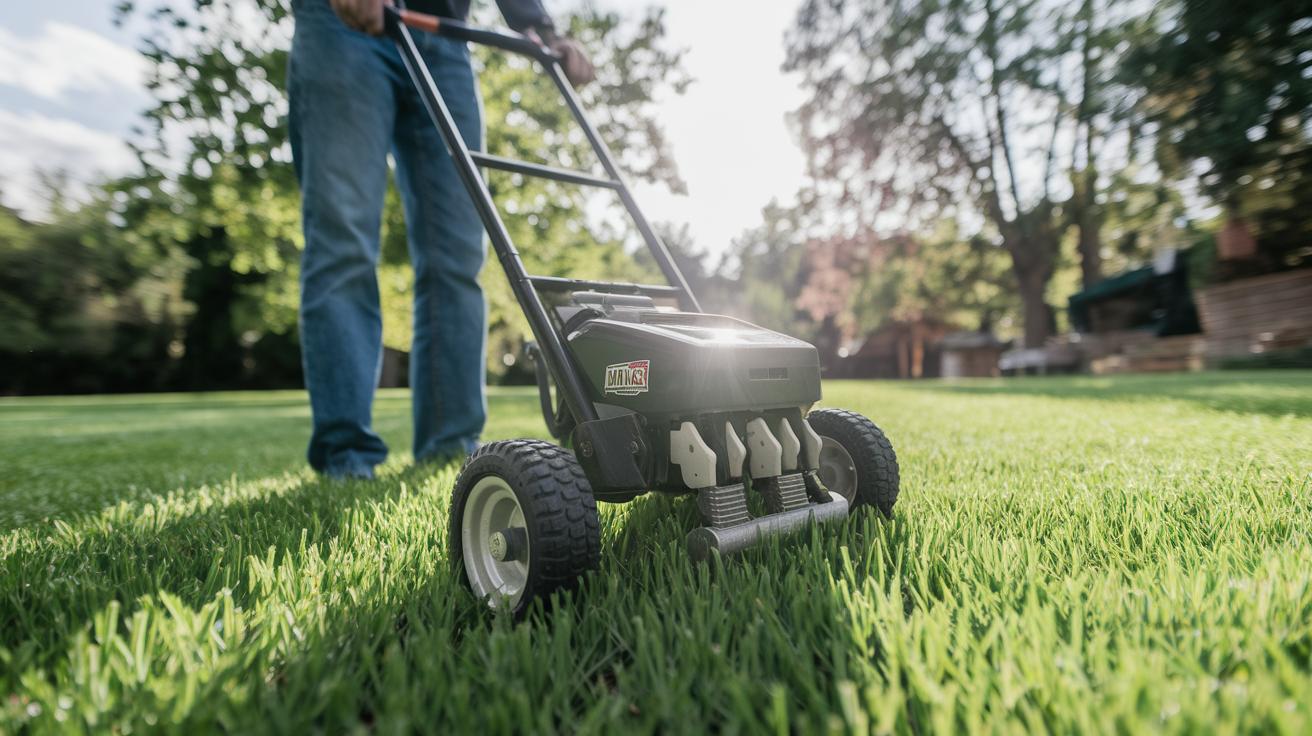
Spike aeration works differently. It drives solid spikes about 2 to 3 inches deep into the ground. You barely see any mess afterward, but it only loosens around 10 percent of compaction. It’s quick and tidy.
With core aeration, you’ll spot lots of holes and loose plugs on the surface. It might look rough at first, but your grass roots wake up fast. Spike aeration makes slim holes that blend right in. Your yard looks neat, but the soil relief is gentler.
By the way, soil type and grass species matter a lot, too. Check the Soil and Grass Type Considerations section below to pick the best aeration style for your yard.
Understanding Core Aeration Mechanics and Benefits
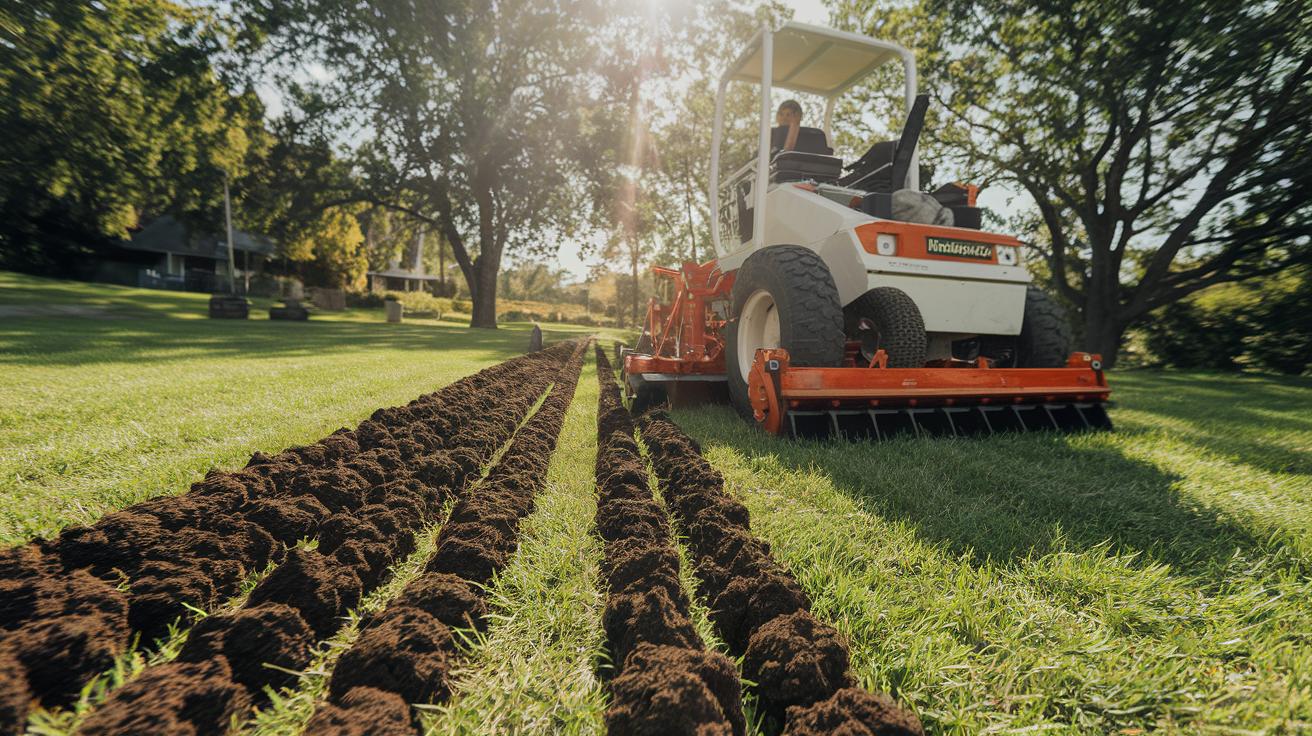
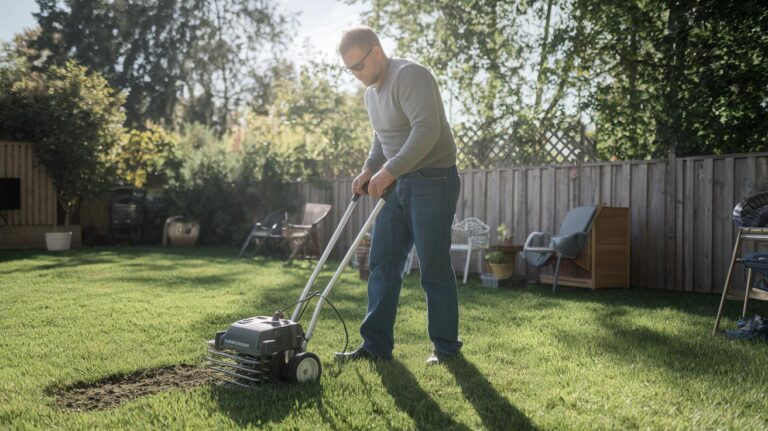
Ever tried a hollow-tine machine? You can walk behind it or hop on a ride-on model. It pulls out small soil plugs about 0.5 inches wide and 2 to 4 inches deep. These little holes let fresh air and water slip down to thirsty roots.
Breaking up hard, compacted soil (packed-down earth) does wonders. Roots can spread their branches. Water soaks in faster. And friendly microbes (tiny living helpers) wake up by about 20 percent to munch thatch (dead grass layer) faster. Your grass then grabs nearly 15 percent more nutrients (plant food).
No need to rake up those soil plugs. Just let them crumble back into the turf over 7 to 14 days. I love watching them break apart like crumbling cookies.
Plan to aerate once a year. Early fall or late spring is perfect when the ground feels soft and the grass is gearing up for growth. It’s like giving your lawn a big, deep breath.
Exploring Spike Aeration: Process, Tools & Limitations
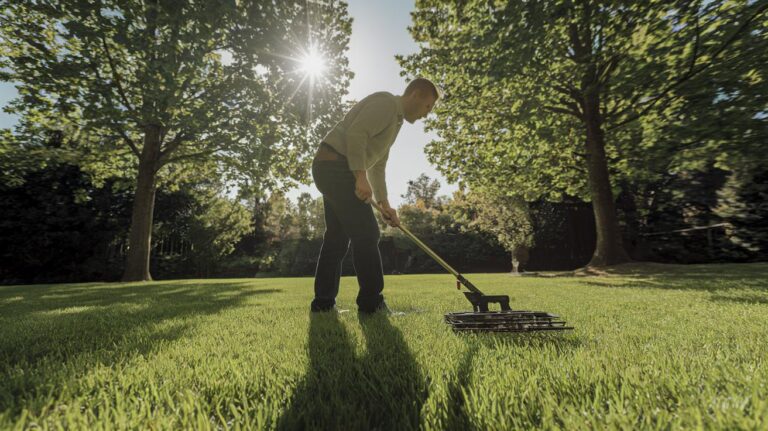
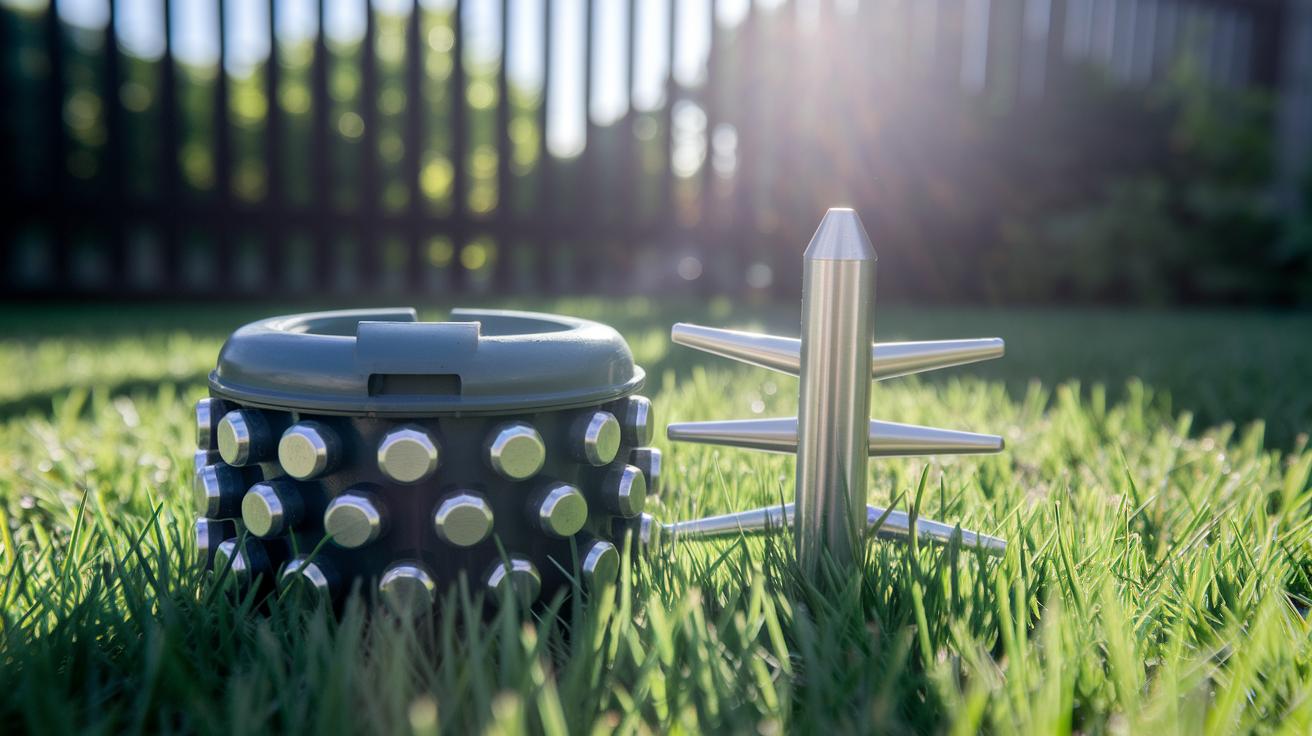
So what is spike aeration? It’s poking little holes in your grass to help air, water, and roots reach the soil. You can use hand-held spikers, spiked shoes, or machines with solid tines (long metal prongs). The spikes sit about 4 to 6 inches apart and go 2 to 3 inches deep.
Ever tried the hand tool? It’s like a little dance: step, press, lift. The soil gives way under your foot. Machines skip the toe-tapping and just drive the spikes in.
Manual spiking takes about a minute for every 10 square feet. You’ll work up a light sweat as you poke holes. Big machines cover that same area in no time if your yard’s larger. But note, spikes only compress and shift soil. They don’t pull out plugs. That means you get about a ten percent relief from compaction (when soil is too tight) instead of the thirty percent boost you’d see with core aeration (removing small soil plugs).
Spike aeration shines when your lawn is only a little compacted or sits on sandy ground that already drains well. By the way, my dog loves rolling on the freshly poked patches. It’s a tidy, low-disturbance choice for fine-fescue turf (grass with thin leaves).
If you’re dealing with hard-packed clay or heavy thatch (a layer of dead grass and roots), you might want hollow-tine core aeration instead. Happy aerating!
Core vs Spike Aeration Pros and Cons Side-by-Side
Wondering if core aeration or spike aeration suits your lawn best? Let’s break it down like neighbors chatting over the fence. We’ll look at soil compaction (when dirt is packed too tight to let air and water in), thatch (a mat of dead grass bits), water infiltration (how fast water soaks in), and root development (how well roots spread and grow).
| Metric | Core Aeration | Spike Aeration |
|---|---|---|
| Soil Compaction Relief | ~30% | ~10% |
| Thatch Management | Excellent | Minimal |
| Water Infiltration Rate | High | Moderate |
| Root Development | Strong | Moderate |
Use this chart to decide which aeration method matches your yard’s needs. Then scroll up to dive into how each tool works and get your grass breathing easier.
Cost Analysis & Equipment Options for Core and Spike Aeration
Renting gear is great if you’re doing a one-off job. A core aerator (tool that pulls little plugs of soil so air and water can seep in) usually rents for $60 to $80 per day. Buying one outright can cost $1,200 to $3,000.
If you just want to poke holes, a spike aerator (wheeled tool with prongs) rents for $25 to $40 a day. On a really tight budget, you can even get manual spike shoes (sandals with nails) for about $15 to $25.
Hiring a pro shifts the numbers. A lawn service might charge around $0.08 to $0.15 per square foot for core aeration, and about $0.05 to $0.10 per square foot for spike aeration. If you go DIY, you skip labor fees, but you’ll trade dollars for sweat equity instead.
Time is also part of the cost. A walk-behind core aerator lets you tackle 5,000 square feet in roughly two hours. Manual spiking for the same area? Plan on about four hours if you keep a steady pace. Machine-driven spike aerators are faster, but since they don’t pull out plugs, you’ll still spend a bit of extra time digging them up if you want deeper relief.
Here are a few things to weigh in your cost-benefit mix:
- Equipment purchase vs. rent: big upfront price or a daily fee
- Professional service vs. DIY tool pick and your own labor
- Time investment: two hours for core aeration or about four hours for manual spiking
- Long-term value: how often you’ll aerate and whether owning gear pays off over future seasons
Soil and Grass Type Considerations for Aeration Method Selection
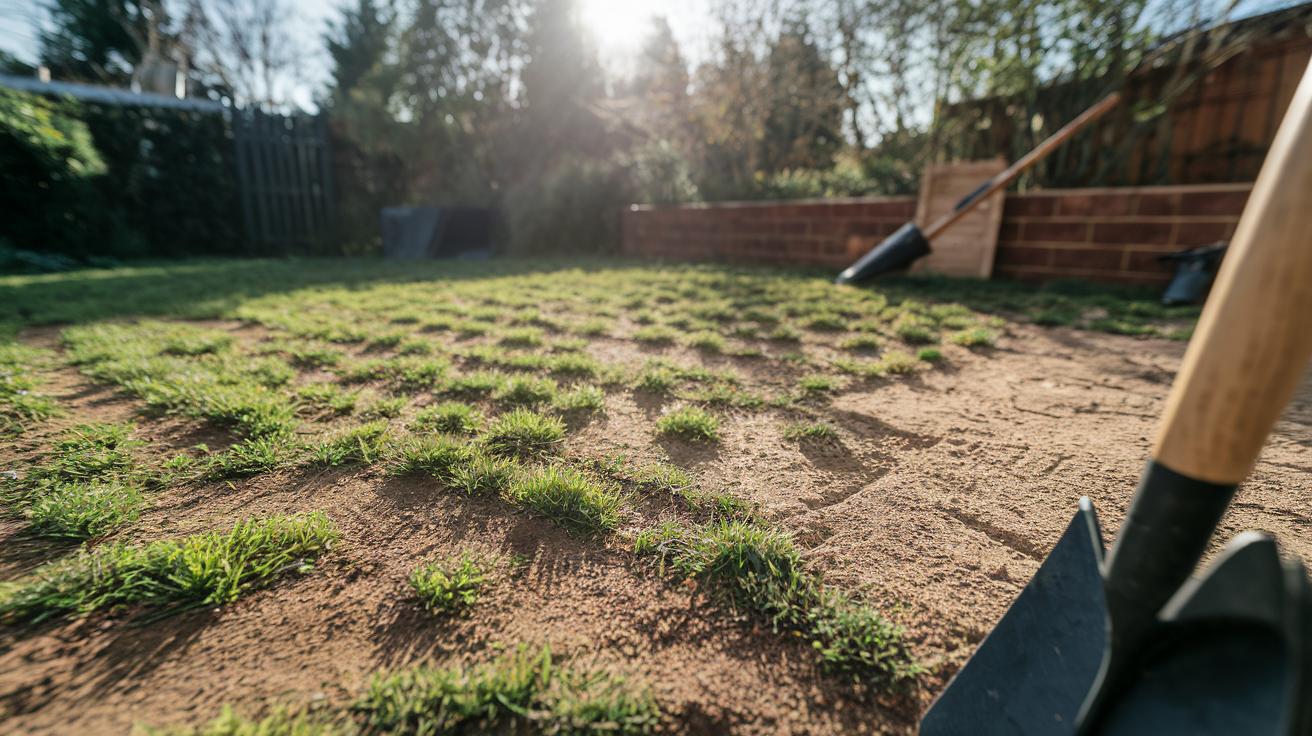
First, let’s size up your soil. Grab a handful of dirt and rub it between your fingers. Sandy soil feels gritty, clay feels sticky, and loam (a mix of sand, clay, and silt) feels soft like dough. You can also push a screwdriver into the turf, if it slides in easily, your soil is loose. If it resists, you’ve got compacted ground.
Now pick your aeration tool. For clay soil, use core aeration (removing small plugs of soil) about 3 to 4 inches deep. Pulling out plugs helps break up hard earth and lets roots breathe. Sandy soil usually only needs spike aeration (poking holes) since the air slips right in without much fuss. Loam handles either method, so choose what fits your gear or budget.
Your grass type matters, too. Kentucky bluegrass (a cool-season grass) sees about 40 percent better overseeding (planting new seed over existing turf) after core aeration because those little holes are perfect seed spots. Fine fescue (a thin-bladed grass) does just fine with spike aeration since it doesn’t mind minimal soil shift. Think about your lawn mix before you fire up the aerator.
Once you’re done aerating, overseeding is a breeze. Scatter seed evenly over the surface. Then press it into each hole with a light rake or a flat board so the seed nestles in. Add a thin topdressing of compost (decayed organic matter that enriches soil) or seed-starter mix to lock in moisture. Keep the soil damp with gentle watering until the new grass knits into your lawn.
Optimal Timing and Seasonal Lawn Aeration Practices
So, when should you aerate your lawn? I like two sweet spots: spring and fall. That’s when grass wakes up, and the soil isn’t too hard or too baked.
In spring, wait until the soil warms above 55°F (soil temperature tells you how warm the top few inches feel). Then roots stretch and start sipping water. You’ll feel the warm earth crumbling between your fingers when you press in.
For fall, aim for mid September through early October. That gives grass roots time to spread before the first frost. And by the way, my dog loves rolling on that freshly aerated patch, true story.
You want soil that feels like a gently wrung out sponge (damp but not soaking). If mud sticks to your boot, hold off a day or two.
Before you start, check three things:
- Soil temperature over 55°F.
- Moisture level – soil should feel damp like a sponge, not sticky.
- Grass growth – look for fresh green blades popping up in spring or signs of fall recovery.
By the way, I give my aerator a quick oiling so it slides through soil with ease.
Plan to aerate once or twice each year. If you live in a cooler area, do spring aeration to give grass time to thicken by summer. In warmer zones, fall aeration often wins, letting roots repair before winter dormancy.
Back to enjoying that lush, comfy lawn.
Core vs Spike Lawn Aeration Pros and Cons
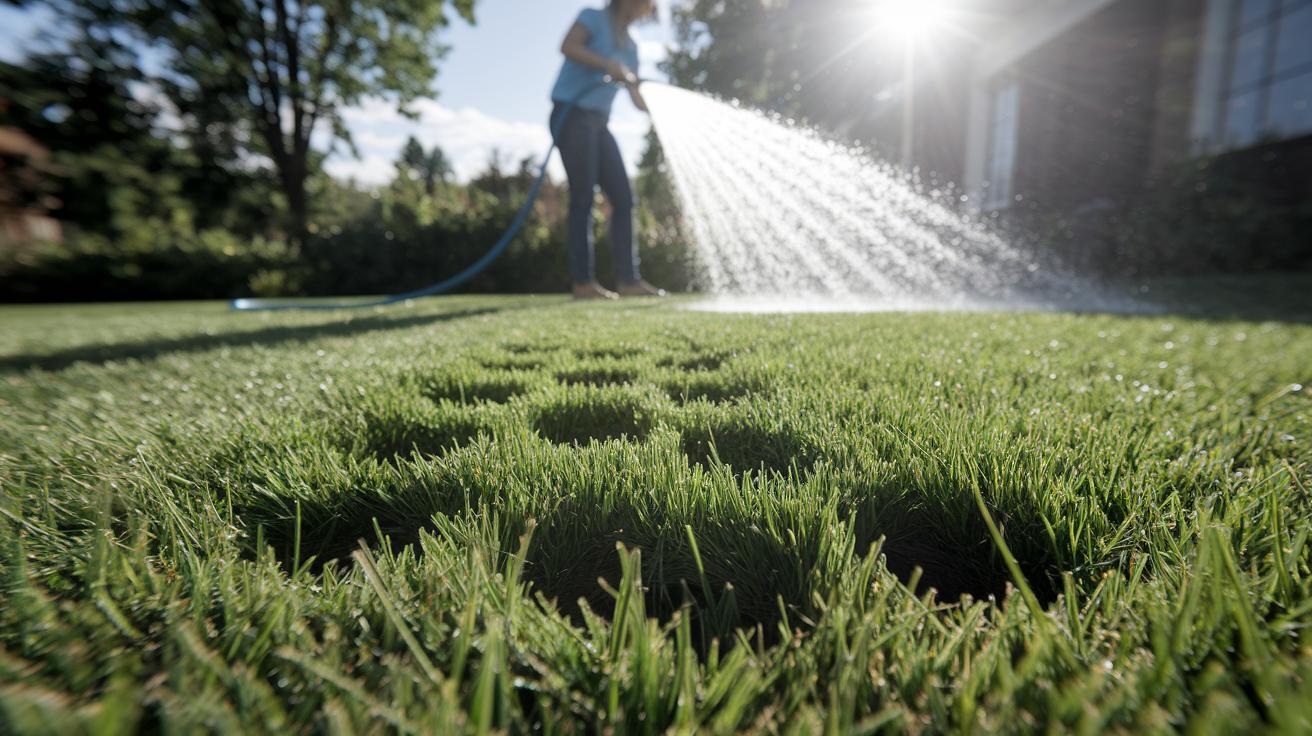
Oops, we pulled this section out to keep things fresh. We’ve already slipped in the 15% bump in nutrient uptake (how plants grab their food) and explained how the plugs feed those tiny soil microbes (helpful living helpers in soil) in the main mechanics and pros-and-cons sections. So no need to repeat ourselves here.
Final Words
In this quick run-through we lined up core aeration and spike aeration side by side. Core pulls 2-4 inch soil plugs, easing up to 30% compaction, while spike pokes holes 3 inch deep for about 10% relief. We also covered gear costs, soil and grass tips, timing, and post-aeration care.
Picking the best fit depends on grass type, soil texture, and how much effort fits your schedule.
And with this guide to core vs spike lawn aeration pros and cons, each turf patch is poised for healthier growth.
FAQ
What is core aeration?
Core aeration uses hollow tines to pull 2–4 inch soil plugs, relieving up to 30% compaction, boosting water infiltration, nutrient uptake, and promoting stronger root growth.
What is spike aeration?
Spike aeration uses solid tines or shoes to penetrate 2–3 inches of soil without extracting cores, offering about 10% compaction relief but minimal thatch reduction.
How do core and spike aeration methods differ?
Core and spike aeration differ in compaction relief and soil disturbance. Core removes plugs for about 30% relief, while spike penetrates for roughly 10% relief with less soil disruption.
When should I choose core aeration over spike aeration?
Core aeration is best for heavy clay soils, thick thatch, or overseeding. Spike aeration suits sandy or lightly compacted soils with minimal thatch buildup.
How often and when should I aerate my lawn?
Aerate lawns once or twice a year—spring when soil temps exceed 55°F or fall between mid-September and early October. Aim for moderate soil moisture to ease tine penetration.
What post-aeration care should I follow?
After aeration, water 0.5 inch within 24 hours, wait 7–14 days before heavy traffic, apply slow-release fertilizer within three days, and use a sand–topsoil mix to level any low spots.
What are the cost differences between core and spike aeration?
Aeration rentals run $60–$80/day for core, $25–$40/day for spike. Hand spike shoes cost $15–$25. Pro service runs $0.08–$0.15 per sq ft for core, $0.05–$0.10 for spike.