How to Grow California Giant Zinnias from Seed
If you want one annual that gives you armloads of cut flowers, a steady stream of bees and butterflies, and almost no fuss in return, California Giant zinnias are hard to beat. This heirloom strain throws dahlia-style blooms up to five inches across on stems tall enough for the back of a border or a tall vase, and it keeps going from early summer right up to your first frost. I grow a row of them every year purely for cutting, and the more I cut, the more they bloom. Here’s how to grow California Giant zinnias from seed — sowing, sun and soil, watering, feeding, deadheading, and saving seed for next year.
As an Amazon Associate, Backyard Superstar earns from qualifying purchases at no extra cost to you.
What Makes ‘California Giants’ Worth Growing
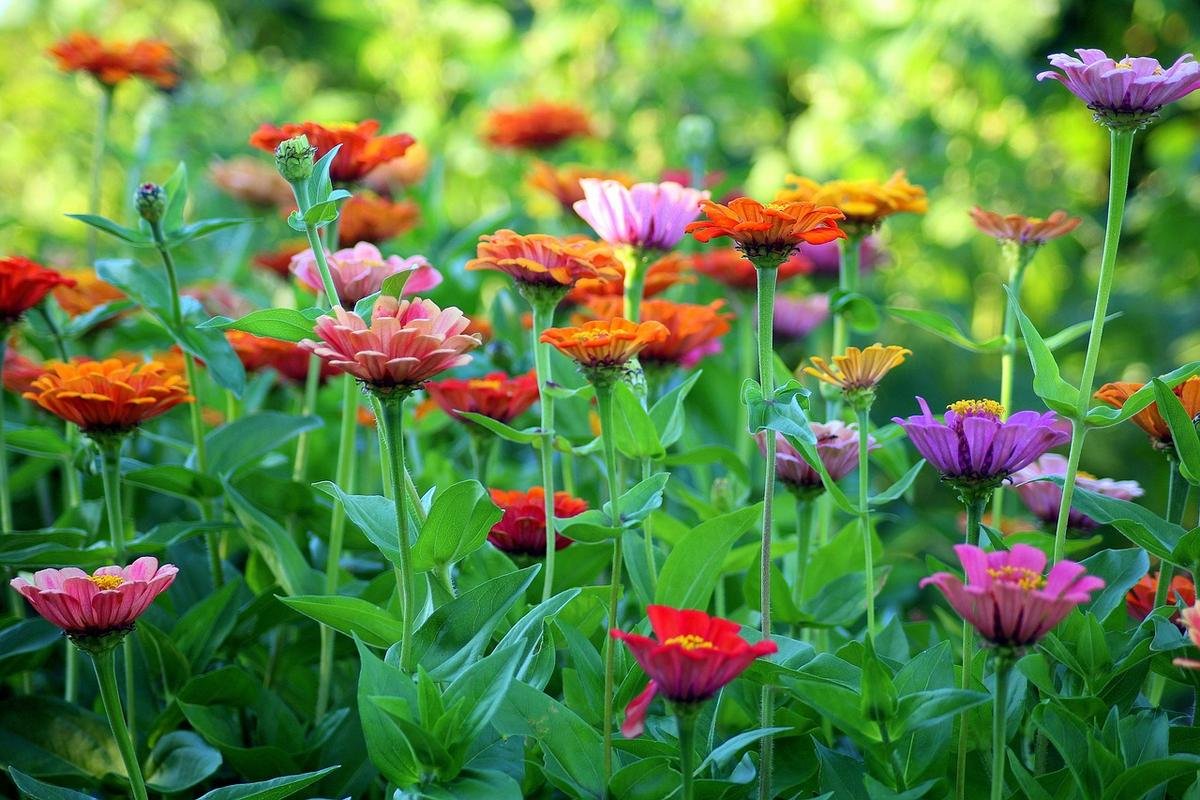
‘California Giants’ is an heirloom zinnia mix first introduced back in the 1920s, and it has stuck around for a reason. The flowers are big — often a full five inches wide — with semi-double to fully double petals that give each bloom a layered, dahlia-like look. You get the whole warm-and-cool range in a single packet: red, orange, pink, white, purple, and yellow. The plants branch tall, usually two to four feet, on sturdy stems that hold those heavy heads up instead of flopping over after a rain.
They earn their keep beyond looks, too. Zinnias are one of the best pollinator magnets you can plant — bees and butterflies work them all day — while deer tend to walk right past them. The petals are edible, so they’re safe to scatter across a salad or float in a pitcher of lemonade. And they’re genuinely beginner-friendly: if you can keep a seedbed damp for a week, you can grow these.
| Trait | California Giant Zinnia |
|---|---|
| Type | Annual (Zinnia elegans, Asteraceae family) |
| Height | 2–4 feet (60–120 cm) |
| Light | Full sun — 6 to 8 hours |
| Water | Low to moderate once established |
| Soil | Loamy, fertile, well-drained; pH 6.0–7.0 |
| USDA Zones | Grown as an annual in zones 2–11 |
| Bloom time | Early summer to first frost |
Because they’re such reliable summer color, zinnias slot neatly into a larger plan — I lean on them as the tall, long-blooming backbone when I’m putting together a pollinator garden layout.
Starting California Giants from Seed
Zinnias resent being transplanted more than most annuals, so the simplest route — and my favorite — is to direct-sow them right where they’ll grow. Wait until all danger of frost has passed and the soil has warmed to around 65°F (18°C); cold, wet soil just rots the seed. Loosen the top six inches of your bed, work in a little compost, and sow seeds about a quarter-inch deep, spacing your sowing spots 18 to 24 inches apart. I drop two seeds per spot for insurance and snip out the weaker seedling later. Keep that seedbed evenly moist and you’ll usually see sprouts in four days to two weeks.
For the seed itself, the Sow Right Seeds California Giants Mix is exactly this strain — non-GMO, open-pollinated heirloom seed with sowing instructions printed right on the packet, which makes it an easy first buy for a beginner. If you’re planting a long cutting row or filling a big bed and want the most seed for your money, the Burpee Giant Flowered Mixed Colors Zinnia Seeds (375-seed pack) is the same giant-flowered type in a higher count. Both run in the budget range ($) for a packet.
If you garden in a short-season area and want a head start, you can sow indoors four to six weeks before your last frost. Fill cells with a light seed-starting mix, tuck one or two seeds a quarter-inch deep in each, and keep the medium just moist under a bright window or a grow light. Warmth is what really speeds zinnia germination, so a bottom-heat setup helps — a kit like the NAMOTEK Seedling Heat Mat with Starter Trays and Humidity Domes bundles the warming mat, cell trays, and vented domes so seeds sprout faster and more evenly (mid-range, $$). Once your outdoor soil holds at 65°F, harden the seedlings off over about a week — a few hours outside daily, building up — then plant them at the same depth they sat in their cells. Handle the rootballs gently; zinnias sulk if you disturb their roots.
Sun, Water, and Soil They Actually Want
Sun is non-negotiable. California Giants want six to eight hours of direct sun a day, and they’ll tell you when they’re not getting it — plants stretch tall and weak, then can’t hold their own flowers up. A spot that catches early-morning light is ideal, because it dries the dew off the leaves quickly and cuts your risk of fungal spots.
On water, aim for steady rather than constant. Young transplants and fresh sowings need regular moisture to get their roots going. Once they’re established, these are fairly drought-tolerant plants, but they reward moderate, even watering with noticeably more blooms. Water at the soil level in the morning — two deep soakings a week usually does it in summer heat, and skip it when rain takes care of things. Whatever you do, keep the hose off the foliage; overhead watering keeps leaves wet and practically invites powdery mildew.
For soil, a fertile, fast-draining loam is the sweet spot. If your ground is heavy clay, work in some compost or a little coarse sand to open it up so water moves through. A soil pH between 6.0 and 7.0 keeps nutrients available. The same loose, sunny conditions suit a lot of summer annuals, so zinnias mix happily into a bed of other heat-loving plants.
Feeding for More Blooms, Not Just Leaves
Here’s the mistake I made early on: I fed my zinnias a high-nitrogen fertilizer and got gorgeous, bushy, dark-green plants with hardly any flowers. Too much nitrogen pushes leafy growth at the expense of blooms. Work a balanced organic fertilizer into the bed at planting to give seedlings a gentle start, then about four weeks in, switch to a feed that leans higher on phosphorus and potassium to drive flowering.
A blossom-focused organic blend like Espoma Organic Flower-tone (3-4-5) is built for exactly this — lower nitrogen, with the phosphorus and potassium flowering annuals lean on, and it’s approved for organic gardening (budget range, $). Apply it around the base of the plants roughly once a month through the blooming season and water it in. You’re feeding flowers, not foliage. Avoid the temptation to over-fertilize; zinnias bloom best when they’re not coddled.
Deadheading and Cutting for Nonstop Color
This is the secret to zinnias that bloom until frost: keep cutting. Every flower you remove — whether you’re deadheading a spent bloom or harvesting a fresh one for a vase — tells the plant to push out more rather than set seed. Snip just above the next pair of leaves or a branching node, and that spot will send up new side shoots.
You can pinch soft stems with your fingers, but a clean cut heals faster and is much easier on the plant, especially as stems toughen up. A pair of micro-tip floral snips like the Fiskars Micro-Tip Pruning Snips slices through zinnia stems cleanly and gets into a crowded plant without mangling the neighbors (budget range, $). For the vase, cut in the cool of the morning and harvest when the outer petals have just begun to open — they’ll keep opening in water and last the better part of a week. The more aggressively you cut for bouquets, the more flowers you’ll get, which is why zinnias are the classic “cut-and-come-again” annual.
Saving Seeds for Next Summer
Because ‘California Giants’ is an heirloom, open-pollinated strain, you can save seed and grow it again next year — a nice payoff for an annual. Toward the end of the season, let a few of your best blooms stay on the plant instead of cutting them. When the flower heads turn brown, dry, and papery, clip them off and crumble them apart over a bowl. The seeds are the small, arrow-shaped pieces at the base of each dried petal. Let them air-dry for a few more days, then store them somewhere cool and dark until next spring. One thing to know: if you grew several zinnia varieties near each other, bees may have cross-pollinated them, so saved seed can throw a few surprises — which, honestly, is half the fun.
Keeping Pests and Mildew in Check
Grown in full sun with decent spacing, California Giants stay pretty trouble-free, but a few pests show up most summers. Aphids cluster on tender new growth — a firm spray of water usually knocks them off, and I’d reach for that before anything stronger. Spider mites move in during hot, dry spells; a regular rinse of the foliage discourages them. Whiteflies hide on leaf undersides, where yellow sticky traps and neem oil help. Japanese beetles will chew petals, but handpicking them into a jar of soapy water keeps numbers down. Leafhoppers are worth watching because they can spread aster yellows, so pull and toss any plant that looks stunted and distorted. For a fuller rundown of gentle, non-chemical options, see my guide to natural pest control.
On the disease side, powdery mildew is the big one — that white, dusty film on the leaves. It thrives in humid, crowded, poorly ventilated plantings, so the best defense is prevention: space plants about two feet apart for airflow, water at the soil line, and clear away any infected leaves promptly. If it spreads despite that, an organic neem or copper-based spray can slow it down. Good air movement around the plants solves most fungal problems before they start.
Where to Plant Them and What to Pair Them With
Because they grow tall, California Giants belong at the back of a border or along a fence, where they can rise behind shorter plants without shading them out. They look terrific in a dedicated cutting row, and they’re a natural fit in a pollinator planting alongside native nectar plants. Marigolds, sunflowers, and cosmos share their love of sun and lean soil, so they make easy companions and extend the bloom show.
Short on ground? They’ll grow in a large container, too — give them a deep pot, at least a couple of gallons, with drainage holes and a full-sun spot, and they’ll bloom just as hard on a patio as in a bed. If you go that route, my notes on the best plants for patio containers cover the potting-mix and watering rhythm that keeps container annuals happy through a hot summer.
FAQ
How long do California Giant zinnias take to bloom from seed?
Most plants flower about 60 to 75 days after sowing. Direct-sow after your last frost and you’ll typically have blooms by mid-summer, continuing until the first hard frost.
Should I start zinnia seeds indoors or direct-sow?
Direct sowing is easiest because zinnias dislike root disturbance. Starting indoors four to six weeks before your last frost only makes sense in short-season areas — and if you do, use bottom heat and transplant gently.
How do I get my zinnias to keep blooming all summer?
Cut and deadhead constantly. Removing spent and fresh flowers redirects the plant’s energy into new buds instead of seed, so the more you cut, the more it blooms.
Why are my zinnias all leaves and no flowers?
Usually too much nitrogen or not enough sun. Switch to a higher-phosphorus bloom feed and make sure they’re getting six to eight hours of direct light.
Are California Giant zinnias annuals or perennials?
They’re annuals — they complete their life cycle in one season. The upside is that the heirloom seed is easy to save and resow each spring.
Do zinnias really attract butterflies and bees?
Yes — they’re one of the most dependable pollinator annuals you can plant, and the open, flat-topped blooms make easy landing pads for butterflies in particular.