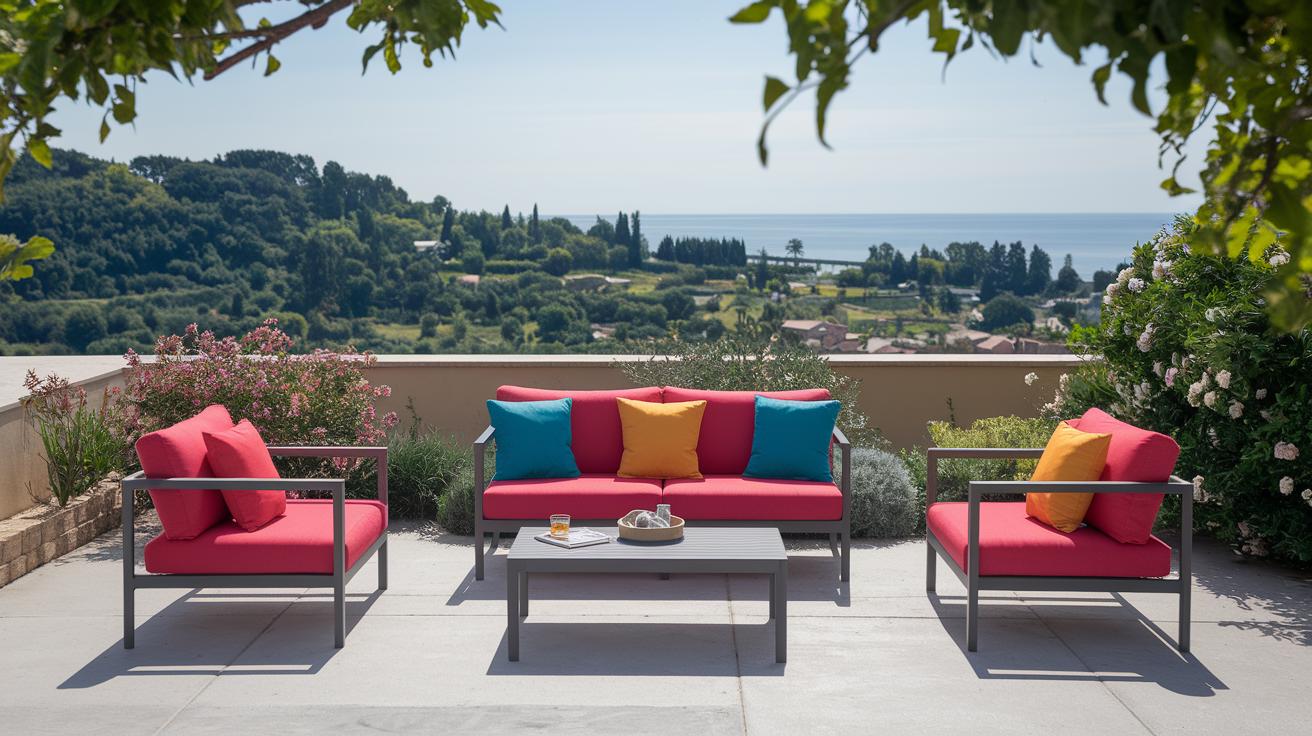
Durable Outdoor Furniture That Holds Up to Weather
Outdoor furniture lives a hard life — rain, sun, freeze-thaw cycles, blown debris, and seasonal humidity all chip away at materials that would last decades indoors. The right pieces shrug it off; the wrong pieces are scrap in two seasons. This guide covers what actually makes outdoor furniture durable, how five common material classes compare, what cushions and hardware separate cheap from lasting builds, what you get in each budget tier, the seasonal care that doubles a piece’s lifespan, and how to match material choice to climate.
What “Durable” Actually Means
The word “durable” gets thrown around in marketing copy without much definition. For outdoor furniture, four traits separate a piece that lasts 10+ years from one that fails in 2:
- UV stability. Sun degrades plastics, fades dyes, and chalks finishes. Quality outdoor pieces use UV-stable polymers or finishes rated for outdoor exposure. Bargain pieces use general-purpose materials that look the same on day one and fade within a season.
- Moisture resistance. Frame materials need to either shed water (sealed wood, powder-coated metal, polymer) or be inherently water-tolerant (teak, ipe, stainless). Joints and fasteners shouldn’t trap water; designs that pool water at seams rot from the inside out.
- Joint and fastener quality. Outdoor furniture sees more stress than indoor: kids climb on it, wind shifts it, freeze-thaw cycles push and pull at every connection. Stainless steel or marine-grade brass hardware outlasts zinc-plated steel by years. Welded joints outlast bolted ones for metal furniture; mortise-and-tenon or doweled joints outlast pocket screws for wood.
- Warranty backing. Manufacturers know their pieces. A 1-year warranty signals “we’ll cover obvious defects.” A 5-year warranty signals “we expect this to last.” A 15- or 20-year warranty signals premium construction with materials the company genuinely stands behind.
One detail worth checking before buying: does the manufacturer publish actual care instructions for outdoor exposure? “Suitable for outdoor use” with no maintenance guidance usually means “looks ok new, fails fast.”
Material Comparison: Wood, Metal, and Polymer
Five material classes cover almost every outdoor furniture piece on the market. Each has tradeoffs across cost, weight, weather resistance, look, and maintenance.
Teak and tropical hardwoods. Teak (and similar species like ipe and shorea) contain natural oils that repel water and resist rot without any treatment. Left untreated, teak weathers to a silvery-gray patina; oiled annually, it holds its honey-brown color. Lifespan: 25+ years outdoors with minimal care. Tradeoffs: highest cost in the category, heavy, and most tropical hardwood is from non-certified sources unless you specifically buy FSC-certified.
Powder-coated aluminum. Aluminum frames don’t rust because aluminum doesn’t form a flaking oxide the way steel does. A powder-coated finish bakes color onto the metal and adds UV protection. Lightweight (easy to rearrange), holds shape through decades, and handles a wide range of climates. Tradeoffs: dents under impact, can blow over in heavy wind because of low weight, and powder coating eventually chips at high-touch points.
HDPE and polywood. High-density polyethylene (HDPE) lumber is recycled-content plastic shaped into board profiles that mimic wood. The Polywood brand is the most common, though several manufacturers make similar products. HDPE doesn’t rot, doesn’t splinter, doesn’t fade significantly, and is heavy enough to stay put in wind. Tradeoffs: synthetic look (some readers love it, some find it plasticky), heavier than aluminum, higher initial cost than basic wood pieces.
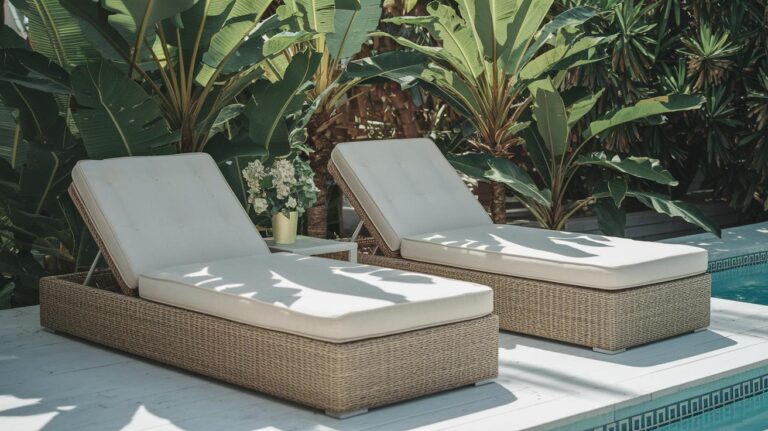
Synthetic wicker (resin weave). Resin wicker is woven polyethylene wrapped around a powder-coated aluminum or steel frame. Looks like natural rattan or wicker but handles outdoor exposure. Lifespan: 8–15 years depending on quality. Tradeoffs: lower-quality resin cracks and unravels after a few seasons; the frame inside outlasts the weave, so look for replaceable-weave options at the premium end.
Stainless steel and concrete. Stainless steel (grade 304 for normal climates, 316 for coastal salt exposure) doesn’t rust and reads as modern. Heavier than aluminum, takes more force to dent, and stays cooler in sun than dark-painted metal. Concrete (usually fiberglass-reinforced concrete or “GFRC”) gives the look of carved stone at a fraction of solid stone’s weight; freeze-thaw resistant when properly mixed. Tradeoffs for both: higher cost, harder to move, and stainless heats up in direct sun like any metal.
| Material | Lifespan | Weight | Maintenance | Cost (relative) |
|---|---|---|---|---|
| Teak / ipe | 25+ years | Heavy | Annual oil (optional) | $$$$ |
| Powder-coated aluminum | 15–20 years | Light | Hose down; touch-up paint | $$–$$$ |
| HDPE / polywood | 20–25 years | Heavy | Soap and water | $$$ |
| Synthetic wicker | 8–15 years | Medium | Brush off debris; soap and water | $$–$$$ |
| Stainless steel | 20+ years | Heavy | Wipe down; rust-spot watch (grade 304) | $$$–$$$$ |
For a deeper material breakdown specifically on lounge chairs, the lounge chair materials guide covers the same five classes with lounge-specific considerations.
Cushions, Fabrics, and Hardware
Frame material gets most of the attention, but cushions and hardware fail before frames more often than not. Three things to check:
Cushion foam. Quick-dry foam (open-cell foam designed to shed water) saves cushions from mildew after a rain. Closed-cell foam holds water and grows mold. Standard upholstery foam is closed-cell. Outdoor-rated foam costs more, and it shows in cushion price — bargain cushions almost always use closed-cell foam.
Fabric. Solution-dyed acrylic (the original Sunbrella formula and equivalent fabrics from Outdura, Phifertex, and similar mills) holds color, resists mildew, and cleans up easily. The dye is in the fiber itself, not printed on the surface. Polyester outdoor fabrics cost less but fade in one or two seasons of direct sun. Skip anything that doesn’t specify the fiber and dye process.
Hardware. Stainless steel or marine-grade brass for fasteners. Zinc-plated steel rusts within a couple of seasons in any humid climate. Aluminum hardware corrodes when in contact with steel under moisture (galvanic corrosion); good manufacturers either use all one metal or isolate dissimilar metals with nylon washers.
Cushion covers. Removable, washable covers with zippered closures save years of cushion life. Sewn-in covers that can’t be removed force you to replace the whole cushion when the cover stains or fades.
Stored properly during winter (covered or indoors), good cushions last 8–15 years. Left out year-round with no protection, the same cushions fail in 2–4.
Budget Tiers and What You Get
Three tiers cover most of the market. Where you land depends on climate, expected use, and how long you plan to keep the pieces.
| Tier | Typical Price (4-piece set) | What You Get | Lifespan in Harsh Climate |
|---|---|---|---|
| Budget | $300–$800 | Thin-wall aluminum, low-end resin wicker, polyester cushions, zinc hardware | 2–4 years |
| Mid-range | $800–$2,500 | Powder-coated aluminum or basic teak, mid-grade resin wicker, solution-dyed acrylic cushions, stainless hardware | 8–12 years |
| Premium | $2,500–$8,000+ | Premium teak/ipe, HDPE, or marine-grade stainless; heavy-gauge frames; quick-dry foam; 10–20-year warranty | 15–25+ years |
The cost-per-year math usually favors the mid-range and premium tiers in any climate that actually gets weather. A $500 budget set replaced four times over 10 years costs $2,000 plus the time and hassle of repeated shopping. A $1,500 mid-range set covers the same period with one purchase.
For tight footprints where a full dining set doesn’t fit, the small-space lounge chair guide covers compact picks at each tier.
Maintenance and Seasonal Care
Most outdoor furniture failures come from neglected maintenance, not material defects. A short seasonal routine doubles or triples the practical lifespan of any piece.
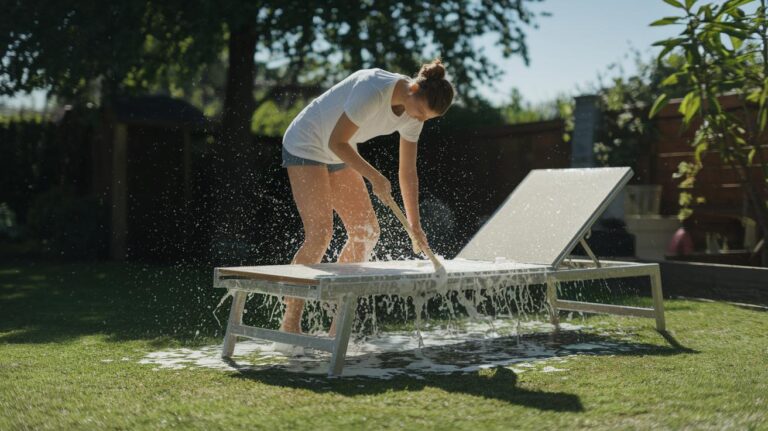
Spring (opening the patio). Hose down each piece. Check every bolt with a wrench — outdoor furniture loosens through freeze-thaw cycles. Inspect cushion foam for trapped moisture or mildew; airing out cushions in direct sun for a day kills surface mildew. Touch up any chipped powder coating with manufacturer’s paint pen.
Summer (active season). Quick rinse every few weeks to clear pollen, dust, and bug residue. Cover cushions during rain if possible, or bring them inside before forecast storms. Reposition pieces occasionally so the same patch of wood or fabric isn’t taking all the UV exposure.
Fall (closing the patio). Deep clean before storage. For teak, decide whether to apply teak oil (yes if you want to preserve color) or skip (the natural silvery patina is fine and protective). Store cushions indoors or in a sealed deck box. Cover or store frames in a way that doesn’t trap moisture — a tarp pulled tight against wet metal grows rust faster than no cover at all.
Winter (storage). In freezing climates, move pieces under cover if possible. Tilt anything that can hold water (chair seats, table tops) so freezing water doesn’t pool. The outdoor curtains guide covers seasonal-use textiles that pair with stored furniture.
Cleaning by material. Teak: mild soap and water, soft brush; skip pressure washers (they raise the grain). Aluminum: soap and water; touch up chips with manufacturer’s paint. HDPE: any household cleaner; pressure washer is fine. Resin wicker: soap and water with a soft brush; avoid bleach which yellows the resin. Stainless steel: mild soap, then dry to prevent water spots; coastal users should rinse monthly to clear salt.
Picking the Right Piece for Your Climate
The material that lasts 25 years in one climate fails in 5 in another. Match material to local conditions:
Hot dry climate (desert Southwest, inland California). UV is the main enemy. Teak and ipe hold up but go gray fast without oil. HDPE/polywood handles UV well and stays cool to touch in lighter colors. Aluminum with quality powder coating works; dark colors get extremely hot in direct sun.
Hot humid climate (Southeast, Gulf coast). Moisture and mildew are the main enemies. Stainless steel (grade 316 for coastal salt), HDPE/polywood, and high-quality teak handle this best. Cushion fabric matters more here than anywhere else — solution-dyed acrylic only. Skip resin wicker at the budget end; humidity accelerates resin breakdown.
Freeze-thaw climate (Northeast, Midwest, mountain West). Freeze-thaw cycles destroy poor-quality concrete and crack low-grade resin. Teak, HDPE, powder-coated aluminum, and stainless all handle freezing well. Cushions and any textiles must come inside for winter. Glass tabletops should be stored or covered against snow load and ice.
Coastal salt exposure. Standard stainless rusts. Use grade 316 stainless or stick to teak, HDPE, and resin wicker over aluminum frames. Rinse pieces with fresh water monthly to clear salt accumulation. The outdoor living area planning guide covers broader layout decisions that include sheltering furniture from direct salt spray.
Mild temperate climate (Pacific Northwest, mid-Atlantic). Most materials work well. The main consideration is wet winters — even mild climates get enough moisture that uncovered cushions mildew. Storage matters more than material choice in these zones.
FAQ
What’s the most durable outdoor furniture material?
Teak, ipe, and similar tropical hardwoods last 25+ years with minimal care thanks to natural oils that resist rot. HDPE and polywood last 20–25 years. Powder-coated aluminum lasts 15–20 years. Marine-grade stainless steel (grade 316) lasts 20+ years even in coastal salt. The “best” choice depends on climate and look preference.
How do I keep outdoor furniture from rusting?
Pick frames that don’t rust in the first place — aluminum, stainless steel, HDPE, or sealed wood. For steel frames, keep the powder coating intact and touch up chips immediately. In coastal climates, rinse pieces monthly to clear salt buildup. Store cushions and remove fabric covers in winter so moisture doesn’t sit against metal.
How long should outdoor furniture last?
Budget-tier sets ($300–$800) typically last 2–4 years in harsh climates. Mid-range ($800–$2,500) lasts 8–12 years. Premium pieces ($2,500+) routinely last 15–25+ years. Hardware and cushions usually fail before frames; budget for cushion replacements at year 5–8 even with quality frames.
Is teak worth the higher cost?
For long-term ownership in any climate, yes — the cost-per-year math favors teak heavily over budget sets that need replacement. For short-term use (renters, expected move within 5 years), aluminum or budget HDPE makes more financial sense. Look for FSC-certified teak to avoid contributing to unsustainable harvesting.
Can I leave outdoor furniture out year-round?
Frames in materials like teak, HDPE, powder-coated aluminum, and stainless can stay out year-round. Cushions and any fabric components should come inside or into sealed storage during winter regardless of frame material. Glass tabletops should be stored or shaded against winter snow load.
How do I clean outdoor furniture cushions?
For solution-dyed acrylic covers, unzip and machine-wash in cold water with mild detergent, then air-dry. For non-removable cushions, scrub the surface with a soft brush and mild soap solution, rinse with a hose, and air-dry in direct sun (sun helps kill mildew spores). Skip bleach on colored fabric.
What outdoor furniture works best in small spaces?
Folding bistro sets, modular seating that doubles as storage, and stackable chairs all maximize tight footprints. For specific small-patio picks, the small-space lounge chair guide covers compact options across the major material classes.
How do I store outdoor furniture for winter?
Best option: move pieces inside a garage or shed. Second-best: cover with breathable furniture covers (not airtight tarps, which trap condensation). Stack any pieces that nest. Tilt or invert anything that can hold water. Bring cushions and fabric components fully inside regardless of how the frames are stored.