How to Choose a Backyard Hammock Stand for Small Yards Effortlessly
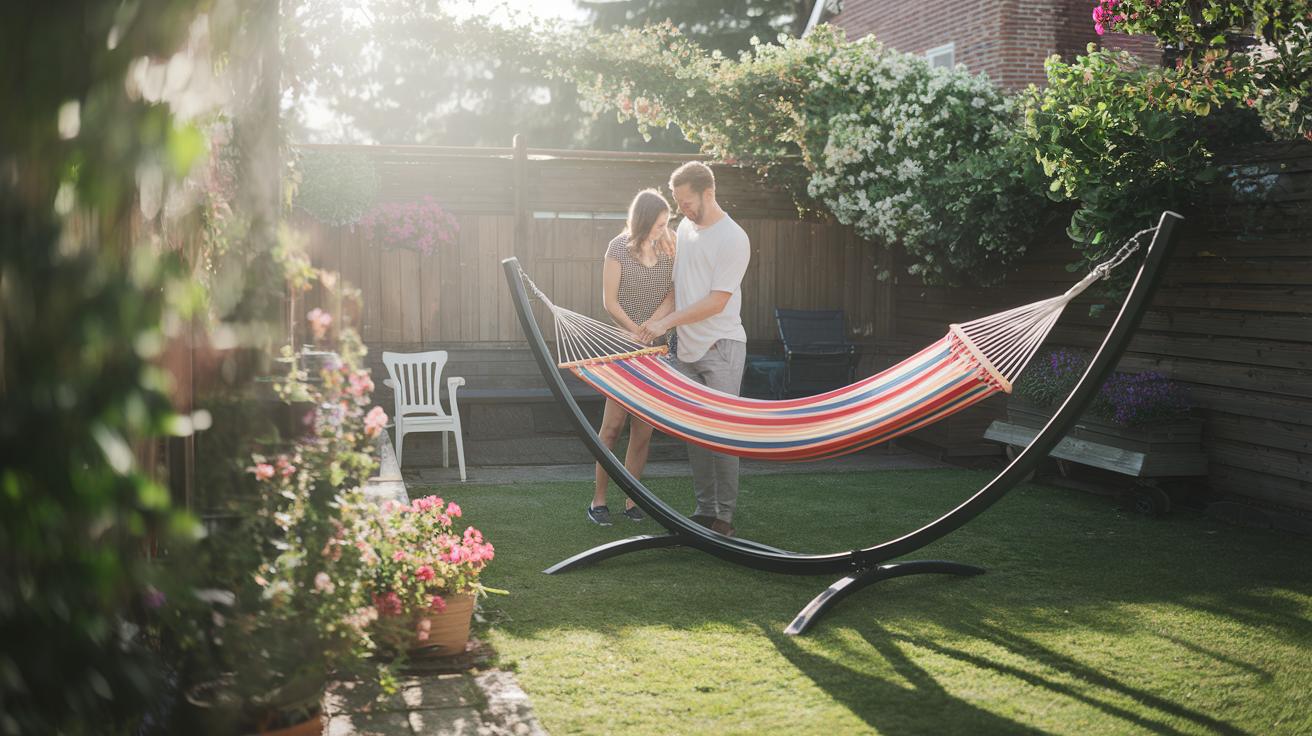
You think your tiny backyard is too snug for a cozy swing corner? Let’s change that. Grab a tape measure and get ready to make every inch count.
A hammock stand (the frame that holds your hammock) can fit like a puzzle piece in any nook. Just look for one that matches your space, supports your weight, and folds away when you need room.
By the way, I once squeezed a giant stand into my small patio (the paved area right outside my back door) and quickly felt the squeeze. Oops. Learned my lesson.
In this guide, you’ll find easy tips on stand size, weight limit (how much it can hold), setup steps, and style ideas. You’ll even learn simple tricks for folding or tucking it away when guests arrive. Imagine the soft sway of your hammock and the warm breeze on your face. You’ll be swinging in your snug outdoor nook before you know it.
At a Glance: Best Hammock Stand for Small Yards
Got a backyard that feels a bit snug? No worries. This 8 to 10 foot folding hammock stand (a garden frame that collapses for easy storage) holds up to 300 pounds (the max weight it can carry). It tucks into tight corners, under trees, or on a small patio, giving you a cozy spot to sway and watch the clouds.
- Size: Tips on measuring your space in Section 2.
- Capacity: How to choose the right weight load in Section 2.
- Material: Pros and cons of steel, aluminum, and wood in Section 3.
- Assembly: Tool-free setup and simple storage hacks in Section 4.
- Style & Budget: Design ideas and price ranges in Section 5.
Hammock Stand Dimensions and Placement Tips for Small Yards
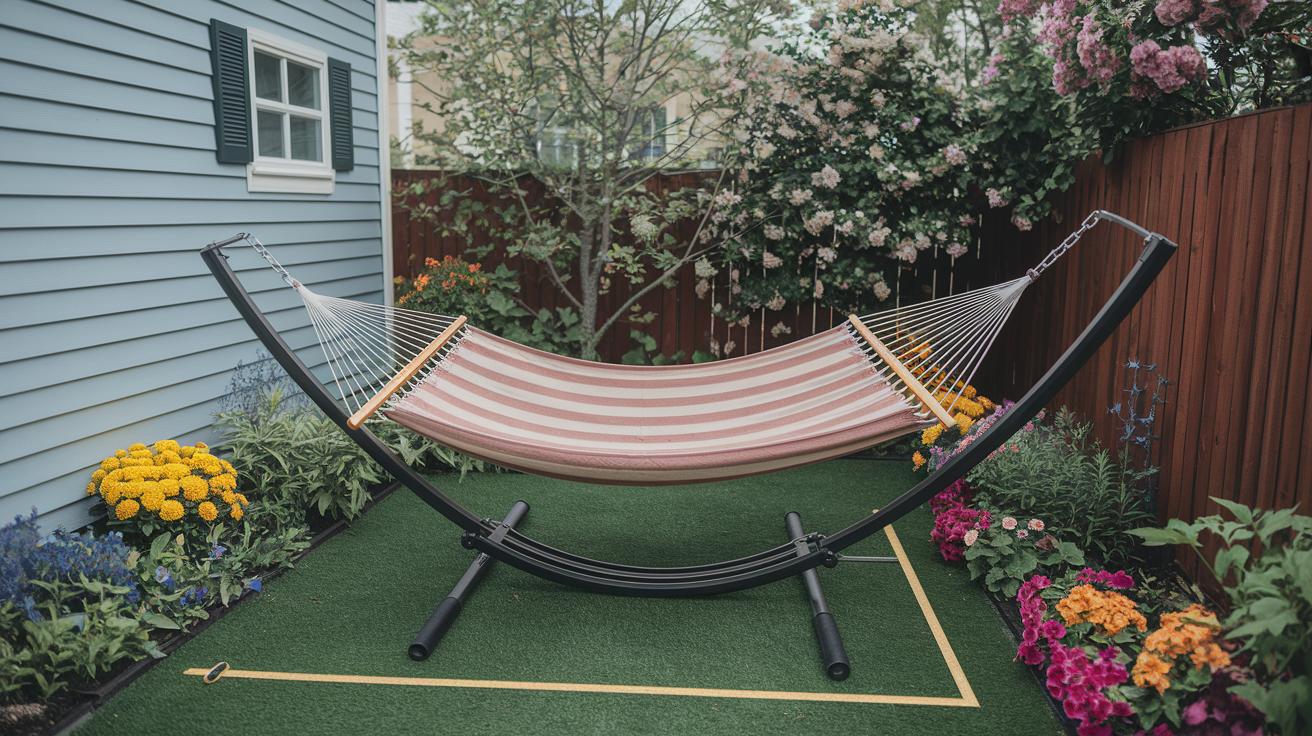
Getting your measurements right is like fitting a puzzle piece – it feels great when it slips in just right. First, grab a tape measure and note your yard’s length and width so you don’t crowd walkways or plant beds.
Most hammock stands run 8 to 10 feet long and under 3 feet wide. You’ll also want about a foot of wiggle room at each end. And don’t forget to look up – low branches or overhangs can get in the way of hanging brackets.
Here’s a quick checklist:
- Measure yard length and width
- Mark where the stand will go
- Check if the ground is soft or hard (sand or clay need different anchors)
- Allow side-to-side and head-to-toe space
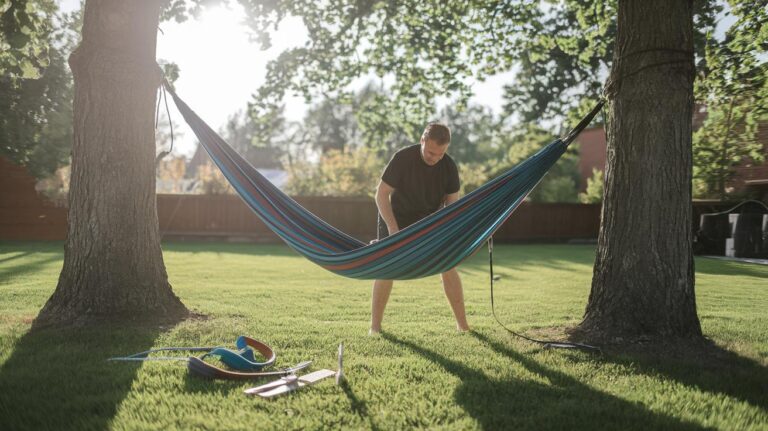
Once you’ve marked your spot, pick firm soil or a solid patio slab. If you’re staking into soft earth, twist in anchors made for sandy or clay soil. Oops, I tried a cement anchor on loose dirt once and it slipped right out. A little shake test before you hang in ensures your hammock stays put.
If you want more shade or a bit of privacy, tuck in a few potted ferns or vertical planters using these small backyard landscaping ideas. It turns your hammock nook into a cozy hideaway.
Ready for lazy afternoons?
Material Comparison for Hammock Stands in Small Yards
When your backyard feels more like a cozy nook than a wide-open lawn, picking the right hammock stand matters. Steel, aluminum, and wood each bring their own vibe and chores. So let’s lean in, feel out the options, and then you can decide which one fits your space.
Steel Stands
Feel the cool metal under your palm (steel is a strong iron-based metal). It holds you steady as you sway. Its powder-coated (coated with a dry, weather-proof finish) surface fights off rust (that flaky orange stuff) through rain and morning dew. It’s a bit heavy to move, but that weight keeps it from toppling when a breeze plays tag with your hammock. Want rock-solid? Steel’s your buddy.
Aluminum Stands
Aluminum (a lightweight metal) stands shine when easy is the name of the game. No need to seal it each fall, aluminum just laughs at rust. Many frames fold flat in seconds for winter storage. Just a heads-up: two folks lounging might feel a gentle bounce. It’s not as stiff as steel when you slump back, but folding it away is a breeze.
Wooden Stands
Wood beams (solid tree wood) give you that cabin-in-the-woods vibe right in your garden. The grain is warm under your fingertips, and it blends with flower beds and deck rails. You will need to seal (coat with waterproof finish) it each year or it might swell and crack. It takes up more real estate than metal, oops, extra width. But if you love natural charm, it’s worth the extra fuss.
Picking comes down to what you love and how much work you’re up for. Crave stability and don’t mind heft? Go steel. Need light, no-fuss handling? Choose aluminum. Dreaming of that organic look and yearly sealing? Wood’s your jam. Match your stand to how often you’ll move it, the style you adore, and the little elbow grease you’re ready for. Happy swinging!
Easy Assembly and Storage Solutions for Small Yard Hammock Stands
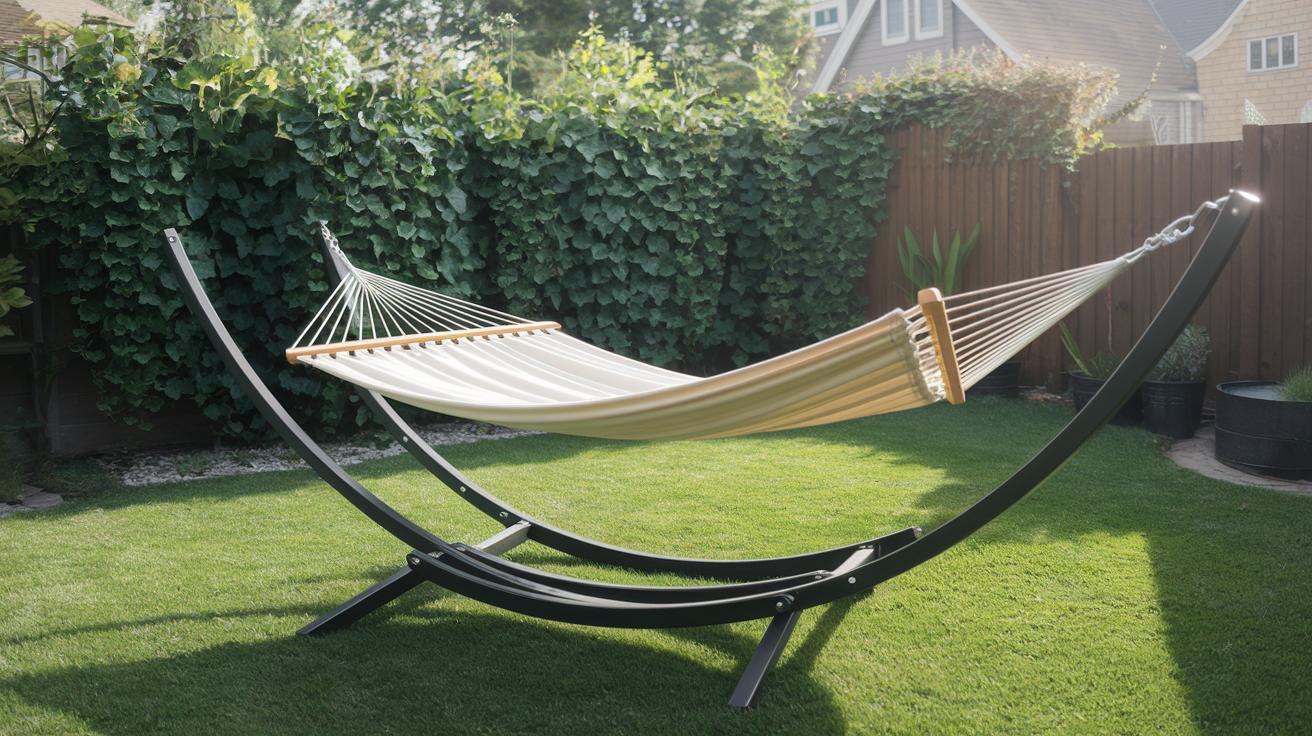
Most modern hammock stands come in tool-free kits. You just snap the quick-release pins (tiny metal pegs that lock pieces together) and slide the telescoping tubes (poles that let you adjust height) into place. In about 20 minutes, you’ll be lounging under a warm breeze. Ever skipped the guide like I did? I tried drilling a metal bracket once. Big mistake. Just use the tool-free parts, you’ll thank me later.
When yard space feels tight, a fold-flat hammock frame is a lifesaver. These frames hinge at the joints and fold down to under 3 feet long, about the width of a small end table. You can lean it in a closet or tuck it behind your grill when you’re not swinging. It’s perfect for slipping into a tiny shed corner or standing quietly against the garage wall until you need a chill spot again.
And if you like camping or moving your hammock around, check out a portable base that feels light in your arms. It breaks into beams that slide into a canvas bag you sling over your shoulder. I spilled a few pins once, but after a try or two, you’ll pack it up like a pro. Ready to hit the lake? Fold it, bag it, and you’re off to your next hangout.
Styling, Budget, and Multi-Purpose Hammock Stand Options for Compact Backyards
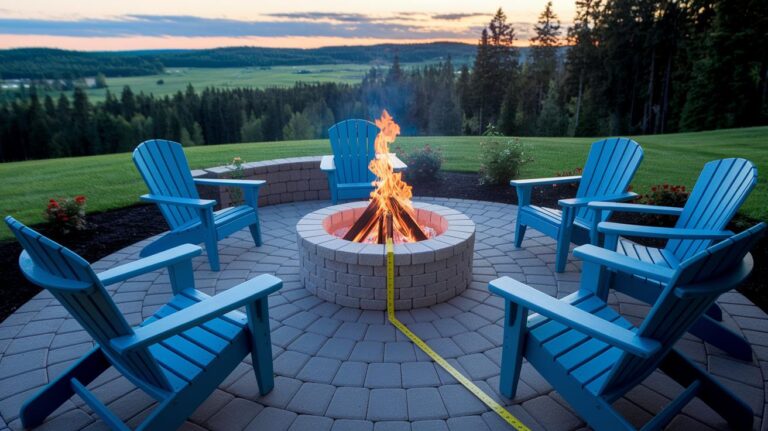
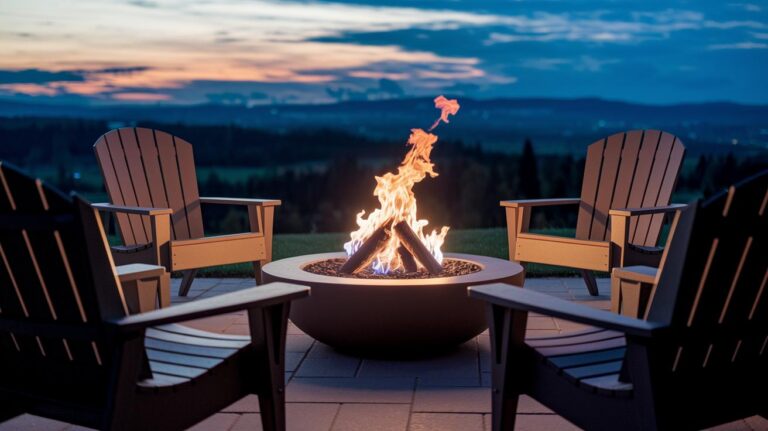
Looking to tie your hammock spot into the backyard style? Pick a finish that makes your chill zone look like it’s always been there. Natural oak or teak stains bring a warm, woodsy smell and blend right into raised beds or a cedar fence. Or go modern with black or gray powder-coated frames that match metal patio chairs or a sleek fire pit. Simple choices can make your hammock nook feel homey.
If you’re watching dollars, entry-level steel stands (steel = strong metal) start around $100 to $150. They’re tough in wind and rain. The powder coat helps stop rust, so you can leave them out without worry. I’ve had ours out all season, and it’s still looking good.
Want something lighter? Mid-range aluminum stands (aluminum = light metal) cost about $150 to $250. You won’t need to seal aluminum each year, and it’s easy to move around. It’s sturdy enough to hold two loungers, and you’ll love shifting it to catch the evening sun.
Feeling fancy? Wooden stands cost $250 to $300 or more. Picture thick beams with a bold grain you can almost see from across the lawn. But heads up, wood needs a quick reseal each year to stay happy. It’s worth it if you want a piece that feels as comfy as your living room chair.
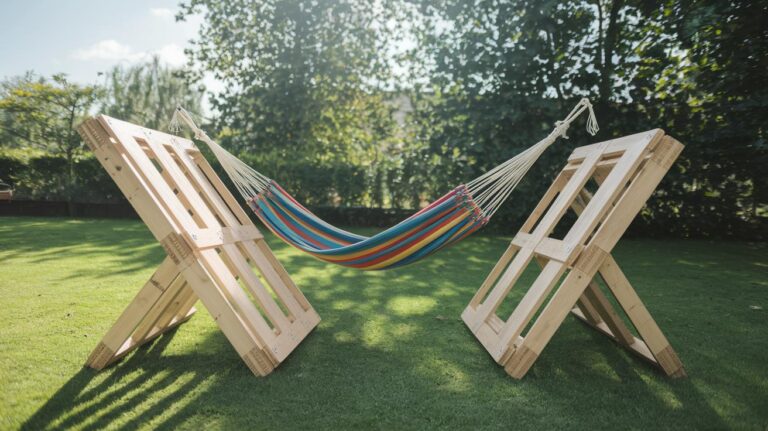
Here’s a fun twist: make your stand pull double duty. With a few boards, brackets, and these garden hammock frame plans for pallet wood, you can build a rustic pergola that vines climb. Or add hooks for trailing pots, parsley, ivy, even little string lights. My cat loves sunning under the leaves. It’s a clever way to save space and add some green friends around your lounger.
Final Words
We kicked off with our top pick, an 8–10 ft collapsible aluminum stand rated for 300 lbs. Then we ran through each decision point: footprint sizing, weight capacity, material choices, assembly tricks, and budget-friendly styles.
You’ve got the steps for measuring your space, weighing steel versus wood or aluminum, snapping pieces together, and matching a stand to your decor.
Now you’re all set on how to choose a backyard hammock stand for small yards, and soon you’ll be swaying in comfort.
FAQ
What stand size and capacity should I choose for a small backyard?
The ideal stand size and capacity for a small backyard is an 8–10 ft long, under 3 ft wide aluminum stand rated for 300 lb, saving space while handling most users.
How do I measure and mark the footprint for a hammock stand in a tight yard?
Measure yard length and width, mark out the stand outline, check ground conditions, and allow at least 1 ft clearance at each end plus side-to-side space.
Which material should I pick for an outdoor hammock stand in a small space?
Steel stands offer maximum stability and rust resistance; aluminum frames are light and portable but may flex; wooden bases add warmth but need sealing and more space.
How easy is assembling and storing a small yard hammock stand?
Most foldable frames use tool-free pins and telescoping tubes for setup in under 20 minutes and collapse to under 3 ft for neat storage.
What budget options exist for a hammock stand in a compact backyard?
Entry-level steel stands run $100–$150, mid-range aluminum frames $150–$250, and premium wood models start near $250 for added warmth and style.
Can a collapsible hammock bracket support heavy weight safely?
Yes—choose a bracket rated for at least 300 lb, made of sturdy aluminum or steel, with secure locking pins to keep the frame stable under load.