Lawn Renovation Tips For Eliminating Weeds: Amazing Results
Tired of those stubborn weeds that sneak in overnight? I was too, until I found a simple fix. You can really say goodbye to dandelion-dotted dirt.
Picture walking barefoot on a lush green carpet of grass! Feel the soft blades brushing your toes. It almost makes you want to dance, right?
In this friendly guide, we’ll share a seven-step lawn makeover plan. First, spot and pull weeds by hand. Then, aeration (making tiny holes in the soil) helps grass roots breathe. Next up is tweaking soil acidity, or pH (how sour or sweet your soil is), so grass can soak up nutrients.
After that, sprinkle seed over bare spots and water lightly every day. Oh, and by the way, my cat loves sunning on the fresh grass. Stick with it and in a few weeks you’ll have a yard everyone will envy.
Step-by-Step Lawn Renovation Process for Eliminating Weeds
Got bare spots sprinkled with dandelions or crabgrass? This is your easy-to-follow guide for waving goodbye to weeds and welcoming thick, green grass. We’ll start by spotting what’s growing where and then break up hard soil so seeds can sprout. Finally, a bit of overseeding and a simple watering plan will lock in your results. Sound good? Let’s get to it.
-
Weed identification and mapping
Stroll around and mark broadleaf weeds (like clover) and grassy ones (like crabgrass). I like to snap a pic on my phone so I don’t lose track. -
Mechanical or chemical removal
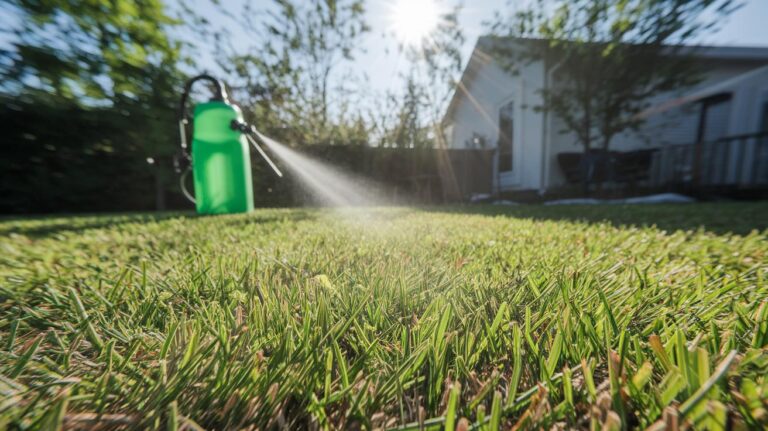
Pull small patches by hand, roots and all. Or spray a selective herbicide (weed killer that only hits unwanted plants) on stubborn spots. -
Soil testing and pH adjustment
Send a tiny soil sample off for a pH test (measures acidity). Then mix in lime or sulfur and a bit of fertilizer so grass gets exactly what it needs. -
Aeration and thatch reduction
Rent a core aerator (machine that pulls tiny soil plugs) or power rake to break up compacted dirt and lift away thatch (dead grass layer). Your soil will breathe easier. -
Overseeding with climate-appropriate grass
Spread 5–10 lbs of seed per 1,000 sq ft in early fall or spring when it’s about 60–75°F. The cool air helps seeds settle in. -
Initial watering schedule
Give your patch about a half-inch of water every day until green sprouts pop up. Then switch to a longer soak once or twice a week. -
Mowing height setup and ongoing inspections
Set your mower at 2.5–3.5 inches so grass stays strong. Check weekly and spot-treat new weeds before they take off.
Spread these steps across cooler months and stick with your watering and mowing plan. You’ll see fresh blades peeking up through crumbly soil in a few weeks. Keep an eye on stray weeds and trim at the right height so grass roots thicken and crowd out newcomers. Soon, your lawn care routine will feel less like a chore and more like a winning game plan.
Identifying Lawn Weeds Before Renovation
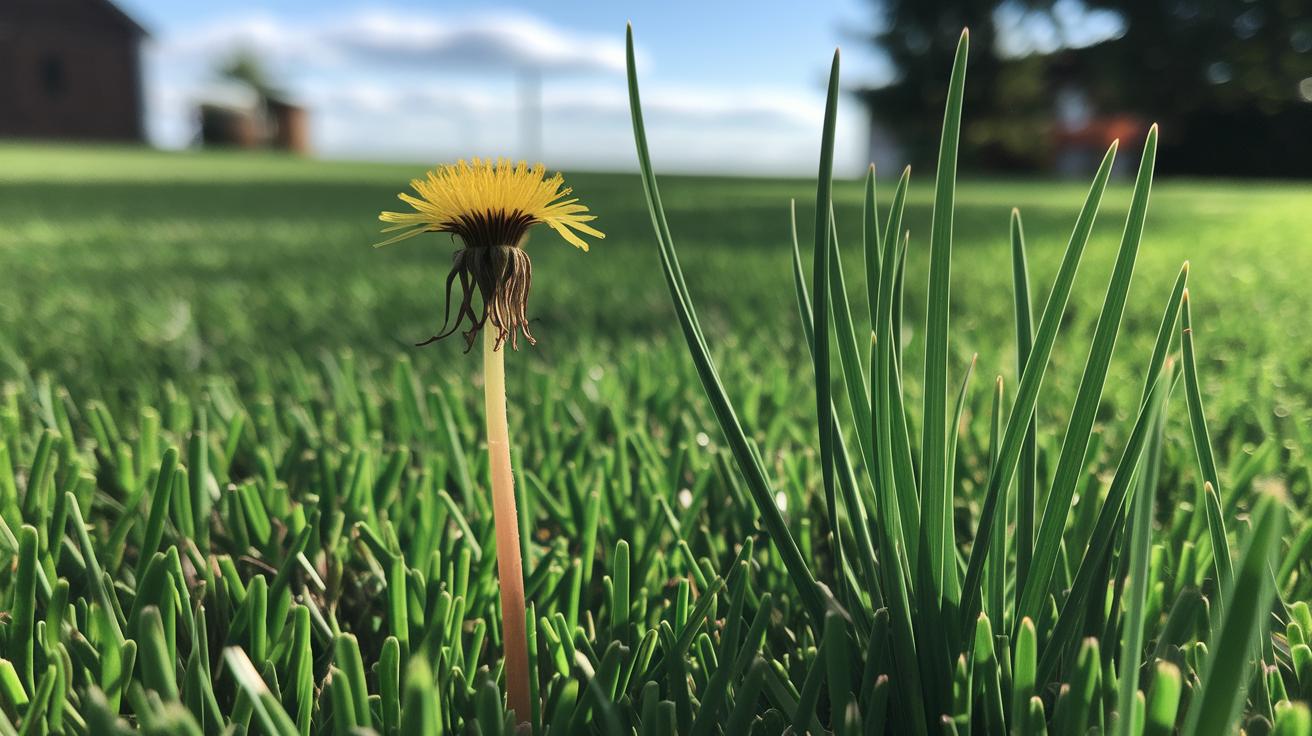
Grab your phone or a clipboard and take a slow walk through your lawn. Mapping odd leaf shapes early helps you catch weeds before roots dig in. Oops, I learned that the hard way.
-
Broadleaf weeds (weeds with wide, flat leaves) are easy to spot.
Dandelions show bright yellow flowers and teeth along their leaf edges. Clover pops up with three small leaves in each cluster. -
Grassy weeds (weeds that look like grass but grow in clumps) can hide in plain sight.
Crabgrass has flat stems that spread across the ground. Annual bluegrass forms tight, fuzzy tufts. Sedges feel bristly with triangular stems you can roll between your fingers.
Getting the ID right helps you pick the best treatment. Pre-emergent herbicide (weed killer you apply before seeds sprout) stops crabgrass in its tracks. And you'll use a spot spray (a spray you target on each weed) to zap dandelions one by one.
Need more leaf-shape photos? See the weed identification guide.
Step 2: Hand-Pulling or Spot Treatments
Got clover or those little yellow dandelions popping up? Here’s a simple way to pull them out. Grip the stem close to the soil and give it a gentle twist as you pull. That twist-and-pull technique loosens deep roots so they come free.
You want to yank out the entire root system so the weed won’t come back. Feel the warm earth crumbling between your fingers as you tug. By the way, my cat loves sunning on the freshly cleared spot. Back to the task, check each sprout and make sure all the roots are out.
Step 4: Aeration and Thatching
And here’s how to give your lawn some room to breathe. Core aeration uses a tool that punches out little plugs of soil. Those plugs help relieve compaction (when soil gets squeezed too tight). You’ll hear a gentle pop each time a plug is pulled.
Once the plugs crumble, hidden weed seeds rise to the surface. Birds or a quick rake can finish them off. I once heard a bird party in my yard, must have been snacking on all those seeds.
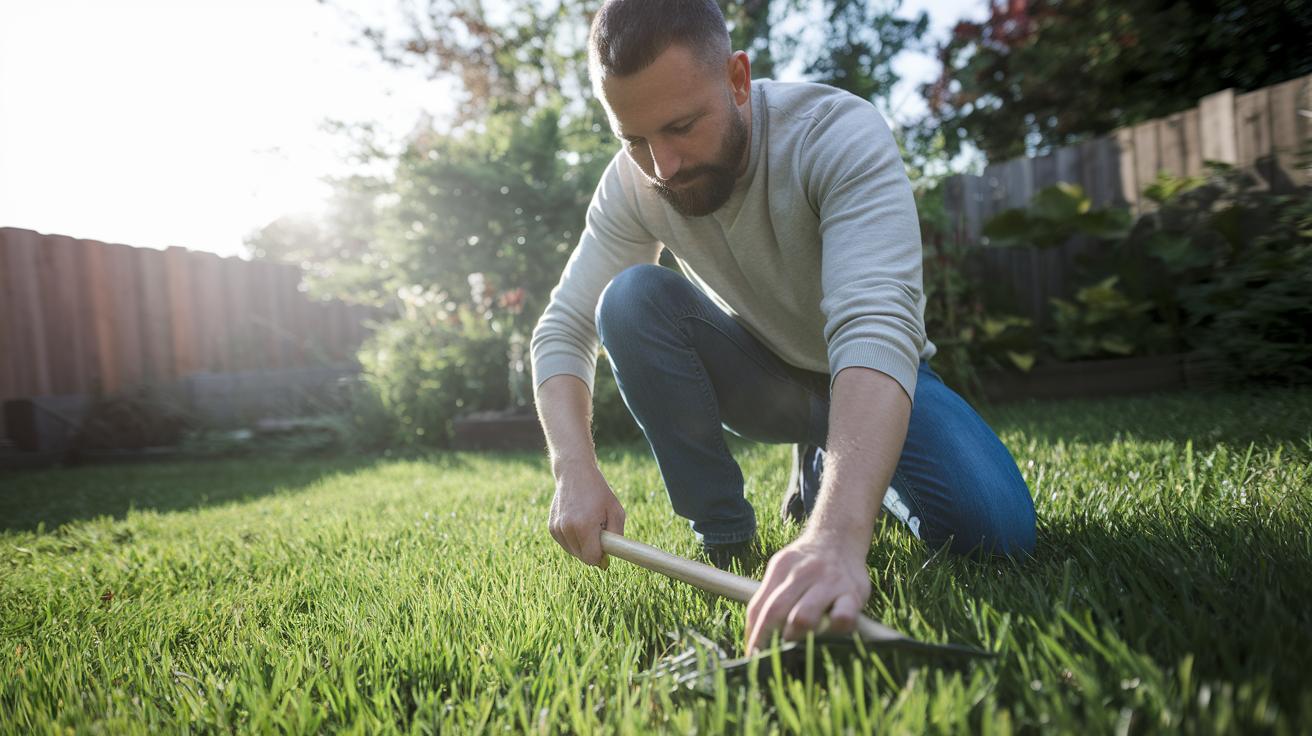
Now let’s talk thatching. Thatch is a thin layer of dead grass and roots sitting on top of your soil. Use a dethatching rake with sturdy tines to break up those mats and free seedlings hiding beneath. You’ll get a fresh, airy feel underfoot.
Chemical and Natural Weed Control Options During Renovation
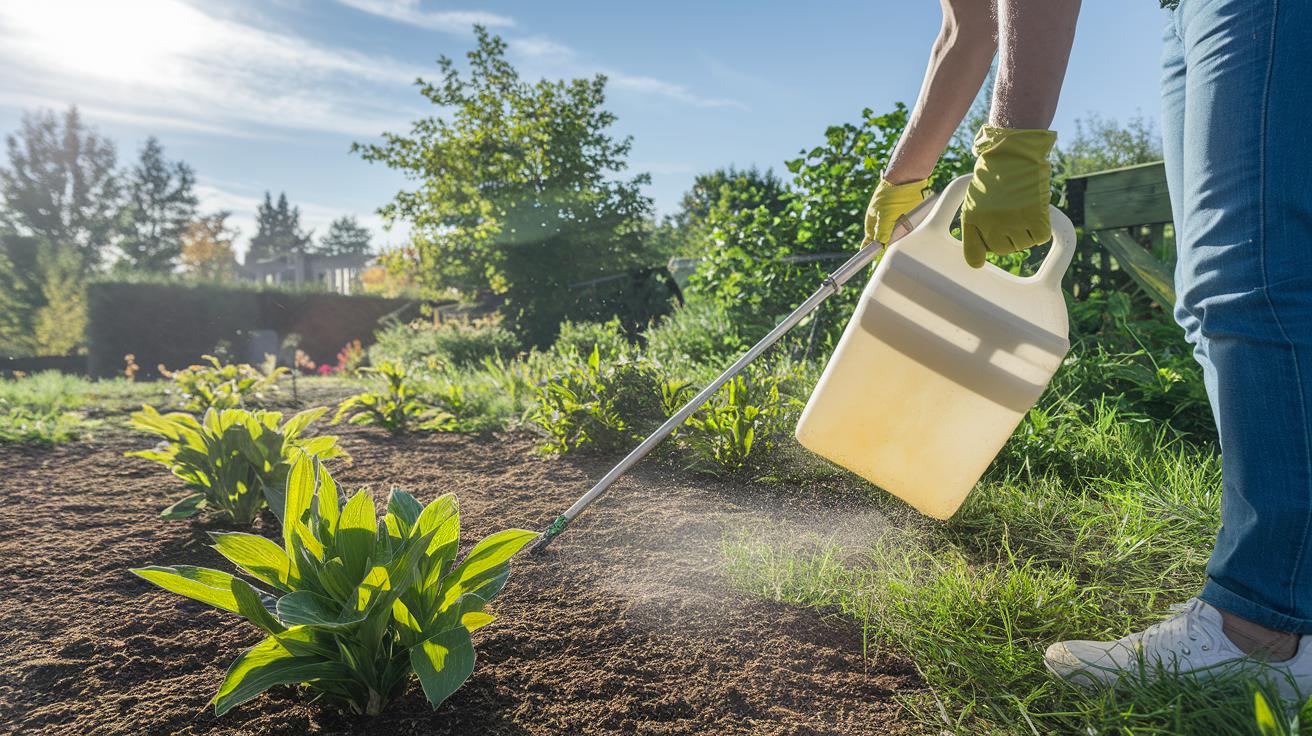
Renovating your lawn? You’ll want tools for every weed hiccup. I once forgot when to spray and ended up battling crabgrass all summer. Let’s fix that.
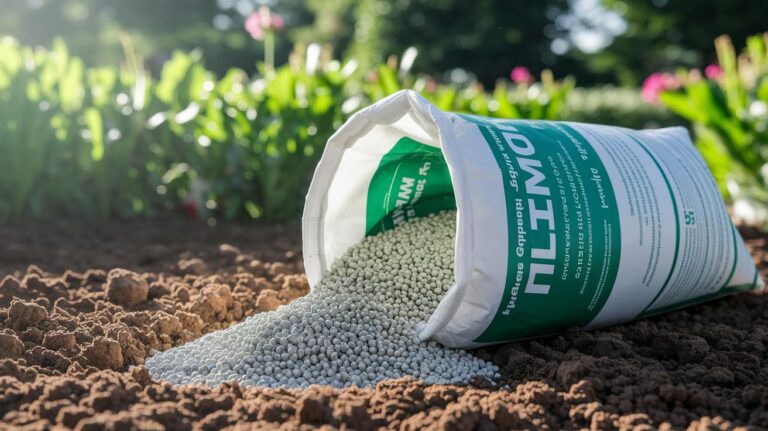
I like to start with a pre-emergent herbicide (a product that stops weed seeds before they sprout). Early spring is perfect, when the soil feels about as warm as your finger at 55°F. Picture the warm earth crumbling between your fingers as you sprinkle granules. This step keeps crabgrass and other grassy seeds from waking up.
By the way, if you’d rather go organic, try corn gluten meal (a natural powder from corn that blocks new weeds). It releases proteins that choke out young seedlings. Just follow the label so you spread it evenly. You can read more in our organic lawn weed control methods.
But weeds still pop up. That’s when a post-emergent herbicide (a spray that kills weeds you can already see) comes in handy. A selective formula zaps dandelions and clover without harming your fescue or bluegrass. Spray on a calm, dry day so droplets cling to the leaves.
Want a fresh start? Use a non-selective glyphosate spray (a chemical that kills all plants it touches). It clears everything, just wait a week or two before you reseed. And always read the timing and rate instructions on the label to keep your lawn safe.
Mixing a solid pre-emergent, spot-on post-emergent, and a touch of organic control feels like a weed-fighting dream team. You’ll be set up for a lush, green yard in no time.
Soil Testing and Amendment Strategies for Weed-Free Lawns
Sending a tiny soil sample off to a lab is like peeking under a magic carpet of grass. You discover your soil’s pH (how acidic or basic it is), plus N-P-K (nitrogen, phosphorus, potassium) levels and other little helpers called micronutrients. Knowing these numbers saves you from guessing and gives weeds no chance to take over.
If your pH test reads below 6.0, sprinkle agricultural lime over the lawn. That white powder feels like chalk dust slipping through your fingers. Rake it in gently so it blends with the top inch of soil. Have you ever noticed how the warm earth crumbles between your fingers? That’s what you want before planting or seeding.
If the pH rises above 7.0, switch to elemental sulfur instead. Just a thin dusting and a light shake into the grass blades will help bring the numbers back down. And yes, it’s as simple as tipping a spice jar.
Next comes fertilizer. Pick a balanced or slow-release mix that matches your soil test’s N-P-K suggestions. A 10-10-10 blend feeds green blades, roots, and overall lawn strength without a sugar-rush effect. Scatter the granules evenly, then water in with a gentle spray. You’ll skip that quick-green spurt that fizzles out, and keep weeds from charging in when grass growth lags.
Finally, top everything off with about a quarter-inch layer of compost (decayed organic matter that feeds soil life). This crumbly, earthy stuff works like a sponge, holding moisture, feeding helpful microbes, and giving new roots a soft place to spread. Just lay it on, scratch it into the top inch of soil, and step back. Soon your grass will thicken up and starve out the weeds all by itself.
Overseeding and Post-Renovation Care to Prevent Weed Regrowth
Let’s start with seed selection and placement. So, um, you’ll need about 5 to 10 pounds of grass seed for every 1,000 square feet. I picture a small garage and driveway when I think of that size. You can use a drop spreader for neat rows or a broadcast spreader if you like a softer scatter.
Now it’s time to press those seeds into the soil. Give the ground a gentle rake so each seed just touches the warm earth without getting buried. Think of the soil crumbling between your fingers, that cozy feeling helps seeds settle in. Just don’t pack it down too hard; you want room for roots to push through.
Keep that top layer damp like a wrung-out sponge. For the first 7 to 21 days, spray about half an inch of water every day. Have you ever watched tiny green shoots break the surface? It’s like nature’s fireworks.
Once most seedlings have little leaves, switch to a deeper drink: one inch of water once a week. This encourages roots to dive down, making your grass tougher and better at resisting weeds.
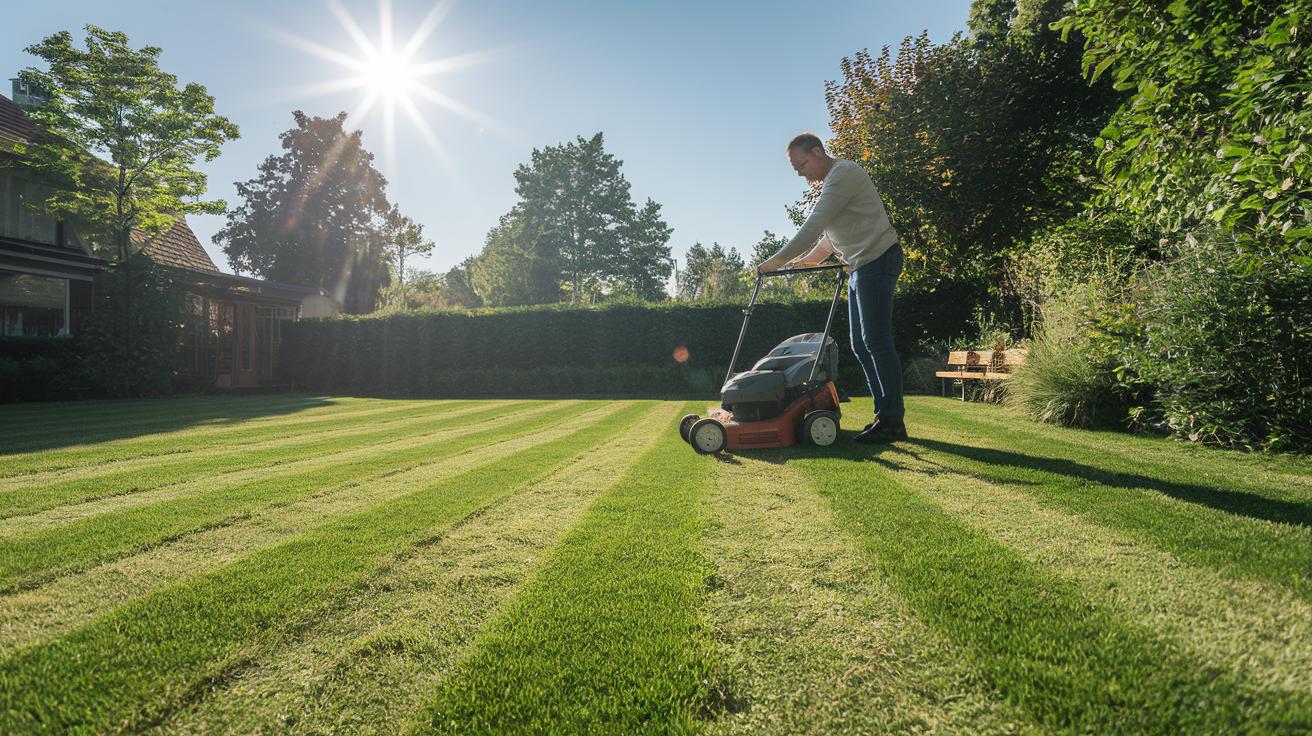
As your new grass grows, set your mower at 2.5 to 3.5 inches high. That extra height throws shade over young blades and slows weed growth. And never cut more than one third of the blade in one pass. Your grass needs that length to stay strong.
Every week, take a stroll through your lawn. Pull out any weeds you spot or spot-treat them before they get big. Oops, almost forgot, this little habit keeps your turf looking lush and weed-free.
Final Words
In the action you mapped out problem spots, chose removal methods, tested soil and tweaked pH, then aerated to ease compaction and open the ground.
Next you spread fresh seed, dialed in a watering schedule, and set mower heights to crowd out any stubborn weeds.
Keep scanning weekly with spot treatments so new sprouts don’t get a head start.
With these lawn renovation tips for eliminating weeds you’re set to grow a thick, healthy stand that feels like your personal green retreat.
FAQ
What are the steps in a lawn renovation process to eliminate weeds?
The lawn renovation process to eliminate weeds includes identifying and mapping weeds; removing them mechanically or with herbicides; testing and adjusting soil pH; core aerating; overseeding; setting an initial watering schedule; and ongoing mowing and inspections.
How do I identify common lawn weeds before renovation?
Identifying common lawn weeds involves spotting broadleaf types (dandelions, clover) versus grassy weeds (crabgrass, bluegrass) by leaf shape, growth habit, and seedhead features so you pick the right control method.
What are effective mechanical weed removal techniques?
Effective mechanical weed removal techniques include hand-pulling weeds by the root, dethatching with a rake or power rake to free seeds, and core aeration to break soil compaction and disrupt weed seedlings.
When should I use pre-emergent versus post-emergent herbicides?
Using pre-emergent herbicides in early spring stops new weeds by blocking seed germination, while selective post-emergents target established broadleaf weeds; use non-selective herbicide only to clear an area prior to full renovation.
How often should I test and amend my lawn soil?
Testing and amending your lawn soil starts with a lab pH and nutrient analysis; adjust low pH with lime or high pH with sulfur, then add fertilizer and a thin compost layer as recommended during each renovation cycle.
What is the recommended overseeding rate and timing?
The recommended overseeding rate is 5–10 pounds of grass seed per 1,000 square feet, ideally in early fall or spring when soil temperatures sit between 60–75°F to ensure quick, even germination.
What watering and mowing schedule helps prevent weed regrowth?
The initial watering schedule calls for 0.5 inches of water daily until seedlings emerge, then shift to 1 inch weekly; mow turf at 2.5–3.5 inches to shade soil, encourage density, and block new weeds.
How often should I inspect my lawn for weeds after renovation?
Inspect your lawn weekly for any new weeds and apply spot treatments immediately to keep turf dense and healthy, preventing weed seedlings from gaining a foothold in your freshly renovated lawn.