Backyard Container Gardening for Beginners
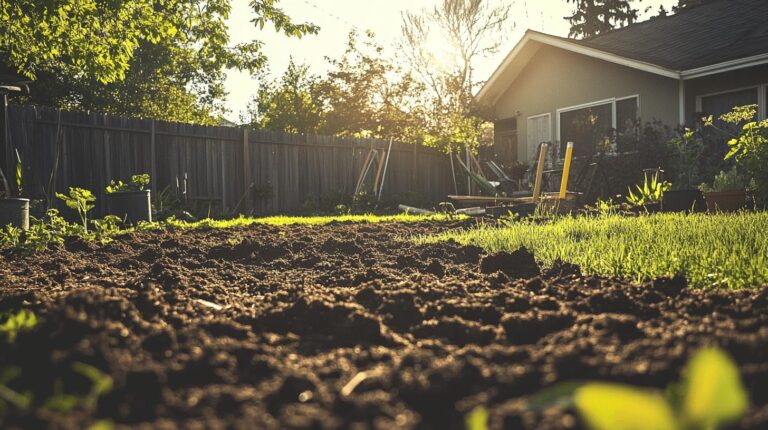
You don’t need a big yard, good soil, or much experience to grow something beautiful — you just need a few pots. Container gardening is the gentlest way into growing, and it’s the method I always recommend to anyone who thinks they don’t have a green thumb yet. You control the soil, you move the pots to chase the sun, and if something isn’t working, you change it. A sunny patio, a balcony rail, or a few steps by the back door is all the space it takes. Here’s everything a beginner needs to start a backyard container garden that actually thrives.
As an Amazon Associate, Backyard Superstar earns from qualifying purchases at no extra cost to you.
Why Container Gardening Is the Easiest Place to Start
The thing I love about container gardening is how forgiving it is. In a pot, you’re in charge of everything the plant needs — the soil, the drainage, the water, the spot it sits in. There’s no wrestling with hard clay or poor native dirt, and no commitment to a permanent bed you’ll have to dig up later.
It’s also wonderfully flexible. You can slide a pot into the morning sun and out of the harsh afternoon heat, pull tender plants under cover before a cold snap, and rearrange the whole display whenever the mood strikes. Pests and diseases are easier to spot and manage when each plant has its own little world, too. Start with three or four pots, see what you enjoy, and grow from there — that’s how nearly every container gardener I know got hooked.
Choosing the Right Containers

The pot you choose shapes everything that grows in it. Size matters most: roots need room, and a too-small pot dries out fast and stunts the plant. As a rough guide, herbs like basil are happy in 8–12 inch pots, tomatoes want a big 18–24 inch container, and cucumbers do well in something like a 5-gallon bucket. When in doubt, go a size up — a roomier pot holds more soil, which means steadier moisture and happier roots.
Material matters too. Terracotta is classic and breathes well, but it dries out quickly and needs more frequent watering. Glazed ceramic and plastic hold moisture longer. My favorite starting point for vegetables and herbs is breathable fabric pots — they air-prune the roots and drain freely, so it’s very hard to overwater them. A set like the VIVOSUN 5-Gallon Fabric Grow Bags (5-pack) gives you five sturdy, handled pots that are perfect for tomatoes, peppers, or a mix of herbs, and they fold flat for storage at the end of the season (budget range, $).
If you travel, forget to water, or just want lower-maintenance pots, self-watering containers are worth the small splurge. They hold a reservoir of water at the bottom that the soil wicks up as the plant needs it, which evens out the feast-or-famine cycle that kills so many container plants. A set like the QRRICA Self-Watering Pots (set of 5) works beautifully for flowers and herbs on a patio or balcony where you can’t water every single day (mid-range, $$). Whatever you choose, the one non-negotiable is drainage holes — without them, water pools at the bottom and roots rot.
The Best Plants for Containers
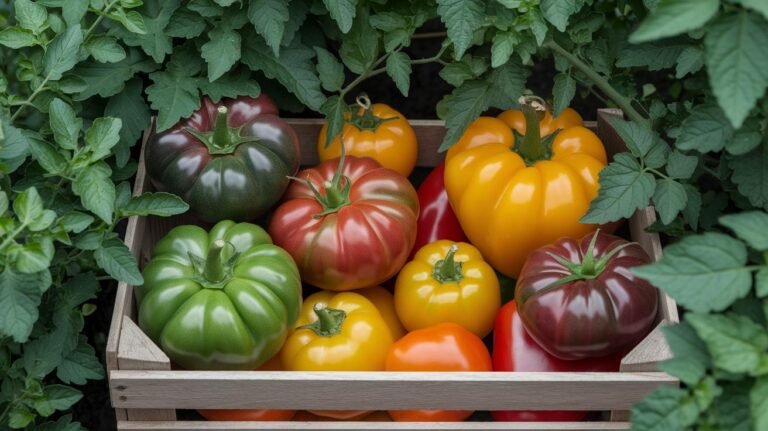
Almost anything will grow in a pot if the pot is big enough, but some plants are simply easier and more rewarding for a first season. For vegetables, start with tomatoes, cucumbers, lettuce, and peppers — all productive and satisfying. Herbs are the most beginner-friendly of all: basil, mint, rosemary, and thyme are compact, fragrant, and forgiving. And for color, petunias, marigolds, and geraniums bloom all summer with very little fuss.
Match the plant to the light it’ll get. Most vegetables and herbs want six or more hours of sun; leafy greens like lettuce tolerate a bit of shade and actually prefer some relief from blazing afternoon heat. If you’d like a fuller rundown of what does well in pots, my guide to the best plants for patio containers walks through reliable picks for sun and shade.
Getting the Soil Right

This is the step beginners most often get wrong, so let me be clear: never fill a pot with garden soil or topsoil. It compacts into a dense, airless brick in a container, holds too much water, and can carry weeds and disease. Container plants need a light, fluffy potting mix made for the job — one that drains freely while still holding enough moisture for the roots.
A quality bagged mix takes the guesswork out of it. I reach for FoxFarm Ocean Forest Potting Soil for most of my containers — it’s light and aerated, pH-adjusted, and rich with compost and earthworm castings, so plants get a strong start without much added feeding early on (mid-range, $$). If you’d rather mix your own and save money on a big planting, my best soil mix for container gardening guide gives the ratios of compost, perlite, and coconut coir I use.
One myth worth retiring: you don’t need a layer of gravel or stones in the bottom of the pot. It was common advice for years, but it actually raises the waterlogged zone inside the pot rather than improving drainage. Skip the gravel, cover the drainage holes with a coffee filter or a square of mesh to keep soil from washing out, and fill the whole pot with potting mix instead.
Feeding Your Container Plants
Container plants depend entirely on you for food. Every time you water, a little nutrition washes out the bottom, so the rich mix you started with runs lean within a month or two. The simplest way to keep up is a slow-release fertilizer worked into the soil at planting time. Something like Osmocote Smart-Release Plant Food feeds steadily for months from a single application, which is exactly what busy or new gardeners need (budget range, $).
For hungry, fast-growing plants like tomatoes and flowering annuals, you can supplement with a liquid feed every few weeks during peak summer. If you prefer to garden organically, fish emulsion, seaweed extract, or homemade compost tea all work well and feed the soil life too. Whatever you use, go easy — over-fertilizing burns roots and pushes weak, floppy growth. A little, regularly, beats a lot all at once.
Watering Without the Guesswork
Watering is where most container gardens are won or lost. Pots dry out far faster than garden beds, especially small terracotta ones in summer sun, and they often need water daily in the heat. But overwatering drowns roots just as surely as drought starves them, so the goal is steady, not constant.
The finger test never fails: push a finger about an inch into the soil, and water only if it feels dry at your fingertip. Water in the morning so plants drink before the heat, and water deeply until it runs from the drainage holes rather than giving frequent little sips. A long-spouted can makes this easy and keeps water off the leaves — I keep a Chapin 2-Gallon Watering Can by the back door with its removable rose for a gentle shower on seedlings and a steady stream for established pots (budget range, $). Group pots with similar thirst together to make the routine simpler, and on the hottest days don’t be surprised if thirsty plants want a second drink by evening.
Designing and Arranging Your Pots

A container garden is as much a display as a crop, and a little arrangement turns a scatter of pots into something you want to sit beside. The classic recipe for a mixed pot is “thriller, filler, spiller” — a tall focal plant in the center, mounding plants around it, and trailing plants spilling over the edge. It works every time and is a joy to put together.
Think in groups and layers. Cluster pots of varying heights together, set taller plants behind shorter ones so nothing gets hidden, and let trailing plants soften hard edges. Vertical planters, a tiered stand, or a wall of stacked pots squeeze a lot of growing into a small footprint, and repurposed containers — an old enamel bucket, a wooden crate, a weathered watering can — add character you can’t buy. For more ways to make a compact space feel lush, my small-space container garden design ideas has plenty of layouts to borrow.
Maintenance and Common Problems

Container gardens ask for small, regular attention rather than big seasonal pushes. Deadhead spent flowers to keep blooms coming, pinch back leggy herbs for bushier growth, and repot anything that has outgrown its home before it gets root-bound. Refreshing the top few inches of mix each spring — or fully repotting — replaces the nutrients and structure that break down over a season. A simple hand-tool set makes all of this quicker; a kit like the WORKPRO 8-Piece Garden Tool Set covers the trowel, transplanter, cultivator, and weeder you’ll reach for again and again (mid-range, $$).
A few problems come up often, and all are easy to head off. Poor drainage and overwatering are the biggest culprits — both fixed by good potting mix, drainage holes, and the finger test. Watch for aphids and spider mites, especially on new growth; catching them early makes them simple to manage, and my natural pest control guide for container gardens walks through gentle, organic options. As cold weather comes, move tender pots to a sheltered spot or against a warm wall, and mulch the soil surface of anything staying out to buffer the roots from frost.
Recommended gear for container gardening
As an Amazon Associate, Backyard Superstar earns from qualifying purchases at no extra cost to you.
- Best starter pots — VIVOSUN 5-Gallon Fabric Grow Bags (5-pack) ($). Breathable, free-draining, and almost impossible to overwater.
- Low-maintenance pick — QRRICA Self-Watering Pots (set of 5) ($$). A built-in reservoir wicks moisture up for days you can’t water.
- Best potting mix — FoxFarm Ocean Forest Potting Soil ($$). Light, aerated, pH-adjusted, and ready to plant right out of the bag.
- Easy feeding — Osmocote Smart-Release Plant Food ($). One scoop at planting feeds steadily for months.
- Gentle watering — Chapin 2-Gallon Watering Can ($). Long spout and removable rose for seedlings and established pots alike.
- Starter tool kit — WORKPRO 8-Piece Garden Tool Set ($$). Trowel, transplanter, cultivator, and weeder for planting and repotting.
FAQ
What is the easiest plant to grow in a container?
Herbs like basil, mint, and rosemary are the most beginner-friendly — compact, fragrant, and forgiving. For color, marigolds and petunias bloom all summer with little fuss, and lettuce is a fast, easy edible for a first try.
What is the most common mistake in container gardening?
Improper watering. Overwatering causes root rot and underwatering stresses the plant, so always check the soil first — push a finger about an inch in and water only if it feels dry at your fingertip.
What do you put in the bottom of a container garden?
Just potting mix. The old advice to add gravel or stones for drainage has been disproven — it actually raises the waterlogged zone in the pot. Cover the drainage holes with a coffee filter or mesh to hold soil in, then fill the whole pot with mix.
What kind of soil should I use for container gardening?
Use a light, fluffy potting mix made for containers — never garden soil or topsoil, which compact and drain poorly in a pot. A quality bagged mix or a homemade blend of compost, perlite, and coconut coir gives roots the drainage and air they need.
How often should I water container plants?
It depends on the pot, plant, and weather, but most containers need water daily in summer heat. Check the soil each morning with the finger test and water deeply until it drains from the bottom, rather than giving frequent shallow sips.
What size container do vegetables need?
Match the pot to the plant: herbs do well in 8–12 inch pots, tomatoes want a large 18–24 inch container, and cucumbers thrive in something like a 5-gallon pot. When unsure, size up — more soil means steadier moisture and healthier roots.