How to Get Free or Cheap Plants for Your Garden
A 4-inch nursery pot of philodendron runs $15-$30 these days. A 6-inch hosta starts at $20. Specialty cultivars and rare houseplants reach $50-$200 per plant. Filling a yard or shelf at those rates adds up fast. The good news: most of the plants in any well-stocked garden didn’t come from a nursery shelf — they came from cuttings, swaps, seed packets, plant libraries, and friends with overgrown beds. Once you know where to look, free or near-free plants are everywhere.
This guide covers seven proven tactics for sourcing plants without retail prices: propagation from cuttings, local plant swaps, seed-based growing, plants from friends and family, retail clearance racks, volunteering at public gardens, and online marketplaces and plant libraries. Pick two or three that fit your situation; most active gardeners use four or five of them on rotation.
1. Propagation from Cuttings
The single most reliable free-plant source is the plants you (or anyone) already own. Most common houseplants and many perennials root readily from cuttings — usually a 4-6 inch stem segment placed in water or a damp soilless mix.
Plants that root in water within 2-3 weeks: pothos, philodendron, monstera, tradescantia, coleus, basil, spider plants, English ivy.
Plants that prefer soil/perlite: succulents (use leaf cuttings, callus 24 hours first), snake plant (cut the leaf into 2-3 inch segments), African violet (leaf cuttings).
Standard technique: snip a healthy 4-6 inch tip cutting just below a leaf node, remove the bottom leaves to expose the stem, place the bare stem in fresh water or moist potting mix. For water rooting, change water every 5-7 days. Once roots reach 1-2 inches, transplant to soil. Keep new transplants in indirect light for the first week.
Tools: sharp clean snips, a glass jar or small pot, room-temperature water, well-draining potting mix. Total cost: under $10 to set up, then unlimited cuttings.
Patience varies by species. Pothos roots in 7-10 days; orchids can take months. Succulents in particular reward consistency — a single propagated jade leaf becomes a full plant in 6-12 months.
2. Local Plant Swaps
Plant swaps are organized meetups where gardeners trade extras from their collections. They range from casual backyard gatherings of friends to formal events at community centers, libraries, and garden clubs. Cost: usually free, sometimes a small donation or potluck contribution.
How they work: each attendee brings labeled extras (propagated cuttings, divisions, seed starts, or whole plants), browses what others brought, and trades for what catches their interest. Most swaps run as open trading rather than strict one-for-one exchanges — bring 3 plants and leave with 5 if you find good matches.
Where to find swaps:
- Local garden club calendars (search “[your city] garden club”)
- Community center event listings
- Facebook groups for plant lovers in your region
- Public library bulletin boards (libraries sometimes host their own swaps)
- Spring and fall are peak swap seasons — that’s when divisions are happening
Etiquette: bring plants in clean condition, labeled with the variety name (or at minimum “purple flowering perennial”). Bring more than you expect to take; leftover plants get distributed at the end. Mention if a plant has any quirks (aggressive spreader, needs specific conditions) — honesty builds trust for repeat events.
Beyond the plants, swaps build a local network of gardeners who’ll share cuttings, advice, and tips through the year.
3. Seeds and Seed Saving
Per-plant cost from seed: a few cents. A $3-$4 packet typically holds 20-100 seeds depending on species. Even with realistic germination rates around 50-70%, you’ll end up with 10-50 plants for the price of one nursery start.
Best vegetables and annuals from seed:
- Tomatoes, peppers, eggplant (start indoors 6-8 weeks before last frost)
- Beans, peas, corn, squash, cucumbers (direct sow after last frost)
- Lettuce, spinach, radishes, carrots, beets (direct sow in cool weather)
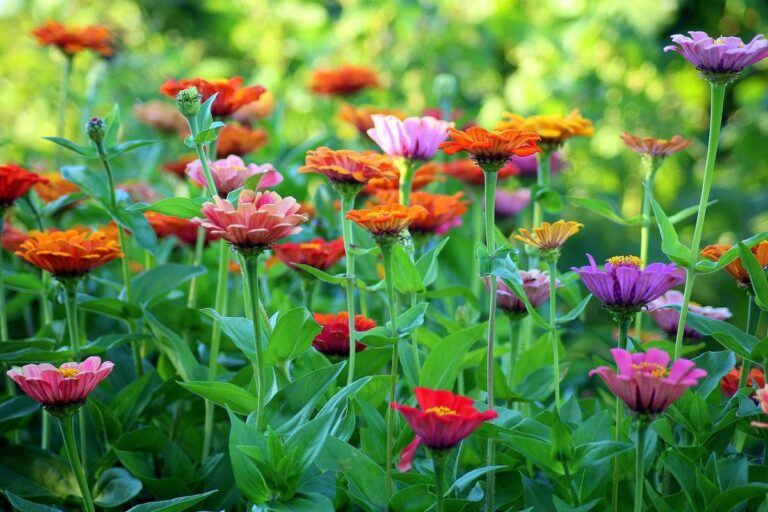
- Zinnias, cosmos, sunflowers, marigolds, nasturtiums (direct sow after frost)
Saving seed from your own garden: at the end of the season, let some flowers go to seed instead of deadheading. Let one or two bean pods over-mature on the plant. Let a few lettuce plants bolt and form seed heads. Collect the dry seed into labeled envelopes and store in a cool, dry place over winter. Heirloom varieties (non-hybrid) come true from seed; F1 hybrids often don’t, so check the seed packet you originally bought.
Best vegetables for seed saving: beans, peas, tomatoes (heirloom only), lettuce, peppers, herbs. Avoid saving from squash, corn, and cucumbers without isolation — they cross-pollinate aggressively and you’ll get unpredictable hybrids.
Sources for unusual or heritage seeds:
- Seed Savers Exchange (heirloom specialist; membership unlocks deep catalog)
- Baker Creek Heirloom Seeds (broad selection of rare varieties)
- Your county cooperative extension service often runs spring seed exchanges
- Online plant communities and forums regularly host seed-trade threads
4. Friends, Family, and Garden Visits
Anyone with a mature garden has more plant than they know what to do with. Hostas need dividing every 3-4 years. Pothos cascades down every shelf in the house. Daylilies multiply until they’re crowding each other out. The owner of an overgrown garden is usually thrilled when someone offers to take divisions or cuttings off their hands.
How to ask without being awkward:
- “Your hosta looks great — if you ever divide it, I’d love a piece.”
- “That spider plant has so many babies — would you trade me one for a fresh pothos cutting?”
- “I’m trying to fill in this bare patch in my yard. Any chance you have extras from anywhere?”
Most gardeners say yes. Bringing a small pot, plastic bag, or even just a damp newspaper to carry the cutting home shows you’re serious and prepared.
Pay it forward: when your own garden matures, divide and share back. The network compounds — gardeners who give cuttings get cuttings in return, and over years the same plants migrate through whole neighborhoods.
Casual dinner visits become surprise plant-shopping trips this way. A friend with established gardens often sends guests home with cuttings.
5. Retail Clearance Racks
Big-box garden centers (Home Depot, Lowe’s, Walmart) and most nurseries maintain a clearance section for plants past their peak — drooping, leggy, slightly damaged, or just out of season. Discounts run 50-75% off retail.
What’s usually rescue-able:
- Slightly root-bound: the most common issue. Trim the root mass lightly, repot in fresh soil, and the plant usually recovers within a month.
- Wilted from underwatering: a deep soak and a few days in indirect light often revives.
- Yellowed lower leaves: usually nitrogen deficiency from depleted potting mix. Repot with fresh mix and feed.
- End-of-season perennials: often discounted heavily in late summer or fall. Plant immediately so roots establish before winter.
What to avoid:
- Fungal spots or fuzzy mold on leaves or stems
- Mushy stems or black-rotted crowns (root rot, usually unrecoverable)
- Visible pests — aphids, scale, spider mite webbing
- “Spent” annuals at fall sales unless you only want a few weeks of bloom
Quarantine new clearance plants for 2 weeks before placing them near other plants. A separate shelf or table prevents any hidden pests from spreading to your existing collection.
6. Volunteer at Public Gardens
Public gardens, arboreta, and botanical gardens rely on volunteers for weeding, mulching, deadheading, and planting. Volunteer shifts often come with practical perks: free entry, access to staff knowledge, and — occasionally — cuttings or divisions from plants being trimmed back.
Volunteer shifts at public gardens have netted regulars rose clippings, daylily divisions, hardy groundcover runners, and even nursery-quality perennials that came in too late for the season’s beds. Even when no plants are offered, the gardening education itself is valuable — head gardeners share decades of regional growing knowledge that doesn’t show up in books.
How to start: most public gardens have a “Volunteer” or “Get Involved” page on their website. The commitment is usually one shift per week or per month for a season. Ask at the visitor center about any volunteer plant-share programs or end-of-season giveaways on the schedule.
Master Gardener programs run by county extension services also offer volunteer plant work in exchange for training. Graduates often gain access to plant divisions from extension display gardens.
7. Online Marketplaces and Plant Libraries
Digital plant-sharing communities have exploded. Several distinct categories:
Facebook plant groups: search “[your city] plant swap” or “[your state] plant exchange.” Members post cuttings, starter plants, and rescued specimens for trade or low prices (often just shipping). Active groups have multiple posts per day during growing season.
Reddit plant communities: /r/proplifting (succulent leaves rescued from store floors), /r/plantclinic, and species-specific subreddits often have trade threads. Etiquette varies — read the rules of any group before posting.
Etsy plant cuttings: many small sellers offer rare cuttings for $5-$20 per nodal section. Less than nursery prices for the same variety as a mature plant. Risk: shipping stress on the cutting; not all arrive viable.
Buy Nothing groups: hyperlocal Facebook groups where members give items away free. Plants and cuttings show up regularly, especially after spring dividing and fall cleanup.
Plant libraries: a growing trend in public libraries and community centers. A dedicated shelf hosts cuttings, small pots, and seeds; patrons take what they want and leave back any extras they have. Honor system, no checkout. If your library doesn’t have one, the setup cost is minimal — a single rack, a few plain labels, and word-of-mouth promotion.
To start a plant library at your local branch, propose it to the children’s librarian or program coordinator. Many libraries are eager for low-budget community programming. Provide the initial inventory yourself (10-15 propagated cuttings), make a simple sign explaining the honor-system rules, and let the local plant community keep it stocked.
Tools and Tactics for Year-Round Plant Sourcing
Mix and match these methods across the year:
- Spring: seed-starting indoors, swaps (peak season), clearance on annuals not selling fast, friends dividing perennials.
- Summer: stem cuttings from established plants, plant libraries (active during library summer programs), buy-nothing posts as people clean up overgrown beds.
- Fall: seed saving, end-of-season perennial clearance (best time for cheap perennials), root division of perennials.
- Winter: houseplant cuttings indoors, seed catalogs ordering, planning for spring swaps.
Equipment costs are minimal — a few pots, pruning snips, rooting hormone (optional), clear glass jars for water rooting, plastic domes or zip-bags for humidity, and basic potting mix. Recycled takeout containers and tumblers work fine. The total kit runs under $30 to set up, and that one investment supports years of free plants.
For specific plant categories that pair well with this sourcing approach, see our guides on designing a pollinator garden (most pollinator perennials propagate readily), hanging basket gardens (annuals from seed are cheap fillers), and raised bed soil mix (soil quality determines whether your propagated cuttings thrive once transplanted).
The first cutting that turns into a full plant changes how you see every garden you visit afterward — every overgrown pothos becomes a potential trade, every hosta clump a future division. The cumulative effect across a few seasons is a yard or houseplant collection worth hundreds or thousands of dollars, built mostly from free starts.
Free Plants FAQ
What plants are easiest to propagate from cuttings?
Pothos, philodendron, monstera, spider plants, English ivy, coleus, and tradescantia all root reliably in plain water within 1-3 weeks. Succulents propagate easily from single leaves laid on soil. Snake plants grow from cut leaf segments. Stem cuttings of basil and most soft-stemmed herbs root in water within 7-10 days.
How do I find plant swaps in my area?
Check local garden club calendars, community center event listings, public library bulletin boards, and Facebook groups for plant lovers in your region. Spring and fall are peak swap seasons. Master Gardener programs run by your county extension service often host swaps for members. If you can’t find one, organize a casual backyard swap with 4-5 gardening friends — that’s often how community swaps start.
Are clearance plants worth the risk?
Yes, with caveats. Slightly root-bound, wilted, or end-of-season plants usually recover with repotting and care. Avoid plants with fungal spots, mushy stems, visible pests, or signs of root rot. Always quarantine new clearance plants for 2 weeks before placing them near your existing collection — hidden pests are the main risk. End-of-season perennial clearance in late summer and fall offers the best value.
How do I start a plant library in my community?
Propose the idea to your local library’s children’s librarian or program coordinator — most libraries are eager for low-budget community programming. Provide the initial inventory yourself (10-15 propagated cuttings), make a simple sign explaining honor-system rules, and let the local plant community keep it stocked through trades and donations. A single shelf with plain labels is the entire infrastructure required.
Can I save seeds from any vegetable in my garden?
Save heirloom (open-pollinated, non-hybrid) varieties — these come true from seed. Skip F1 hybrid varieties because the saved seed produces unpredictable offspring. Easiest crops for seed saving: beans, peas, tomatoes (heirloom only), lettuce, peppers, and herbs. Squash, cucumbers, and corn cross-pollinate aggressively and need isolation distances of 200+ feet to save true seed — usually not practical in a small garden.
How long does plant propagation take from cutting to plantable size?
Fast: pothos, philodendron, and most soft-stemmed houseplants root in 1-3 weeks and grow to plantable size in 4-6 weeks. Medium: succulent leaf propagation takes 6-12 months from leaf to small plant. Slow: orchids, woody perennials, and rare specimens can take 6 months to a year for initial rooting. Patience pays — a $30 monstera cutting that takes 8 weeks to root and another 4 weeks to establish has cost you 12 weeks of your time and basically zero dollars.
What’s the cheapest way to fill a garden bed from scratch?
Direct-sow seed for annual flowers and vegetables (zinnias, cosmos, sunflowers, marigolds, beans, lettuce) — pennies per plant. Solicit perennial divisions from friends and at swaps. Hit the end-of-season clearance for perennials in late summer and fall. A 4×8 garden bed can be planted out for $20-$40 if you combine all three approaches, compared to $200-$400 if you buy everything at retail in spring.