How to Clean and Maintain a Backyard Hammock
A backyard hammock that gets used regularly picks up dirt, pollen, sap, and the occasional bird gift. Left untreated, those add up to mildew in damp seasons and fabric breakdown over years. A 20-minute cleaning routine every three to six months — plus proper storage when the weather turns — extends a hammock’s life from 3 to 5 years up to 8 to 12.
This guide covers everything: matching cleaning methods to your hammock’s fabric, treating mold and mildew when they show up, drying and storing properly, inspecting the hardware that holds the whole thing up, and a season-by-season maintenance checklist. For the broader setup and installation side of hammock ownership, see our canonical guide on how to hang a backyard hammock without trees.
The Basic 4-Step Cleaning Routine
Most hammock cleanings follow the same four steps regardless of fabric. The specifics change with material — covered in the next section — but the structure is consistent.
- Spot-clean first. Mix a teaspoon of mild detergent into a bucket of warm water. Dip a soft brush or cloth and gently scrub visible stains and dirt spots. This handles 80% of grime without needing a full wash.
- Full wash when needed. If the hammock is generally grubby or has been outside for months, do a full wash per the material-specific instructions below. Some hammocks are machine-safe (cool gentle cycle); others need hand-washing in a tub or laundry sink.
- Air-dry completely. Hang the hammock in a shady, breezy spot for 6 to 12 hours until every strand feels fully dry. Direct sun fades colors and weakens synthetic fibers. Putting away a damp hammock guarantees mildew within days.
- Inspect and store or rehang. Before reuse or storage, check every hook, chain link, and rope attachment for rust, fraying, or hairline cracks. Catch small damage now, not after it fails mid-swing.
Aim to run this routine every 3 to 6 months depending on how often you use the hammock and how exposed it is to weather, pollen, and sap.
Cleaning Methods by Material
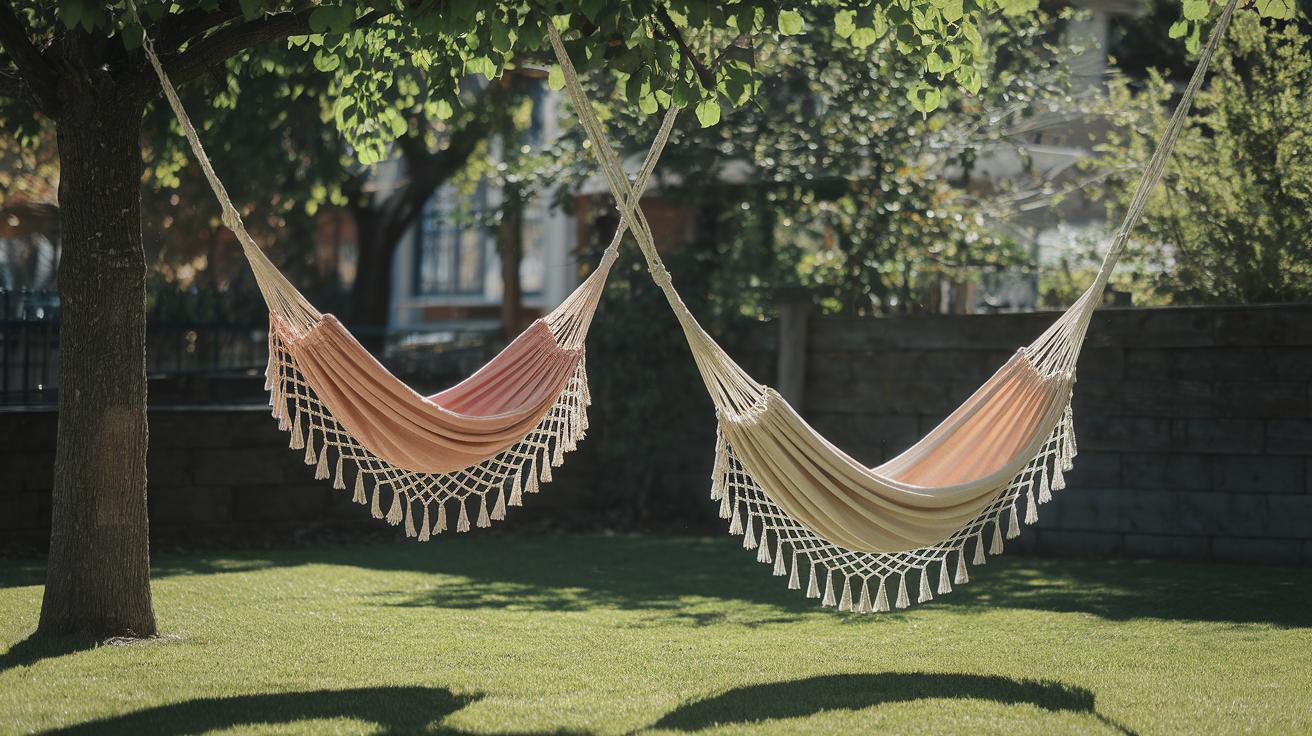
Each fabric has its own quirks. Use the wrong method and you can stretch, fray, or fade the fabric prematurely.
Cotton and canvas hammocks
Cotton and canvas (heavy woven cotton) are the most common natural-fiber hammock fabrics and the most forgiving to clean. For spot cleaning, work mild dish soap into warm water until it foams, then gently scrub with a soft brush. For a full wash, check the tag — if it’s machine-safe, remove any wooden spreader bars, place the hammock in a mesh laundry bag to prevent tangling, and run a cool gentle cycle with mild detergent.
Avoid bleach and optical brighteners. Both weaken cotton fibers and shorten the hammock’s life.
Nylon and polyester hammocks
Synthetic hammocks (nylon and polyester) wash easily but stretch when wet, so handle them gently. Place in a mesh laundry bag or a pillowcase tied closed, add a hypoallergenic or free-and-clear detergent, and run a cool gentle cycle. Lay flat to air-dry; never tumble dry, which destroys the elastic recovery of the fibers.
Synthetic hammocks resist mildew better than cotton but can develop a permanent musty smell if stored damp. Always air-dry fully before putting away.
Rope hammocks
Rope hammocks (woven cotton or polyester rope) need a hand wash. Fill a large utility tub or laundry sink with warm water and a few squirts of mild soap. Submerge the hammock and swirl gently with your hands to work soap through the rope. Rinse under clean water until no suds remain.
Press out extra water by pressing the bundle against the side of the tub — don’t wring or twist, which stretches and tangles the rope. Hang to air-dry in a shaded breezy spot for 8 to 12 hours.
Soaps and detergents worth knowing
- Castile soap (vegetable-oil-based, gentle): great for all natural fibers
- Free-and-clear laundry detergent (no dyes or fragrance): ideal for synthetics
- Phosphate-free dish soap: handles spot-cleaning across any material
- Baby shampoo (very gentle, low-pH): works for delicate rope hammocks
Skip: bleach, brighteners, fabric softeners (which coat fibers and reduce breathability), and anything with chlorine.
Removing Mold, Mildew, Odors, and Stains
Mildew is the most common problem for hammocks left outside through humid weather. Black spots and a musty smell are the signals. Caught early, it cleans off completely. Caught late, the dark spots may not fully come out — but you can stop the spread.
White vinegar treatment (mold and mildew):
- Mix one part white vinegar with four parts water in a spray bottle.
- Mist the affected areas thoroughly. Let sit for 15 to 20 minutes.
- Scrub in gentle circles with a soft brush.
- Rinse with clean water until no vinegar smell remains.
Baking soda treatment (lingering odors):
- While the fabric is still slightly damp from rinsing, sprinkle a thin layer of baking soda over musty spots.
- Let sit for 2 to 4 hours (an afternoon works well).
- Brush off the powder completely before drying or storing.
Oxygen bleach soak (stubborn stains and deep mildew):
- Fill a tub with cool water and add oxygen bleach (sodium percarbonate) per the package instructions. Note: this is *oxygen* bleach, not chlorine bleach.
- Submerge the hammock and soak for the recommended time, usually 4 to 6 hours.
- Rinse thoroughly until water runs completely clear.
Spot stain paste (small stubborn spots):
- Mix baking soda and water into a thick paste.
- Apply directly to the stain and let sit for 30 minutes.
- Scrub gently with a soft cloth, then rinse clean.
After any deep treatment, run a full wash per the material-specific instructions above. Then air-dry completely in shade. Sunlight kills any remaining mildew spores but can fade fabric — a balance worth considering case by case.
Drying, Weatherproofing, and Storage
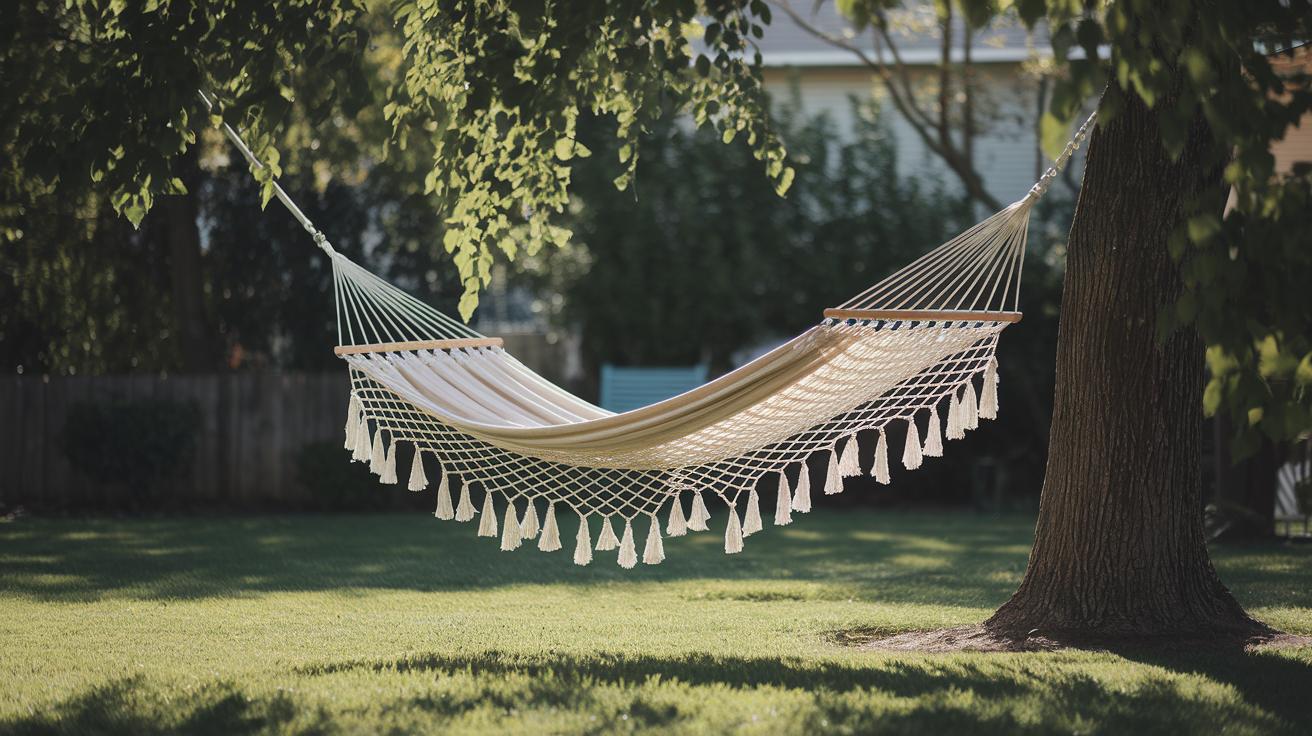
The drying and storage phase is where most hammock failures originate. Skip these and your cleaning work goes to waste.
Air-drying. Hang the hammock in shade with good airflow. Full drying takes 6 to 12 hours depending on fabric thickness and humidity. The hammock is dry when you can press your palm against the bundle and feel no cool dampness anywhere.
Weatherproofing spray. Once dry, mist the hammock with an outdoor-fabric weatherproofing spray (Scotchgard, Nikwax, or similar). Hold the can about 8 inches from the fabric, mist lightly and evenly, and let dry fully before next use or storage. Reapply every 3 to 6 months for ongoing protection.
Don’t fold or pack damp. The single most damaging storage mistake. Trapped moisture creates mildew within days. If you’re not sure the hammock is dry, hang it another few hours.
Storage environment. Cool and dry beats warm and humid. A garage shelf, a closet, or a sealed bin in a basement (only if the basement is dry, not damp) all work. Damp basements are the worst storage spot — they introduce mildew faster than the cleaning routine removes it.
Storage bag. Use a breathable cotton or canvas storage bag, not a sealed plastic one. The breathable bag lets any residual moisture escape; plastic traps it and creates mildew. Many hammocks come with a fabric storage sleeve — keep it and use it.
Weatherproofing cadence:
- Spring (after deep clean): full coat of weatherproof spray
- Mid-summer: spot re-coat any heavy-use areas
- Fall (before storage): final coat plus thorough drying
Hardware and Hanging Hardware Inspection
The fabric is what fails visibly. The hardware is what fails dangerously. Quarterly hardware checks prevent mid-swing failures that nobody wants.
What to inspect:
- Eye bolts and hooks: Look for rust, especially red-brown flakes at the threads. Wiggle each one — if it turns by hand, it’s loose and needs to be retightened or replaced. Stainless steel hardware shouldn’t rust, but coated steel can develop pinhole rust at any scratch.
- Chains and S-hooks: Check each link for stretched or distorted shapes (a sign the hardware is overloaded). Look for hairline cracks at the welds.
- Carabiners: The gate should snap closed sharply. If it feels slow or doesn’t fully close, replace the carabiner. Wire-gate carabiners can pop open under shock load — switch to locking carabiners if you’ve been using wire-gate.
- Straps: Look at the full length of each strap for fraying, thinning, or sun-bleached spots. Polyester straps last longer than nylon outdoors. Replace any strap with visible fiber damage.
- Rope ends: The end loops where ropes attach to hardware are the highest-stress points. Check for fraying or stretched-out loops. Re-whip or replace as needed.
Hardware care steps:
- Wipe metal parts with a damp rag to remove dirt and salt.
- For light surface rust, scrub gently with a wire brush.
- Apply a light coat of machine oil or rust-inhibitor spray to all metal joints.
- Replace any hardware that shows real corrosion, cracking, or wear — don’t try to nurse it along.
For specifics on what load ratings to look for on each hardware type — eye bolts, straps, carabiners — see the canonical guide’s section on hammock hardware load ratings and weight capacity.
Seasonal Maintenance Checklist
| Season | Tasks | How often |
|---|---|---|
| Spring | Deep-clean fabric, full hardware inspection, fresh weatherproof spray coat | Once at season start |
| Summer | Spot-clean spills, quick hardware shake test, mid-season weatherproof touch-up | Every 6–8 weeks |
| Fall | Brush off leaves and debris, full clean before storage, rust check on hardware, final weatherproof coat | Once before storage |
| Winter | Store in a breathable bag in a cool, dry indoor spot | Season-long |
The spring deep-clean is the most important pass. The hammock has been sitting through winter; even properly stored, the fabric can pick up a stale smell. A full wash and weatherproof spray bring it back to summer-ready.
The fall pre-storage clean is the second most important. Whatever dirt and moisture you store with stays with the hammock until spring and slowly degrades the fabric. The 30 minutes of fall cleaning pays back the entire winter.
For year-round hammock use in mild climates, skip the winter storage step but maintain the quarterly cleaning and inspection rhythm anyway. UV exposure even in winter slowly weakens synthetic fibers; a quarterly weatherproof reapplication slows the decline.
Treat the routine as 20 minutes a quarter and your hammock will outlast the warranty by years. Skip it for two seasons and you’ll be shopping for a replacement. To pair the well-maintained hammock with a finished outdoor space, see our guide on creating a tranquil space in your yard for seating, shade, and lighting that work alongside a hammock setup.
Hammock Cleaning and Maintenance FAQ
How often should I clean and maintain my backyard hammock?
Plan on a full cleaning and hardware inspection every 3 to 6 months during the use season — quarterly is the safe cadence. Spot-clean spills as soon as they happen. Deep-clean in spring (start of season) and fall (before storage). For year-round outdoor use in mild climates, maintain the quarterly rhythm even through winter.
What are the basic steps for cleaning a backyard hammock?
Four steps: spot-clean visible stains with mild detergent and a soft brush; do a full wash matched to the fabric type (machine-safe in a mesh bag for cotton and synthetics, hand-wash in a tub for rope); air-dry fully in shaded breezy spot for 6 to 12 hours; then inspect every hook, chain, and rope before reuse or storage.
How do I choose cleaning methods based on hammock material?
Cotton and canvas tolerate gentle machine washing with mild soap; remove spreader bars first and use a mesh bag. Nylon and polyester need cool gentle cycle in a mesh bag with free-and-clear detergent; lay flat to air-dry. Rope hammocks must be hand-washed in a tub with mild soap and air-dried 8 to 12 hours — never wring or twist rope.
How can I remove mold and mildew from my hammock?
Mix one part white vinegar with four parts water, spray on affected areas, let sit 15 to 20 minutes, scrub gently with a soft brush, and rinse clean. For stubborn mildew, soak in cool water with oxygen bleach (not chlorine bleach) for 4 to 6 hours per package instructions. For lingering odors, sprinkle baking soda on damp fabric, let sit 2 to 4 hours, then brush off and rinse.
What is the best way to dry, weatherproof, and store a backyard hammock?
Air-dry in shaded breezy spot for 6 to 12 hours until completely dry. Mist with an outdoor-fabric weatherproofing spray (Scotchgard, Nikwax) every 3 to 6 months, holding the can 8 inches from fabric. Store in a breathable cotton storage bag in a cool, dry indoor spot. Never store damp and never use sealed plastic bags — both create mildew.
How do I inspect hammock hardware and supports?
Quarterly, check eye bolts and hooks for rust and tightness (wiggle each — if it turns by hand, it’s loose). Inspect chain links and S-hooks for stretching or hairline cracks. Test carabiner gates for sharp snap-close action. Look at straps and rope ends for fraying or sun-bleached spots. Apply light machine oil to metal joints and replace any hardware showing real corrosion or wear.
What seasonal maintenance does my backyard hammock need?
Spring: deep-clean, full hardware inspection, fresh weatherproof spray. Summer: spot-clean spills, quick hardware shake test every 6 to 8 weeks. Fall: brush off debris, full pre-storage clean, rust check, final weatherproof coat. Winter: store in a breathable bag in a cool, dry indoor location.