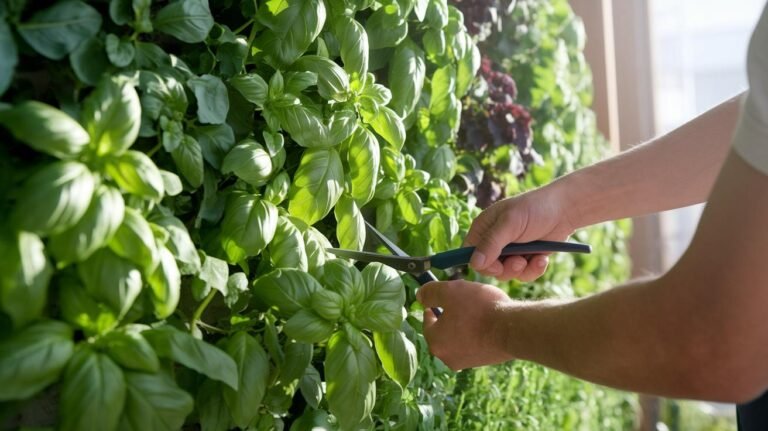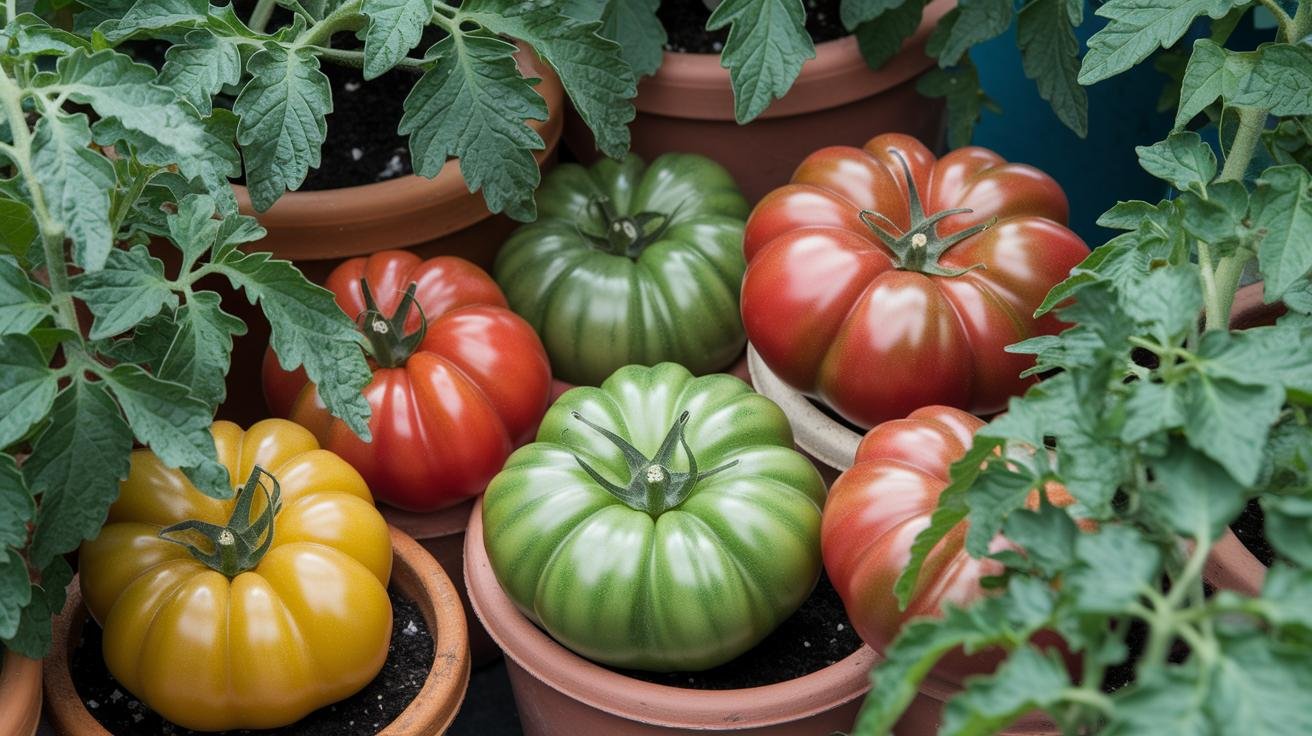
Best Heirloom Tomato Varieties For Container Gardening
Think you need a backyard patch to grow those juicy heirloom (traditional) tomatoes? That’s old thinking. Have you ever noticed how the sweet scent of a sun-warmed tomato drifts like a warm hug across your balcony? It feels like summer in every sweet breath.
I’ve tested dozens of pots, big, small, you name it. Oops, I spilled a bit of potting mix (loose soil for growing plants) while I was at it. But hands-down, a five-gallon bucket (a sturdy plant pot) is the winner for tiny spaces.
These top five heirlooms range from cherry gems that pop with flavor to meaty slicers perfect for burgers. They stay neat in their bucket homes and fend off common diseases so you can relax.
Ready to turn a planter into your personal tomato oasis? Here are the best heirlooms for compact gardens.
Best Heirloom Tomato Varieties For Container Gardening
Have you ever dreamed of plucking a warm, sun-ripened tomato from your balcony pot? It’s easier than you think. Just pick compact heirloom types that ripen early and shrug off disease.
I’ve grown dozens of container tomatoes. These five keep things simple and tasty. Tiny Tim is a true dwarf (mini plant) that turns out sweet cherry tomatoes fast. Red Robin loves shallow pots and pours out bright, juicy fruits. Patio stays neat in a 5-gallon bucket. Bush Early Girl jumps into harvest in as few as 50 days. And if you’ve got a big 10-gallon bag, Celebrity rewards you with loads of rich, balanced tomatoes.
| Variety | Growth Habit | Height | Days to Maturity | Container Size | Disease Resistance | Yield per Plant | Flavor Profile | Seed Supplier |
|---|---|---|---|---|---|---|---|---|
| Bush Early Girl | Determinate (bushy type) | 2 ft | 50–60 | 5 gal (gallon pot) | Good | 10–15 lbs | Classic tangy | Johnny’s Selected Seeds¹ |
| Tiny Tim | Dwarf (mini plant) | 12–18 in | 50 | 3–5 gal (gallon pot) | Moderate | 4–6 lbs | Sweet cherry | Burpee² |
| Red Robin | Determinate (bushy type) | 12–18 in | 60 | 5 gal (gallon pot) | Moderate | 8–12 lbs | Bright and sweet | Renee’s Garden³ |
| Patio | Determinate (bushy type) | 24 in | 70 | 5 gal (gallon pot) | Good | 6–8 lbs | Full-bodied | Seed Savers Exchange⁴ |
| Celebrity | Semi-determinate (semi-bushy) | 24–30 in | 70–75 | 10 gal (gallon bag) | Strong | 15–20 lbs | Rich and balanced | Johnny’s Selected Seeds¹ |
¹ https://www.johnnyseeds.com
² https://www.burpee.com
³ https://www.reneesgarden.com
⁴ https://www.seedsavers.org
Plant these in balcony boxes, window planters, or a 10-gallon grow bag. Then sit back and watch your backyard superstar tomatoes fill your basket, and your plate, with heirloom flavor.
Selecting the Perfect Container and Soil Mix for Heirloom Tomatoes
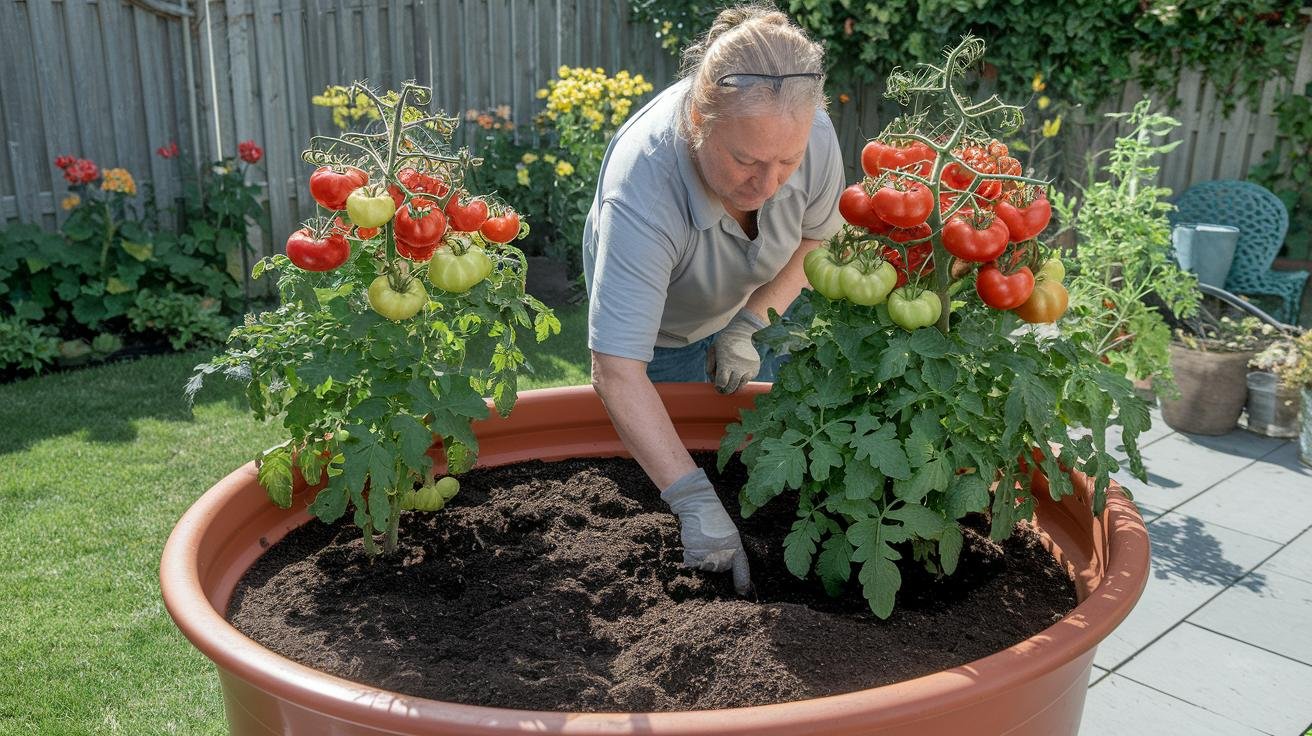
When you’re growing tomatoes in pots, start with at least a 5-gallon container (that’s about 19 liters of soil). Your tomato roots will have room to snuggle into warm earth and drink up water on hot afternoons. If you want big types like Celebrity that give you 8-ounce fruits, bump up to a 10-gallon pot or even larger. Your vines will really stretch out!
And if you’re into pint-sized varieties like Tiny Tim or Red Robin, a cozy 3- to 5-gallon pot on a sunny balcony rail works wonders. Most heirlooms, though, need extra soil so they don’t dry out under the midday sun. Think of the pot as a little bathtub for roots, fill it so your vines don’t spill over too soon.
Now let’s mix your tomato soil. You want something light and well-draining, like a sponge that soaks up water but never stays soggy. Scoop in compost (decayed organic matter that enriches soil) or aged manure (broken-down animal waste that feeds plants) until the mix feels fluffy and crumbly. Grab a handful and squeeze: if it clumps like clay, stir in more coarse bits such as perlite. If it falls apart too fast, fold in extra organic stuff.
At planting, sprinkle in a spoonful of organic tomato fertilizer blend. Then poke in a few slow-release nutrient spikes around the roots. Every week, top them off with a cup of homemade compost tea (liquid fertilizer made by steeping compost in water) as a gentle pick-me-up. Happy growing!
Watering and Feeding Strategies for Container-Grown Heirloom Tomatoes
Container-grown heirloom tomatoes soak up sun and thirst quickly. On hot days you’ll probably water every morning. Ever felt the warm soil crumbling between your fingers? Just grab a handful. If it’s dry, give it a good drink. Oops, I once poured too much and had to tip out a bit of water. A drip irrigation system brings a slow, steady trickle that keeps roots happy. Or try a self-watering pot with a built-in reservoir so your plants can sip whenever they need.
Next up is feeding time. Pick an organic tomato fertilizer blend with equal numbers like 10-10-10 N-P-K (nitrogen-phosphorus-potassium nutrients). Stir it into the soil every two weeks. At planting and mid-season, press in slow-release spikes (nutrient sticks that feed over time) around each stem. And don’t forget compost tea (steep aged compost in water for 24 hours) for a homemade boost. You can drench the soil or mist the leaves. Have you ever brewed your own garden tonic? It feels like a secret potion for happy vines.
Keeping moisture steady helps prevent blossom-end rot and curly leaves. After you water, lift any saucer of standing water so roots don’t sit soggy. That gentle, even dampness sets the stage for lush vines and racks of juicy tomatoes. Planting now sets you up for a summer harvest.
Pruning, Staking, and Support Techniques for Container Heirloom Tomatoes
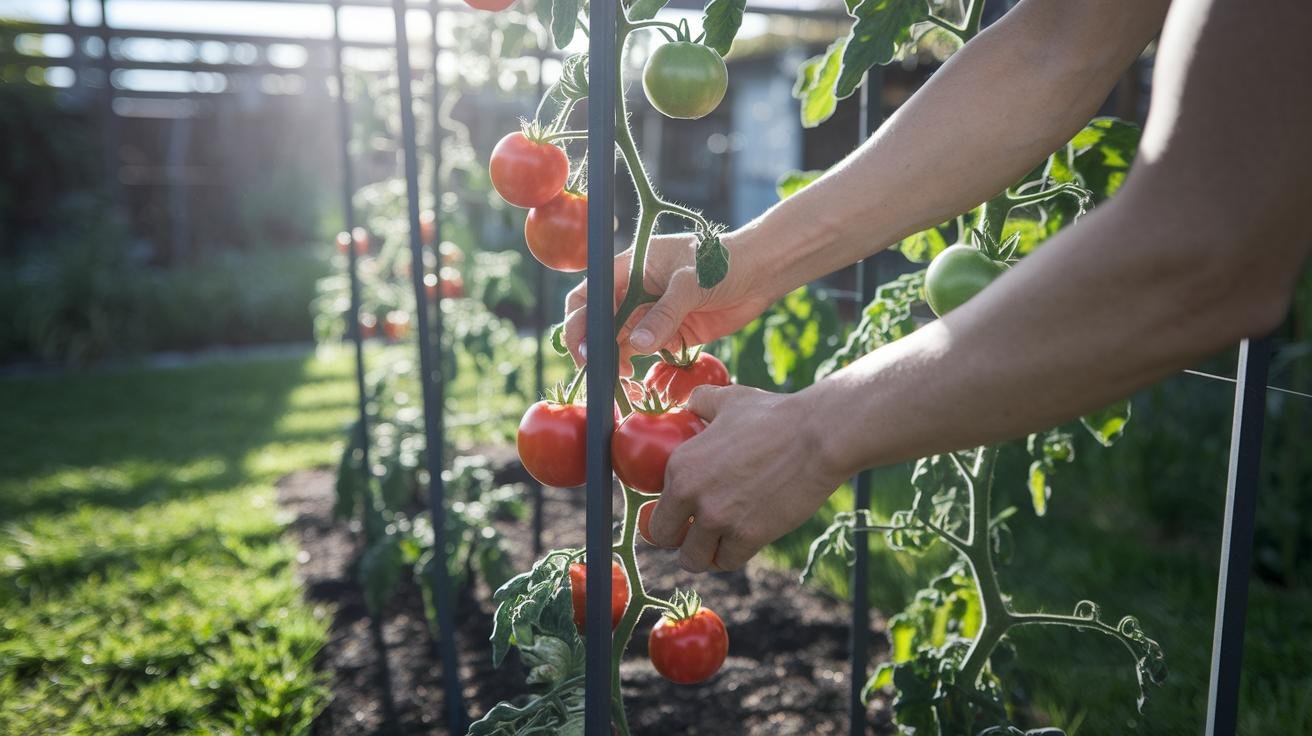
Got potted heirloom tomatoes leaning all over? A stiff breeze or a handful of heavy fruits can send those stems tumbling. When branches flop, your tomatoes might touch damp soil and start to rot. A little pruning and a simple support setup can keep vines standing tall, let in fresh air, and let those fruits bask in the warm sun.
Pruning Best Practices
Start pruning when your tomato has four or five leaves. Pinch off suckers (tiny shoots that pop up at the stem-leaf joints) with clean fingers or snips. This guides all the plant’s energy into the main stem and ripening fruit. Then thin crowded clusters by leaving just three or four tomatoes per truss, you’ll see bigger, juicier fruits and better airflow around the leaves.
Support Structure Options
For compact or patio types, grab a 12-inch wire cage. Gently thread side shoots through each ring as the plant grows, like guiding ribbon through loops. If you’re growing larger types (think Celebrity with those hefty 8-ounce tomatoes), use a 6-foot stake on one side of your pot. Push it in up to the rim, then secure the main stem every 8 to 12 inches with soft ties or garden strips. Cages let branches spread out. Stakes save space in smaller containers. Pick what fits your pot and your plant’s personality.
Disease and Pest Prevention for Container Heirloom Tomatoes
I start by picking tomato types that laugh at disease, like Bush Early Girl or Celebrity. These hardy plants shrug off blight (leaf spots) and fusarium wilt (a root-rot fungus). Have you ever smelled the warm earth crumbling between your fingers? It’s worth it when you see new green leaves.
So here’s the trick for happy pots. Set them on bricks or pot feet so extra water drains right out. That keeps soil evenly moist without turning your balcony into a swamp. Dry spots can lead to blossom-end rot (a sunken spot at the tomato bottom), and nobody wants that.
Make sure your pot has plenty of drainage holes. Use a light potting mix with compost (decayed organic matter that feeds plants). If the soil still feels soggy after a good soak, lift the pot to empty the saucer below. By the way, my cat loves sunning on the empty saucer, it’s a little thing but it makes me smile.
Keep the area tidy. Clear away fallen leaves and any plant debris so rot or mold don’t sneak in. One afternoon I forgot and later found fuzzy white patches, yuck! Lesson learned: tidy up fast.
Every week, peek under leaves for aphids (tiny green bugs) or spider mites (fine webs on foliage). Spray them off with insecticidal soap or neem oil (plant-safe oil that smothers insects). Repeat until those little critters pack up and leave. For a quick DIY mix, stir one teaspoon of mild dish soap into a quart of water and mist leaves until droplets bead and roll off.
Watch for powdery mildew (white dust on leaves). When you spot it, apply an organic fungicide right away. Give each plant enough space so air can swirl around the stems. If blight shows up as dark patches on leaves, pinch off those limbs and toss them, never add sick bits to your compost. Oops, I once burned a batch of homemade spray, so now I keep copper soap on hand.
Optimal Harvest Techniques and Season Extension for Container Tomatoes
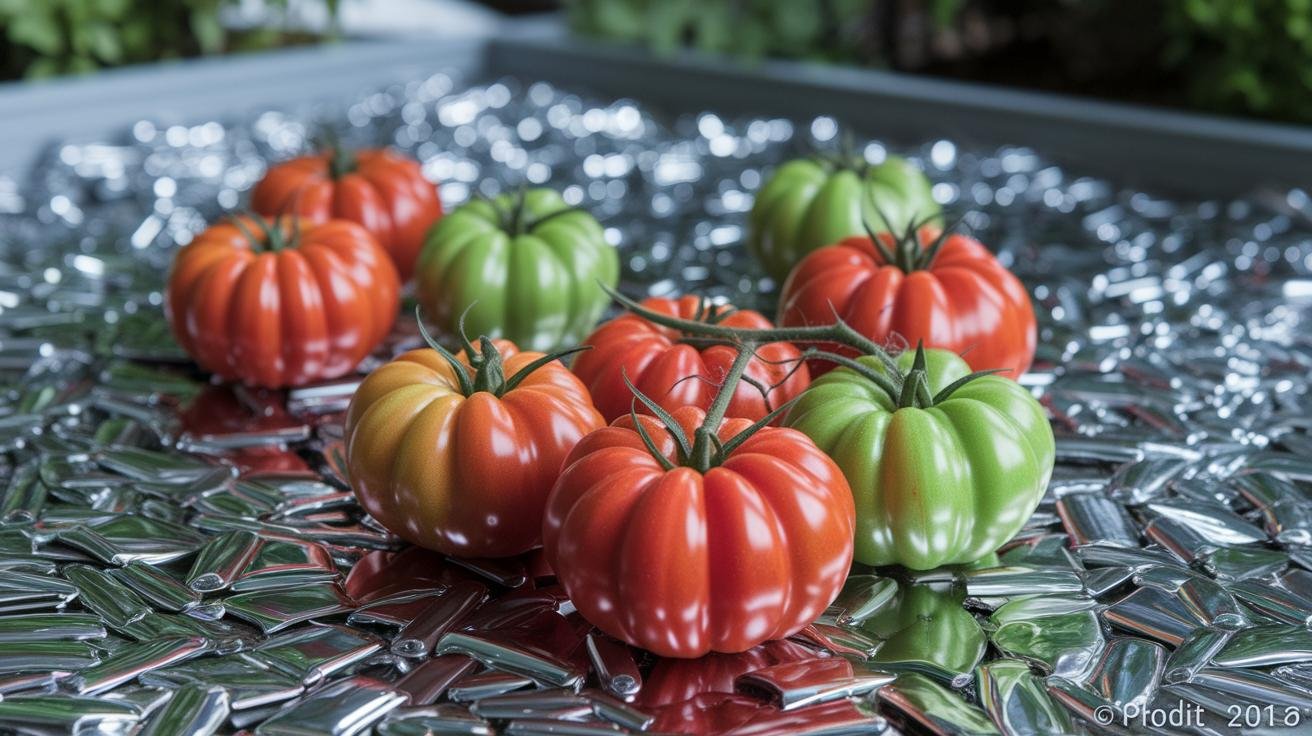
Knowing when to pick your tomatoes is like a chat with a friend. You look for that deep red color and a soft give when you press. That’s my go-to sign for ripeness.
Have you ever spun a Tiny Tim cherry tomato off the vine? Or used clean shears to snip it and keep the little stem intact? Both let you nibble fresh tomatoes without a fuss.
For Celebrity plants (a slice-and-serve tomato that takes about 75 days), I give each fruit a gentle tug. If it pops off, it’s ready for your salad. Sometimes I sneak a taste right there in the garden. Your taste buds really do know best.
Picking regularly nudges vines back into bloom. More flowers mean more tomatoes all season long.
Want to stretch your harvest into chilly weather? Tuck shiny mulch (a reflective ground cover) around your pots to bounce the sun’s warmth back to the roots. Then when nighttime temps dip near freezing slip on a portable frost cover (a light plant blanket).
Some evenings I also drape a floating row cover (lightweight fabric) right over my containers. It’s like tucking your vines into a cozy quilt. And by the way my cat loves napping next to those covered pots while I work.
Don’t stop feeding your plants. Every two weeks I push in slow-release spikes (nutrient sticks) or pour in compost tea (liquid plant food). That steady boost keeps vines fruiting into late fall so you get more juicy tomatoes even when the days cool down.
Final Words
You’ve explored top heirloom tomato picks for containers, from Bush Early Girl’s sturdy frame to Tiny Tim’s cheerful cherry bursts.
You learned how to choose the right pot and soil mix, set up a watering and feeding routine, prune and stake for strong vines, and keep pests and diseases at bay.
Then we dug into harvest tips and season-extension tricks so you get fresh fruit longer.
Now grab your gloves, plant those best heirloom tomato varieties for container gardening, and get ready for homegrown flavor and fun.
FAQ
What are the best heirloom tomato varieties for container gardening?
The best heirloom tomato varieties for container gardening are ‘Bush Early Girl’, ‘Tiny Tim’, ‘Red Robin’, ‘Patio’, and ‘Celebrity’ for compact, disease-resistant plants with tasty fruits.
How big should my container be for growing heirloom tomatoes?
A minimum 5-gallon container is best for growing heirloom tomatoes, while larger types like ‘Celebrity’ thrive in 10-gallon pots to give roots room and steady moisture.
What soil mix is ideal for container-grown heirloom tomatoes?
An ideal soil mix is a well-draining potting blend enriched with compost (decayed organic matter that enriches soil) or aged manure for nutrients and water-holding capacity.
How often should I water and feed my container tomatoes?
Container tomatoes often need daily watering in warm weather to keep soil evenly damp and prevent blossom-end rot. Use a balanced 10-10-10 fertilizer every two weeks and apply compost tea weekly.
What’s the best way to prune and support container heirloom tomatoes?
Remove suckers below leaf clusters when plants reach about 12 inches tall, and use sturdy cages or 6-foot stakes anchored at pot edges for support.
How can I prevent disease and pests in container tomatoes?
Choose resistant varieties, water evenly for good drainage, inspect leaves often, and treat aphids or mites early with insecticidal soap or neem oil.
When should I harvest container tomatoes and how can I extend the season?
Harvest when fruits reach full color and yield slightly to the touch, picking regularly to boost blooms. Extend the season with reflective mulch, frost covers, and biweekly feeding.