How To Get Rid Of Crabgrass In Lawn: Amazing Tips
Ever dread the scruffy crabgrass creeping in every spring? One minute you’ve got a soft, green carpet under your toes. Then suddenly patchy weeds are popping up all over.
But I’ve got a simple plan to kick that crabgrass to the curb. We’ll blend early-spring treatments with easy mowing and watering habits.
First, pull up small patches by hand (grab the grass at its base and give a gentle tug). Then spread a pre-emergent weed control (a barrier that stops weed seeds from sprouting) once the soil’s starting to warm.
And don’t forget to mow at the right height, keeping blades around three inches helps shade the ground. Water deeply but less often so roots grow stronger.
Before you know it, you’ll have a thick, lush lawn that crowds out every last dusty seed.
Crabgrass Control Blueprint: Rapid Removal & Lasting Lawn Defense
When you’re trying to kick crabgrass out of your yard, mixing quick weed killer with friendly garden habits really helps. It’s like sending in a cleanup crew and giving your grass a boost at the same time. You want a thick green carpet, not thin patchy spots. Ever bent down to feel the cool earth under your fingers? That’s the time to act.
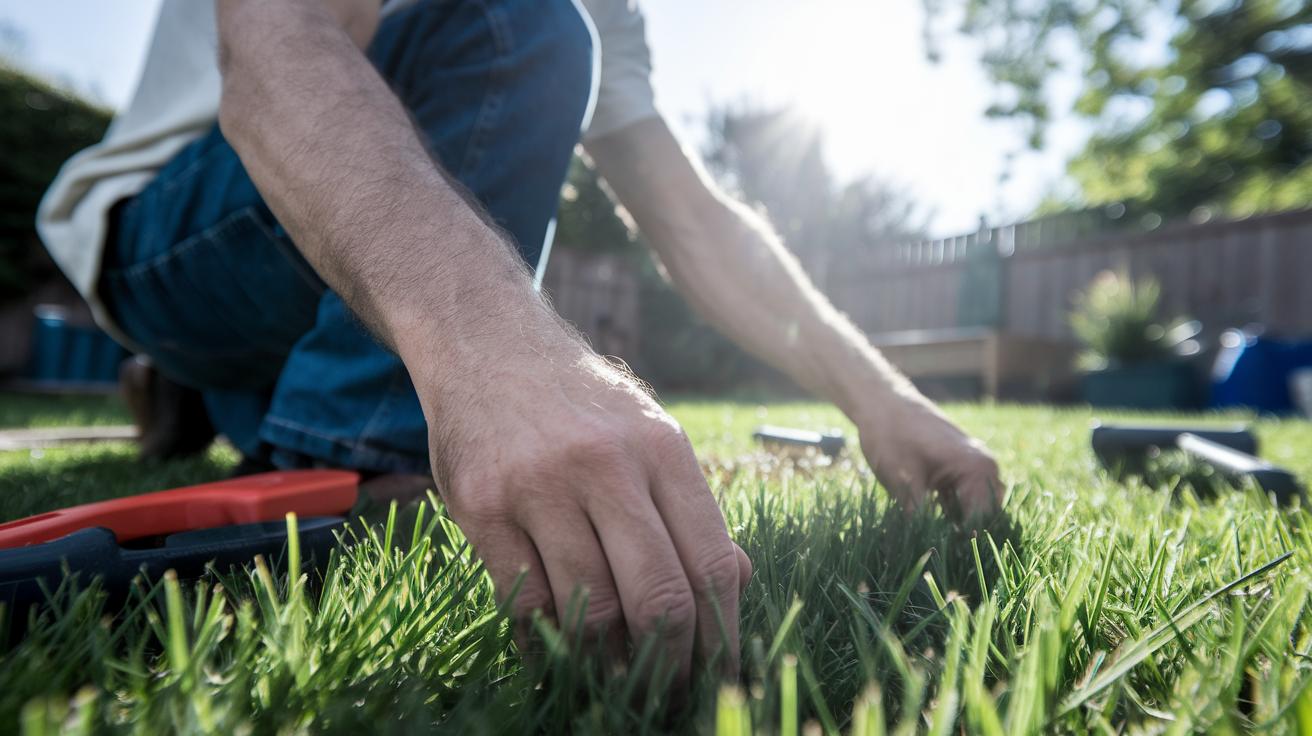
Start early in spring when the soil warms to about 55°F for a few days. Grab your pre-emergent herbicide (weed killer that blocks seeds before they sprout) and a hand weeding fork (tool with narrow prongs for digging up roots). Pull small crabgrass patches by hand while the dirt is cool and damp (moist but not soggy).
And don’t stop there. Mow, water, and feed your lawn so it stays strong enough to crowd out new weeds. My cat even naps on the freshly mowed grass, proof it’s comfy and healthy.
- Manual removal: pull small patches when soil is damp (easier grip on roots).
- Pre-emergent application: spray or spread in early spring to stop crabgrass seeds.
- Post-emergent spot treatment: use quinclorac or fenoxaprop (weed killers for young weeds) on pale green clumps.
- Mowing height: keep the blade around 3 inches to shade new seeds and slow weeds.
- Watering rhythm: soak roots deeply once or twice a week so grass grows stronger.
- Fall fertilization: apply slow-release nitrogen fertilizer (plant food that feeds over time) for steady winter prep.
Timing is everything. Drop that pre-emergent when the ground stays at 55°F for several days. Spot-treat crabgrass as soon as you see little pale green patches. Keep your mower blade high and water deeply to help grass win the race.
Planting now sets you up for summer harvest of lush turf. By combining all these steps, you’ll nail crabgrass control and build a regular grassy weed management plan that shrinks that stubborn seedbank.
Worried about costs? A pre-emergent treatment runs about $10 to $30 per lawn. Post-emergent sprays cost around $15 to $40. Hand tools and organic options can stay under $20. Slip on gloves, use eye protection, and check wind speed before spraying. This blueprint blends budget-friendly choices with clear steps so crabgrass stays right where it belongs, out of your green.
Spotting Crabgrass in Your Lawn: Identification Guide
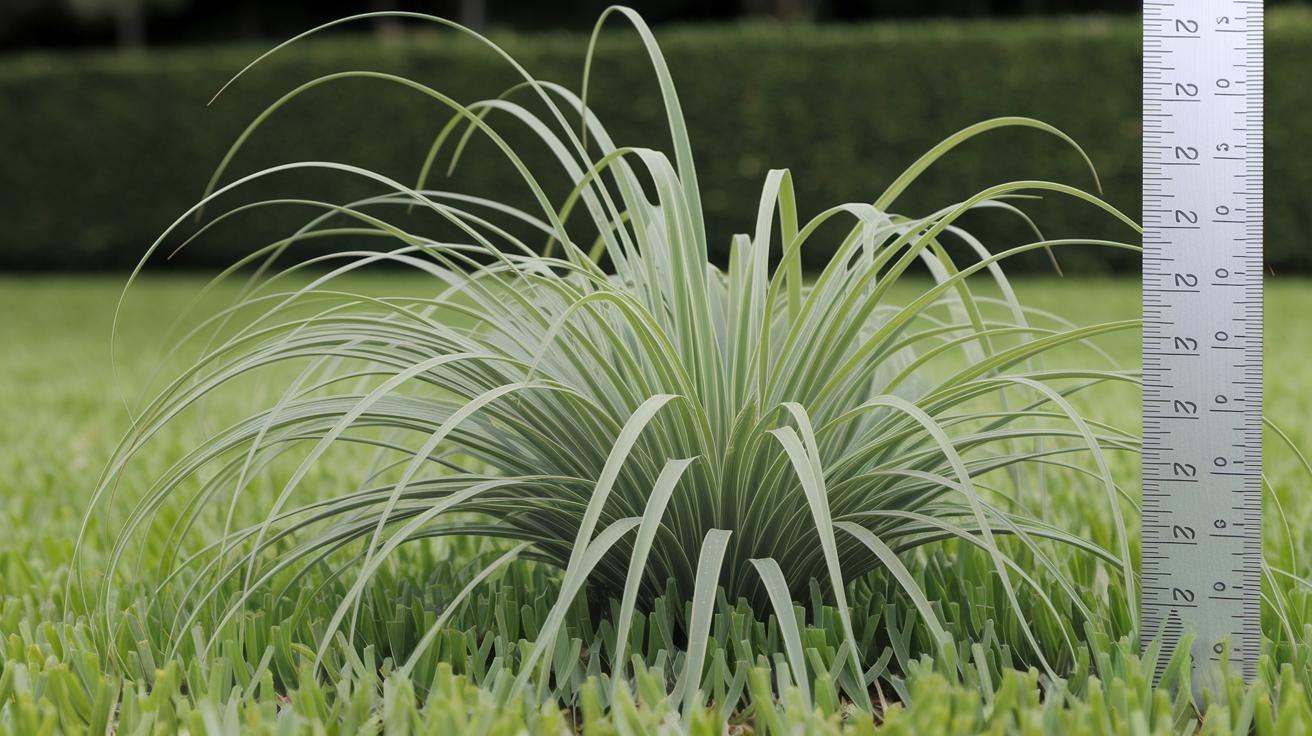
Crabgrass has coarse stems that spread flat on the warm spring earth. The light-green blades fan out from a tight clump at the center. It looks like a tiny green star bursting through your lawn. Have you felt those blades? They’re rough under your fingers and wider than normal grass.
You’ll usually see crabgrass in thin spots where your lawn struggles to fill in. By the way, I once found a patch right by my back fence, and my cat thought it was her new nap spot. A quick check of a weed guide can help you tell crabgrass apart from other grassy weeds! Catching it early makes pulling it up or treating the area so much easier.
Crabgrass is a summer annual that wakes up when soil temps hit about 55°F for a few days. Germination (when seeds wake up and start to grow) kicks in once the ground warms up. So keep an eye on your local soil temperature and you’ll know just when to apply a pre-emergent (a weed killer you put down before seeds sprout) or gently pull up those pale-green shoots by hand. Get them while they’re small, and you’ll trim down next year’s weed battle.
Setting Up Pre-Emergent Barriers to Halt Crabgrass Germination
Timing matters when you lay down a preemergent barrier (a treatment that stops seeds before they sprout). Wait until your soil feels warm under your toes at about 55°F for a few days. That’s your cue that crabgrass seeds are waking up. Have you ever checked soil temperature with a probe? It’s a simple trick to know exactly when to start.
And you’ll want a clean spreader or sprayer. A spreader drops granules while a sprayer mists liquid. Calibrate (set it to spread the right amount) on a small patch first. Measure a known weight of product over a set area. Then adjust your tool so every square foot gets the same dose. Oops, I once missed a corner and paid for it with a crabgrass patch.
Next, pick the right formula. Some granular mixes work best in walk-behind spreaders. Liquids fit handheld spray rigs more easily. Peek at the best pre-emergent herbicide for crabgrass. By the way, my dog loves to race across the yard right after I’m done. Back to choosing your mix, pick what suits your gear and your style.
If crabgrass is popping up all over the neighborhood, plan a second treatment in late summer or early fall. That follow-up layer stops late sprouters cold. Always check local rules, some towns limit treatment windows or product types. And stick to licensed applicator guidelines, following the label rates to protect your lawn and anyone helping you. Don’t forget gloves and goggles. Safety gear keeps you and your grass helpers healthy year after year.
Targeted Post-Emergent Applications for Active Crabgrass Patches
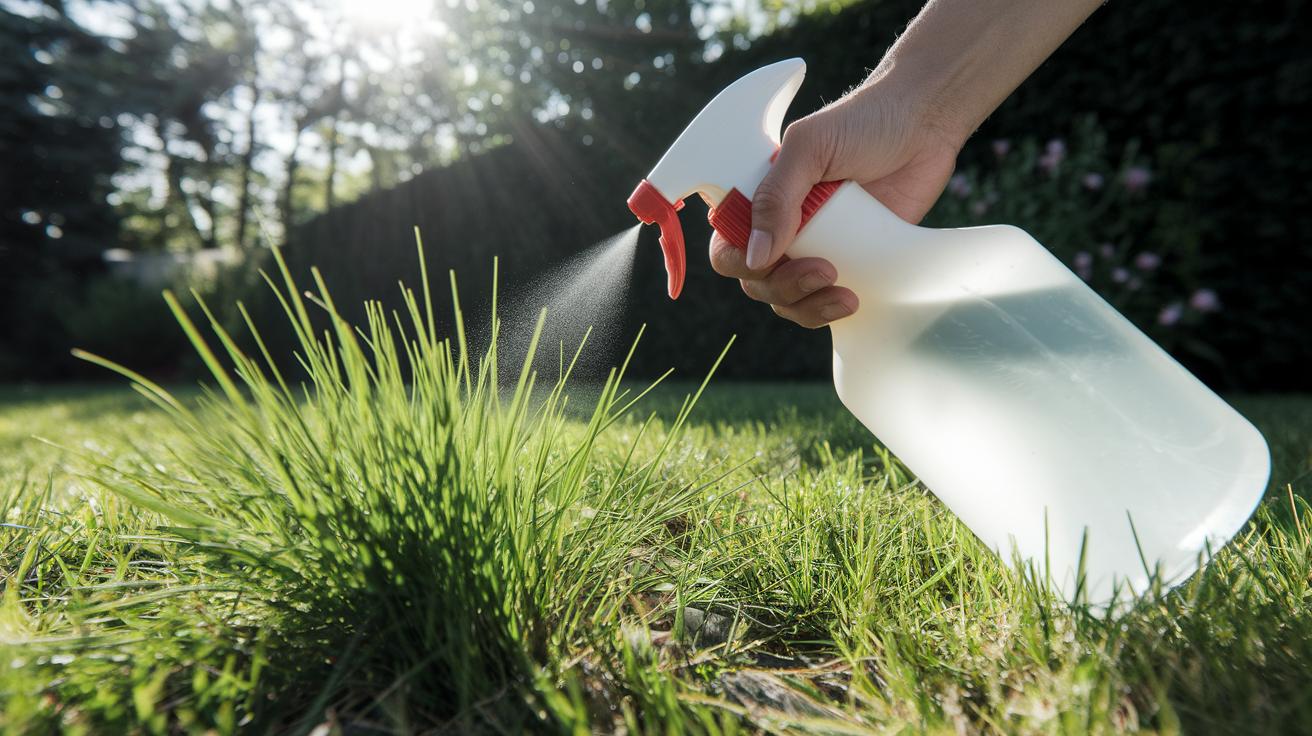
When you notice little crabgrass clumps popping up, grab a postemergent herbicide (weed killer you spray after weeds appear). This method can knock out those patches fast.
Look for products with quinclorac (a chemical that zaps young crabgrass) or fenoxaprop (another targeted herbicide). They’ll attack the baby crabgrass without hurting your mature lawn.
Mix about 1 to 2 ounces per gallon of water. Pick a day when temperatures sit between 60°F and 85°F, just right for the chemicals to work. Make sure grass blades are dry, and don’t expect rain for at least 24 hours.
A foam herbicide (bubbly weed killer) sticks to those sprawling stems better than a plain spray. Have you ever sprayed in the morning dew and watched the foam cling like tiny clouds? It’s pretty neat.
Spot spraying treats only the problem areas. Attach a low-drift fan nozzle to your handheld sprayer. Hold the wand about 12 inches from the leaf tips. Tilt it at a 45-degree angle and sweep in a steady motion until you see a light mist coating each clump.
Oops, you sprayed a bit on the good grass? No worries, most lawns bounce right back. Just try to aim for those crabgrass crowns so the herbicide lands where it matters most.
Step back for at least 12 hours, no walking or mowing until the herbicide dries. Trust me, it’s worth the wait.
Expect to spend about $15 to $40 per treatment, depending on the brand and container size. That small investment can save you big weeding time down the road.
Organic Techniques to Weed Out Crabgrass Naturally
Ever knelt in your grass and yanked out crabgrass by hand only to see it pop up again? Thicker, healthy turf can crowd out those stubborn weeds over time. But sometimes you need extra help.
Try solarization (covering moist soil with clear plastic so the sun bakes weed seeds). Lay the plastic tight and leave it for 4 to 6 weeks. You’ll feel that warm air trapped under the cover, like a mini greenhouse right on your lawn.
Or grab a thermal flamer (a mini torch, don’t forget gloves and goggles) and wave the flame just above new crabgrass shoots. You’ll see them wilt in seconds. Go slow and steady so you only toast the weeds, not your grass.
Both of these methods zap seeds and seedlings without using any chemicals. And when you’re done, your lawn gets to rebound naturally, no sprays needed.
| Method | Effectiveness | Estimated Cost |
|---|---|---|
| Solarization | High for seed kill | $10-20 |
| Thermal Flaming | Moderate for seedlings | $15-30 |
Strengthening Turf: Lawn Care Practices That Deter Crabgrass
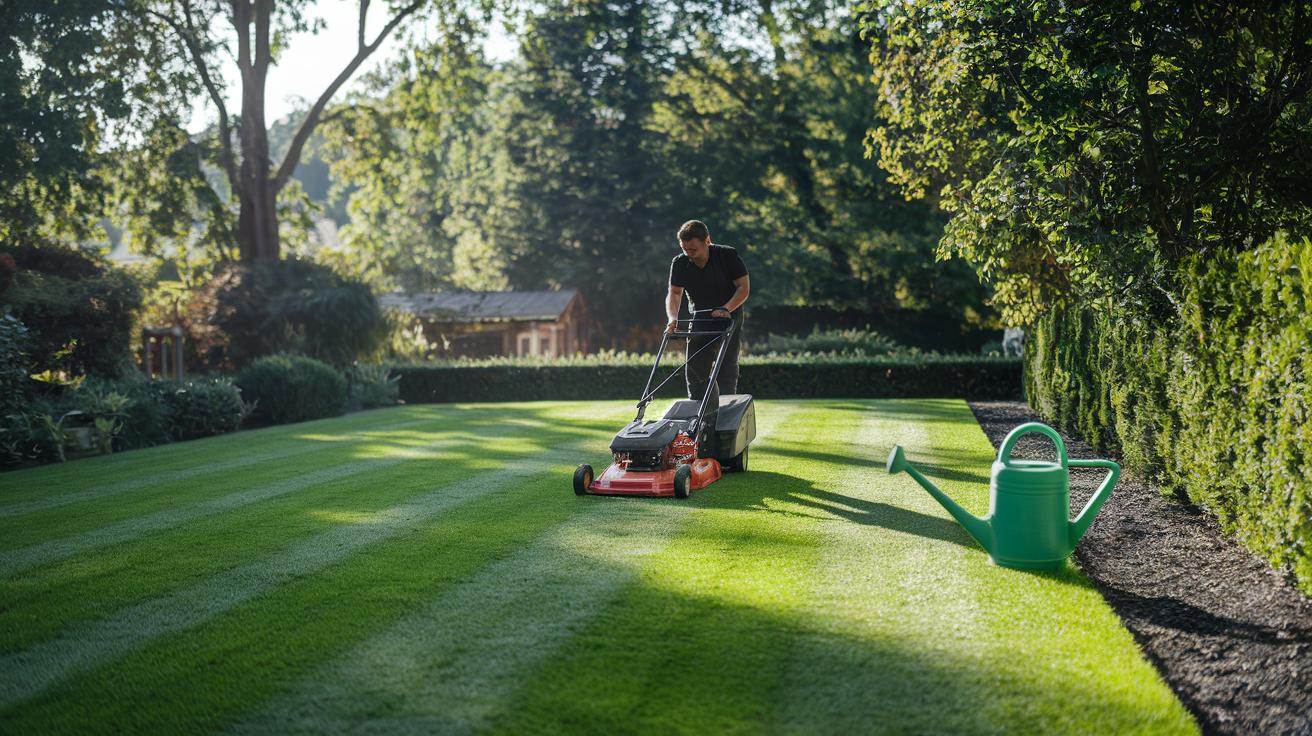
Have you ever noticed how taller grass blocks sunlight on the soil? Aim for 3 inches with your mower blade. That shade keeps crabgrass seeds from waking up. Oops, I forgot to sharpen my blade last week and realized how much difference a crisp cut makes.
Soak your lawn with about an inch of water in one go, once or twice a week. This deep drink helps grass roots dive down instead of staying up where weeds, you know, hang out. And don't skip feeding – add a slow-release nitrogen mix (plant food that feeds slowly) in fall. It thickens your turf and leaves less space for crabgrass.
Aeration (making small holes in packed soil) in spring or fall gives air, water, and nutrients a way in. By the way, my cat loves sunning on that freshly poked turf – gotta love a cat tan. Then overseed thin spots with a grass seed blend that matches your lawn.
Spread a light layer of compost (rotted plant bits that feed soil) on top to keep the seeds cozy until they sprout. Before you know it, you'll have a lush carpet of grass that chokes out crabgrass.
Maintaining a Crabgrass-Free Lawn Year-Round: Seasonal Task Guide
| Season | Months | Soil Warmth (earth temp 2″ down) | Planner Link |
|---|---|---|---|
| Early Spring | Mar–Apr | 55°F | See Setting Up Pre-Emergent Barriers (protective barrier to stop weed seeds from sprouting) |
| Summer | Jun–Jul | 70°F+ surface | See Post-Emergent Patch Control (spot treatments that zap new weeds) |
| Late Fall | Oct–Nov | 50°F at 2″ depth | See Soil Reinforcement Strategies (plant extra seeds to fill thin spots) |
| Winter | Dec–Feb | Below 40°F | See Equipment Maintenance Checklist (cleaning and checking your tools) |
Early spring kicks in when the earth two inches down hits about 55°F. Slip a soil thermometer probe into moist ground and jot the date on your planner above. Then follow Setting Up Pre-Emergent Barriers (protective barrier to stop weed seeds from sprouting). Have you ever felt that cool soil warming under your boots?
When the surface warms past 70°F, crabgrass can shoot up fast. Try a soil-moisture squeeze test, think of damp earth like a sponge: squeeze, and you’ll see how much water it holds. Note each check in your notes. Then head to Post-Emergent Patch Control (spot treatments that zap new weeds).
Late fall comes around when the soil still feels near 50°F two inches down. That’s perfect for overseeding (planting extra seeds to fill thin spots) with a tough grass mix. Mark the date in your planner and dive into Soil Reinforcement Strategies. By the way, my cat loves sunning on the fresh seedbed, back to spreading those seeds!
When winter’s chill drops soil temps below 40°F, it’s gear time. Clean spreaders, rinse spray bottles, and sharpen mower blades. Store everything in a dry spot so it’s ready for action. Then pencil in next spring’s early window on your planner up top.
Equipment, Safety Gear, and Cost Insights for Crabgrass Management
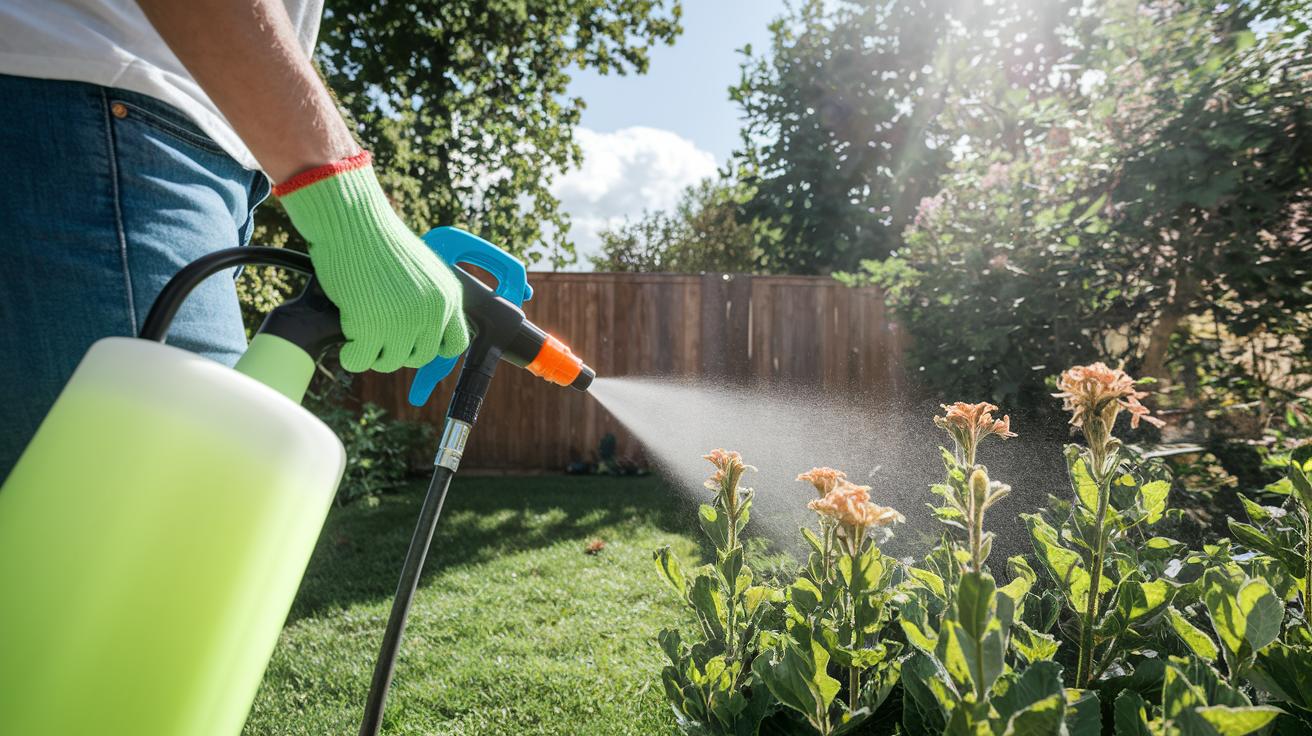
Let’s talk gear and safety before tackling crabgrass. You’ll feel more confident with the right setup.
- Slip on chemical-resistant gloves (gloves that keep harsh lawn chemicals off your skin).
- Wear protective goggles (eyewear that shields your eyes from spray).
- Put on a long-sleeved shirt to protect your arms.
- See Pre-Emergent Barriers chapter for full safety steps.
Now let’s set up your sprayer and spreader. You’ll get a cleaner, more even application.
- Attach a low-drift nozzle to your sprayer (a tool that sprays liquid) so the spray stays where you want.
- Try the spreader on a small patch first (a tool that drops granules evenly) for a smooth, even spread.
- See the Targeted Post-Emergent chapter for more on precise treatments.
| Treatment Type | Cost per Application |
|---|---|
| Pre-emergent | $10 – $30 |
| Post-emergent | $15 – $40 |
| DIY organic methods | Under $20 |
By the way, check your HOA rules or local policies before you start.
Final Words
In the action, you’ve learned to spot those light-green blades early and set up pre-emergent barriers before seeds sprout.
You also got tips on post-emergent spot treatments, natural pulling techniques, mowing at 3 inches, and deep watering rhythms.
Mix in fall fertilizing, spring aeration, and budget-friendly gear advice for safety and cost savings.
Stick with this blueprint each season and you’ll keep crabgrass from taking over.
You’ve got this, happy mowing and a lawn that shows you how to get rid of crabgrass in lawn in style.
FAQ
How do I get rid of existing crabgrass in my lawn?
Getting rid of existing crabgrass involves pulling small patches by hand when soil is moist, mowing at three inches, then spot-treating young plants with a post-emergent herbicide containing quinclorac or fenoxaprop.
When should I apply pre-emergent herbicide to prevent crabgrass?
Pre-emergent herbicide should be applied in early spring when soil temperatures reach about 55°F for several days, creating a barrier that stops crabgrass seeds from sprouting.
What post-emergent herbicide is best for treating crabgrass patches?
The most effective post-emergent herbicides for crabgrass patches contain quinclorac or fenoxaprop, which target young, actively growing plants when applied under mild temperatures and dry foliage.
Can I use organic methods to control crabgrass naturally?
Using organic methods to control crabgrass can involve manual pulling in moist soil, promoting dense turf through proper mowing and watering, and solarizing sections under clear plastic for several weeks to kill seeds.
How should I mow and water to discourage crabgrass growth?
Mowing at about three inches shades the soil surface, which reduces seed germination, and watering deeply—about one inch per session once or twice weekly—encourages strong grass roots instead of shallow, weedy growth.
How often should I fertilize and aerate my lawn to prevent crabgrass?
Fertilizing in fall with a slow-release nitrogen blend helps turf outcompete crabgrass, and aerating in spring or fall relieves soil compaction, while overseeding bare spots fills thin areas that invite weeds.
What equipment and safety gear do I need for herbicide application?
Applying herbicides safely requires gloves, protective eyewear, and long sleeves, plus a calibrated spreader or sprayer with a low-drift nozzle, and following label instructions to protect lawn and personal health.
How much does it cost to manage crabgrass with chemical and organic methods?
Managing crabgrass chemically ranges from about $10 to $30 per pre-emergent and $15 to $40 per post-emergent product, while organic approaches like hand pulling or solarization typically cost under $20 in materials.
How can I maintain a crabgrass-free lawn year-round?
Maintaining a crabgrass-free lawn year-round involves applying pre-emergent in early spring, spot-treating or pulling weeds in summer, fertilizing and aerating in fall, and storing equipment in winter.