Pergola Lighting Ideas For Evening Ambiance Blissful Glow
Who says your pergola can’t outshine your favorite indoor nook after dark!
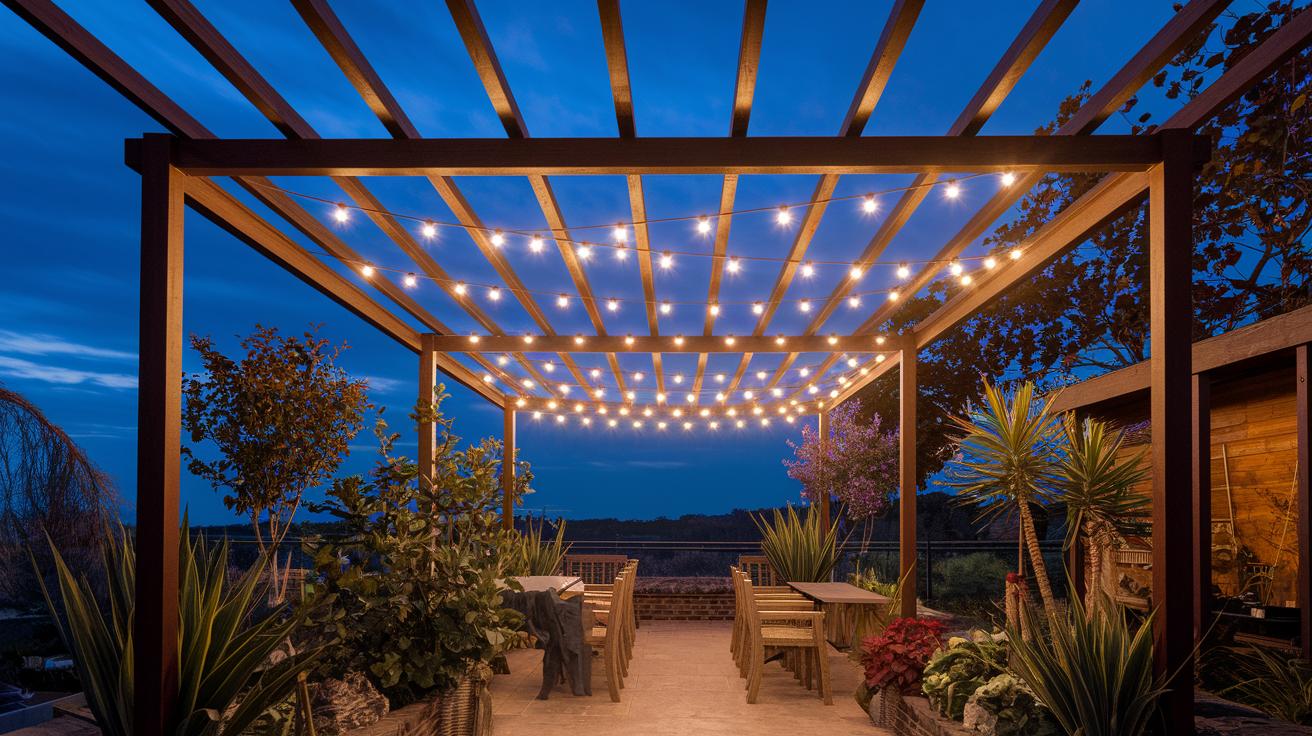
Have you ever stepped beneath wooden beams hung with soft white bulbs that dance like fireflies?
Um, it feels like magic under the stars.
Here’s the simple trick.
First, drape strands of fairy lights that sparkle at dusk.
Then hang a couple of lanterns from your rafters and tuck slim LED (light-emitting diode) strips under each beam for a gentle, even glow.
By layering lights this way, you get that warm, welcoming vibe.
Grab a cold drink and slip outside.
The cool night air will stir the leaves above while the soft glow wraps you like a cozy blanket.
You’ll soon feel like you’ve discovered the perfect outdoor hideaway.
Pergola Lighting Ideas For Evening Ambiance Blissful Glow
As dusk settles in, you step under your pergola and the air feels cooler against your skin. Soft pools of light spill down from above. With the right pergola lighting ideas for evening ambiance, this outdoor corner turns into your favorite cozy nook. Have you ever felt a warm glow that wraps you like a soft blanket? That’s what warm white bulbs (2700K–3000K, the color range that looks like sunset) deliver, bright enough to see, gentle enough to relax.
And brightness matters almost as much as light color. Aim for fixtures that put out 200–400 lumens per light source (lumens measure how bright a bulb is). Under 200 lm feels dreamy and subdued. Closer to 400 lm lets you read a book or pour a glass of wine without squinting. Think of your pergola as an art gallery, balance each glow so shadows and highlights dance just right.
You don’t need a ton of gear to layer in light. Drape classic string lights across the beams for twinkle. Tuck a few hanging lanterns into corners to cast a soft spotlight. Oops, almost forgot the slim LED strip (a thin row of tiny lights) along one beam for a steady wash of glow under the rafters. That mix of little pinpoints and even wash makes your pergola feel alive, and you’ll be lingering out here long after sunset.
Top Pergola Lighting Types for Evening Ambiance
Ever sit under your pergola at dusk and wish for the perfect glow? Pendant lights are like little lamps hanging from the rafters. They cast a warm pool of light over your table. They hook into a 120 V circuit (standard home power) with a GFCI outlet (a safety device to prevent shocks), so you’ll want to check your local codes first. Look for an IP44 rating (splash-resistant) and about 800 lumens (light output) per fixture. You can find clear bulbs or fabric shades for $40 to $80 each.
Fairy lights bring that twinkling magic. You can weave a 30-foot microLED string (tiny energy-saving lights) into lattice or wrap it around posts. It shines about 300 lumens total and has an IP65 rating (dust-tight and rainproof). They run about $15 to $25. Tuck them in vines or drape across beams for an all-night sparkle.
Pro Tips:
- Outdoor string lights: 48 ft strand with 12 Edison bulbs for a soft glow
- Hanging lanterns: solar or battery powered, 8–12 hr run time, IP44 rated
- LED strips: 16 ft strip, 120 lumens/ft, IP65 rated and cuttable every foot
| Lighting Type | Key Features | Price Range |
|---|---|---|
| String Lights | 48 ft, 12 Edison bulbs, plug-in | $20–$40 |
| Hanging Lanterns | Solar/battery, 8–12 hr run time, IP44 | $25–$45 |
| LED Strips | 16 ft, 120 lumens/ft, IP65, cuttable | $25–$30 |
| Pendant Lights | 120 V hardwired, IP44, ~800 lumens | $40–$80 |
| Fairy Lights | 30 ft microLED string, IP65, ~300 lumens | $15–$25 |
Color Schemes and Mood Lighting Strategies
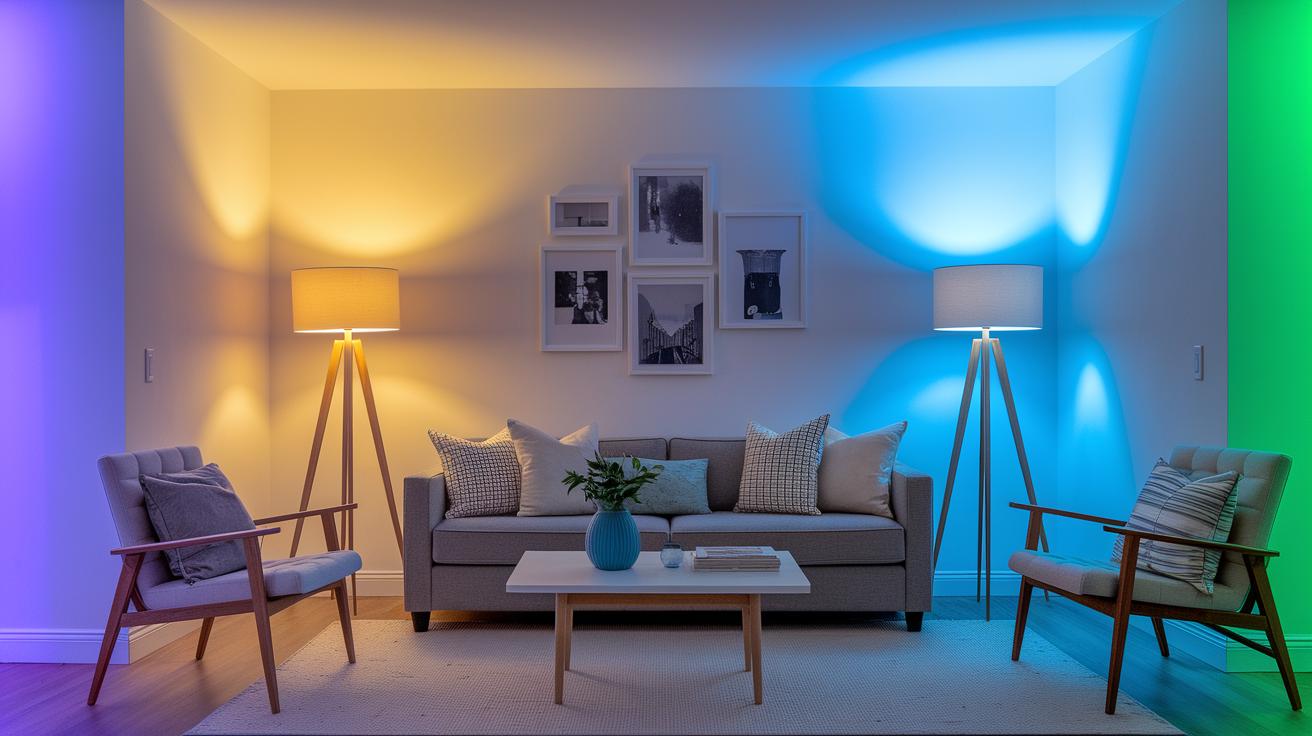
Nothing feels cozier than warm white bulbs (light that looks like golden sunset at about 2700K to 3000K) when you’re curling up under your pergola. They glow like late-afternoon sun settling in. If you want a crisper look for summer barbecues, try cool white at around 4000K. It feels bright and fresh, like crisp linen on your deck.
Think of your lights as a paintbrush for your backyard vibe. And when you want a dash of drama at night, color-changing LED strips with DMX control (a system that lets you change colors from your phone) make it easy. Pale blue one moment, soft pink the next. It’s almost like magic, right?
By the way, my neighbor’s cat goes wild chasing the pink glow. But back to your pergola, pair a steady string of warm white with a few multicolor fixtures for full-day fun. Sip your morning tea in gentle amber light, then flip to a rainbow wash for a garden gathering. Mixing a calm glow with playful bursts of color means your space can shift from restful evenings to lively backyard celebrations with just a tap.
Smart Controls and Dimming for Pergola Lights
Ever wanted to tap a button and watch your pergola glow just right? With a smart setup, you’ll have control over every bulb or string light from your phone or with your voice. Picture cozy evenings under a gentle amber glow or bright lights for late-night card games. It’s like having a magic switch right in your pocket.
Outdoor-rated Wi-Fi or Bluetooth controllers (IP54 rated for splash protection) link your lights to your home network. You can ask Alexa or Google Home to flip them on. Or you can open an app to schedule on/off times, choose warm or cool tones, and even set energy-saving timers. Handy, right?
But wait, there’s more. For good old manual dimming, just slip in an outdoor dimmer switch (120 V, 600 W max) inline with your hardwired fixtures. It’s basically the same dimmer you know, only built tough to shrug off drips and morning dew.
Smart Hub Options
Wi-Fi hubs are plug-and-play. You set one up by plugging it in, connecting to your router, and letting it chat with your lights. It’s simple, no extra gadgets required.
Zigbee hubs use a mesh network so each light helps pass along the signal. That can really boost reliability if your pergola sits far from the house. Just make sure your hub is IP54 rated so a spring shower won’t short it out.
App Setup Steps
- Install the manufacturer’s app on your phone.
- Add each controller or smart bulb by following the on-screen prompts.
- Create scenes, movie-night glow or bright dinner vibes.
- Set schedules to turn lights on at dusk and off at bedtime.
Weatherproofing and Safety for Outdoor Fixtures
Have you ever felt the soft patter of rain and worried about your outdoor lights? Water and dew can sneak into wiring and cause a short. So pick fixtures rated IP65 (dust tight and safe from strong water sprays). IP65 means no grit or rain gets inside.
If you have power outlets near planters or fountains, use a GFCI outlet (Ground Fault Circuit Interrupter). Place it within 6 feet of any water source. It cuts power fast if a spill tries to zap you. Safety first, right?
All your cable runs need weatherproof connectors and silicone sealed cable glands (little rubber seals that block moisture). Pick UV-resistant wiring marked for wet locations so it won’t crack in sun or rain. I once saw a wire split after one hot July.
And overhead lights should be high above beams. The National Electrical Code (NEC) says keep wires at least 3 feet above any walking surface or railing. That way no one brushes them by accident. Seal every screw hole with silicone caulk and use strong mounting hardware.
For any outdoor joints, tuck connectors inside a weatherproof box. Those boxes keep rain and critters out. Try a quick storm test by spraying them with a hose and checking for drips. Dry fixtures mean more cozy nights under your glow.
DIY Installation Tips and Wiring Techniques
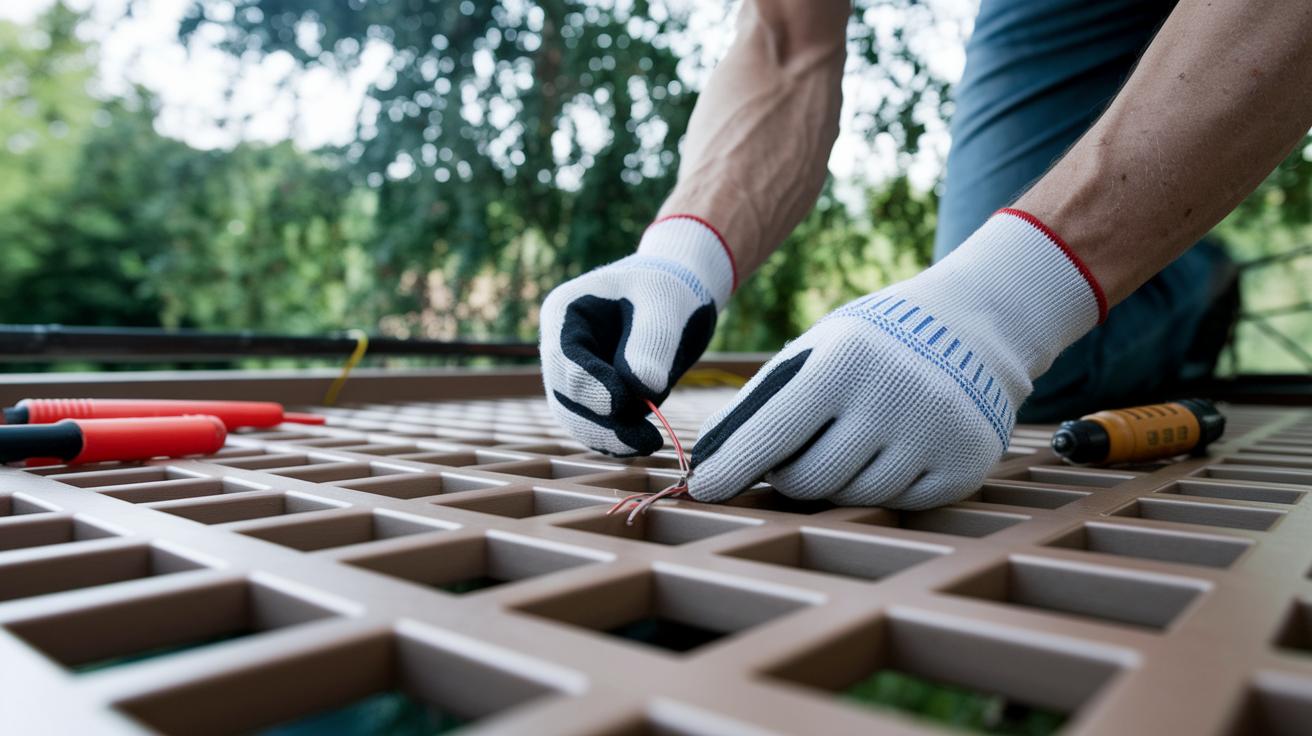
Thinking of stringing lights on your pergola? Have you ever felt a warm breeze brush past twinkling lights? I’ve got some backyard-friendly tips to help you hang lights like a pro.
First, measure how wide your pergola is. Mark spots every 4 feet with a pencil. These are where your hooks will go.
Now, screw in small S-hooks (metal hooks shaped like an S). Oops, once I forgot to tighten a clip and my string drooped right into the shrubs. And yes, I had to re-do that bit. Then run 12 AWG low-voltage cable (12 AWG means pencil-thick wire; low-voltage means it carries 12 volts) along the beams.
Join cable ends with weatherproof connectors (IP68-rated to keep out water and dust). Slide on heat-shrink tubing (plastic sleeves that shrink when warmed). Secure the wire with UV-rated zip ties or stainless steel clips so it won’t sag.
If you’re using 120 volt lights (what you get from home outlets), you’ll need to bury a PVC conduit (PVC is sturdy plastic pipe) 18 inches underground first. This pipe will protect your wire from moisture and accidental nicks.
Once the wires are up, give each run a gentle tug. If it bounces slightly, you’re set. Then tuck any extra slack up under the rafters so nothing dangles.
Power Source Options
Low-voltage systems, running at about 12 volts, use a transformer (a box that steps down standard power). They’re safer and you can stretch them up to 100 feet from the transformer to the last light. Many transformers click on at dusk and off at dawn, so you get automatic lighting.
Direct 120 volt wiring skips the transformer. You’ll pull power straight from your home’s electric. Just make sure you have a GFCI outlet (that shuts off in wet spots) and a deeper trench for the conduit. It’s best for bright, high-wattage fixtures, but if home wiring makes you nervous, call an electrician.
Cable Management Methods
For a neat look, hide wires inside hollow beams or drill small holes through rafters and feed the cable through. If you mount cables on the surface, use PVC raceways (channels that cover wires). Seal each entry point with silicone caulk so no water sneaks in.
Use weatherproof connectors at every joint and keep lines snug with zip ties or stainless clips. Need a quick fix? Coil extra wire into a loop and tuck it up out of sight. Then sit back and enjoy the glow.
Zoning and Layering Lighting in Your Pergola Space
Have you ever sat under a pergola and wished each corner had its own glow? Breaking your pergola into clear lighting zones gives every spot its own mood.
For the seating area, drape string lights overhead. Pick bulbs that put out 300–400 lumens (how bright a light is) with a 30° beam angle (narrow spread). Hang them about 7 feet high so you get a soft glow without harsh glare.
To add depth, tuck uplights at the base of each post. Choose fixtures that deliver 200 lumens and shine in a 45° beam angle. Set them about 1 foot off the ground to wash the posts with gentle light and tie the look together.
Over your dining table, hang a pendant light 30 inches above the surface. Aim for 400 lumens with a 60° beam angle to spotlight plates and glasses in that warm dinner chatter.
Got a few steps leading up? Install low-voltage step lights on each riser. Fifty lumens in a tight 10° beam will mark each tread safely without blinding you. Oops, almost forgot that detail.
For the paths around your pergola, plant solar stake lights every 3 to 4 feet. Ten lumens and a 120° beam angle give just enough light to guide your way and keep summer evenings feeling magical.
Mix these layers, task lighting for projects, accent lighting for drama, and ambient lighting for comfort, and your pergola will invite you to linger until the stars come out.
Budget Planning and Maintenance for Pergola Lighting
Just for fun, let’s map out a lighting budget for your pergola. For a 100-foot run, figure about $260 total. You’ll need $40 for string lights (decorative bulbs on a wire), $120 for four lanterns, $30 for LED strips (thin light strips that save energy), $50 for a transformer (device that steps power down to safe levels), and $20 for a mounting kit. This setup gives you a gentle, cozy glow for those late-night chats under the stars.
LED strips pull only 10 watts per 16 feet. At 12 cents per kilowatt-hour, running them six hours each night adds about $1.20 to your monthly bill. And here’s the cool part: LEDs last about 25,000 hours. That’s basically years of evenings before you’ll need new ones.
Want your lights to keep shining bright? Plan a quick cleaning every six months. Swap out string-light bulbs every two years. Check lantern batteries twice yearly. And reseal connectors and clips once a year to keep out rain and dirt. A little care now means more magical nights on your patio later. Trust me, it’s worth it.
| Item | Cost | Maintenance Cycle |
|---|---|---|
| String Lights | $40 | Replace bulbs every 2 years |
| Lanterns (4) | $120 | Check batteries every 6 months |
| LED Strips | $30 | Clean every 6 months |
| Transformer | $50 | Inspect yearly |
| Connectors & Clips | $20 | Reseal yearly |
Final Words
In the action of planning your pergola transformation, you’ve picked warm white bulbs and mapped out zones.
You’ve explored string lights, lanterns, LED strips and smart dimmers.
You’ve learned how to keep fixtures safe from weather and wired them like a pro.
With budget tips and upkeep notes in hand, you’re ready to flip the switch.
Picture friends laughing under a soft glow, kids chasing firefly-like fairy lights.
That’s the magic of pergola lighting ideas for evening ambiance, simple, cozy, and all yours.
FAQ
How can I create an inviting evening ambiance with pergola lighting?
Creating an inviting evening ambiance with pergola lighting starts with warm white bulbs (2700K–3000K), 200–400 lumens per fixture, and a blend of string lights, lanterns and LED strips for soft glow.
What types of lights work best for a pergola?
Types of lights that work best for a pergola include 48 ft string lights with Edison bulbs, solar or battery hanging lanterns, cuttable LED strips, hardwired pendant lights and microLED fairy lights.
What color temperature should I choose for mood lighting?
Choosing mood lighting color temperature means using warm white (2700K–3000K) for a cozy glow, cool white (4000K) for crisp clarity, or adding RGBW strips for dynamic color scenes with simple remote controls.
How do I add smart controls and dimming to pergola lights?
Adding smart controls and dimming to pergola lights uses outdoor-rated Wi-Fi or Bluetooth controllers, in-line dimmer switches, and smartphone apps for scheduling, color presets and voice commands via Alexa or Google Home.
How can I weatherproof pergola lighting and keep it safe?
Weatherproofing pergola lighting and keeping it safe means choosing IP65-rated fixtures, installing GFCI outlets within 6 ft of water, and using silicone-sealed cable glands with UV-resistant wiring for damp conditions.
What are the key steps for DIY pergola lighting installation?
Key steps for DIY pergola lighting installation include marking mounting points every 4 ft, installing stainless hooks or eye bolts, running low-voltage cable with waterproof connectors and securing with UV-rated zip ties.
How should I zone and layer lighting in my pergola space?
Zoning and layering pergola lighting means using overhead string lights for seating (300–400 lm), pendant lights above dining table (400 lm), step lights for safety, pathway stakes and post uplights to highlight structure.
What budget and maintenance should I plan for pergola lighting?
Planning pergola lighting budget and maintenance means setting aside about $260 for a 100 ft run, checking batteries and cleaning fixtures every 6 months, replacing bulbs every 2 years and inspecting power units annually.