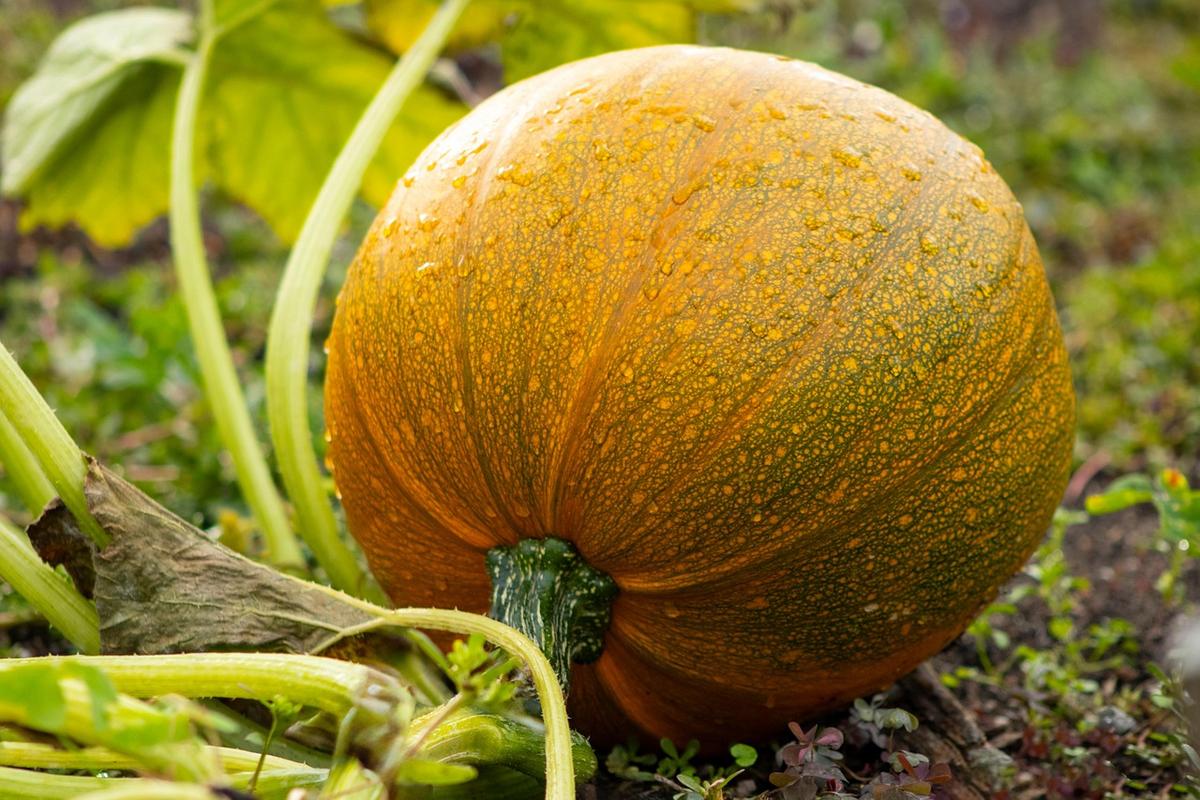
How to Grow Heirloom Squash in Your Garden
Heirloom squashes are varieties that have been grown, saved, and passed down for generations — most introduced before 1951, when commercial hybrids began dominating seed catalogs. They earn their persistent popularity by being genuinely better at things home gardeners care about: stronger flavors, more striking colors, dependable performance, and seed you can save and replant next year (something hybrid varieties don’t allow). Here’s how to grow them — from seed selection through harvest and storage — plus 13 varieties worth a spot in your beds this season.
Why Grow Heirloom Squash
Three reasons heirloom squash earns garden space over modern hybrids:
Flavor. Heirlooms were selected by generations of gardeners for taste at the dinner table. Modern hybrids tend to be selected for traits like uniform shape, longer shelf life, and disease resistance — important commercially, but not always at the kitchen counter. A roasted Lakota or Honeynut squash tastes meaningfully different from a generic grocery-store butternut.
Visual variety. Heirloom squashes come in shapes and colors that modern commercial varieties don’t bother to produce — pink Banana squashes two feet long, warty Galeux d’Eysines, deeply ribbed Cinderella pumpkins, the dramatic Lakota’s mottled crimson-and-green skin. The fall decor potential alone is worth growing them.
Squash cultivation in the Americas dates back over 8,000 years. The varieties below trace their lineage to those first domesticated populations, carrying genetic traits shaped by centuries of seed exchange among Indigenous peoples, farmers, and home gardeners. Growing them is a small way of keeping that genetic diversity alive.
Seed saving. Open-pollinated heirlooms produce seeds that grow true to type next year — meaning a seed packet that costs $3 today can supply your family with squash for the next decade if you’re willing to save and store the seeds annually. Hybrid F1 seed has to be repurchased every year.
Growing Heirloom Squash from Seed to Harvest
Getting Started
Most heirloom squash grows readily from seed sown directly outdoors after the last frost has passed, allowing vines eight to twelve weeks to set fruit. In regions with shorter growing seasons (zones 3–5), choose fast-maturing or bush-type varieties (Honeynut, Red Kuri, Table King) to ensure ripe fruit before the first cool nights arrive.
For an earlier start, sow seeds indoors four to six weeks before the last frost date. Transplant seedlings once soil temperatures reach at least 60°F and no risk of late freeze remains. Direct sowing works perfectly when soil warms fully in late spring — squash are sensitive to cold soil and germinate slowly below 60°F.
Plant seeds 1 inch deep in hills or rows. For vining types, space hills 4–6 feet apart with 3 seeds per hill; thin to the strongest one or two seedlings after they have two sets of true leaves. Bush varieties need 2–3 feet between plants.
Soil and Care Requirements
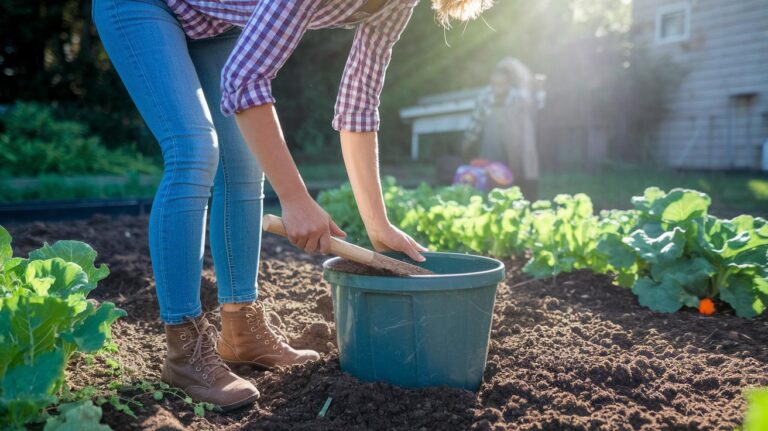
Squash are heavy feeders. Rich, well-drained soil with consistent moisture produces the best yields and the best-tasting fruit. Before planting, work 2–3 inches of compost into the top 6 inches of soil. Side-dress with additional compost or balanced organic fertilizer when vines begin to trail (roughly four weeks after germination).
If your soil is heavy clay or sandy, amend with organic matter to improve structure. For raised beds specifically, see our guide to the best soil for vegetable garden raised beds — the same blend works well for in-ground squash beds.
Soil pH for squash should be between 6.0 and 7.0. Below 5.5, certain nutrients become unavailable; above 7.5, others lock up. A $15 home soil test kit takes 10 minutes — see soil pH testing methods for home gardens for the technique.
Since many squash vines sprawl across 50 square feet or more, consider training certain types (Tromboncino especially) on sturdy wire or wooden trellises to improve air circulation around leaves and fruit, reduce pest pressure, and save bed space. Cradle developing heavy gourds in slings made from old pantyhose or mesh bags to prevent the weight from tearing the vines. Ground-set fruit benefits from a layer of straw mulch to reduce rot and soil contact.
For ongoing feeding through the season, alternative options to commercial fertilizer include compost tea, fish emulsion, and well-aged manure. Our roundup of organic soil amendments for vegetable gardening covers the application rates for each.
Pest and Disease Management
Three pests cause the majority of squash problems: squash vine borer, cucumber beetles, and squash bugs. Each requires a slightly different approach.
- Squash vine borer. Adult moth lays eggs at the base of the stem; larvae bore in and kill the vine from the inside. Prevention: wrap aluminum foil or row cover around the lower 4 inches of each stem at planting. Detection: look for sawdust-like frass at the base of wilting plants. Treatment: slit the stem lengthwise, remove the larva, bury the cut section in moist soil to encourage rerooting. Tromboncino, Seminole, and Green Striped Cushaw are naturally resistant due to thicker stems.
- Cucumber beetles. Small striped or spotted beetles that chew leaves and spread bacterial wilt. Prevention: floating row covers at planting until the plants flower (then remove for pollinator access). Treatment: hand-pick adults in the cool morning, or apply kaolin clay spray as a deterrent.
- Squash bugs. Adults lay clusters of bronze eggs on leaf undersides. Nymphs and adults suck plant juices, weakening the vine. Treatment: crush egg masses by hand, remove adults by morning hand-picking, apply insecticidal soap to nymphs.
Rotate squash to a different bed each year to disrupt overwintering pest populations. Lightweight row covers protect tender seedlings from moths but should be lifted once flowers open to permit essential pollinators.
Powdery mildew and downy mildew often appear as white or yellow patches on leaves during humid weather. Remove affected foliage promptly and improve air circulation around vines to slow spread. Organic sprays combining copper fungicide or sulfur dust help manage outbreaks when applied at first signs of infection. Water at soil level rather than overhead to keep leaves drier.
For weed management between rows without harming the squash, see organic weed control methods for vegetable gardens.
Pollination and Fruit Set
Successful fruit set depends on abundant pollinators visiting your squash blossoms. Squash plants produce separate male and female flowers that open early in the day for only a few hours. Male blooms have straight stems; female blossoms show a small bulge (the developing fruit) at the base.
If pollinator activity is sparse in your garden, transfer pollen manually from stamen to stigma using a soft artist’s brush, early in the morning when the flowers first open. This is the most reliable way to ensure fruit set in low-pollinator yards, and it takes about 10 seconds per flower. Most home gardeners need to hand-pollinate only the first few female flowers of the season; pollinator activity typically picks up as the garden establishes.
Harvesting and Storage
Summer squash (zucchini, Tromboncino, Black Beauty) is best harvested young — 6–8 inches long for zucchini, while still pale green for Tromboncino. Frequent picking encourages continued production.
Winter squash for long-term storage needs different timing. Wait until the rind resists thumbnail pressure (you can’t dent it with a fingernail) and the vine begins to dry back. Use a sharp knife or pruners to cut fruit from the vine, leaving a 2-inch stem stub attached — the stub seals the fruit and dramatically extends storage life.
Cure winter squash in a warm, dry, well-ventilated location at 80–85°F for one to two weeks after harvest. Curing toughens the skin and lets the flesh sweeten. Then store in a cool (50–55°F), dry, well-ventilated space. Most varieties keep for three to six months under proper conditions; some heirlooms (Honeynut, Lakota, Galeux d’Eysines) hold for the full six months.
Saving Seeds for Next Year
Seed saving works best with fully ripe winter squash. After harvesting, cure fruits in a warm, dry spot for two to three weeks beyond normal eating-readiness — this lets the seeds fully mature inside the fruit.
- Slice open mature gourds, scoop out seeds with a spoon, and place in a strainer.
- Rinse under cool water, rubbing gently to remove all pulp and stringy material.
- Spread seeds in a single layer on a tray or screen in a warm, dry, well-ventilated spot. Stir daily.
- After 2 weeks, test for dryness — a seed should snap rather than bend when pressed.
- Store in paper envelopes (not plastic, which traps moisture) in a cool, dark spot. Label with variety and year.
Properly stored squash seeds remain viable for 4–6 years. One important caveat: squash readily cross-pollinate within the same species (Cucurbita pepo varieties cross with each other; C. moschata varieties cross with each other), so seeds from a garden growing multiple varieties of the same species may produce unexpected hybrid fruit next year. To save seeds true to type, grow only one variety per species in a season, or hand-pollinate and bag flowers.
13 Heirloom Squash Varieties Worth Growing
Tromboncino (Zucchino Rampicante)
Vigorous climbing variety with excellent natural resistance to squash vine borer. Thick smooth stems discourage egg-laying and larval feeding. Fruits curve and twist dramatically, often reaching three feet long. Harvest young (pale green) as summer squash, or let mature to tan-skinned winter squash with butternut-like sweetness. Train on fences, arbors, or sturdy trellises for best results.
Honeynut
Developed at Cornell University from butternut and buttercup parents. Compact fruits 4–5 inches long that ripen from mottled green to warm orange-red. Exceptional sweetness and velvety texture. Stores up to six months in cool, dry conditions. Bushy vines suit containers and small spaces, where better air flow reduces mildew.
Green Striped Cushaw
Striking crook-necked gourds with pale skin streaked in dark and light green. Vigorous vines resist squash vine borer naturally. Flesh is mild and medium-textured. Mature gourds reach 18 inches long and 10 inches wide. Thin skin means short storage — eat or process within a month of harvest.
Seminole Pumpkin
Native to Florida, cultivated by Seminole, Creek, Miccosukee, Muscogee, and Calusa tribes. Thrives in hot, humid climates where many squash struggle. Long leafy vines produce 6-inch bell-shaped fruits with firm rinds and rich orange flesh sweeter than typical butternut. Thick stems naturally resist vine borer and powdery mildew. Harvest mature for storage, or pick young as summer squash.
Lakota
Pear-shaped fruits in deep crimson-orange with hand-painted-looking green mottling. Weights 4–8 pounds; smooth nutty orange flesh ideal for baking. Originated from a century of crosses in backyard gardens, later crossed with Hubbard varieties and stabilized at the University of Nebraska for reliable performance through first frost.
Red Kuri
Japanese variety whose name means “chestnut” — references the dense, creamy, chestnut-like flesh and gentle sweet flavor. Melon-orange fruits weighing 3–4 pounds on tidy compact vines. Ideal for small beds and patio containers. Two to five round teardrop-shaped squashes per plant, mature in about 95 days.
Pink Banana
Elongated salmon-pink fruits sometimes reaching two feet long. Bright golden-orange flesh, tender and sugary, with narrow seed cavity that maximizes flesh yield. Each fruit can weigh 10–12 pounds. Originated in Argentina and Uruguay, became an early-American settler favorite, prized for fall displays and sweet baking applications.
Spaghetti Squash
Also called gold string melon. Pre-colonial origin in the U.S. and Mexico. When roasted or boiled, the pale yellow flesh separates into ribbon-like strands — a popular low-carb noodle substitute. Each fruit reaches 8–12 inches long. Neutral flavor pairs with sauces, cheeses, butter and herbs.
Galeux d’Eysines
French heirloom in buff-peach with distinctive wart-like sugar lumps under the skin. Nicknamed the “peanut” pumpkin. Velvety orange flesh with impressively high sugar content. Each round gourd reaches 12 inches across and weighs 10–15 pounds. Excellent in soups, pies, sauces. Stores up to six months.
Table Queen
Introduced in 1913 by the Iowa Seed Company. Set the standard for single-serving acorn squash. Shiny dark-green fruits weighing about 1 pound each. Bright yellow-orange buttery flesh. Compact vines suit smaller plots or raised beds. High sugar content makes them excellent for baking halves with maple syrup or savory stuffing.
Table King
All-America Selections winner in 1974, bred at the University of Connecticut for rapid maturity and compact growth. Vines reach only 4 feet yet produce heavy yields of dark-green acorn squash in about 80 days. Fruits weigh 1–2 pounds with the same sweet fine-textured yellow flesh as traditional acorn varieties.
Delicata
Known as a dessert squash since its 1894 introduction. Among the highest sugar content of any heirloom variety. Fruits 8 inches long and 4 inches wide, with cream-colored skin banded in green and orange. The tender skin becomes edible after cooking, eliminating peeling. Slices roast or sauté quickly. Doesn’t store as long as other varieties — eat in fall or freeze portions for winter.
Rouge Vif d’Étampes (Cinderella Pumpkin)
Classic French variety from 1880s Paris gardens; reputedly inspired the fairy-tale coach design. Flattened ribbed fruits in deep melon-orange weighing 15–20 pounds. Mild sweet flesh works beautifully in pies and purées. Robust rind allows storage well into winter. Standout fall tableside decor.
Black Beauty Zucchini
1920s variety; All-America Selections honors. Dark-green almost-black fruits on compact bushy plants. First harvest in just 50–55 days. Thin skin requires no peeling. Tender creamy interior excels in everything from sautéed zucchini fries to creamy soups.
Bringing Heirloom Squash Into Your Garden
Start with one or two heirloom varieties matched to your growing conditions and what you actually want to cook. For zone 7+ gardens with long warm summers, Lakota, Pink Banana, or Galeux d’Eysines are showstopper winter-storage picks. For zones 3–5, faster-maturing Honeynut, Red Kuri, or Table King reliably produce before the first frost. For wet-and-humid Gulf Coast or Southeast yards, Seminole and Green Striped Cushaw handle conditions that defeat most other varieties.
Expand your varieties as you gain experience, save the seeds from your best-performing plants each season, and you’ll build up a personal collection of heirloom genetics that produces dependable harvests every year — at essentially zero ongoing seed cost. The first season is the investment; every season after is the return.
Common Questions About Heirloom Squash
What is heirloom squash?
Heirloom squash varieties are open-pollinated cultivars typically introduced before 1951, when commercial hybrids began dominating seed catalogs. They produce seeds that grow true to type when replanted, allowing gardeners to save seed year after year. Heirlooms are typically selected for flavor, visual variety, and dependable performance rather than the uniformity prized by commercial growers.
When should I plant heirloom squash seeds?
Direct-sow heirloom squash outdoors after all frost danger has passed and soil temperatures reach 60°F. In most of the country that’s mid-May to early June. For an earlier start, sow seeds indoors 4–6 weeks before your last frost date. Choose fast-maturing or bush-type varieties (Honeynut, Red Kuri, Table King) in short-season climates.
What is the best heirloom squash for beginners?
Black Beauty zucchini (50–55 day maturity, compact bushy plants, dependable yields), Honeynut (excellent flavor, six-month storage, compact vines), and Table Queen acorn (single-serving size, suits small spaces) are the easiest starter varieties. Tromboncino is the easiest for climates with heavy squash-vine-borer pressure.
How do I prevent squash vine borer?
Wrap aluminum foil or row cover around the lower 4 inches of each squash stem at planting to prevent moths from laying eggs at the base. Choose naturally resistant varieties like Tromboncino, Seminole, or Green Striped Cushaw. If an infestation appears (sawdust-like frass at the stem base, wilting vines), slit the stem lengthwise, remove the larva, and bury the cut section in moist soil to encourage rerooting.
How long does heirloom squash store?
Winter squash storage life ranges from one month (thin-skinned varieties like Green Striped Cushaw) to six months (Lakota, Honeynut, Galeux d’Eysines). For best storage, cure fruits at 80–85°F for 1–2 weeks after harvest, then store in cool (50–55°F), dry, well-ventilated conditions. Always leave a 2-inch stem stub attached when harvesting — the stub seals the fruit and dramatically extends storage.
Can I save seeds from heirloom squash?
Yes — that’s a key advantage of heirloom over hybrid varieties. Let the fruit fully ripen, then cure for 2–3 weeks past normal eating-readiness. Scoop out seeds, rinse thoroughly to remove pulp, dry on a screen for 2 weeks, and store in paper envelopes in a cool dry spot. Properly stored seeds remain viable for 4–6 years. Note that squash readily cross-pollinate within the same species, so saved seeds may produce hybrid fruit if you grew multiple varieties together.
Do squash plants need to be hand-pollinated?
Most squash plants are pollinated by bees and other insects without intervention. If pollinator activity is sparse in your garden (urban yards, gardens with heavy pesticide neighbors), hand-pollinate using a soft artist’s brush early in the morning when flowers first open. Transfer pollen from male flowers (straight stems) to female flowers (small bulge at the base).
How much space does heirloom squash need?
Vining varieties like Pink Banana, Lakota, and Tromboncino need 4–6 feet between hills and may sprawl across 50 square feet or more. Bush varieties like Honeynut, Red Kuri, Table King, and Black Beauty zucchini need 2–3 feet between plants. Train vining types on sturdy trellises to save bed space and improve air circulation.