How to Start a Fall Garden in Your USDA Zone
Most home vegetable gardens peak in July and August and quietly wind down by September — but they don’t have to. A well-planned fall garden extends harvests from October through November in most of the country, and through December and January in milder zones. The trick is starting now, mid-to-late summer, while the rest of the garden is still in peak production. Cool-season crops germinate in warm soil, establish their root systems before frost, and reward patience with crisp greens, sweet carrots, and tender broccoli that simply doesn’t grow well in summer heat. Here’s how to time the planting by USDA zone, what to grow, and how to keep the garden producing into the colder months.
Why Start a Fall Garden Now
Fall is the second-best growing season of the year in most U.S. climates — and arguably the better season for certain crops. Cool-season vegetables that struggle in summer heat (lettuce, spinach, cilantro, peas) flourish in fall’s mild days and chilly nights. Brassicas (broccoli, cauliflower, cabbage, Brussels sprouts) develop deeper flavor as temperatures drop. Root vegetables sweeten when light frosts hit them. The fall garden delivers crops that often beat the same plant grown in spring.
The challenge is timing. Fall crops need to reach maturity before the first hard frost kills them. That means sowing earlier than feels natural — often in July or August, when summer crops are still producing and the sun is still strong. Most home gardeners miss the fall window simply because they’re focused on harvesting summer tomatoes and don’t plant the cool-season seeds in time.
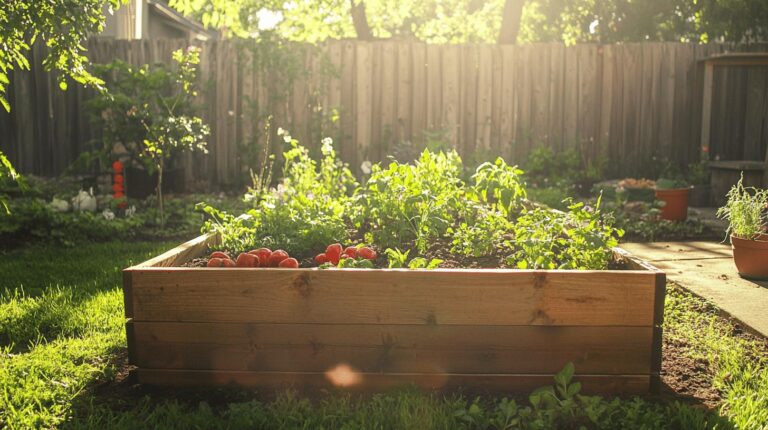
Before you start, make sure your soil is ready. A summer of growing depletes nutrients quickly; fall seedlings benefit from a fresh top-dressing of compost or organic fertilizer. For raised beds specifically, our guide to the best soil for vegetable garden raised beds covers what to refresh and how thick to apply it.
The Math: Counting Backward From First Frost
The single calculation that drives all fall planting timing:
Sowing date = First frost date − Days to maturity − Buffer week
Each variable, explained:
- First frost date. The expected date your area first hits 32°F overnight. Look it up by zip code on the USDA hardiness zone tools, your state’s extension service, or any gardening app. Use the conservative (earliest) end of the predicted range for planning. Common dates: Zone 3 (Sep 10), Zone 5 (Oct 1), Zone 7 (Oct 25), Zone 9 (Dec 1+, often frost-free).
- Days to maturity. The figure on the seed packet — how many days from sowing to harvest under ideal conditions. Spinach: 35–45. Lettuce: 40–60. Broccoli: 60–80. Kale: 55–75. Beets: 50–60. Carrots: 60–80. Read the back of the packet for the variety you have.
- Buffer week. Subtract 7–10 extra days from your calculation to account for slower fall growth (shorter days, cooler nights), unexpected heat waves that stunt germination, or storm delays.
Worked example: you live in Zone 6 with a first frost around October 15. You want to grow a broccoli variety with 65 days to maturity. Sowing date = October 15 − 65 days − 7 days = July 5. Start indoors or direct-sow on July 5.
Two practical adjustments to this math: (1) some fall crops actually benefit from light frost and can mature through cold weather (kale, Brussels sprouts, spinach), so you have flexibility on those; (2) fast-maturing baby greens (lettuce, arugula, spinach at 25–30 days for baby leaves) can be sown right up until 30 days before frost, multiplying your planting windows.
Zone-by-Zone Sowing Calendar
Sowing dates by USDA zone, assuming you want to grow standard cool-season vegetables (brassicas, lettuce, spinach, carrots, beets) before first frost.
Zones 1–2 (Frost as early as late August)
Tight window. Sow fast-maturing crops in early-to-mid June. Best picks: 30-day baby leaf greens (kale, spinach, mustard), winter radishes, hardy native flowers for natural overwintering. Use row covers from August onward. Consider a cold frame to extend the season into October.
Zone 3 (First frost early September)
Sow indoors mid-June; transplant outside by early July. Direct-sow lettuce, spinach, and kale through mid-July. Start brassicas (broccoli, cabbage, bok choy) indoors by mid-June for July transplant. Harden off all seedlings for 7 days in partial shade before garden planting. Light frost cloth in late August extends the harvest by 2–3 weeks.
Zone 4 (First frost late September to early October)
Sow brassicas and slower-maturing crops by early July. Lettuce, spinach, kale, and Swiss chard can go in through late July. Beets, turnips, and other 60-day root crops by early July. Apply a balanced organic fertilizer after seedlings emerge. Plan to cover beds with frost cloth in late September.
Zone 5 (First frost mid-October)
Start broccoli, cauliflower, cabbage, and chard indoors by mid-July. Transplant in late August when soil temperatures dip into the 60s. Direct-sow lettuce and spinach by mid-August for baby greens within 3–4 weeks. Frost cloth in October pushes harvest into November.
Zone 6 (First frost mid-to-late October)
Direct-sow beets, cabbage, cauliflower, chard, collards, fennel, radicchio, and turnips in early-to-mid July. Start bok choy, broccoli, carrots, and kale in trays by early August. Direct-sow lettuce and spinach in mid-August. Provide afternoon shade or temporary shade cloth during August heat waves.
Zone 7 (First frost late October to mid-November)
Push cool-season crops into early November. Start brassicas and leafy greens indoors in July, transplant outside by late August. Sow root crops directly in mid-to-late summer. Filtered shade during August heat waves prevents wilting. A compost tea side-dressing after transplanting boosts steady growth as days shorten.
Zone 8 (First frost November to early December)
High summer heat slows or prevents germination of cool-season crops in July. Start seeds indoors or under shade cloth from early August through early September. Direct-sow less-heat-sensitive lettuce, spinach, and bok choy by early October once soil temperatures dip below 75°F. Mulch newly seeded areas with straw to regulate moisture and insulate seeds from late-summer heat spikes.
Zones 9–10 (Frost-free or light frost only)
Mild winters allow growing through December and beyond. Start cool-season varieties from mid-August through October. Sow cold-tolerant greens, brassicas, and legumes for harvests through the winter. Lettuce, spinach, and Asian greens germinate in temperatures as low as 55°F, making winter growing both practical and productive in these zones.
Indoor Seed Starting vs. Direct Sowing
Two main approaches to getting seeds into the ground for a fall garden, each with situations where it works best:
Indoor seed starting gives you control over temperature, moisture, and light during germination — important when outdoor conditions in July and August are too hot for cool-season crops to germinate reliably. Set up: seed trays with well-draining mix, a bright windowsill or grow light, and a heat mat for warm-loving crops. Cover trays with a clear dome until seedlings emerge, then remove the dome for air circulation. Hold temperatures at 65–75°F.
Best for: broccoli, cauliflower, cabbage, Brussels sprouts, and other brassicas that need consistent moisture and moderate temperatures to germinate. Also good for slow-germinating crops where outdoor protection from rain and heat is needed.
Direct sowing works once soil temperatures drop below 85°F and stays reliably above 60°F at night. Mark rows with stakes, cover seeds at the depth specified on the packet, and keep beds evenly moist with light daily misting until true leaves appear. Mulch with straw or shredded leaves to slow evaporation.
Best for: root crops (carrots, parsnips, beets, turnips) where transplanting disturbs the taproot and stunts growth. Also works well for fast-germinating leafy crops like lettuce, spinach, and radishes in beds that are sheltered from intense afternoon sun.
Hybrid approach: use biodegradable peat or coir pots for crops you want to start indoors but can’t transplant cleanly. Plant the whole pot into the garden and the container biodegrades around the roots. Works especially well for direct-sowing alternatives to carrots and parsnips when you need an early start.
Best Vegetables and Flowers for Fall
Leafy greens (fastest, easiest):
- Spinach — 35–45 days; thrives in cool weather, can survive light frost.
- Kale — 55–75 days; gets sweeter after frost. Lacinato, Red Russian, and Curly are reliable picks.
- Lettuce — 40–60 days; loose-leaf varieties (Black Seeded Simpson, Buttercrunch) baby-leaf-ready in 25–30 days.
- Swiss chard — 50–60 days; tolerates light frost; harvest individual leaves repeatedly.
- Arugula — 30–40 days; spicy peppery flavor improves with cool weather.
- Mustard greens — 30–50 days; tolerate cold better than most greens.
Brassicas (best fall family of crops):
- Broccoli — 60–80 days; sweeter and less likely to bolt in fall than spring.
- Cabbage — 65–85 days; stores well in cool fall conditions.
- Cauliflower — 65–85 days; needs steady moisture and cool nights.
- Brussels sprouts — 90–110 days; need long fall window; sweeter after frost.
- Bok choy — 45–60 days; fast and forgiving.
- Kohlrabi — 50–60 days; underrated fall crop; tastes like a sweet turnip.
Root vegetables (direct-sow only):
- Carrots — 60–80 days; sweeten dramatically after light frost.
- Beets — 50–60 days; both roots and greens edible.
- Turnips — 50–60 days; fast and tolerant of poor soil.
- Radishes — 25–35 days for spring varieties; 50–60 days for winter daikon types.
- Parsnips — 100+ days; long season but completely frost-hardy; harvest into winter.
Frost-tolerant flowers (for cutting and color):
- Calendula — fast, edible petals, blooms through light frost.
- Pansies and violas — fall garden staples; bloom into winter in mild climates.
- Snapdragons — tolerate light frost; extend bloom into October.
- Ornamental kale and cabbage — peak color after cold snaps.
Two approaches to feeding fall crops: side-dress with compost at transplant time, then apply a balanced organic fertilizer once seedlings establish. For specific amendment recommendations, see our guide to organic soil amendments for vegetable gardening.
Cover Crops for Empty Beds
If you don’t want to grow more food crops in fall, planting a cover crop in empty beds is the next-best use of garden space. Cover crops protect soil from erosion, suppress weeds, fix nitrogen for next year, and improve soil structure as they decompose.
Best cover crops by goal:
- Crimson clover — fixes nitrogen; produces beautiful red flowers in spring; easy to till under.
- Hairy vetch — fixes nitrogen; tolerates cold winters in Zones 4+; produces purple flowers.
- Winter rye — fast-growing, deep-rooted; loosens compacted soil; reliable in cold climates.
- Oats — winter-kills in Zone 5 and colder, leaving easy-to-work-in residue.
- Fava beans / bell beans — fix nitrogen; edible if harvested young.
- Buckwheat — fast germinating; works in shoulder-season slots between summer and fall plantings.
Sow cover crops a month or two before the first heavy frost. Let them reach full size, then in spring, cut and fold green matter into the soil 2–3 weeks before planting your next crop. The decomposing organic matter feeds soil microbes and releases nutrients to your next crop. For detailed sowing rates and timing by raised bed dimensions, see our walkthrough of cover crops for raised beds.
Building Your Fall Garden Plan
The whole fall planning process comes down to four steps:
- Look up your first frost date based on zip code.
- Pick 3–6 crops you want to grow, matched to what you actually cook with.
- Calculate the sowing date for each (first frost − days to maturity − 7 day buffer).
- Block your calendar with those sowing dates and order seeds before then.
That’s the whole strategy. Most fall garden failures aren’t from bad weather or bad luck — they’re from missing the sowing window by a few weeks because summer felt like it wasn’t ending. Calendared sowing dates fix that.
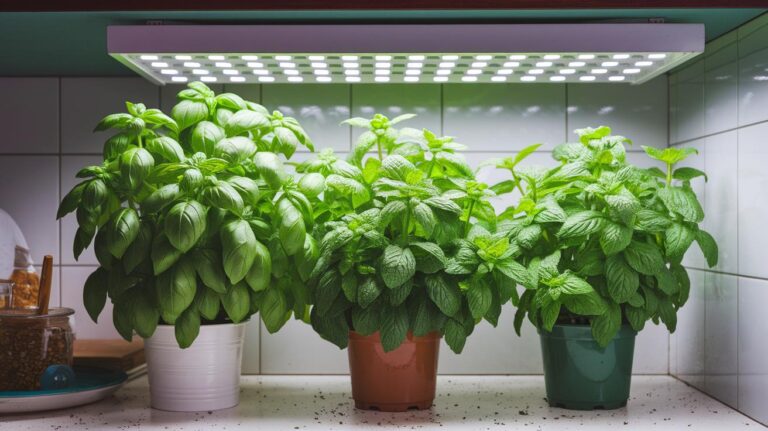
Once the fall garden is producing, you can extend the growing season further indoors. Cool-season herbs like parsley, chives, and cilantro grow easily on a sunny windowsill through winter — see our guide to how to grow fresh herbs indoors all winter for the setup.
Common Questions About Fall Gardening
When should I start a fall garden?
Calculate your sowing date by working backward from your area’s first frost date. Subtract the crop’s days to maturity (on the seed packet) plus a 7–10 day buffer. Most fall vegetable crops need to be sown in July through August for harvest before October frost in Zones 4–7; September sowings work for warmer zones 8–10.
What vegetables grow best in fall?
Cool-season crops that thrive in fall include leafy greens (spinach, kale, lettuce, Swiss chard, arugula), brassicas (broccoli, cabbage, cauliflower, Brussels sprouts, bok choy), and root vegetables (carrots, beets, turnips, radishes, parsnips). Most actually taste better when grown for fall harvest than spring.
How do I find my first frost date?
Look up your zip code on the USDA hardiness zone tool, your state’s agricultural extension service, or a gardening app like Almanac.com or The Old Farmer’s Almanac. Use the earlier (conservative) end of the predicted date range for fall planning. Common first frost dates: Zone 3 (early September), Zone 5 (October 1), Zone 7 (late October), Zone 9 (frost-free or December).
Should I start fall seeds indoors or direct sow?
Start brassicas (broccoli, cauliflower, cabbage, Brussels sprouts) indoors so they germinate in moderate temperatures rather than midsummer heat. Direct-sow root crops (carrots, beets, turnips, parsnips) because transplanting disturbs the taproot. Lettuce, spinach, and arugula work either way — direct-sow once soil temperatures drop below 85°F.
Can I use cover crops if I don’t want to grow fall vegetables?
Yes. Cover crops like crimson clover, hairy vetch, winter rye, oats, fava beans, and buckwheat protect soil from erosion, suppress weeds, fix nitrogen, and improve soil structure. Sow 4–8 weeks before first frost; let them grow through winter, then cut and till under 2–3 weeks before spring planting.
How do I protect fall seedlings from late-summer heat?
Provide shade cloth (30–50% shade rating) over freshly sown beds during August heat waves. Start seeds indoors on a bright windowsill or under grow lights to control temperature. Use mulch around seedlings to keep soil temperatures stable. Water lightly twice daily in extreme heat rather than once heavily — frequent light misting prevents the soil crusting that stops germinating seeds.
What flowers can I plant for fall color?
Frost-tolerant fall flowers include calendula (also edible), pansies and violas, snapdragons, ornamental kale and cabbage, and chrysanthemums. Calendula and pansies bloom through light frost and into winter in mild climates. Ornamental kale gets more vivid as temperatures drop.
How late can I plant a fall garden?
The latest practical sowing date depends on what you want to harvest. Baby-leaf greens (lettuce, arugula, spinach at 25–30 days) can be sown up to 30 days before frost. Fast brassicas like bok choy (45–60 days) need to go in 8–10 weeks before frost. After that point, focus on cover crops or use a cold frame or hoop house to extend the growing season.