Three-Season Garden Design from Spring to Fall
Three-season garden design is one of the most satisfying challenges in home gardening. Rather than a garden that explodes in May and goes dormant by August, a well-planned three-season garden keeps color and structure moving from early spring through late fall. The key lies in choosing the right plants for each window, arranging them so that the baton passes cleanly between seasons, and staying on top of a few simple maintenance tasks.
This guide walks through all of it — from plant selection by season to layout strategy to the seasonal chores that keep everything thriving.
Why Three-Season Garden Design Works
A single-season planting is easy but wasteful. You spend money, time, and energy on a garden that looks great for six weeks and then fades into a tangle of brown stems. Three-season design solves that problem by layering plants with staggered bloom times so something is always contributing color, texture, or fragrance.
It also makes the outdoor space more usable. A garden that looks tired by July gives you no reason to linger outside. One that carries interest through October invites you out for morning coffee in September and makes the view from a window worth appreciating even as the weather cools.
The approach doesn’t require rare plants or professional expertise. It asks for deliberate planning — knowing what blooms when, how tall each plant gets, and how its foliage or seed heads look after the flowers fade.
Spring Plants That Set the Tone Early
Spring is the most forgiving time to make an impression. Gardeners cooped up all winter are delighted by almost anything that blooms, which means even modest plantings read as lush. That said, choosing well makes the transition into summer seamless rather than jarring.
Bulbs are the most reliable spring openers. Daffodils and hyacinths push through frozen soil and bloom before most gardeners have even thought about the growing season. Plant them in fall at a depth of roughly two to three times their diameter and they’ll return year after year with minimal effort. Position them toward the middle or back of a border so the dying foliage is hidden by emerging summer plants.
Hellebores extend the spring season with blooms that last for weeks and foliage that stays handsome all year. They prefer part shade, making them ideal under deciduous trees where they get winter sun and summer shade. Pair them with primroses for color variety in cooler spots.
Early perennials like bleeding heart and pulmonaria bloom in mid-spring and go dormant or recede as temperatures rise — a natural handoff to summer performers. Plan for this transition by placing summer plants adjacent to them so the gap is filled without showing.
Summer Plants That Handle the Heat
Summer is the longest season in the garden calendar, and it demands plants that are genuinely heat-tolerant — not just decorative in catalog photos. Choose plants that perform from late June through early September, not just the few weeks around the Fourth of July.
Zinnias and sunflowers are the workhorses of the summer annual bed. Both thrive in full sun, tolerate dry spells once established, and produce continuous color when deadheaded regularly. Zinnias in particular come in a range from petite pompoms to dinner-plate blooms and cover an enormous color range.
Lavender adds fragrance, texture, and pollinator traffic. It blooms in early to midsummer and holds its silvery foliage and dried flower spikes through fall, making it a three-season contributor in its own right. Plant it in well-drained soil — it fails quickly in heavy clay.
Coneflowers (Echinacea) bloom from midsummer into fall and attract butterflies and goldfinches to the garden. After the petals drop, the seed heads provide food for birds through winter and look architecturally interesting under frost. They’re among the most reliable perennials for three-season continuity.
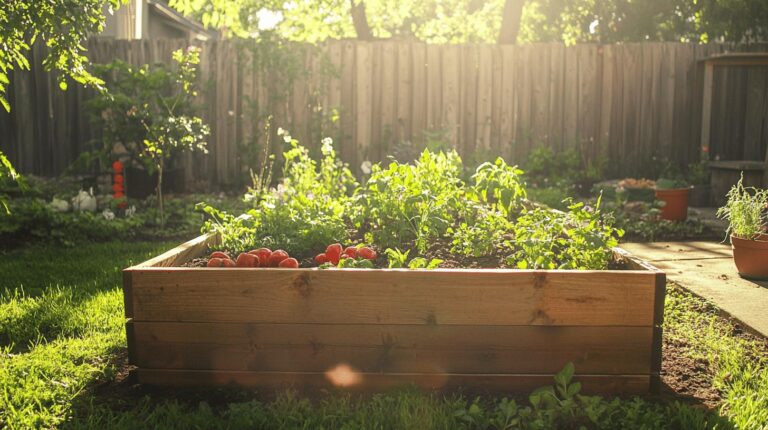
If you’re working with a raised bed, reviewing a 4×8 raised garden bed planting layout can help you fit summer performers into a compact, organized footprint.
Fall Plants That Carry Color Into October
Fall is where many gardens falter. The summer plants are spent, the first frosts are coming, and the garden can look defeated before the season is technically over. The right fall selections prevent that collapse and often produce some of the most dramatic color of the year.
Chrysanthemums are the most familiar fall option, and for good reason. They come in shades from pale gold to deep burgundy and bloom reliably through the first light frosts. Plant them in spring so they develop strong root systems — mums transplanted in September from a garden center often fail to overwinter.
Asters are similarly autumn-blooming but have a more naturalistic appearance than mums. They work well at the edge of a border or tucked between ornamental grasses for a meadow effect.
Ornamental grasses are arguably the most valuable fall and winter plant category. They don’t bloom in the traditional sense, but their seed heads and movement in wind provide interest that outlasts any flower. Varieties like ‘Karl Foerster’ feather reed grass or ‘Shenandoah’ switchgrass peak in late summer and hold structure well into winter, forming a skeleton that gives the garden dignity even after frost.
Sedums (now often classified as Hylotelephium) provide flat-topped flower clusters in dusty pink and burgundy that age beautifully through fall. Their fleshy foliage is attractive from spring onward, making them genuine three-season contributors.
Layout Principles for Continuous Color
Plant selection matters, but so does how you arrange those plants in the bed. A few layout principles make the difference between a garden that has seasonal gaps and one that flows.
Layer by height. Place taller plants toward the back of a border (or center of an island bed) and shorter ones at the edges. This ensures every plant is visible and that early-spring bulbs poking up in front aren’t blocked by summer giants.
Stagger bloom times front-to-back. If one section of the front edge is blooming in spring, plan an adjacent section to peak in summer, and another in fall. This way the border always has something at eye level.
Use foliage as connective tissue. Plants with attractive leaves — hostas, ornamental grasses, heucheras — provide visual continuity between blooming periods. They prevent the garden from looking bare when one wave of flowers ends before the next begins.
Allow for fall foliage. Many deciduous shrubs and trees change color in fall, effectively becoming seasonal features. A small serviceberry or a ‘Diabolo’ ninebark can provide structure in spring and summer plus a burst of fall color without any extra work. For inspiration on how to use a fence line as vertical planting space, see our guide to backyard fence line gardening.
Seasonal Maintenance Tasks by Month
The best plant palette in the world underperforms without timely maintenance. The good news is that a three-season garden doesn’t require daily attention — it requires doing the right things at the right time.
Spring tasks: Cut back ornamental grasses before new growth emerges (typically March in most temperate zones). Divide overcrowded perennials every two to three years in early spring to keep clumps vigorous. Prepare beds by turning the top few inches of soil and incorporating compost. A thorough garden maintenance guide can help beginners sequence these tasks in the right order.
Summer tasks: Water deeply but infrequently — shallow watering encourages shallow roots. Deadhead annuals and many perennials weekly to extend bloom time. Watch for pest pressure; early intervention prevents the need for heavy treatments later. Stake tall plants like delphiniums or tall sunflowers before they flop.
Fall tasks: Add two to three inches of mulch around perennials to insulate roots against freeze-thaw cycles. Cut back spent annuals and diseased foliage, but leave ornamental grass and seed heads standing for winter bird habitat and visual interest. Collect fallen leaves for the compost pile rather than sending them to landfill.
Winter tasks: Clean and oil tools before storage. Order seed catalogs and plan any changes for the following year. Check on bulbs stored indoors if you overwinter tender varieties.
Common Pitfalls to Avoid
A handful of mistakes show up in nearly every three-season garden that doesn’t quite work. Knowing them in advance saves a season or two of trial and error.
Buying everything in spring. Nurseries are packed with what’s in bloom right now. If you only shop in May, you’ll end up with a garden full of spring bloomers and nothing for July or October. Plan two or three shopping trips spaced across the season so you can see what’s actually blooming at each time.
Ignoring foliage as design. Many gardeners focus exclusively on flowers and treat leaves as background. A garden built around interesting foliage — silver lamb’s ear, blue-grey hostas, chartreuse heucheras, variegated grasses — looks deliberate even when nothing is in bloom. Foliage carries the garden through the inevitable transition weeks between bloom waves.
Cutting back too aggressively in fall. The instinct to “clean up” the garden in October strips it of structure for five months. Leave seed heads on coneflowers, sedums, and ornamental grasses standing through winter. They feed birds, catch snow attractively, and signal the garden’s return in spring.
Overcrowding new beds. Most perennials look small the first year and triple in size by year three. Plant at the spacing recommended on the tag, even though the new bed will look sparse. Filling the gaps with annuals for the first two years is cheaper than dividing crowded perennials in year three.
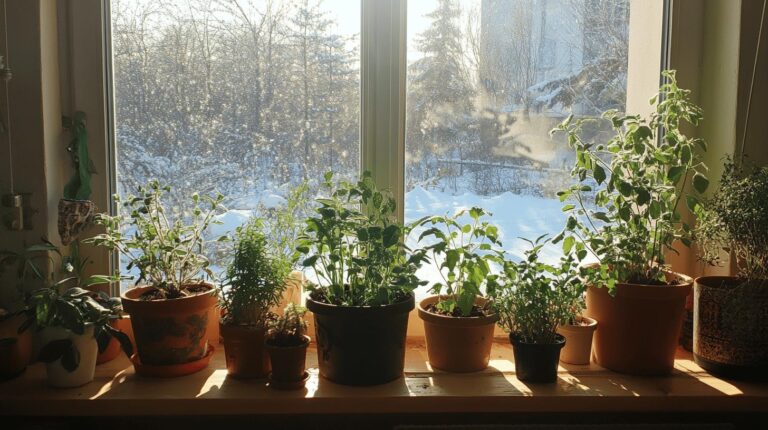
Forgetting about the view from inside. Most of the year, you’ll see your garden through a window more often than from a chair on the patio. Position taller, structural plants where they’re visible from the rooms you use most — kitchen window, home office, living room couch — not just from the front walk.
Resources for Three-Season Garden Planning
One of the most effective planning tools is a simple bloom-time journal. Note which plants are flowering each week throughout the season. After one or two years you’ll have a precise record of gaps and overlaps in your own garden — far more useful than any generalized chart.
Beyond personal records, several resources are worth keeping bookmarked:
- Local cooperative extension websites publish planting calendars specific to your USDA hardiness zone, which are more accurate than national guides.
- Plant databases like the Missouri Botanical Garden’s PlantFinder let you filter by bloom time, mature height, sun requirements, and zone.
- Community gardens and arboretums in your area often label their plants. Walking through in each season is free and gives you a real-world preview of how plants look and behave.
If you want to complement your garden with a comfortable place to sit and enjoy it, our guide on creating a tranquil space in your yard covers seating, shade, and ambiance ideas that pair with any planting scheme.
One last point worth emphasizing: a three-season garden gets better every year. The first season, your bulbs and annuals carry most of the visual weight. The second season, perennials begin to fill out and the layout starts to read clearly. By the third or fourth year, the plants you chose carefully are reaching their mature size, the bloom calendar is genuinely continuous, and the garden looks intentional rather than aspirational. The patience is the hardest part of the project — every other step is just gardening. Start with a solid plan, plant in the right season, water through establishment, and let time do most of the work.
If a particular plant doesn’t perform in its first season, give it one more year before you replace it. Many perennials take a full year to root deeply and don’t bloom heavily until year two. The fastest way to a mature-looking garden is to stop second-guessing the first one, which is also the cheapest. Replacement plants are expensive; patience is free.
The reward for the patience is a garden where every walk outside reveals something new. In spring it’s the first crocus or the unfurling of bleeding heart. In summer it’s lavender humming with bees. In fall it’s grass plumes catching low sun. By the time most yards have gone dormant, yours is still in conversation.
Three-Season Garden Design FAQ
How do I plan a three-season garden from scratch?
Map the space and note sun exposure, soil type, and any existing plants you want to keep. Select one or two anchor plants per season — reliable performers that will define the look. Fill around them with supporting plants and foliage interest. Resist the urge to overcrowd; most perennials spread over two to three years and need room to develop.
What is the rule of three in landscaping?
The rule of three suggests grouping plants in odd numbers — three, five, or seven — rather than in pairs or even rows. Odd groupings look more natural and are harder for the eye to count, which makes a planting feel lush and intentional rather than rigid. It applies to both the number of plants in a cluster and the number of plant varieties you repeat throughout the bed.
Can any plant bloom all year in a three-season garden?
No single plant blooms continuously all year, and a three-season garden doesn’t require that. The goal is overlap: when spring bulb foliage is dying back, summer perennials are emerging to fill that space. When summer annuals are cut back in September, fall asters and grasses are reaching their peak. Careful sequencing creates the impression of a garden that is always full.
Which plants work best for a three-season garden in Zone 6?
Zone 6 covers much of the mid-Atlantic and Midwest. Good performers by season: spring — daffodils, tulips, hellebores; summer — black-eyed Susans, coneflowers, lavender, zinnias; fall — asters, chrysanthemums, ‘Karl Foerster’ grass, sedum ‘Autumn Joy.’ All are cold-hardy in Zone 6 and widely available at regional nurseries.
How do perennials contribute to a three-season garden?
Perennials return each year, which reduces replanting cost and effort. More importantly, they develop progressively larger clumps and root systems over time, which improves their vigor and visual impact. A well-selected perennial palette can carry most of the structure in a three-season garden, with annuals filling in for extended color.
How do I prevent my garden from looking bare between seasons?
Use plants with attractive foliage that looks good even when not blooming (hostas, ornamental grasses, heucheras); leave seed heads on perennials like coneflowers and sedums rather than cutting everything back in fall; and plant a few evergreen or semi-evergreen perennials like hellebores or creeping phlox that hold structure through winter.