Educational Backyard Scavenger Hunt Activities Are Awesome
Ever look at your yard and see nothing but grass and a few weeds?
What if every leaf and pebble turned into a tiny lab experiment just for you?
You’d spark big science fun right under the open sky.
And backyard scavenger hunts make that happen.
You roam around, spot a mossy log, feel the cool green fuzz, then count the circles on its stump.
It’s like your own fresh-air classroom bursting with discoveries.
They’re perfect for homeschool (learning at home) days.
Or rainy afternoons when screens feel blah.
Even weekend family time gets a science boost.
Turn a mossy log into your research station.
Smooth stones become counting tools, you know?
These simple activities grow curiosity and science smarts way faster than any desk quiz.
Oops, I meant faster than any boring quiz.
Wow.
Overview of Educational Backyard Scavenger Hunt Activities
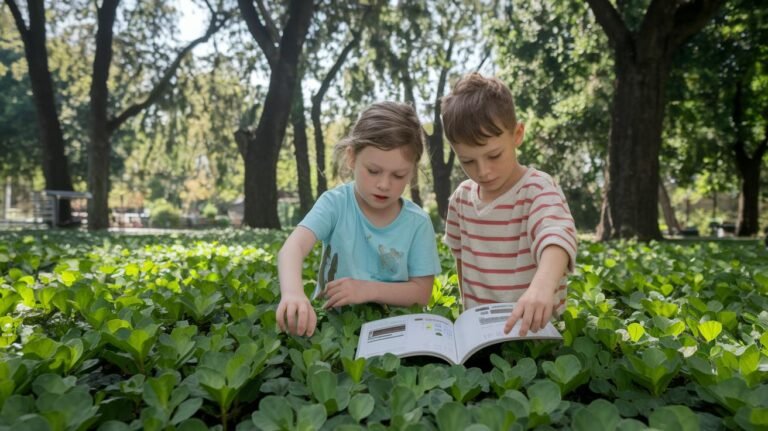
Scavenger hunts in your backyard mix play with learning. They turn your yard into a classroom under the sky. Perfect for homeschool (learning at home) projects, family fun days, or extra credit in class. Instead of sitting at a desk, kids get fresh air and hands-on fun. Have you ever sent little ones hunting for three kinds of leaves or asking them to count smooth stones?
These activities work for all ages. Preschoolers practice color matching by finding red petals or green leaves. Older kids can measure twig lengths (a tiny branch). Oops, I meant tiny branch lengths. They might also spot insects that pollinate flowers (pollinate means move pollen to help plants make seeds). Printable templates make setup a breeze, whether you’re a parent or a teacher.
Most scavenger lists use natural items like leaves, rocks, bugs (insect), and flowers. Prompts nudge kids to look, touch, and wonder. For example: “Find a leaf with three veins.” Or “Notice the rough texture of bark.” Those little questions help kids slow down, use their senses, and ask, “Why is this so bumpy?”
Plus, it gets youngsters moving. They’ll bend, stretch, peek under logs, or tiptoe near bushes. While they explore, they’re growing science smarts and a love for the natural world. By the way, my cat naps on our garden bench, she’s part of the crew.
Need ideas? Here’s a quick peek at some fun themes:
- STEM-focused hunts: build shapes, measure items, and count.
- Literacy and math hunts: match letters, solve number clues.
- Seasonal and sensory hunts: find crunchy fall leaves or sniff fresh herbs.
- Printable clue-based hunts: ready-made sheets that guide the way.
Quick Themes at a Glance
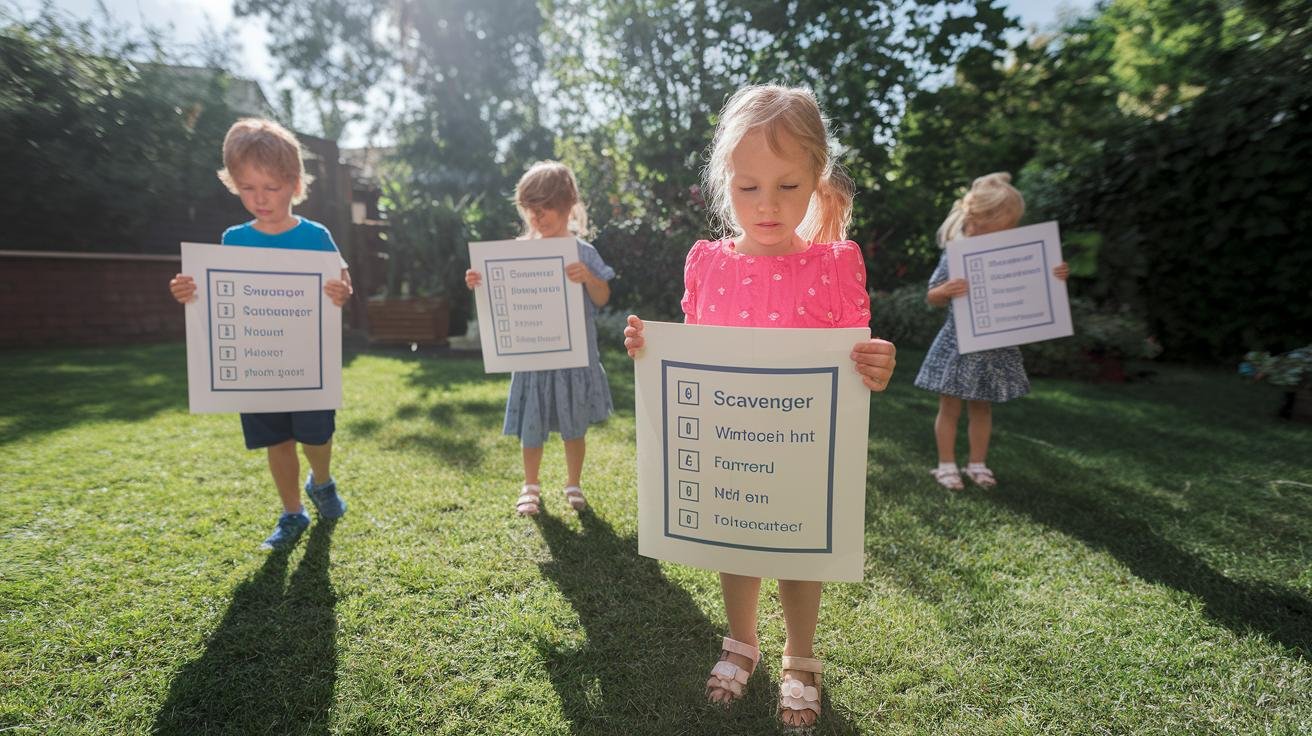
Take a peek at the themes listed above. Each one will spark your curiosity, get you moving, and help you soak up the fresh air.
Curriculum-Aligned STEM and Science Backyard Hunts
Science scavenger hunts bring the scientific method (a way to ask questions and test ideas) straight into your yard. It’s like turning your backyard into a mini lab. You and your kids will have a blast exploring nature and learning at the same time.
For a weather observation hunt, ask them to spot cloud shapes, feel the breeze on their skin, and track raindrops when they fall. Have them record how much rain landed in a jar and guess what tomorrow’s forecast will be. Fun, right?
Next up: soil sampling. Let the kids scoop small handfuls of soil, rub it in their fingers to see if it’s gritty or smooth, and test pH (a measure of acidity) with simple strips. They’ll feel the earth crumble and learn what makes good garden dirt.
Water testing scavenger hunts send little researchers off to puddles or the birdbath. They note if the water looks clear, measure its temperature with a thermometer, and ask, why is shaded water cooler?
STEM challenges weave in math and engineering too. Give them rulers or tape measures to record twig lengths, rock diameters, or leaf widths. Oops, almost forgot, remind them to think about units like inches or centimeters. It’s great practice and you’ll hear them debating the numbers.
For rock identification, have them compare shapes, colors, and grain sizes against a simple chart. Then send pairs to peek under logs or behind garden stones to list tiny critters and sketch their homes on graph paper. It’s a microhabitat quest!
Gathering data is part of the fun. Hand out printable sheets so they can jot numbers, tick off boxes, or draw bar graphs of insect counts. Watching patterns pop up, like longer twigs hiding under shady trees, makes science feel like solving a mystery.
These backyard missions line up with what kids learn in class, observation, measurement, analysis, all under the sun. By the way, I once found a salamander tucked beneath a damp rock. Surprise science moment!
Literacy and Math Backyard Scavenger Hunt Challenges
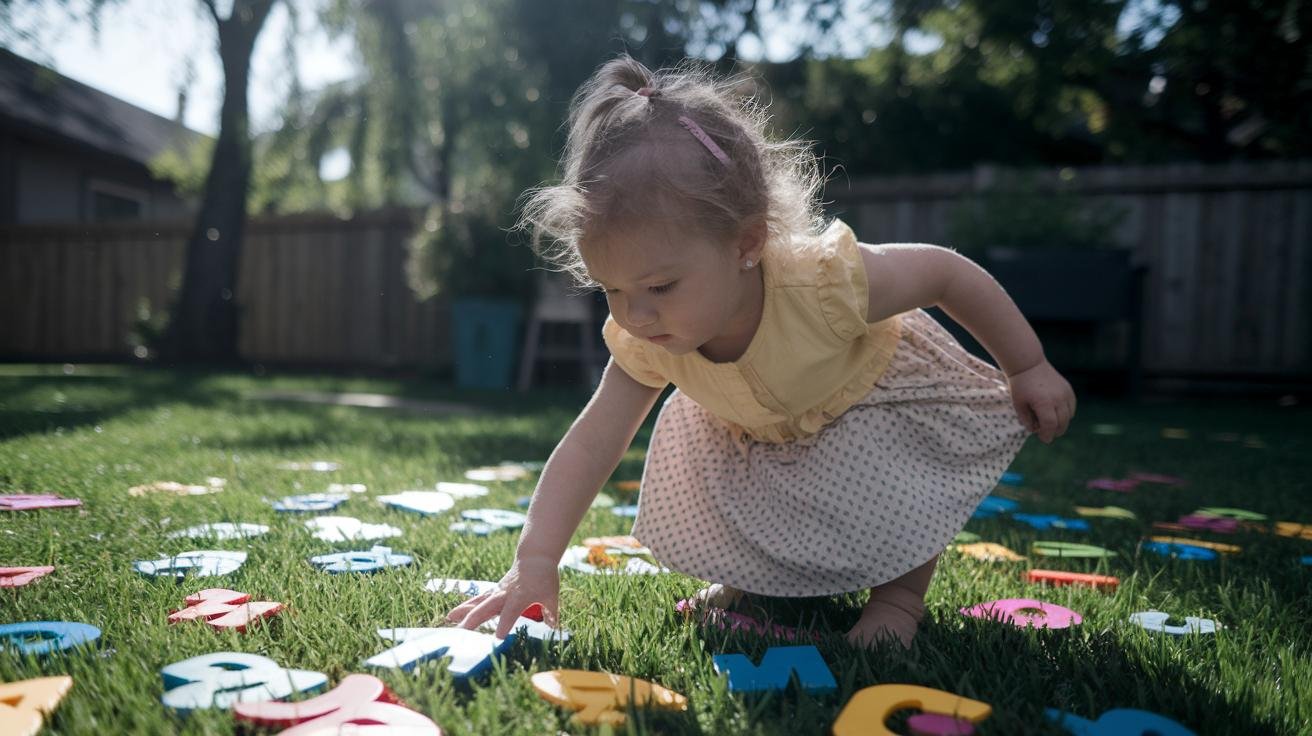
Have you ever turned your backyard into a reading adventure? Grab an alphabet scavenger list and let the kids roam. A for bright apple blossom. B for a buzzing butterfly. C for the curly grass tickling their ankles.
And jump to story clues. Write a short riddle: "I buzz around flowers all day. Who am I?" Kids will grin when they spot a bee. It’s reading comprehension, you know, turned into a hands-on puzzle.
Next up: math. Ask them to find exactly five smooth stones. Or spot a triangular leaf for some geometry (study of shapes). Break a twig in half to show a fraction (part of a whole). They’ll bend low, pull out a ruler, and draw shapes in sidewalk chalk.
By the way, my dog never misses a chance to sniff out those stones. But back to the hunt.
Keep hints short for preschoolers: “Touch something bumpy.” For older kids: “Estimate how many twigs reach your knee.” You can tweak the words and numbers to match any age.
Want to mix it up? Try letter-number combos. “Find three things that start with S.” Or “Collect four small seeds and sort them by size.” Suddenly, your yard feels like a treasure map, and learning’s the prize.
Learning’s the best reward of all.
Seasonal and Sensory Backyard Scavenger Hunt Variations
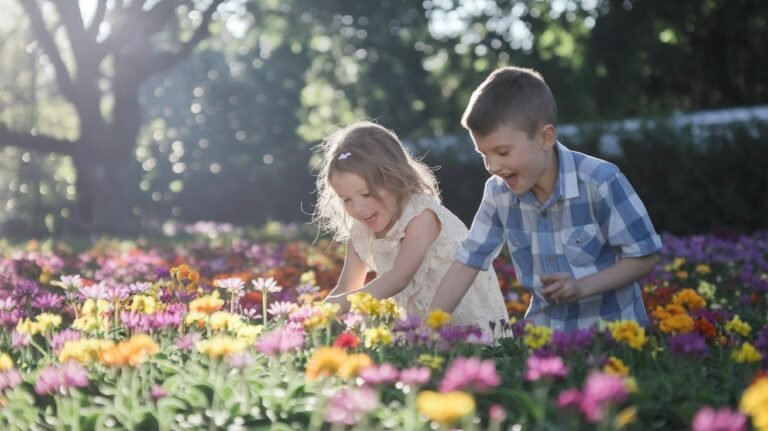
Spring garden hunts feel like a pastel parade. Ask kids to spot tiny sprouts peeking through the soil and soft moss patches underfoot. Have you ever sniffed fresh mint leaves (herb with a cool scent)? Count bright daffodils nodding in the breeze. Try prompts like “Find a flower with five petals” or “Touch the fuzzy bud on a branch.” Oops, I meant fuzzy bud, right?
Summer backyard hunts turn up heat-loving treasures. Invite children to hunt for sun-warmed stones and buzzing bees hovering over bright blossoms. They can dip fingers in the cool birdbath water or follow the zigzag path of a grasshopper jumping across the lawn. A simple summer list might look like:
- Yellow sunflower heads
- Smooth pebbles warmed by sunshine
- Buzzing insect sounds
- Lemon balm leaves (citrusy scented herb) to smell
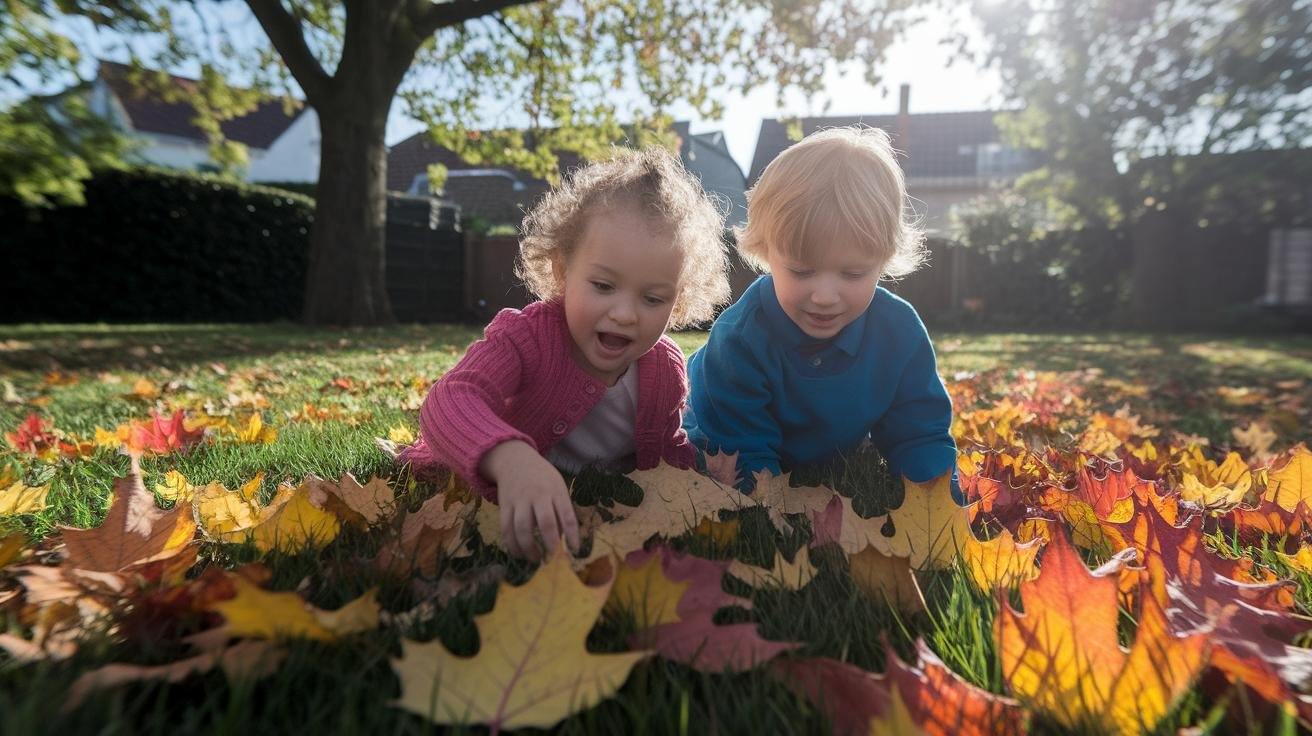
Autumn leaf hunts delight with gold and rust. Kids gather crunchy leaves in different shapes and hunt for acorns beneath oak trees. They can compare stick lengths or press a leaf on paper for a quick rubbing. By the way, my cat loves chasing fallen leaves.
Winter outdoor hunts shift the focus to texture. See who finds rough bark on a tree trunk or taps a frozen puddle’s icy surface. Spot feathery frost on a windowsill or trace your finger over snow-dusted pine needles.
Sensory scavenger hunts mix smell, sound, and touch. Try a smell-detection game: “Who can sniff out lavender or pine needles?” For sound, listen for crickets chirping, wind whispering through branches, or leaves crunching underfoot. For touch, have them trace the veins on a leaf or feel the silk-soft petals of a flower.
Planting these sensory seeds helps kids notice nature’s subtle shifts all year long, and turns every backyard corner into a discovery zone.
Adult Facilitation and Safety for Backyard Scavenger Hunt Activities
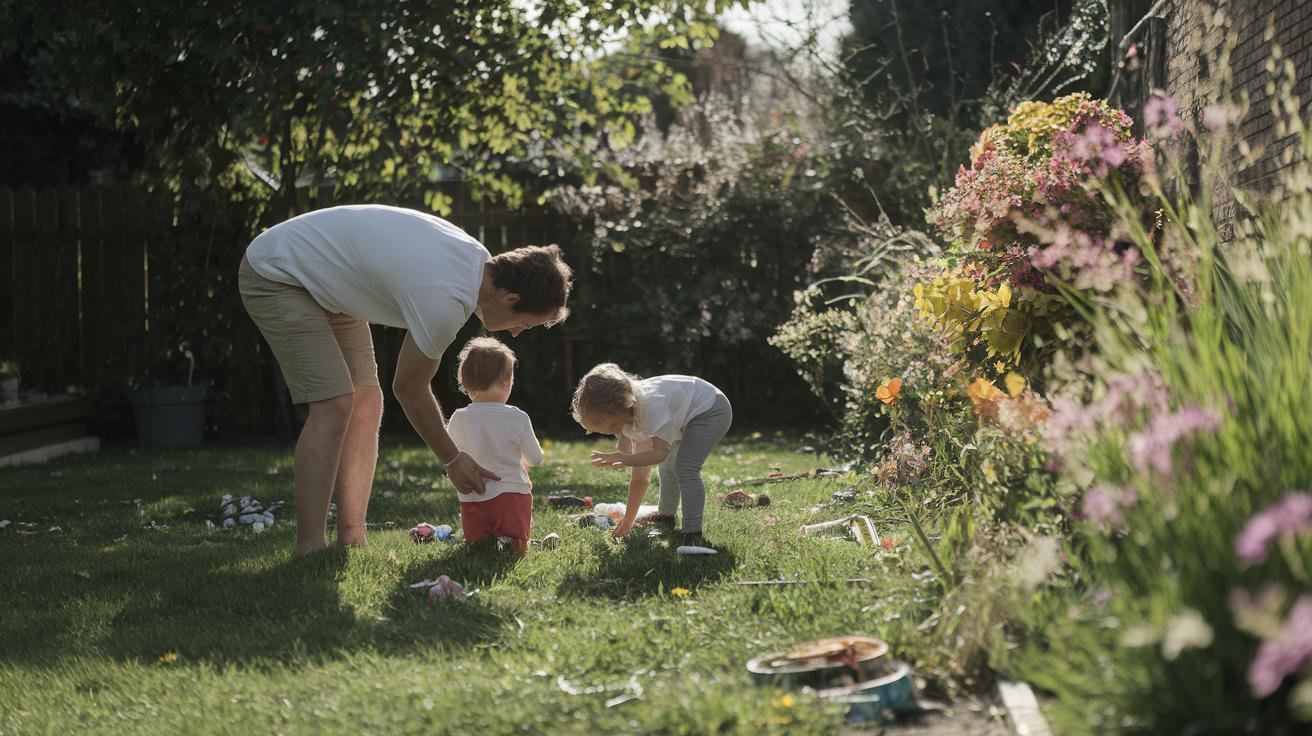
Before kids dash off on a backyard scavenger hunt (game where they find items in nature), walk them around the search area. Show them places to avoid, like poison ivy (that itchy green leaf) or thorny bushes (bushes with sharp points). Then pick a check-in signal, maybe a whistle blast or waving both arms, to keep everyone on track.
Safety Guidelines for Hunts
- Keep an adult close by. Stay within earshot and sight.
- Put on sunscreen (blocks sunburn) and bug spray (keeps away mosquitoes) before you start.
- Set up a water station nearby. Remind them to sip every 15 minutes.
- Scan the ground for sharp sticks or loose stones and clear them away.
Tips for Grown-Up Guides
- Pair every two or three kids with one adult.
- Hand out the clue list, explain each item, then do one find together.
- Use a timer or soft chime (like a phone beep) to signal turns or snack breaks.
Group Size and Timing
Two kids plus one adult keeps the chaos down. Plan for 20 to 30 minutes of searching, then pause for a five-minute snack or clue chat. If you have more kids, split them into color-coded teams and let each group start a few minutes apart.
By the way, my cat always jumps into the flower bed mid-hunt. So funny.
Back to the fun part.
Prize Ideas
- Simple certificates you can print at home
- Badge stickers to pin on each explorer
- A small treat like a seed packet (for spring planting) or a bright pencil
Printable Resources and DIY Clue Templates for Backyard Hunts
Want to kick off some outdoor fun? Grab easy-to-print checklists (you can print them at home), clue cards, and layout sheets. These tools turn your backyard into a mini adventure for all ages, complete with the thrill of discovery. Some even fold into badges you can wear with pride.
And the best part? Each hunt comes with a simple guide. You’ll get tips for toddlers to spot big shapes and hints for older kids to find tiny veins (the little lines) in leaves or bits of rock. You can tweak the challenge level, pick your group size, and set the perfect timing.
If you like screens, try a tracker app or a PDF on your phone. I once forgot to charge my tablet mid-hunt. Oops.
Kids can snap pictures of their finds or tap boxes right on the screen. Or stick with the classic paper list. Oh, and don’t miss the plant identification scavenger hunt clues with easy labels for leaves, flowers, and insects.
| Resource | Type | Format | Link |
|---|---|---|---|
| Scavenger Hunt Checklist Designs | Printable scavenger hunt lists | Download PDF | |
| DIY Clue Card Printables | DIY clue card printables | Download PDF | |
| Custom Hunt Template Layouts | Custom scavenger hunt templates | Download PDF | |
| Plant Identification Hunt Clues | Plant identification scavenger hunt clues | [plant identification scavenger hunt clues](https://backyardsuperstar.com/?p=1420) |
Use these tools and watch your backyard crew learn and explore under the open sky.
Final Words
We jumped straight into educational backyard scavenger hunt activities, exploring themed lists to spark STEM, reading, math, and sensory play. We glanced at quick themes, dug into science hunts and literacy games.
Then we covered guides for safe adult facilitation and walked through easy DIY clue printables to keep the fun rolling.
You’re ready to mix learning and play with educational backyard scavenger hunt activities that get little hands moving and curious minds exploring.
Enjoy every discovery!
FAQ
What are educational backyard scavenger hunt activities?
Educational backyard scavenger hunt activities are hands-on games that combine outdoor exploration with learning. They use themed lists—like rocks, leaves, or insects—and prompts to boost observation, critical thinking, and physical activity.
Who benefits from backyard scavenger hunts?
Backyard scavenger hunts benefit homeschool families, classroom groups, and anyone seeking a fun way to learn outdoors. They suit varied ages and group sizes, making them great for family bonding and school enrichment.
How do STEM and science scavenger hunts work?
STEM and science scavenger hunts guide learners through experiments like soil sampling or water testing. They use measurement challenges and data recording to reinforce the scientific method, math skills, and engineering concepts.
How do literacy and math scavenger hunts support learning?
Literacy and math scavenger hunts use letter hunts, story clues, and number tasks to practice reading comprehension, counting, basic geometry, and fractions. Clues adjust to age and skill level for targeted practice.
What are seasonal and sensory scavenger hunt variations?
Seasonal scavenger hunts switch items by season—spring flowers or autumn leaves—while sensory hunts focus on smells, sounds, and textures. Both keep participants engaged and deepen nature observation year-round.
How can adults plan and supervise safe scavenger hunts?
Adults plan safe hunts by setting clear boundaries, choosing nonhazardous items, and using sunscreen and hydration reminders. Recommended group sizes and time limits help keep activities smooth and stress-free.
Where can I find printable resources and DIY clue templates?
Printable checklists, DIY clue cards, and custom templates are available as PDF downloads. Instruction guides offer tips for different age groups, and digital tracker apps support tech-friendly hunts.
What materials do I need for a backyard scavenger hunt?
To run a backyard scavenger hunt, gather clipboards, pencils, printable checklists or clue cards, and any tools for STEM tests (like magnifiers or measuring cups). Simple items keep setup quick and engaging.