Open Pollinated Vs Heirloom Tomato Seeds Differences Amazing
Have you ever wondered if your backyard tomatoes could link you straight to gardening traditions of old? Or are you just after a juicy harvest you can rely on?
Choosing open-pollinated (seeds that grow true to their parent) vs heirloom (seeds saved for decades) tomato seeds feels trickier than it needs to be.
One type reliably gives you that same round, red fruit each season. The other delivers a taste of tradition, each bite carrying stories from back when gardeners first saved those seeds.
So which should you pick? In this post, we’ll match each seed type to your garden goals. By the end, you’ll know which seeds fit your plans and why.
Core Differences Between Open-Pollinated and Heirloom Tomato Seeds
Open-pollinated seeds are the garden’s classic breeds. These seeds come from flowers that get pollen the old-fashioned way: wind swirling it around or busy bees and little bugs doing their thing. No human tweaking varieties here means every seed is a mini twin of its parent plant. You can save these seeds season after season (that’s saving seeds from your best fruits), as long as you keep different tomato types about ten feet apart to stop accidental mix-ups.
When you plant open-pollinated seeds, you’re essentially building your own backyard seed bank. Year after year you’ll watch the same tomato line burst to life with the same red hue, same juicy flavor, same size, just how you remember it. And here’s a neat bonus: if you swap seeds with neighbors, the next generation often learns to thrive in your own microclimate. I once tucked a few seeds in my pocket and ended up with tomatoes that handled our hot summer afternoons like champs.
Heirloom seeds are a special club inside the open-pollinated world. To earn “heirloom” status, a tomato variety usually has to be at least fifty years old and carry a bit of family lore or regional flair. Think of the tomatoes your grandparents might’ve grown: maybe a pink beefsteak passed down on family farm tables, or an orange-striped cherry found in grandma’s garden in Italy. These tomatoes aren’t bred for the latest disease resistance or super-uniform fruit. Instead, they give you an edible time capsule, a slice of history in each bite.
By planting heirlooms, you’re not just growing tomatoes. You’re tasting the past. Sure, you might miss a modern hybrid’s tough skin or special defenses against blight, but every bite comes with a story. And every season you’ll feel that warm connection to generations of gardeners who saved those same seeds before you.
Genetic and Breeding Distinctions in Open-Pollinated vs Heirloom Seeds
Growing open-pollinated and heirloom seeds is like unlocking a gardening time capsule. But if pollen from one plant drifts onto another, you might end up with surprise fruit. Here’s how to keep your seed lines true.
Plant your early-, mid-, and late-blooming varieties at different times or spots so their flowers don’t overlap. And slip fine mesh sleeves over open blooms to keep stray pollen from crashing the party. Have you ever felt a breeze carry pollen right into your favorite tomato? This little step saves you that headache.
When your seeds are ready, rinse off all the pulp (the soft fruit bits) under cool water. Spread them on a plate or paper towel and let them air dry until they feel crisp. Then label each batch and stash them in jars or envelopes in a cool (around 50°F), dark spot with low humidity. Properly stored, they’ll keep a sprouting (germination) rate above 80% for up to five years.
By the way, I once mixed up my green and yellow squash seeds, total surprise harvest! But if you’re ready to up your game, here are a few extra seed-saving tricks:
Advanced Seed-Saving Tips
- Bag each bloom one day before it opens, using a small mesh bag to block unwanted pollen.
- Rinse seeds in clean water and gently rub off any clumps, like washing tiny pebbles.
- Dry seeds on a paper towel for about a week, turning them daily so every side gets fresh air.
- Add a few grains of rice to your seed container. Rice soaks up extra moisture and helps seeds stay crisp.
Planting now sets you up for a perfect, surprise-free harvest next season. Just think of that warm earth crumbling between your fingers when you finally sow these hard-earned seeds.
Open Pollinated Vs Heirloom Tomato Seeds Differences Amazing
Ever wonder why some tomatoes taste like sunshine and others feel meh? It all comes down to flavor, yield (how many fruits you pick), and disease resistance (plants’ ability to fight off sickness).
A tomato’s sweetness, tang, and texture decide if it will star on your sandwich or melt into a smooth sauce.
If you’re canning salsa, you want plants that keep churning out red fruits until every jar is full. But if you love bold tastes, you might chase tomatoes with deep, complex flavors.
And disease resistance? It’s like a natural umbrella when rain pours or heat waves hit. Less spraying, more time kicking back in your garden.
By comparing open-pollinated and heirloom seeds across these traits, you’ll see which type fits your garden and your taste buds best.
| Seed Type | Flavor | Harvest per Plant | Disease Resistance | Color & Look |
|---|---|---|---|---|
| Open-Pollinated | Steady, sweet taste | 10–15 lbs | Strong vs blight & wilt | Bright red or yellow |
| Heirloom | Rich, mixed tastes | 5–8 lbs | Lower, needs more care | Purple, striped, multicolor |
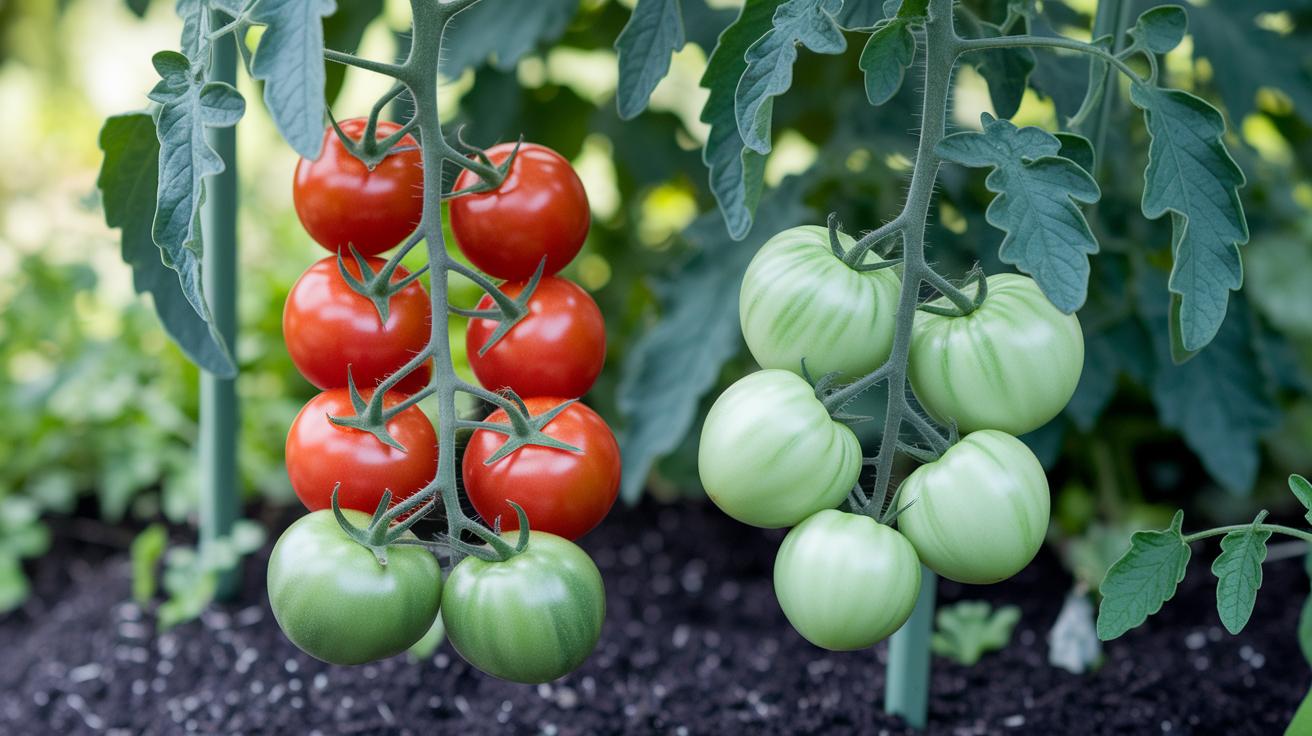
Open-pollinated seeds are like that reliable friend who shows up every week. You’ll gather plenty of smooth, evenly sweet tomatoes with bold shapes that pack neatly into jars. Their built-in resistance helps shrug off leaf spots and wilt, especially when summer storms roll in.
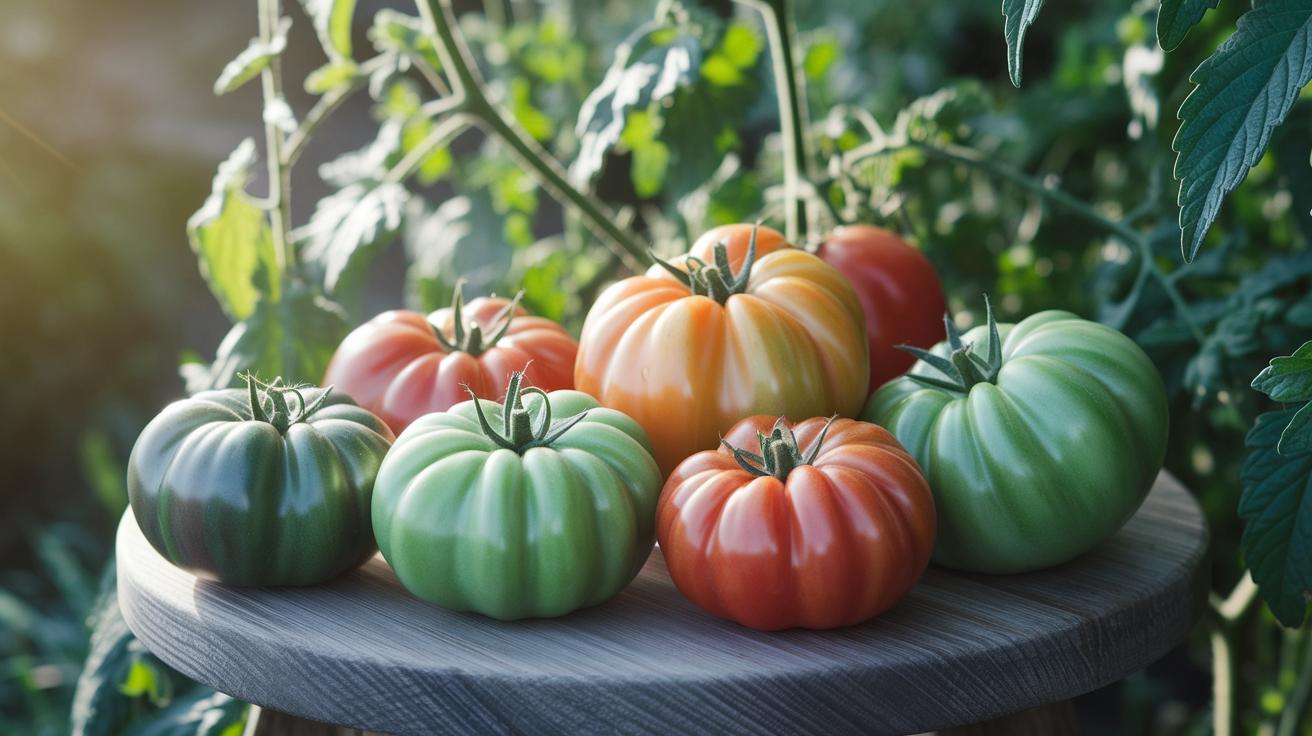
But for flavor adventurers, heirlooms are pure gold. Have you ever bitten into a dark purple tomato filled with smoky sweetness? Or sliced open an orange-striped one that zings on your tongue? Heirlooms may give fewer pounds per plant and need extra watching for disease, but their jewel-like colors and surprise tastes turn every harvest into a little party.
Why not grow both? Try rows of sturdy open-pollinated plants along the fence and a small patch of heirloom beauties in the center. That way, you get big harvests and standout flavors side by side.
Seed Saving Techniques for Open-Pollinated and Heirloom Tomatoes
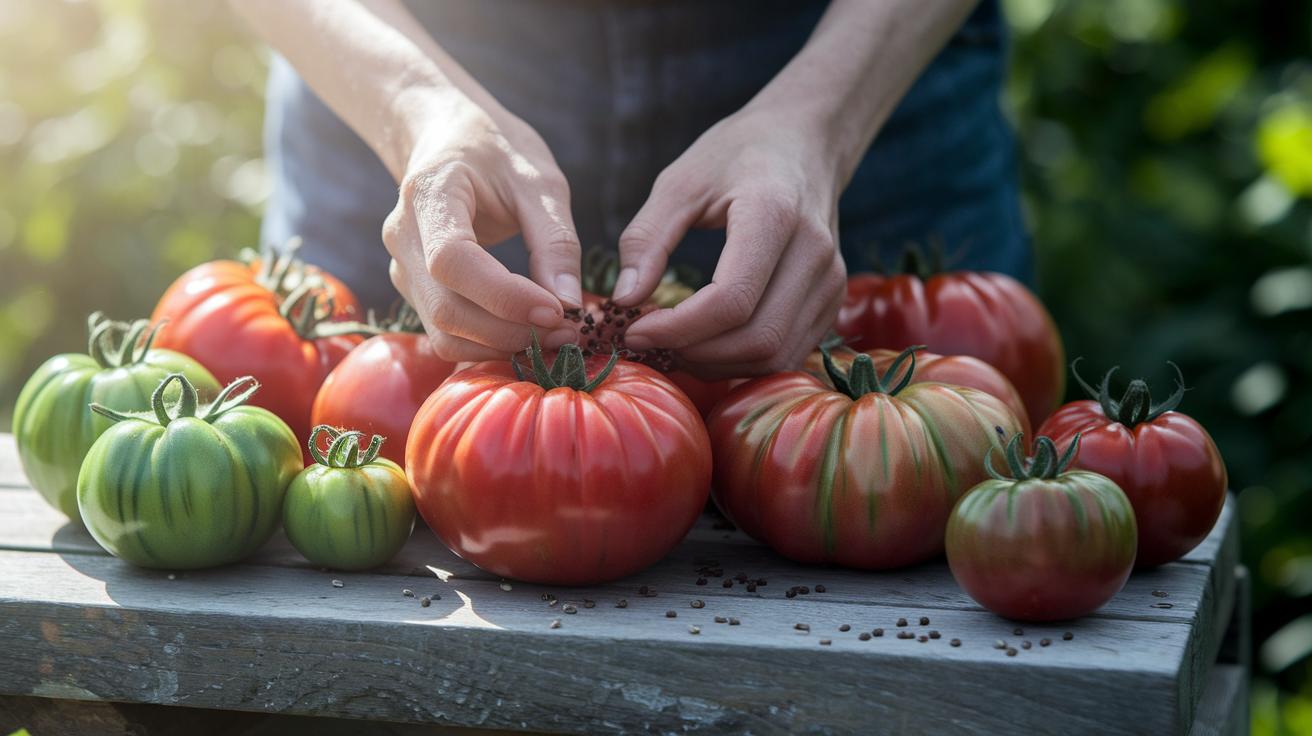
Saving seeds from open-pollinated (naturally pollinated by wind or insects) and heirloom (traditional variety passed down) tomatoes means you’ll get plants true to type, no surprises next season. You’re building a little seed library that knows your backyard, cool, right? And you’ll feel proud seeing that first green sprout come up from your own saved seed.
First, scoop seeds and tomato pulp into a jar. Cover it loosely and tuck it into a warm spot for 2 to 4 days, stirring once a day. You’ll notice bubbles as fermentation (natural breakdown by wild yeasts) melts the slimy gel layer (sticky coating around each seed). That bubbling action cuts back on disease organisms and really helps seeds germinate (sprout) strong and healthy.
Once bubbling slows, rinse seeds under cool water and spread them out where air can flow, think a sunny windowsill or a screened tray. Let them dry until they’re bone-dry and snap instead of bend. Yes, it takes patience, but you’ll love the sound of that little crack.
Store your seeds in paper envelopes or glass jars with a few grains of rice to soak up any extra moisture. Label each batch with the tomato variety and date. Then tuck them in a cool, dark spot until you’re ready to plant. By the way, I once forgot a jar in my sunroom, those seeds still sprouted like champs. Need planting dates? Check our seasonal organic vegetable planting calendar.
Culinary Uses and Appearance Variations of Open-Pollinated vs Heirloom Tomatoes
Heirloom tomatoes (older tomato varieties saved by gardeners) come in a rainbow of colors, like deep purple and golden yellow. Their skins are soft and thin (the tomato’s outer layer), and the flesh is juicy and meaty. Each bite gives a sweet pop you can almost taste on your tongue. Have you ever smelled that fresh tomato scent right off the vine?
Open-pollinated tomatoes (plants pollinated naturally by insects or wind) tend toward classic reds and bright yellows. But their skins are firmer so they handle bumps and stay fresh longer. You’ll notice a steady, familiar taste that keeps on giving over a few days.
Slice heirlooms thick for salads or tasting boards. Drizzle on extra-virgin olive oil and sprinkle sea salt to let their sweetness shine. By the way, my cat loves sunning on the windowsill while I’m at it. Happy cooking!
Open-pollinated tomatoes are perfect for cooking projects. Simmer them low and slow to build smooth, rich pasta sauce or chunky salsa. They break down evenly for canning (preserving food in jars), jam-making (turning fruit into a sweet spread), or batch cooking so your pantry stays stocked with bright, reliable tomato flavor.
Selecting the Best Open-Pollinated or Heirloom Tomato Seeds for Your Garden
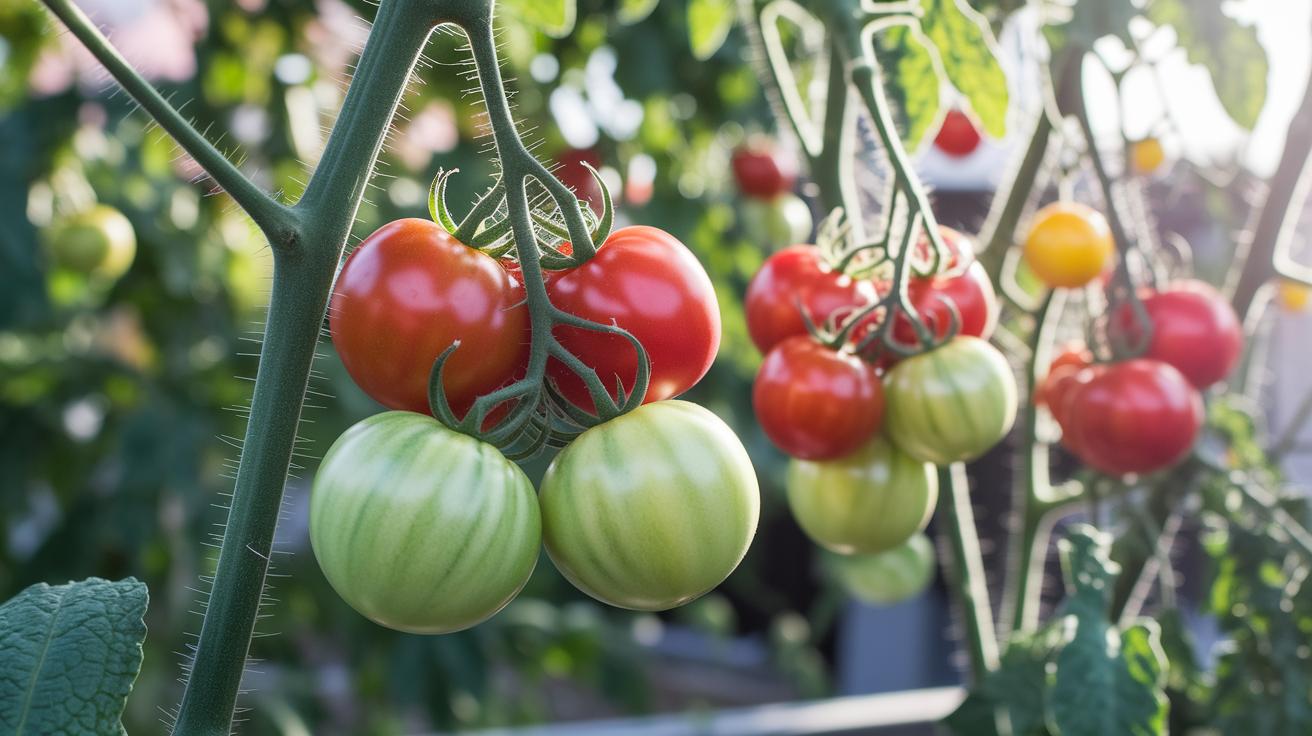
Gardeners chasing super-sweet slices or a taste of garden history often pick heirloom tomatoes (heirloom means a variety handed down for decades because of its unique flavor). Each fruit feels like a story. But these beauties can give smaller yields and need extra care to fight blights.
If you want a bigger harvest and tougher plants in your organic patch, open-pollinated seeds (seeds pollinated naturally by wind, bugs, or birds that grow true) are a smart choice. Imagine the warm earth crumbling between your fingers as you sow those seeds.
Organic seed packets are a win when you care about soil health and chemical-free growing. Heirloom packs can cost more since they come in smaller batches with a heritage story. Open-pollinated packets usually cost less per seed and hold more seeds too. Stretch your budget and your garden beds. Check our best heirloom vegetables for small organic gardens for reliable picks.
Both seed types help your backyard buzz with life. Save extra seeds each season to build your own seed stash that adapts to your sunniest spots. Swap packets with neighbors or at a local plant exchange. Watch community spirit grow right alongside your vines.
Planting these seeds now sets you up for juicy summer harvests.
Final Words
You’ve dug into how open-pollinated seeds get naturally pollinated, giving true-to-type plants. Heirlooms carry at least 50 years of heritage and stories.
You saw how keeping varieties apart helps genetic stability, and simple drying and storage keep seeds healthy.
We covered flavor and yield trade-offs, easy seed saving, kitchen uses, and picking the right seeds for your patch.
Open pollinated vs heirloom tomato seeds differences can spark homegrown success. Happy planting!
FAQ
What are the main differences between open-pollinated and heirloom tomato seeds?
The main differences between open-pollinated and heirloom tomato seeds are that open-pollinated seeds produce true-to-type plants through natural pollination, while heirloom seeds have a heritage of over 50 years and cultural significance.
How does cross-pollination risk affect open-pollinated and heirloom tomato seeds?
Cross-pollination risk affects open-pollinated and heirloom tomato seeds by causing unintended genetic mixing when different varieties grow within pollinator range (10–20 feet), requiring isolation distances to keep traits pure.
How should I store open-pollinated and heirloom tomato seeds?
Seeds should be stored in cool, dark, low-humidity conditions to maintain viability above 80% for up to 5 years, placing them in airtight containers with desiccant packs.
What flavor, yield, and disease resistance differences exist between open-pollinated and heirloom tomatoes?
Open-pollinated tomatoes offer consistent flavor, higher yields, and stronger disease resistance, whereas heirloom varieties deliver varied complex flavors, unique colors and shapes but usually yield less and have weaker defenses.
How do I save seeds from open-pollinated and heirloom tomatoes?
Saving seeds from open-pollinated and heirloom tomatoes involves harvesting fully ripe fruits, fermenting seeds for a few days to break down pulp and reduce disease, then drying seeds on a low-humidity surface before storage.
What are the best culinary uses for open-pollinated versus heirloom tomatoes?
Open-pollinated tomatoes, with uniform shape and sugar-acid balance, work well for sauces, canning, and cooking. Heirloom tomatoes’ varied colors, textures, and sweet-acid profiles shine in fresh salads and tasting events.
How do I choose between open-pollinated and heirloom tomato seeds for my garden?
Choosing between open-pollinated and heirloom tomato seeds depends on your priorities: select open-pollinated for robust yields and disease resistance, or pick heirloom for unique flavors, colors, and historical varieties despite lower productivity.