Budget-Friendly Pergola Design Ideas, Brilliant Backyard Bliss
Ever dreamed of a cozy spot in your backyard without draining your bank account? I used to think pergolas were only for big budgets. But that myth ends today. Imagine resting under your own shade.
First up, materials. Pressuretreated wood (wood soaked in chemicals to keep rot out) gives you that warm, earthy scent. Vinyl (durable plastic that won’t fade) feels nice and smooth. You can even find metal kits or hunt for reclaimed pallets (wood shipping platforms) at yard sales.
Plan for an 8 x 8 foot frame and stay under $400 if you’re smart about deals. Check local classifieds or salvage yards (I once scored three pallets for just ten bucks). Oops, spilled my coffee on that plan. Right?
Picture warm sunbeams filtering between the slats. Ready to map your spot, grab your tools, and build a simple, stylish shade structure on a shoestring budget? Let’s get our hands dirty.
Budget-Friendly Pergola Cost Estimates and Material Choices
Choosing materials, size, and style has the biggest say in how much you’ll spend on a pergola. Pressure-treated wood (wood treated with chemicals to resist rot), vinyl (plastic material that won’t fade), and metal kits (like aluminum or steel) usually run $100 to $500. Go simple with a basic frame or DIY kit, and you can keep material costs around $150 to $300.
Size really matters. An 8 x 8 foot pergola often stays under $400 total. Fewer posts and beams mean less lumber and fewer fees. But more ornate designs add labor costs or tool rentals. Simple open beams or a basic lattice top help you stick to a tight budget.
By the way, scouting your spot first helps dodge surprise expenses. Measure your area, pick a style you love, and jot down what you need before you shop.
| Material Type | Cost Range | Pros | Cons |
|---|---|---|---|
| Pressure-Treated Wood | $150–$500 | Strong and stain-friendly | Needs resealing every few years |
| Vinyl | $200–$450 | Low maintenance and weatherproof | Color options are limited |
| Metal | $250–$500 | Durable with a sleek look | Can get hot in direct sun |
| Reclaimed Wood/Pallets | Under $100 | Rustic charm at super low cost | Requires sanding and treatment |
Reclaimed wood or pallets top the list if you want the cheapest build and don’t mind a little extra prep work. But if you’re after a sweet spot of durability and price, a simple pressure-treated wood frame or a straightforward vinyl kit is hard to beat.
DIY Pergola Plans for Budget-Friendly Backyard Projects
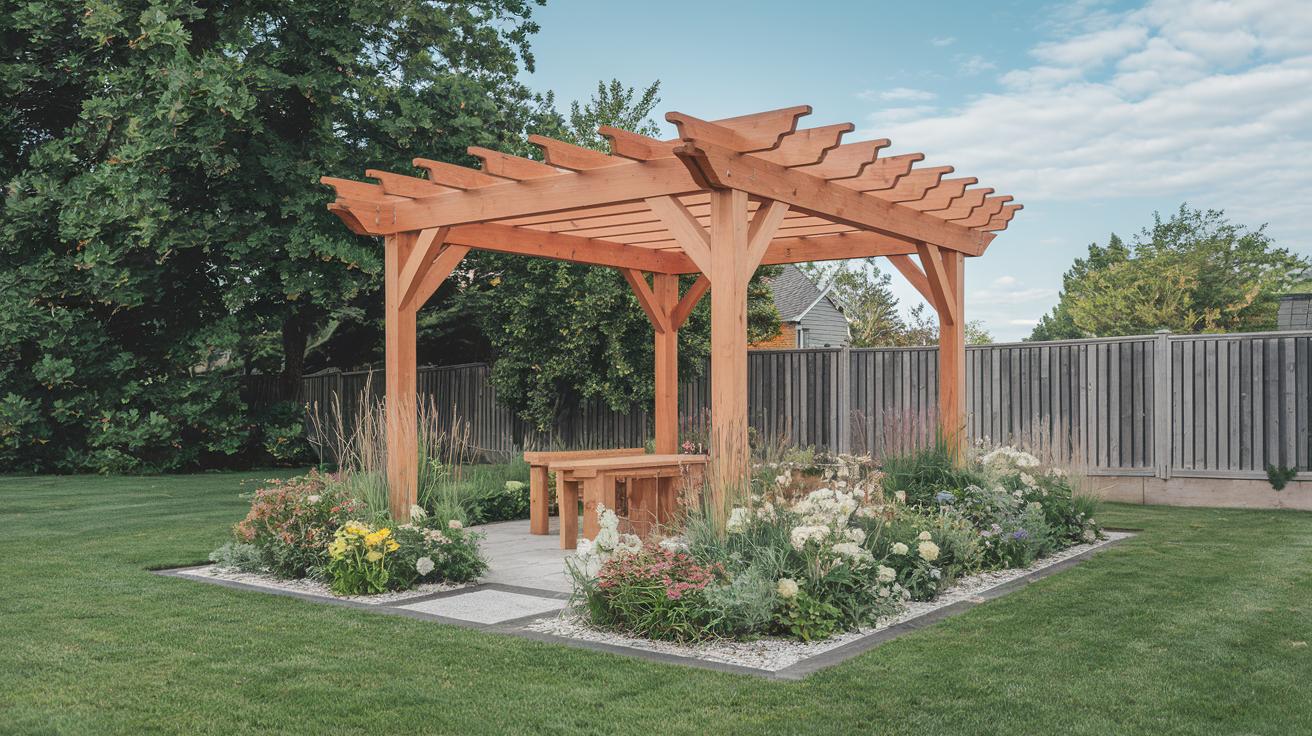
Ever wanted a shady spot in your yard without spending a fortune? Building your own pergola is easier than you think. You just need basic 2x4s and 2x6s (common lumber sizes) or a simple kit. Roll up your sleeves and watch a few boards turn into your new favorite hangout.
-
Pick and prep your corner.
Have you marked out an 8 foot by 8 foot space (about the size of two large dog kennels)? Use a shovel to dig up any rocks or roots. Then grab a rake and smooth the soil until it feels level under your feet. -
Set posts in concrete.
Dig each hole about two feet deep so your pergola stays steady. Pour in quick-set concrete (fast-drying mix) and stand four pressure-treated wood posts (wood that won’t rot easily) inside. Give it a solid tap and let it harden overnight. -
Fasten the main beams.
Use metal post brackets and lag screws (sturdy bolts) to fix three 2×6 beams along each side of the posts. Tighten them until they hold firm. You’ll hear a satisfying click when they lock into place. -
Add rafters for shade.
Cut eight rafters from 2×4 lumber (slender boards) and space them about a foot apart. Secure each one with two deck screws. Feel free to dust off any sawdust before you move on. -
Nail on lattice or braces.
If you like extra cover, tack on a lattice panel (a crisscross wooden screen) or screw in cross braces under the rafters. It looks neat and gives more shade. By the way, I once forgot a screw and my cat almost got stuck, gotta double check! -
Sand down rough spots.
Run a power sander over all the cuts and corners until the wood feels smooth. You don’t want any splinters sneaking up on you. Pause and feel the surface with your hand, it’s oddly satisfying. -
Seal or stain the wood.
Brush on an outdoor wood sealer or stain to guard against sun and rain. Let it dry a day or two before hanging lights or plants. Your pergola will look sharp and be ready for any season.
What you’ll need:
| Material | Quantity |
|---|---|
| Pressure-treated wood posts (4×4 inches) | 4 pieces |
| 2×6 lumber beams, 10 feet long | 6 pieces |
| 2×4 lumber rafters, 8 feet long | 8 pieces |
| Quick-set concrete bags | 8–10 bags |
| Lag screws, brackets, deck screws | 1 hardware kit |
| Circular saw, power drill, level, tape measure | As needed |
Top support tips:
- Double-check each post is perfectly vertical before the concrete sets.
- Pre-drill holes in beams to keep the wood from cracking.
- Add a diagonal brace on each side for extra stability.
Starting your build now sets you up for summer hangouts.
Enjoy your new backyard retreat!
Creative Low-Cost Pergola Materials and Upcycling Ideas
Want to save money and give your pergola a unique touch? Upcycling means grabbing things others might toss (like old pipes or thrift-store finds) and turning them into strong, stylish pieces.
- Bamboo poles ($1-$3 each): These hollow wood rods feel light but hold up firm. Brush on an outdoor-rated polyurethane (waterproof coating) so they won’t rot or attract bugs.
- DIY shade sails ($15-$30): Pick UV-resistant fabric (blocks sun without fading), sew on heat-sealed hems (edges melted to stop fraying), then clip to your rafters for instant cover.
- Salvaged plumbing pipes ($5-$10 each): Galvanized steel pipes (metal tubes coated to resist rust) pack real support. Scrub off rust, spray on rust-inhibitor primer (protects metal), and bolt them in place.
- Vintage shutters or bicycle wheels ($5-$20 each): Sand away peeling paint, roll on outdoor acrylic paint, and lean or hang them so climbing vines can weave through.
- Thrifted chains and brackets (under $10): Sand down old hardware, add a clear-coat finish, and use it to suspend planters or string up lights.
By the way, my cat once tried to nap on a freshly painted pipe. Cute, but messy. Back to prepping your pergola. When you’re ready to build, clean every surface, sand rough spots until smooth, and apply a seal or primer in thin coats. Let each layer dry completely before you snap pieces together. That way your upcycled parts stay rock solid through sun, rain, and the odd curious paw.
Simple Pergola Designs for Small Gardens on a Budget
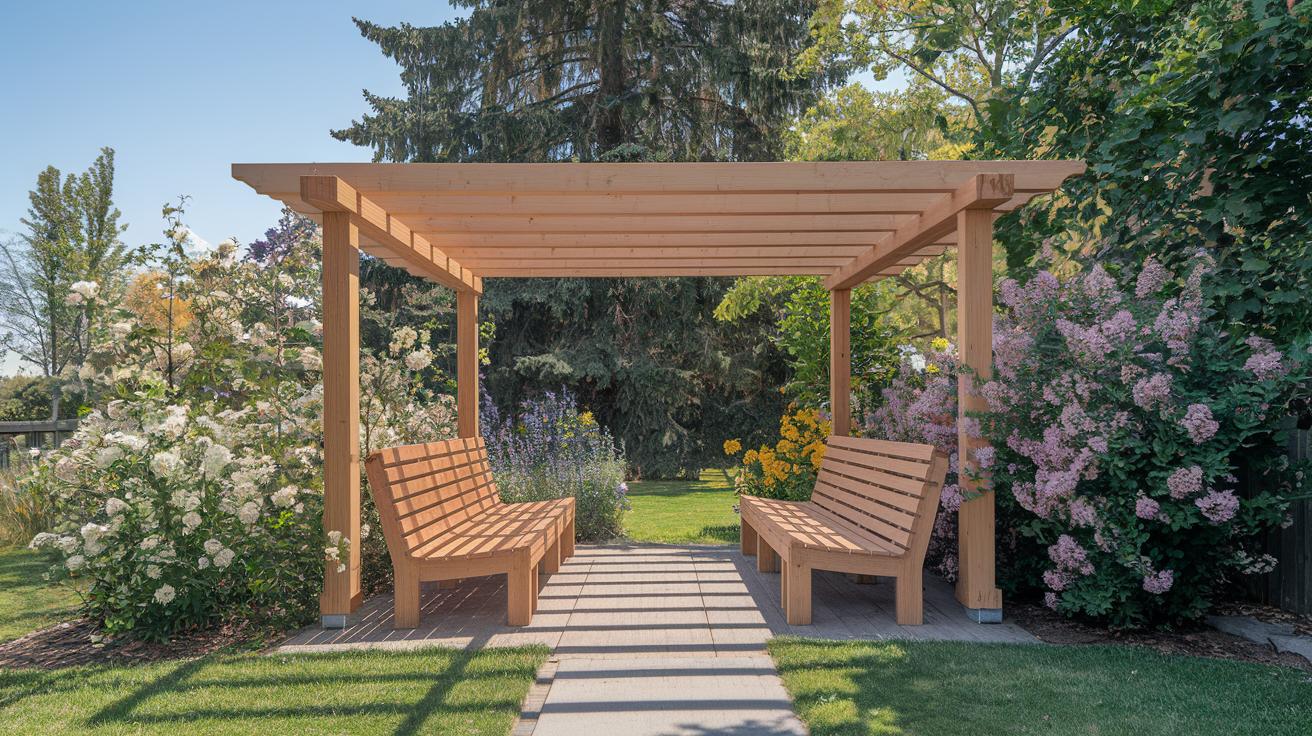
Ever wish your tiny yard felt like a cozy nook? A small pergola can work like magic, and it won’t bust your budget. I swear, an 8×8 foot frame usually runs under $400 for materials. And picking an open-lattice (roof slats spaced so sunlight filters through) or a partial-shade (closer slats for softer light) top saves you on wood and sweat.
Here are a few quick designs you can tackle this weekend. By the way, my cat loves sunning on the deck underneath mine.
-
Corner Retreat (6×6 ft)
Just four posts and six rafters (the horizontal beams that hold the roof). Think one chair, a small side table, and a couple of herb pots lined up. The open-lattice lets morning light dance on your basil. -
Arched Shade (8×6 ft)
Picture gentle curves overhead. Curved beams give it a soft look, and partial-shade slats across the middle cut down on wood. Hang a lantern or string some globe lights, and you’ve got instant ambiance. -
Vine Tunnel (8×8 ft)
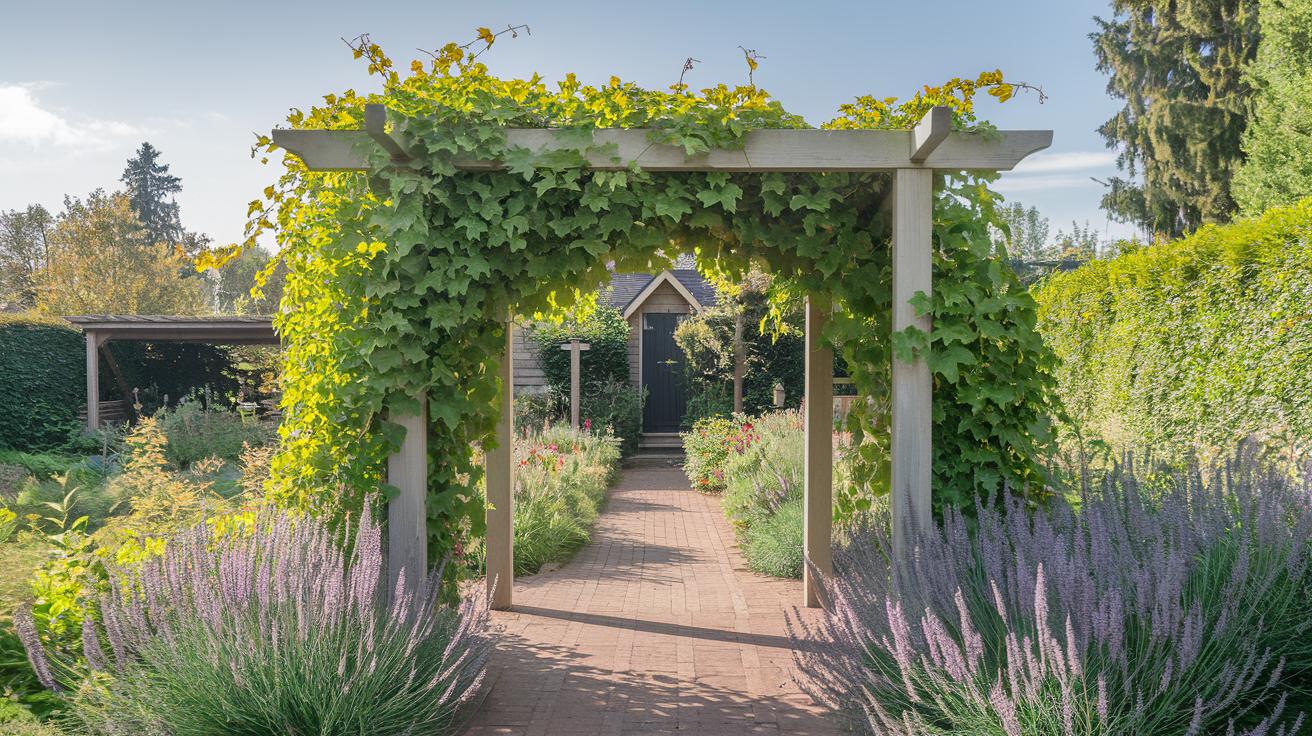
Two rows of posts with crossbeams spaced a bit wider. Let morning glory or jasmine weave through for a living canopy. Simple braces keep it steady, and you’ll hear the soft rustle of leaves in the breeze. -
Bench Alcove (7×5 ft)
Build a low bench right against one side. Add a partial lattice roof for dappled shade over your seat. Perfect for a quiet cup of coffee or losing yourself in a good book.
Want to skip digging deep footings? Attach your pergola to a patio or deck. Just fasten the side beams to existing deck posts or brick walls with lag screws. Boom, no extra concrete, but still rock-steady.
Budget-Friendly Pergola Design Ideas, Brilliant Backyard Bliss
Your pergola (an outdoor frame made of posts and cross beams) can be more than just shade. With a few simple accents you’ll turn it into a cozy spot for morning coffee or sunset chats. I love how soft lights, flowing fabric, and lush greenery make the space feel lived-in. Ready to give yours a budget-friendly glow?
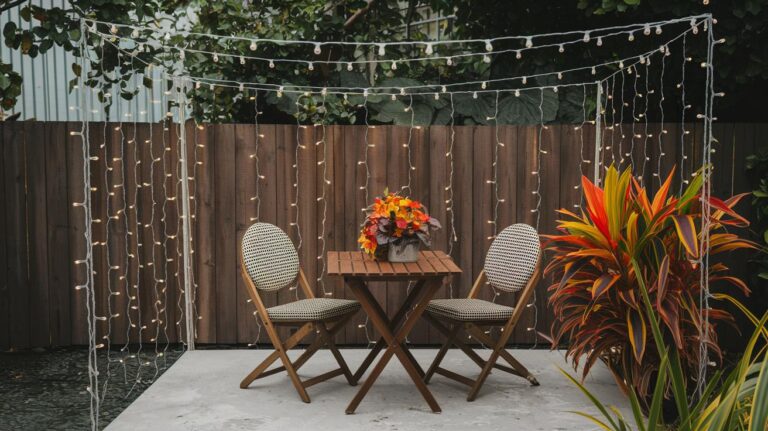
- String lights pergola design ($20 – $40): Drape tiny bulbs along the rafters (overhead beams). They glow like fireflies and make warm nights feel magical.
- Outdoor curtains for pergolas ($20 – $40): Clip on weather-resistant panels (fabric that holds up in rain). Close them for privacy or tie them back to frame your view.
- Hanging planters ($10 – $25): Use woven baskets or thrifted pots. Fill them with fragrant herbs or trailing flowers and watch green stems spill down.
- Pergola canopy options ($20 – $50): Stretch UV-resistant fabric (material that blocks sun rays) overhead. A neutral cover flutters in the breeze and cuts glare without fuss.
- Vine-covered pergola ideas ($20 – $50): Plant jasmine or clematis young and guide their stems up the posts. In just weeks you’ll have a living roof that rustles in the wind.
- Paint or stain ($20 – $40): Swipe on a fresh coat to match your deck or patio. Rich colors or soft whites tie everything together and protect wood from weather.
Keep your pergola feeling fresh with a bit of care. Brush off dust, spot-clean curtains when they get dirty, and trim vines so they don’t tangle. By the way, my cat naps under mine every afternoon. Then check lights before rain hits and touch up paint when it starts to fade. Your pergola will stay ready for seasons of backyard bliss.
Maintenance and Weatherproofing Tips for Budget-Friendly Pergolas
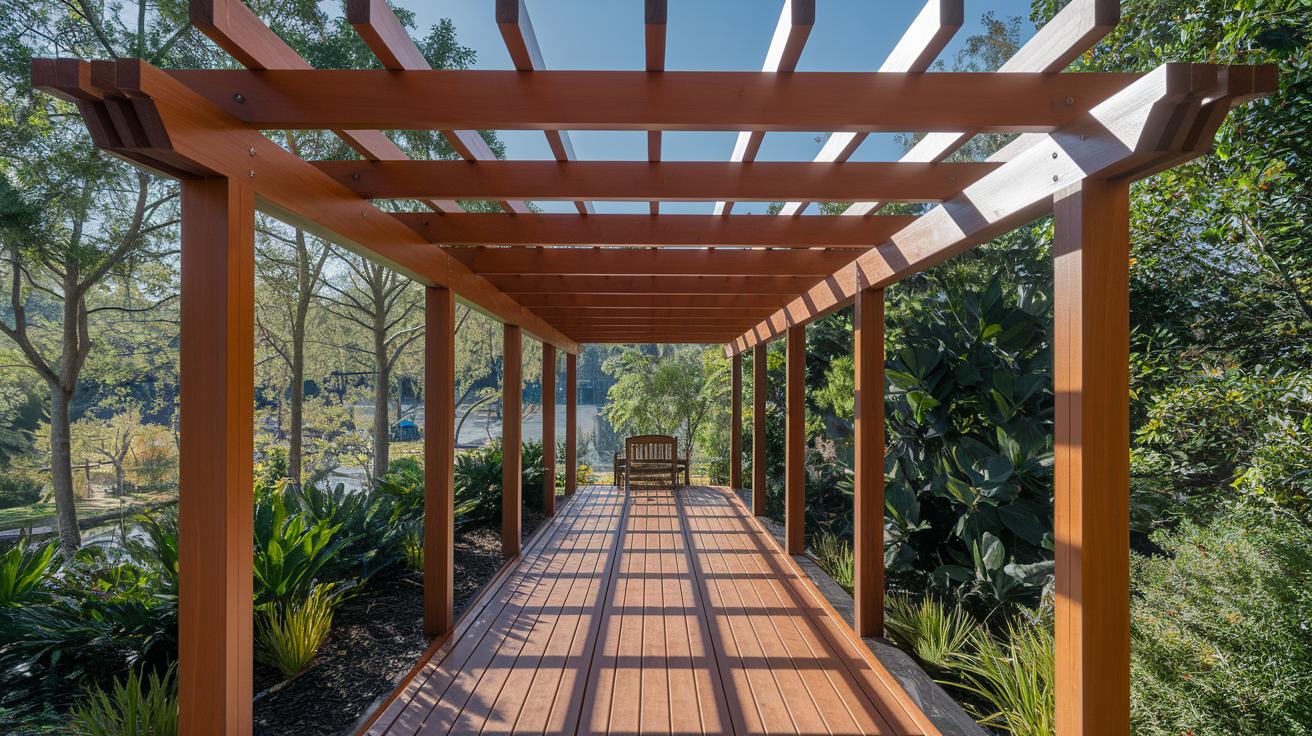
Routine checks are your pergola’s best friend. Run your hand along each beam. Does the finish feel rough or peel under your fingers? Have you ever spotted a loose screw at sunset? Peek under the posts to check the footings for cracks or sinking soil. Fixing a small crack now means one less headache later.
And let’s talk weatherproofing. A few easy steps keep rain from seeping in and sun from bleaching your wood. Think of sealants (a clear liquid that shields wood from water) like sunscreen for your pergola. Waterproof coatings on fabric canopies work like a raincoat on a stormy day. Do it right now and skip costly repairs down the road.
Here’s a simple checklist:
- Seal wood surfaces with outdoor sealant (a clear liquid that protects wood from water) every 1 to 2 years. ($20–$40 per coat)
- Stain beams and posts every 2 years. Stain (a colored finish that soaks into wood) adds color and shields against moisture. ($25–$35)
- Check all fasteners (screws, bolts, anchors) once a year. Swap out any that look rusty or loose. (Under $10 for replacements)
- Wash and recoat fabric canopies or sails twice a year. Use a waterproof treatment (about $15–$25 per gallon) to keep water beading off.
- Trim climbing plants or vines around posts every 6 months. Overgrown vines can trap moisture and speed up rot. (Free)
- Clear gutters and ground drains once a year so water doesn’t pool around the posts. (Free or under $10)
By the way, my cat loves sunning herself on mine. Back to pergolas, if you pick cedar (wood with natural rot resistance) or composite boards (made from recycled materials and plastic) you’ll shrink your environmental footprint. Plus these materials last a long time. Enjoy your shady backyard spot for years to come.
Where to Find Affordable Pergola Supplies and Kits
Hunting for pergola parts on a budget feels like a backyard treasure hunt. You’ll compare prices on posts, beams, and kits and shave dollars off your build. Give yourself a little time, and you might spot a real gem.
Have you ever stumbled on a free pile of boards and felt like you hit the jackpot?
- Big-box stores: pressure-treated lumber (wood soaked in chemicals to resist rot) runs about $10–$15 per 8-foot beam, and hardware packs (nails, screws, brackets) cost $20–$30.
- Online kit shops: prefabricated pergola kits (factory-made sets) kick off around $150. Smaller wood models top out near $300, while vinyl or metal options sit at $300–$500.
- Salvage yards: reclaimed wood (boards rescued from old buildings) and pallets often go free or under $50. You’ll just need to clean, sand, and seal (coat for protection) before using them.
- Pallet distributors: pallets (flat wooden shipping platforms) cost $0–$20 each. One pallet can yield enough slats and supports for a cozy little pergola frame.
- Local classifieds: check Craigslist or Facebook Marketplace for extra lumber or part-built kits priced $75–$200. Watch for sellers offering free pickup, you’ll save on hauling.
By the way, I once got 20 boards from a salvage yard on a rainy Sunday. Score!
When you’re checking prices at salvage yards, ask for “damaged” pallets, they’re often headed to the burn pile. Offer to haul them away, and you’ll likely walk off with extra boards at no cost.
Final Words
In the action, we’ve broken down pergola costs, from pressure-treated kits to reclaimed wood under $100. We walked through step-by-step DIY plans with basic tools. We shared upcycling hacks using bamboo poles, pallets, even old plumbing parts. We sketched simple layouts for tight spots and six styling tips, string lights, curtains and more.
We covered care steps and weatherproofing tips plus smart supply sources so your pergola lasts. With these budget-friendly pergola design ideas your backyard upgrade is all set to shine.
FAQ
How much does a budget-friendly pergola cost?
Budget-friendly pergola materials range from $100–$500 for kits; simple 8×8 ft builds often run under $400. DIY kits drop costs to $150–$300, and reclaimed wood options can stay below $100.
What materials are cheapest for DIY pergolas?
Cheapest pergola materials include reclaimed wood or pallets under $100 after sanding and treatment; pressure-treated wood, vinyl, and metal kits range $100–$500; DIY frames often cost $150–$300.
How do I build a pergola on a budget?
Building a pergola on a budget starts by prepping your site and setting posts in concrete, then attaching beams and rafters with basic tools. A standard 8×8 ft plan calls for 4 posts, 6 beams, and 8 rafters.
What upcycling materials work for pergolas?
Upcycled pergola materials include bamboo poles sealed with outdoor-rated polyurethane ($1–$3 each), UV-resistant shade sails ($15–$30), salvaged galvanized pipes ($5–$10), repurposed shutters or wheels ($5–$20), and thrifted hardware under $10.
What are simple pergola designs for small gardens?
Simple pergola designs for small gardens feature compact 8×8 ft open-lattice or partial-shade roofs under $400. Attaching to a patio or deck saves on foundation costs and enhances tight backyard layouts.
How can I customize my pergola affordably?
Customizing a pergola affordably can mean adding string lights or outdoor curtains ($20–$40), fabric canopies or climbing vines ($20–$50), hanging planters, and fresh paint or stain ($20–$40) to tie into your decor.
How do I maintain and weatherproof a budget pergola?
Maintaining and weatherproofing a budget pergola involves sealing or painting every 1–2 years ($20–$40), inspecting footings and fasteners annually, caring for waterproof fabrics ($15–$25), trimming plants, and clearing drainage.
Where can I find affordable pergola supplies?
Finding affordable pergola supplies works via big-box stores for lumber ($10–$15 per 8-ft beam), online kit retailers ($150–$300), salvage yards for reclaimed wood, pallet suppliers, and local classifieds; vinyl or metal kits cost $300–$500.