Top Disease-Resistant Heirloom Tomato Varieties Amazing
Have you ever been so excited to pick a ripe tomato only to slice it open and find mush under those spotted leaves? I’ve definitely seen leaf spots (dark marks that rot fruit) turn my harvest into a sloppy mess. But imagine your tomatoes tasting like pure sunshine and shrugging off disease like champs. Heirlooms are open-pollinated (pollinated naturally by bugs or the breeze), so you can save their seeds year after year. They deliver deep, bright flavor and are tough as nails.
Here are six heirloom kinds that dodge blight (leaf disease) and wilt (when plants droop). Plant these backyard superstars and get ready to bite into homegrown history.
Top Disease-Resistant Heirloom Tomato Varieties Amazing
Have you ever sunk your teeth into a sun-warmed tomato right off the vine? That magic comes from heirloom tomatoes. They are open-pollinated (pollinated naturally by insects or wind) so seeds pass down the same sweet traits year after year. Plant the seed and taste history.
By the way, my cat loves snoozing under my tomato cages. Okay, back to those plants.
Hybrids join two lines chosen for neat size, color or built-in resistance. You can’t save hybrid seeds and get the same fruit. With true heirlooms you trade perfect uniformity for deeper flavor and the joy of saving your own seeds.
Here are six picks to spark your garden this season.
-
Brandywine
Brandywine grows large rosy fruits with a sweet, old-time taste. It resists many blights and wilts but needs a little pruning. Pinch side shoots and stake these indeterminate (vines that keep growing all season) plants early for steady harvests. -
Mortgage Lifter
Mortgage Lifter produces meaty red globes with smooth flavor while shrugging off fusarium and verticillium wilts. The sprawling vines do best in a sturdy cage. Give them full sun and you’ll get bucketloads of tomatoes. -
Cherokee Purple
Cherokee Purple shows off dusky purple skins and a rich, smoky-sweet bite. It holds up against common leaf spots so you can relax. Just water evenly and tie vines to tall stakes for support. -
Black Krim
Black Krim offers dark maroon fruits with a bold, smoky finish. It tolerates heat and resists fusarium and nematodes. Plant it in a sunny spot and use a simple trellis to keep fruit clean. -
Amish Paste
Amish Paste bears pinkish-plum fruits with dense flesh perfect for sauces. The vigorous vines love a strong cage – remove lower leaves to boost airflow. These tomatoes resist fusarium wilt so you can cook up a storm. -
Green Zebra
Green Zebra flaunts bright green stripes and a tangy zing. It has moderate verticillium resistance and even thrives in containers (by the way, check out best heirloom tomato varieties for container gardening). Feed it organic fertilizer and enjoy that citrus twist.
Plant these heirlooms for flavor, history and a little seed-saving fun. Happy gardening!
Understanding Disease Resistance Markers in Heirloom Tomatoes
Ever notice those V, F, or N letters on your seed packets? They’re like tiny badges that tell you what each heirloom tomato can fight off. Learning what each one means sets you up for a healthier harvest.
V means Verticillium wilt (a soil fungus that stops water from reaching stems).
F means Fusarium wilt (a fungus that clogs roots and makes leaves droop).
N stands for resistance to root-knot nematodes (little worms that twist roots into bumpy knots).
| Code | Disease |
|---|---|
| V | Verticillium wilt |
| F | Fusarium wilt |
| N | Root-knot nematodes |
The trick? Pick varieties with two or three markers, you know. Mortgage Lifter has F and V, so it stands strong against both wilts. Black Krim packs F and N resistance, giving it extra muscle against those sneaky nematodes and Fusarium. Then plant them in a sunny spot, work in some fluffy compost (decayed organic matter that enriches soil), and give them a quick prune now and then. You’ll feel the warm sun on your shoulders as you tidy those vines.
By the way, my cat loves sunning on the garden edge.
Back to tomatoes: you’ll spot fewer sick vines and bite into juicier, more flavorful fruits in every harvest.
Essential Cultivation Practices for Disease-Resistant Heirloom Tomatoes
- First, check your soil’s pH (it measures acidity) and aim for about 6.2 to 6.8. That’s the sweet spot for roots to soak up nutrients.
- Mix in plenty of compost (decayed organic matter that makes soil rich) and add a bit of balanced organic fertilizer so your tomato babies get a good start.
- Set up drip irrigation (tiny hoses that drip water at the base) so leaves stay dry. Then mulch around plants with straw or wood chips to lock in moisture and stop muddy splashes that can spread spores.
- Give each plant 18 to 24 inches of room so air can swirl between vines and dry off any damp leaves. Good airflow is your first line of defense against fungus.
- Prune suckers (little shoots popping out where stems meet leaves) so your plant sends energy into juicy fruit instead of extra foliage. Oops, I sometimes pinch the wrong spot, just a head’s up!
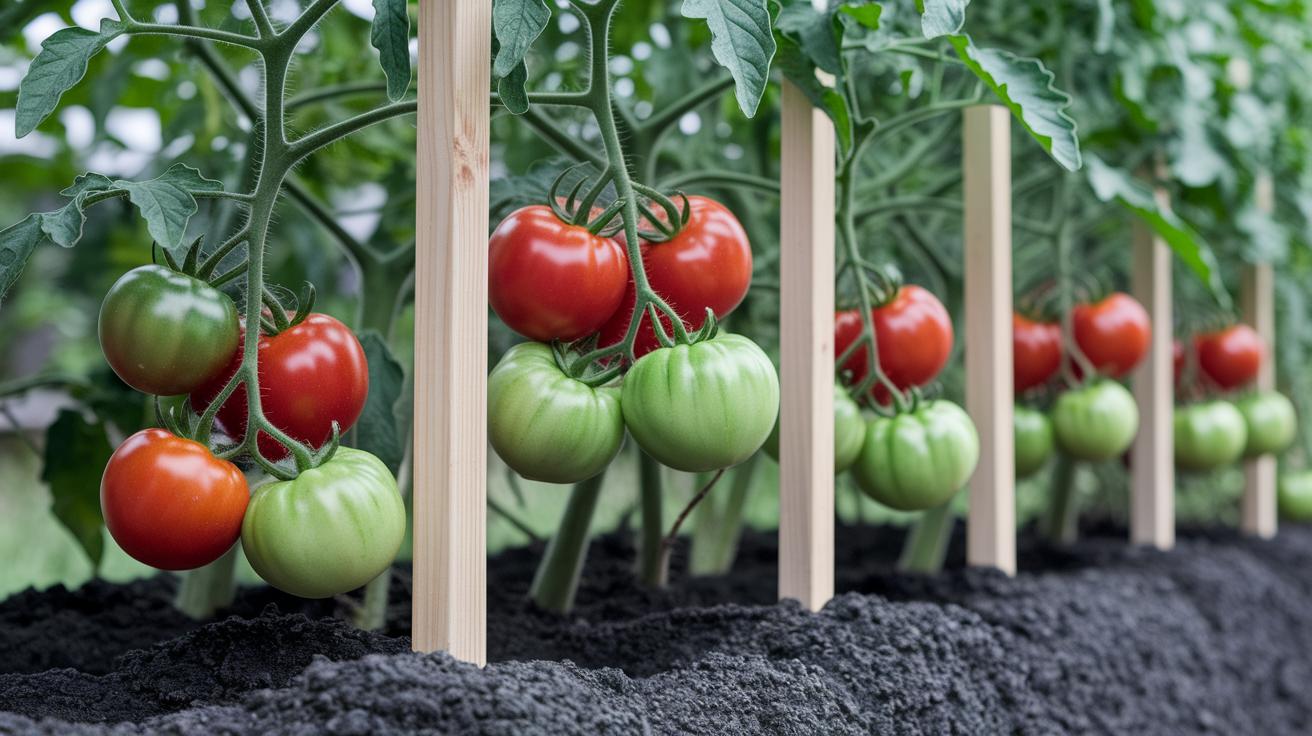
- Right when you plant, add a sturdy stake or tomato cage so vines climb up instead of sprawling on the ground. It keeps fruits clean and plants happier.
- Rotate your crops each year by moving tomato beds to a new spot. It trips up sneaky soil diseases before they get comfy.
- In spring, loosen soil with a shovel or fork and make sure it drains well so roots can spread out easily. There’s nothing like warm earth crumbling between your fingers.
- Finally, top beds with 2 to 3 inches of mulch using straw or wood chips. It shades roots, keeps soil cool, and chases weeds away.
Have you ever felt the soft buzz of bees around your tomato blooms? That little hum means everything’s on track. And a quick peek under leaves helps you spot odd spots early.
Feel the soil between your fingers. If it’s dry, give a sip of water. Too many weeds? Toss on more mulch. That hands-on care is your secret sauce for heirloom tomatoes that shine season after season.
How to Source Quality Heirloom Tomato Seeds
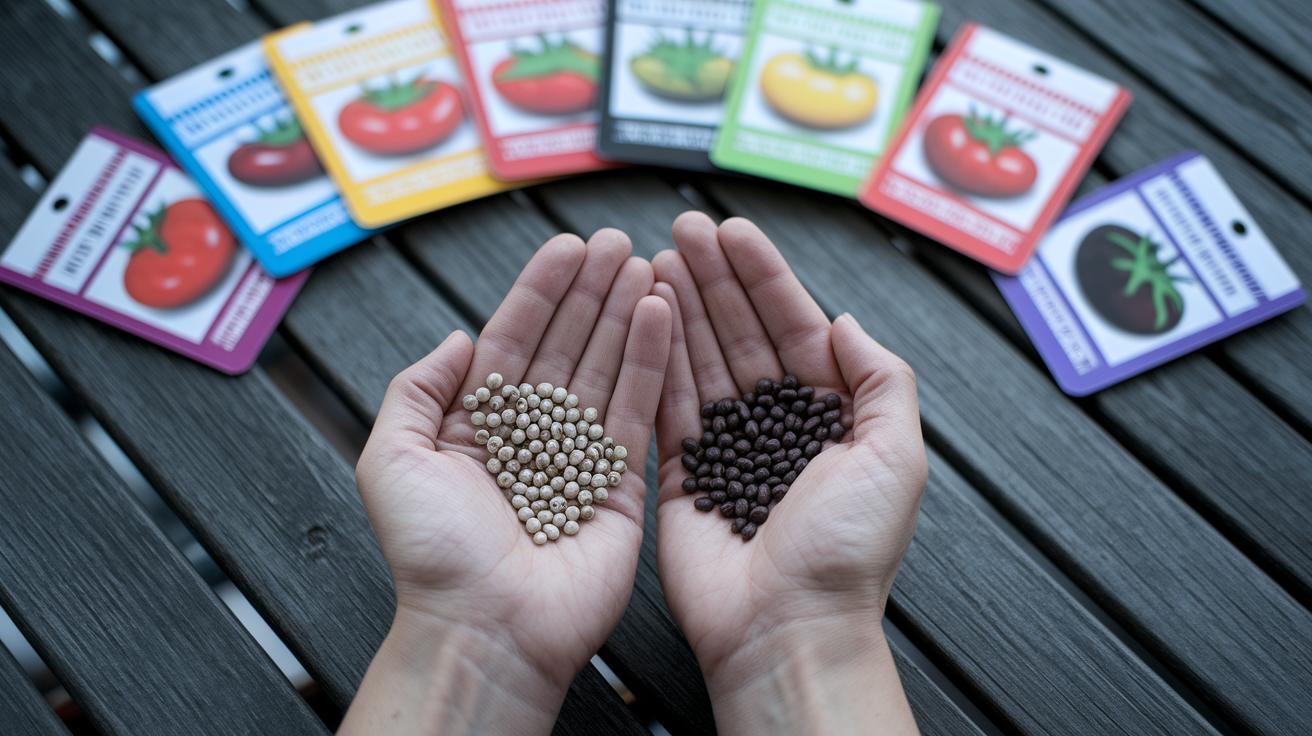
Finding seeds for tough, disease-resistant heirloom tomatoes feels like uncovering garden gold. Start with open-pollinated (plants that grow true to their seeds) tomato varieties marked with V, F, or N codes on the packet. And I find scouting organic seed suppliers who offer certified non-GMO (not genetically modified) seeds really boosts your chances of getting strong, true-to-type genetics.
- Compare a few heirloom seed catalogs or tomato seed company websites. Look for clear disease-resistance markers (V, F, N) listed right next to each variety.
- Pick certified non-GMO seeds from organic growers who share germination rates and purity test results, no guesswork then.
- Read seed descriptions closely and skim customer reviews for real-gardener stories on how these tomatoes actually grew.
- When your seeds arrive, try saving your own heirloom seeds. Gently squeeze ripe tomato gel (the jelly around seeds) into a clean jar, then let it ferment for two or three days until it bubbles and smells tangy. Rinse under cool water, then spread the seeds on plain paper to dry.
- Label each envelope with the variety name, harvest year, and resistance codes so you won’t be scratching your head next spring.
- Tuck your seed packets into glass jars or sealed plastic bags, then stash them in a cool, dark corner. They’ll stay happy and ready for planting when the warm earth beckons.
Natural Disease and Pest Management for Heirloom Tomatoes
Heirloom tomatoes love the spotlight. But they can get sick or bugged and ask for some help. Try these organic tips and track your plant’s vigor (how strong it grows), foliage (leaf health), and nutrition (soil nourishment). You’ll cut down on chemicals and keep your tomatoes smiling.
- Rotate your tomato bed each year. Plant tomatoes in a new spot and follow them with beans or leafy greens (plants outside the nightshade family). This mix-up tricks soil germs and stops disease from building up.
- Tuck basil and marigold sprigs between the vines. These buddies send off scents that bother pests and can hide your tomato’s smell.
- Watch for dark spots or fuzzy patches on leaves. At the first sign, spray a plant-safe fungus fighter (organic fungicide) like sulfur spray or a neem oil blend. This stops blight (tomato leaf disease) and septoria leaf spot before they spread.
- Add mycorrhizal inoculants (tiny fungi that team up with roots) when you plant. These helpers boost your roots’ nutrient pick-up and keep soil-born diseases at bay.
- Check leaves every few days. Snip off any yellow rings or brown patches. Toss them in a compost bin (decayed organic matter that enriches soil) away from your garden.
- Lure in ladybugs or lacewings with a dish of sugar water or by growing dill nearby. These good bugs feast on aphids and whiteflies without a fuss.
- Spread 2 to 3 inches of straw or chopped leaves around each plant. This mulch prevents soil spores from splashing onto lower leaves during watering.
- Water early in the morning at soil level using a narrow-spout can or drip line (hose that drips water at the roots). Dry leaves slow fungal growth and keep spots at bay.
By the way, my cat loves napping on the mulch beside my tomato vines. But back to your garden chores. With these steps, your heirlooms will fight off disease and bugs, leaving you with juicy tomatoes and a happy garden.
Harvesting and Storing Heirloom Tomatoes for Peak Flavor
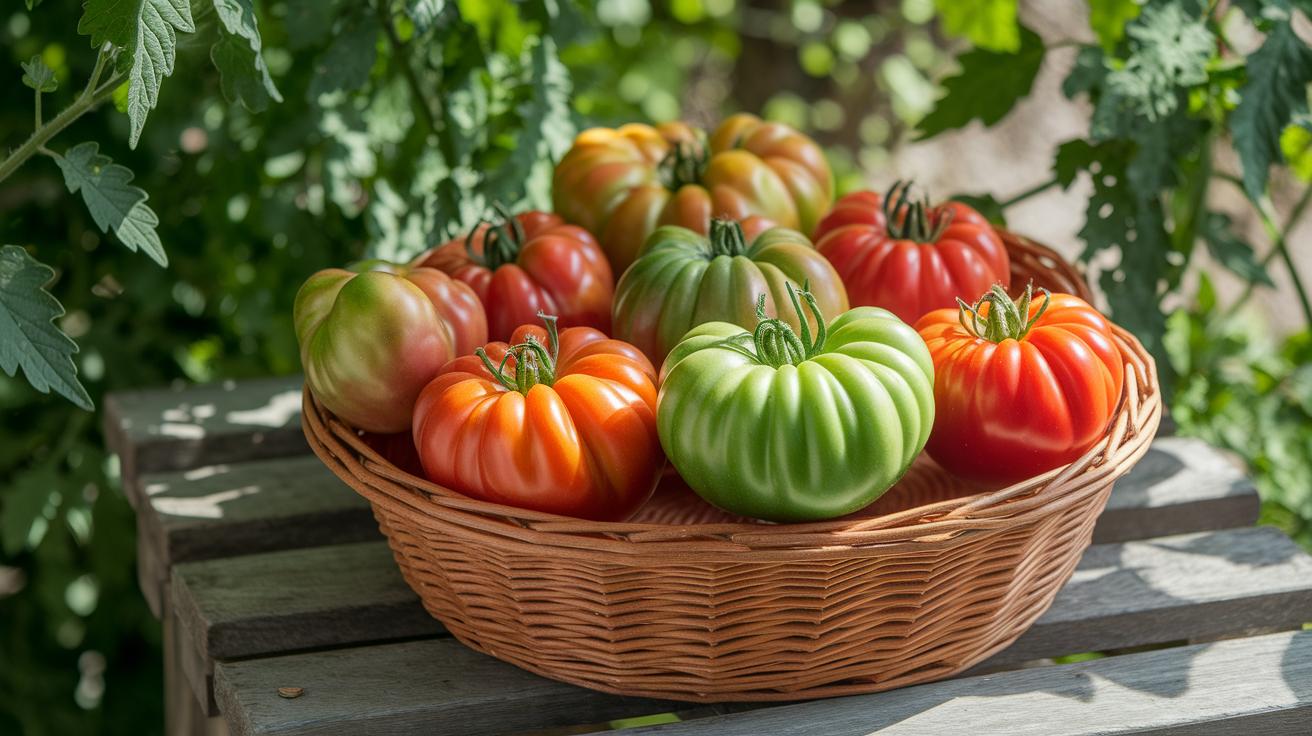
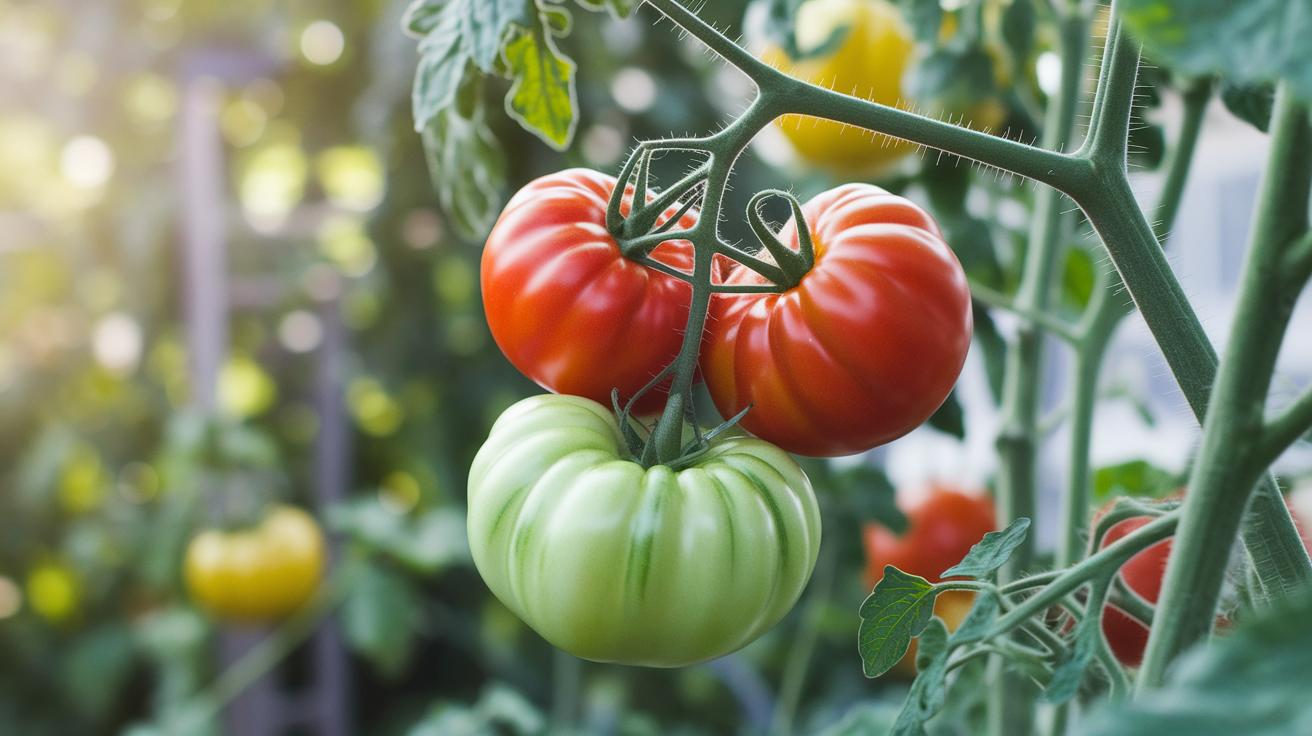
Have you ever smelled sun-warmed tomatoes on the vine in the morning? Wait until they glow with their true color – deep red, warm gold, or bright green stripes, depending on the heirloom variety (an old seed type kept true for generations). Check them each day before the birds snag the best ones.
- Look for even color all around the tomato, with no green shoulders or pale spots.
- Gently hold the fruit, twist it slightly, then lift it off the vine (the plant stem) to keep that little stem attached.
- Lay your fresh picks in a single layer on the counter at about 65 to 70°F so they can finish ripening (maturing to full flavor) off the vine.
- Keep almost-ripe tomatoes on the counter. Move only the fully ripe ones into the fridge to slow down softening.
- If you’re making sauce or jam, wash and quarter the tomatoes, then simmer them or pack into sterilized jars (cleaned hot to kill germs) within a few days to lock in flavor and texture.
Nothing beats biting into a sun-warmed tomato. Follow these steps, and every slice will taste like summer all over again.
Final Words
You’ve zipped through the six top disease-resistant heirloom tomato varieties, each marked for Verticillium, Fusarium, or Nematode resistance and offering distinct flavors.
We covered soil prep tips like testing pH, sturdy staking or cage support, sourcing true-to-type seeds, natural ways to keep diseases at bay, and simple steps for picking and storing ripe fruits.
With these steps in place, you’re set to grow healthy plants and savor every juicy bite of top disease-resistant heirloom tomato varieties.
Cheers to a bountiful harvest!
FAQ
What defines an heirloom tomato compared to hybrids?
Heirloom tomatoes are open-pollinated varieties maintained over generations, preserving true traits from parent plants, while hybrids result from deliberate crosses to achieve specific traits like uniform size, disease resistance, or higher yields.
How do I interpret the V, F, and N disease-resistance markers on tomato varieties?
The V, F, and N markers denote resistance to Verticillium wilt, Fusarium wilt, and root-knot nematodes, guiding gardeners to choose varieties that naturally fend off these common soil-borne threats.
What are key cultivation practices for disease-resistant heirloom tomatoes?
Effective practices include testing soil pH to 6.2–6.8, mixing in compost and organic fertilizer at planting, installing drip irrigation, mulching, spacing plants 18–24 inches apart, pruning suckers, and using stakes or cages for support.
How can I source high-quality heirloom tomato seeds?
High-quality heirloom seeds come from certified non-GMO suppliers or trusted catalogs that list true traits and resistance codes, and you can save seeds by cleaning, drying, labeling, and storing them in a cool, dry place.
What organic strategies help manage diseases and pests for heirloom tomatoes?
Organic strategies include rotating crops outside the nightshade family, planting companions like basil or marigolds, applying organic fungicides early, introducing beneficial microbes, removing diseased foliage, and attracting predatory insects.
When and how should I harvest and store heirloom tomatoes for the best flavor?
Harvest tomatoes when they reach full varietal color with a gentle twist, ripen in a single layer at 65–70°F, store at cool room temperature, and process or can within a few days to preserve texture and taste.